
Have you ever wondered how long the coronavirus can stay on your clothes? You might be surprised to learn that the virus doesn’t survive forever on fabric, but understanding exactly how long it lasts can help you protect yourself and your loved ones.
You’ll discover the facts about coronavirus survival on different types of clothing, what that means for your daily routine, and simple steps you can take to stay safe. Keep reading—your health and peace of mind depend on it.
Credit: health.clevelandclinic.org
Coronavirus Survival On Fabrics
Understanding how long coronavirus can survive on your clothes is important for keeping yourself and others safe. Fabrics can hold the virus for varying times, depending on the material and environmental conditions. Knowing these details helps you decide how to handle laundry and reduce the risk of transmission.
Virus Lifespan On Different Materials
The virus behaves differently on various fabrics. Studies show that on cotton, the virus may survive for just a few hours, while on synthetic fabrics like polyester, it can last up to several days.
- Cotton:Virus survives up to 1 day
- Polyester:Virus can last 2-3 days
- Wool:Virus survival ranges between 1-2 days
- Silk:Virus tends to survive less than 24 hours
This variation occurs because porous fabrics like cotton absorb moisture and dry quickly, which reduces virus survival. Synthetic materials, being less absorbent, allow the virus to stay active longer.
Factors Affecting Virus Longevity
Several factors impact how long coronavirus survives on your clothes. Temperature and humidity play big roles—higher temperatures and humidity generally reduce virus lifespan.
- Temperature:Warmer conditions kill the virus faster
- Humidity:Dry air helps the virus persist longer
- Exposure to sunlight:UV rays can deactivate the virus quickly
- Fabric treatment:Some clothes have antimicrobial finishes that reduce virus survival
Think about your daily routine. Do you hang clothes outside where sunlight can help, or leave them in a damp room? Simple actions like these can affect how much risk your clothes pose.
.jpg)
Credit: www.lysol.com
Impact Of Fabric Types
The type of fabric plays a key role in how long coronavirus survives on clothes. Different materials have unique textures and properties that affect virus survival. Understanding fabric impact helps reduce risks of contamination from clothing.
Natural Vs Synthetic Fibers
Natural fibers like cotton and wool absorb moisture quickly. This can cause the virus to dry out faster and reduce its survival time. Synthetic fibers such as polyester and nylon repel water and stay dry longer. Viruses may survive longer on these fabrics due to slower drying. Natural fabrics often breathe better, allowing air flow that helps kill viruses. Synthetic fibers can trap moisture and virus particles closer to the surface. This difference impacts how long the virus remains active on clothing.
Porosity And Virus Retention
Porosity means how many small holes or spaces a fabric has. Fabrics with high porosity, like cotton, can trap virus particles deep inside. This can make cleaning harder but also exposes the virus to air and drying. Low porosity fabrics, like polyester, hold virus particles mainly on the surface. This can make the virus easier to remove by washing but also protects it from drying out. The balance of porosity and moisture retention shapes how long the virus stays alive on clothes.
Environmental Influences
The survival of coronavirus on clothes depends heavily on environmental factors. These elements affect how long the virus remains active and infectious on fabric surfaces. Understanding these influences helps reduce risks and maintain safety during daily activities.
Temperature Effects
Higher temperatures tend to reduce the virus’s survival time on clothes. Heat can break down the virus’s structure, making it inactive faster. Cooler temperatures allow the virus to stay alive longer. Washing clothes in warm water helps remove and kill the virus effectively.
Humidity And Airflow
Humidity levels affect how long coronavirus stays on fabric. Low humidity can dry out the virus, reducing its lifespan. High humidity may help the virus survive longer. Good airflow speeds up drying and decreases virus survival on clothes. Hanging clothes in a well-ventilated area lowers the risk.
Sunlight Exposure
Sunlight, especially ultraviolet (UV) rays, can kill the virus on clothing. Direct sunlight breaks down the virus’s outer layer quickly. Clothes dried outside in the sun are less likely to carry active virus particles. Avoid storing damp clothes in dark, enclosed spaces to prevent virus survival.
Washing And Disinfection
Washing and disinfection play a vital role in reducing coronavirus survival on clothes. Proper cleaning removes dirt, oils, and viruses trapped in fabric fibers. Disinfection kills remaining germs and lowers infection risk.
Using the right methods and products ensures clothes become safe to wear again. Follow these tips to clean and disinfect effectively.
Effective Cleaning Methods
Start by separating contaminated clothes from other laundry. Wash them in hot water if the fabric allows. Scrubbing helps remove particles stuck on fabric surfaces.
- Use a washing machine or hand wash with vigorous agitation
- Choose longer wash cycles for better virus removal
- Pre-soak heavily soiled items in soapy water
Recommended Detergents And Temperatures
Use detergents containing surfactants to break down oils and grime. Detergents with bleach or disinfectants offer extra virus-killing power. Water temperature matters.
- Use water at least 60°C (140°F) for best results
- Cold water may clean but does not disinfect effectively
- Check fabric labels to avoid damage from heat
Drying And Sanitizing Clothes
Dry clothes completely after washing. Heat from dryers helps kill viruses further. Sunlight also acts as a natural disinfectant.
- Use a hot dryer cycle for 30 minutes or more
- Hang clothes in direct sunlight if possible
- Avoid damp clothes that may harbor germs
Handling Clothes Safely
Handling clothes safely during the coronavirus pandemic is more important than ever. The virus can survive on fabrics for varying lengths of time, so being cautious while dealing with your laundry can protect you and your loved ones. Simple, mindful habits can make a big difference in reducing any risk of contamination.
Precautions When Removing Clothes
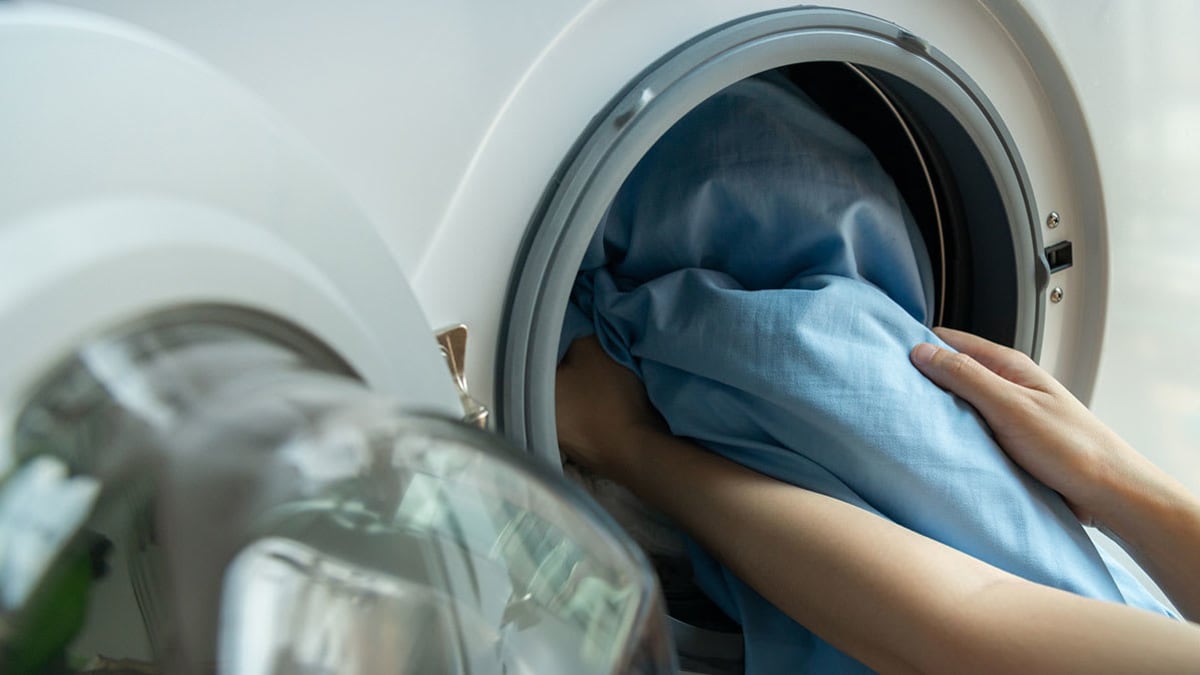
Always avoid shaking your clothes to prevent any virus particles from spreading into the air. Instead, fold or roll your clothes carefully and place them directly into the laundry basket or washing machine.
Wash your hands immediately after handling dirty clothes. If you touched your face or other surfaces before washing your hands, clean those areas as well.
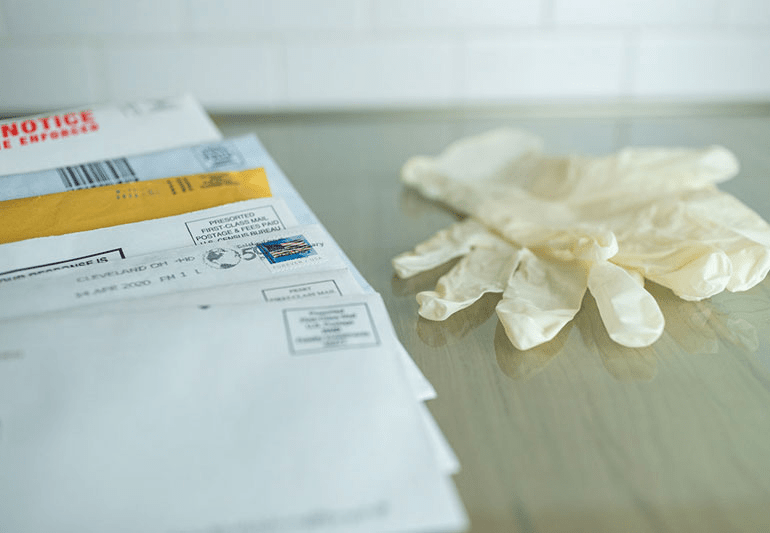
- Wear gloves if possible, especially if someone in your household is sick.
- Do not touch your face while handling dirty laundry.
- Keep laundry baskets in well-ventilated areas to reduce moisture buildup.
Storage Tips To Reduce Risk
If you need to store clothes before washing, keep them separate from clean laundry. Use a designated, washable bag or container that can be disinfected regularly.
Try to avoid overcrowding storage spaces. Allowing air to circulate around your clothes can help reduce virus survival.
| Storage Tip | Why It Helps |
|---|---|
| Use breathable fabric bags | Prevents moisture buildup and reduces virus lifespan |
| Keep storage areas dry and ventilated | Virus thrives less in dry environments |
| Separate clean and dirty clothes | Prevents cross-contamination |
Have you noticed how a small change like sorting your laundry differently can ease your mind? Sometimes, the simplest actions can help you feel more in control during uncertain times.
Credit: www.consumerreports.org
Myths And Facts
Many people have heard different ideas about how long coronavirus can live on clothes. Some claims cause worry, while others offer relief. Separating myths from facts helps us stay safe without unnecessary fear. This section clears up the confusion with clear, easy-to-understand information.
Common Misconceptions
- Coronavirus can survive on clothes for weeks.
- Washing clothes is not enough to remove the virus.
- Drying clothes does not affect the virus’s survival.
- Touching clothes always means you can catch the virus.
These ideas spread quickly but often lack proof. They can make people afraid to handle laundry or go outside. Knowing the truth stops these worries.
Evidence-based Findings
- Virus survival on fabric depends on material and conditions.
- Studies show the virus lasts from a few hours to two days on clothes.
- Washing clothes with detergent removes or kills the virus effectively.
- Heat from drying helps reduce any virus left on fabric.
- Handling clothes with clean hands lowers the chance of infection.
Experts agree that normal washing and drying are enough to keep clothes safe. The virus does not live long on soft surfaces like fabric compared to hard surfaces.
Frequently Asked Questions
How Long Does Coronavirus Survive On Clothes?
Coronavirus can survive on clothes for up to 1-3 days. The exact time varies based on fabric type and environmental conditions. Porous materials like cotton may reduce virus survival compared to synthetic fabrics.
Can Washing Clothes Kill Coronavirus Effectively?
Yes, washing clothes with detergent and warm water effectively kills coronavirus. Use water temperature above 60°C (140°F) for best results. Proper drying also helps eliminate any remaining virus particles.
Is It Safe To Handle Clothes Of Infected Persons?
Handling clothes of infected persons is generally safe if proper hygiene is followed. Use gloves if possible, wash hands immediately after, and avoid touching your face during handling.
Does Sunlight Affect Coronavirus Survival On Fabrics?
Sunlight, especially UV rays, can reduce coronavirus survival on fabrics. Direct exposure to sunlight helps deactivate the virus faster than indoor conditions. Always dry clothes in sunlight when possible.
Conclusion
Coronavirus can survive on clothes for a few hours to days. This depends on fabric type, temperature, and humidity. Washing clothes with soap and hot water helps remove the virus. Drying clothes fully also reduces risk. Avoid touching your face after handling worn clothes.
Keep your laundry routine clean and safe. Taking simple steps protects you and others around you. Stay informed and follow health guidelines to stay healthy. Clean clothes, clean hands—simple but effective.


