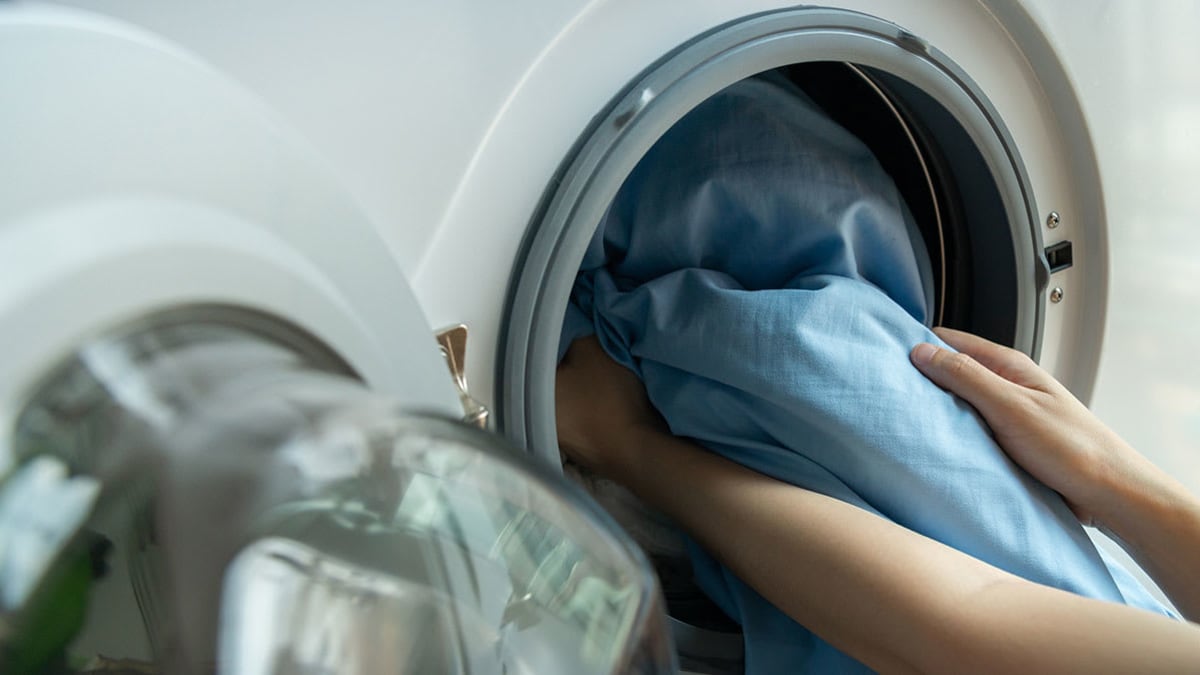
Have you ever wondered if the coronavirus can live on your clothes? You touch your jacket, your shirt, or your favorite jeans every day.
But could these everyday items actually carry the virus? Knowing the truth about how long the virus survives on clothing can help you protect yourself and your loved ones. Keep reading to find out what you need to know to stay safe and confident in your daily routine.
Virus Survival On Fabrics
Understanding how the coronavirus survives on clothing helps reduce infection risks. The virus can stay on fabrics for different times. This depends on the type of fabric and other conditions. Knowing these details helps in choosing safe laundry and handling methods.
Types Of Fabrics And Virus Persistence
Different fabrics affect virus survival differently. Smooth, non-porous fabrics like polyester may hold the virus longer. Rough, porous fabrics like cotton absorb moisture and reduce virus life.
- Cotton:Virus lasts for a few hours to one day.
- Polyester:Virus may survive up to three days.
- Wool:Virus persistence is usually less than on synthetic fabrics.
- Silk:Virus tends to die faster due to fabric texture.
Factors Affecting Virus Longevity
Several factors influence how long the virus stays active on fabrics.
- Temperature:Higher temperatures reduce virus survival time.
- Humidity:Low humidity helps virus stay longer.
- Sunlight:UV rays from sunlight kill the virus quickly.
- Fabric Treatment:Some fabrics have antimicrobial finishes that lower virus survival.
Proper washing with detergent and drying in sunlight can effectively remove the virus from clothes.
Credit: health.clevelandclinic.org
Scientific Studies On Clothing
Scientific studies on coronavirus and clothing help us understand virus survival risks. These studies test how long the virus stays active on different fabrics. They also explore how real-life conditions affect virus presence on clothes. This knowledge guides safe handling and washing practices.
Lab Experiments And Findings
Lab tests use controlled settings to study virus survival on fabrics. Researchers apply virus samples to various cloth types like cotton, polyester, and blends. They measure how long the virus remains infectious over hours or days.
- Virus survives longer on synthetic fibers than natural ones.
- On cotton, the virus often becomes inactive within a few hours.
- Humidity and temperature affect virus survival significantly.
- Drying clothes reduces virus presence quickly.
These experiments show virus survival varies by fabric and conditions. The virus does not last long on most clothing materials.
Real-world Observations
Studies in everyday settings track virus presence on clothes worn by infected people. Samples from healthcare workers and patients’ clothing provide real data. Results show low risk of virus transmission through clothing.
- Virus particles rarely transfer from clothes to hands or surfaces.
- Proper laundry and hygiene reduce any remaining risk.
- Outdoor exposure and sunlight also help inactivate the virus on fabrics.
Real-world data supports lab findings that clothing is not a major virus carrier. Simple precautions like washing clothes regularly keep risks minimal.
Transmission Risks From Clothing
Clothing can carry germs, but how much risk does it actually pose for spreading the coronavirus? Understanding transmission risks from clothing helps you make smarter choices about your daily habits, like handling laundry or choosing what to wear in public places. Let’s break down what you really need to know so you can protect yourself without unnecessary worry.
How Likely Is Infection Via Clothes?
The coronavirus does not survive long on porous surfaces like fabric. Studies show that the virus’s lifespan on clothes is usually just a few hours, and often less depending on the material and environment.
You touch your clothes less often than other surfaces like your phone or door handles. This reduces the chance of transferring the virus from fabric to your hands, then to your face. Still, if you’ve been in a crowded place or near someone who is sick, washing your clothes soon after can be a smart move.
Think about your daily routine: Do you shake out your clothes immediately after coming home? Do you wash your hands after touching your jacket or shirt? These small actions lower your risk even more.
Common Misconceptions
Many people believe that the virus can linger on clothing for days, but evidence suggests otherwise. The idea that your outfit could be a virus hotspot is more myth than fact.
Another misconception is that disinfecting clothes with harsh chemicals is necessary. In reality, regular washing with detergent and warm water is enough to kill the virus.
You might have heard that wearing multiple layers or changing clothes frequently prevents infection. However, frequent hand washing and avoiding face-touching offer much stronger protection.
Have you ever touched your jacket and then your face without washing your hands? That’s a more likely way for germs to spread than through the fabric itself. So, focus on hygiene habits rather than stressing over your wardrobe.
Effective Clothing Hygiene
Maintaining effective clothing hygiene is crucial to reduce the risk of coronavirus transmission. Viruses can survive on fabric surfaces for hours to days, depending on the material and conditions. Proper cleaning and handling of clothes help remove viruses and protect your health.
Washing Techniques That Kill Viruses
Use hot water when washing clothes, ideally above 60°C (140°F). Hot water helps break down the virus structure. Add regular laundry detergent, which removes dirt and germs effectively. Avoid overloading the washing machine to allow proper cleaning. Use a longer wash cycle to ensure thorough washing. For extra protection, adding a disinfectant made for laundry can help kill viruses. Always follow the garment care label to avoid damage.
Safe Handling And Drying Practices
Wear gloves or wash your hands immediately after touching dirty clothes. Avoid shaking clothes to prevent spreading virus particles in the air. Dry clothes completely in direct sunlight or a hot dryer. Sunlight’s ultraviolet rays kill many viruses on fabric surfaces. Store clean clothes in a dry, clean place to avoid contamination. Wash your hands again after handling clean laundry to stay safe.
Protective Measures For Fabrics
Protective measures for fabrics help reduce the risk of virus spread through clothing. Viruses can survive on different materials for varying times. Taking simple steps can keep fabrics safer and limit contamination. Proper care and handling are important to protect yourself and others.
Using Masks And Protective Gear
Wear masks made from tightly woven fabric to block virus particles. Choose masks that fit snugly over the nose and mouth. Use gloves or protective sleeves when handling potentially contaminated clothing. Protective gear acts as a barrier, stopping virus particles from reaching your skin or clothes.
Disinfecting Non-washable Items
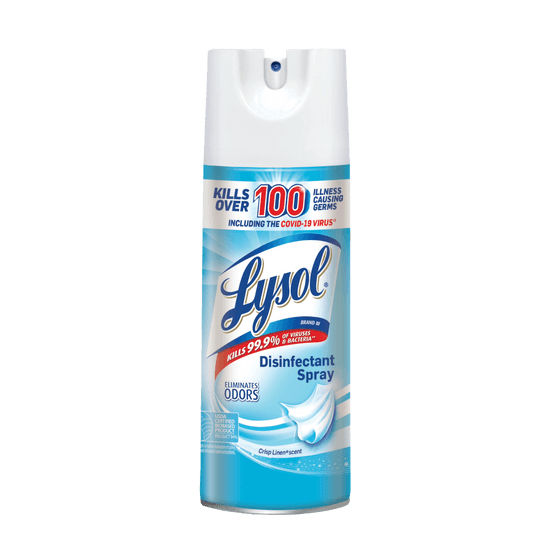
Some fabrics cannot be washed often, like coats or hats. Use disinfectant sprays that are safe for textiles on these items. Let the item air dry completely after spraying. Avoid using bleach or harsh chemicals that can damage fabric. UV light sanitizers can also help reduce viruses on non-washable fabrics.
Credit: www.lysol.com

Credit: www.goodrx.com
Frequently Asked Questions
How Long Does Coronavirus Survive On Clothing?
Coronavirus can survive on clothing from a few hours up to two days. The exact time depends on fabric type and conditions like humidity and temperature.
Can Washing Clothes Kill The Coronavirus?
Yes, washing clothes with detergent and warm water effectively kills the coronavirus. Use the highest safe temperature for your fabric to ensure safety.
Is It Safe To Wear Clothes Outside During The Pandemic?
Wearing clothes outside is generally safe if you practice good hygiene. Avoid touching your face and wash clothes after outdoor use to reduce risk.
Does Fabric Type Affect Coronavirus Survival On Clothing?
Yes, the virus survives longer on synthetic fabrics than natural ones. Porous fabrics like cotton tend to reduce virus survival time.
Conclusion
Viruses like coronavirus do not last long on clothes. Washing clothes with detergent removes most germs safely. Drying clothes fully also helps kill viruses. Avoid touching your face when handling dirty clothes. Keep good hygiene to stay safe every day.
Clean clothes and hands reduce the risk of infection. Small steps make a big difference in health. Stay careful, stay healthy, and protect those around you.


