Have you ever wondered how long a virus can hang around on your clothes after you step outside? Knowing this could help you protect yourself and your loved ones better.
Viruses don’t just vanish the moment you take off your jacket or wash your hands. They can survive on fabric for hours, sometimes even days. Understanding exactly how long viruses live on clothing can change the way you handle your laundry and dress every day.
Keep reading to uncover the facts that might just keep you safer than you think.
Virus Survival Time On Fabrics
Understanding how long a virus can survive on fabrics is crucial for maintaining hygiene, especially in shared spaces or during cold and flu seasons. Viruses don’t all behave the same way once they settle on clothing. Their survival time varies widely based on several conditions, which can influence how you handle and wash your clothes.
Factors Influencing Virus Lifespan
Temperature and humidity play major roles in virus survival on fabrics. Higher temperatures and sunlight exposure tend to reduce the lifespan of viruses, while cooler, damp environments can help them linger.
Another important factor is the viral load—the amount of virus initially deposited on the fabric. A heavy contamination might last longer and require more thorough cleaning.
Think about your daily routine: do you air out your clothes or keep them in closed spaces? This simple habit can affect how long viruses remain active on your garments.
Common Viruses And Their Durability
| Virus | Approximate Survival Time on Fabrics | Notes |
|---|---|---|
| Influenza Virus | 8-12 hours | Can survive longer in cooler, moist conditions. |
| Coronavirus (SARS-CoV-2) | Up to 2 days | Survival depends on fabric type and environmental conditions. |
| Norovirus | Days to weeks | Highly resilient, especially on porous surfaces like fabric. |
Knowing these survival times can help you decide how often to wash your clothes and what precautions to take if you’ve been exposed to illness.
Impact Of Fabric Type
Not all fabrics are equal when it comes to virus survival. Smooth, non-porous fabrics like polyester often allow viruses to survive longer than porous ones like cotton.
Cotton tends to absorb moisture quickly, which can trap viruses but also dry out and deactivate them faster. Synthetic fabrics may hold moisture longer, which sometimes helps viruses remain infectious.
Have you ever noticed how your workout clothes feel damp longer than your cotton t-shirts? This moisture retention can inadvertently increase virus survival on those fabrics.

Credit: www.amazon.com
Environmental Effects On Virus Longevity
Virus survival on clothing depends heavily on the environment around it. Factors like temperature, humidity, and sunlight can either speed up the virus’s decay or help it linger longer. Understanding these effects can help you make smarter choices about handling and cleaning your clothes.
Temperature And Humidity
Viruses generally don’t like heat. Higher temperatures tend to reduce how long a virus can stay active on fabric. If you’ve ever left clothes out on a warm day, you might have unknowingly helped kill off some germs.
Humidity also plays a key role. Low humidity can make viruses dry out faster, which shortens their lifespan. But if the air is too damp, some viruses survive longer because moisture keeps them stable.
Have you noticed how your clothes feel different on dry versus humid days? That difference affects more than just comfort—it impacts virus survival too.
Sunlight And Uv Exposure
Sunlight is a natural disinfectant. UV rays damage the virus’s outer shell and genetic material, making it inactive quickly. Hanging clothes outside in direct sunlight can drastically reduce virus presence.
Indoor lighting won’t have the same effect. If you can’t dry your clothes outside, consider placing them near a sunny window. Even indirect sunlight can help, but the direct rays work best.
Think about your drying habits—could a simple change like sun-drying your clothes add an extra layer of protection? It’s an easy step that doesn’t cost anything but can make a real difference.
Transmission Risks From Clothing
Clothing can act as an unexpected surface for viruses, raising concerns about how easily infections might spread through what you wear. Understanding the transmission risks from clothing helps you make smarter choices about laundry, handling, and personal hygiene. Let’s look closely at how viruses can move from fabric to your skin and what real-world evidence tells us about these risks.
How Viruses Transfer From Fabric To Skin
Viruses don’t jump directly from clothes to you; they rely on touch. When you handle contaminated fabric, viruses can stick to your fingers or hands. Then, if you touch your face, mouth, or eyes, the virus can enter your body.
The type of fabric matters. Rough or porous materials like cotton can trap viruses, but smooth synthetic fabrics might allow viruses to stay on the surface longer, making transfer easier. Moisture also plays a role—viruses survive better on damp clothes than dry ones.
Think about how often you adjust your sleeves or rub your neck. These small, unconscious touches might be the moments when viruses move from your clothes to your skin. Are you aware of how often you touch your clothes throughout the day?
Real-world Cases And Studies
Studies show that respiratory viruses, like influenza and coronaviruses, can survive on clothing for hours to days depending on conditions. One study found that flu viruses remained infectious on cotton fabric for up to 8 hours.
However, actual transmission through clothing is less common than from direct contact with contaminated surfaces or close person-to-person contact. Public health reports rarely list clothing as the main source of infection, but the possibility isn’t zero.
Healthcare workers’ uniforms sometimes show traces of viral particles after shifts, which is why hospitals emphasize frequent laundering and sometimes use disposable gowns. This highlights a practical step you can take: wash clothes regularly and avoid reusing items that have been exposed to high-risk environments.
Credit: yubanet.com
Effective Cleaning Methods
Understanding how to properly clean clothing to eliminate viruses is crucial for your health and peace of mind. Effective cleaning methods not only remove visible dirt but also reduce or kill viruses that might linger on fabrics. Let’s look at practical ways you can ensure your clothes are truly safe to wear again.
Washing Techniques
Use the hottest water setting that your fabric can handle without damage. High temperatures help break down viruses more effectively than cold water alone.
Adding detergent is essential because it disrupts the virus’s outer layer. Don’t rush the wash cycle—choose a longer setting to give the detergent time to work.
Have you ever wondered if hand-washing is enough? For delicate items, use a disinfectant detergent and scrub thoroughly, but machine washing remains more reliable for virus removal.
Disinfectants Safe For Clothing
Not all disinfectants are safe for fabrics. Look for products labeled safe for laundry use, such as those containing hydrogen peroxide or ethanol.
Avoid bleach on colored clothing as it can cause damage and fading. Instead, try oxygen-based bleach alternatives that kill germs without harming fabric colors.
Did you know you can add disinfectants directly to the wash cycle? This step boosts virus elimination, especially during flu season or after exposure to illness.
Drying And Ironing Benefits
Heat from drying plays a big role in killing viruses. Use the highest heat safe for your clothes to help sanitize them thoroughly.
Ironing adds an extra layer of protection by applying direct heat to fabric surfaces. This can be especially useful for items that can’t withstand high dryer temperatures.
Think about your usual laundry routine—do you skip ironing? Incorporating it can make a noticeable difference in reducing germs on your clothing.
Preventive Measures For Clothing Safety
Clothing can carry viruses for hours or even days. Taking safety steps reduces the risk of infection. Proper handling and care keep clothes virus-free and protect your health.
Handling Clothes During Outbreaks
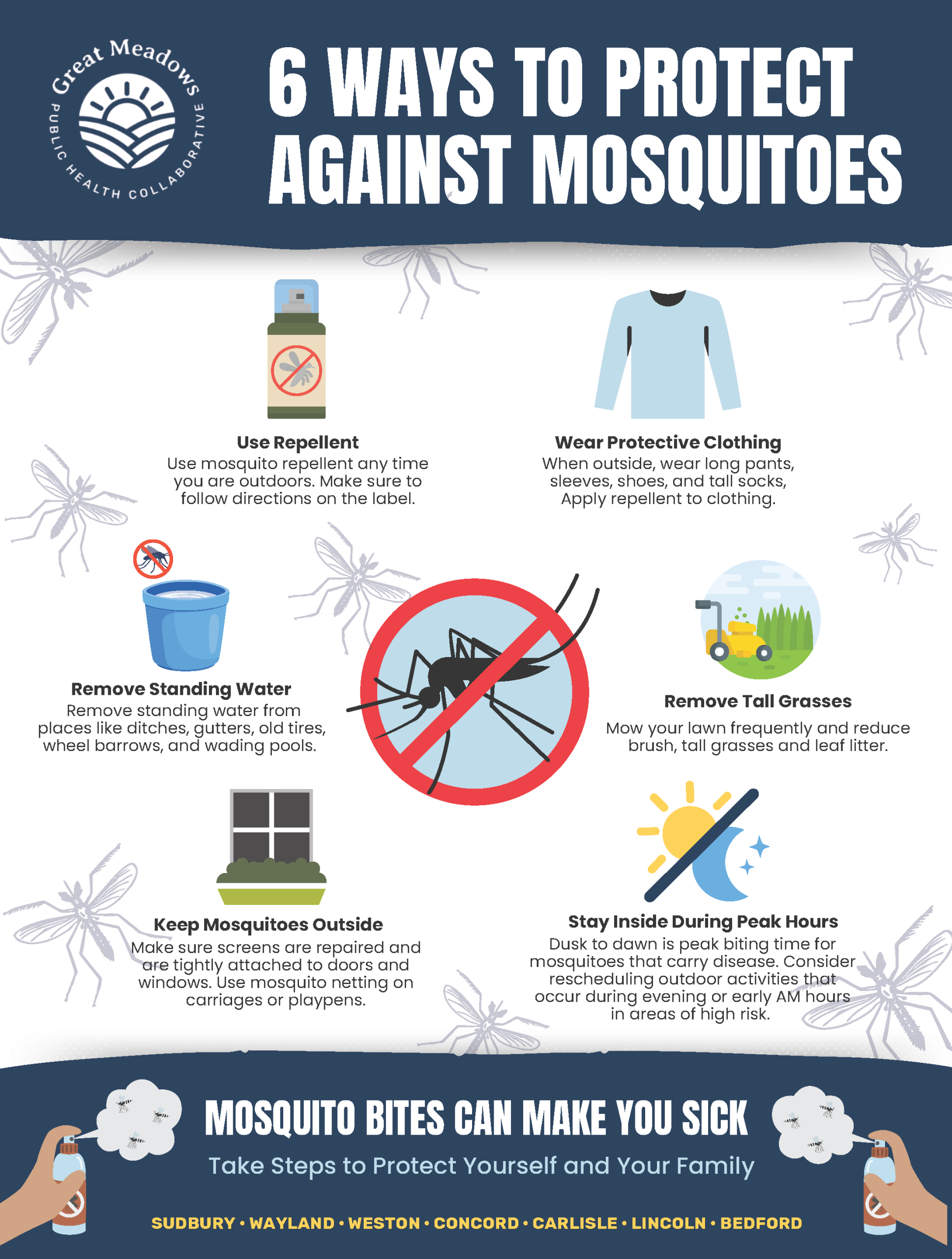
Wear gloves when touching potentially contaminated clothes. Avoid shaking clothes to stop virus particles from spreading. Place dirty clothes directly into the laundry basket. Wash hands immediately after handling used clothing. Use a mask if you are near someone sick.
Storage And Care Tips
- Store clean clothes in a dry, well-ventilated area.
- Wash clothes in hot water (at least 60°C or 140°F) to kill viruses.
- Use regular laundry detergent; no special disinfectants are needed.
- Dry clothes completely, preferably in sunlight or a hot dryer.
- Disinfect laundry baskets and hampers regularly.
Credit: extension.msstate.edu
Frequently Asked Questions
How Long Can Viruses Live On Clothing Surfaces?
Viruses can survive on clothing from a few hours up to several days. Survival depends on virus type and fabric material. Porous fabrics like cotton usually reduce virus lifespan. Synthetic fibers may allow longer survival. Regular washing effectively removes viruses from clothes.
Does Fabric Type Affect Virus Survival On Clothes?
Yes, fabric type impacts virus survival. Porous fabrics absorb moisture and trap viruses, reducing their lifespan. Smooth, synthetic fabrics retain viruses longer due to less absorption. Understanding fabric differences helps in managing contamination risks and choosing proper cleaning methods.
How Effective Is Washing Clothes Against Viruses?
Washing clothes with detergent and warm water effectively removes viruses. Detergents break down viral membranes, while water washes them away. Use the highest safe temperature for fabric. Proper drying further reduces virus presence, ensuring clothes are safe to wear.
Can Viruses Transfer From Clothes To Hands Or Surfaces?
Yes, viruses on clothes can transfer to hands or surfaces through contact. Touching contaminated fabric and then touching your face increases infection risk. Frequent handwashing and avoiding touching your face reduces this risk. Clean clothing minimizes virus transmission.
Conclusion
Viruses can survive on clothes for a few hours to days. The type of fabric affects how long they live. Washing clothes with soap and hot water helps remove viruses. Drying clothes completely also lowers the risk of virus spread.
Regular cleaning keeps you and your family safer. Remember, simple habits protect against infections. Stay mindful of how you handle and wash your clothing. Small actions make a big difference in staying healthy.

