Have you ever wondered how long the coronavirus can stay on your clothes? It’s a question that matters more than you might think.
Knowing this can help you protect yourself and your loved ones from hidden risks. You’ll discover exactly how long the virus survives on different fabrics and what simple steps you can take to keep your clothes safe. Keep reading to learn how to stay confident and worry-free every time you step out or come back home.

Credit: www.thinkglobalhealth.org
Virus Lifespan On Fabrics
Understanding how long the coronavirus can survive on your clothes is important for keeping yourself and others safe. The virus lifespan on fabrics varies depending on several factors. Knowing these details helps you decide how often to wash your clothes and handle laundry during the pandemic.
Factors Affecting Survival Time
The virus doesn’t survive the same amount of time on every fabric. Temperature and humidity play big roles—higher heat and moisture usually reduce how long the virus stays active.
Another key factor is how much virus is initially on the fabric. A tiny droplet may disappear faster than a larger one. Also, exposure to sunlight or disinfectants can kill the virus more quickly.
Have you noticed how your clothes feel different after washing? That’s more than just freshness—it’s also about removing or killing viruses that might linger.
Different Fabric Types And Virus Persistence
Some fabrics hold onto the virus longer than others. Smooth, non-porous fabrics like polyester or nylon tend to allow the virus to survive longer compared to porous materials like cotton.
| Fabric Type | Approximate Virus Survival Time | Notes |
|---|---|---|
| Cotton | Up to 1 day | Porous and breathable, virus dries out quickly |
| Polyester | 2-3 days | Smoother surface, retains moisture longer |
| Fleece | 1-2 days | Thicker fabric, virus may hide in fibers |
| Silk | Less than 1 day | Natural antiviral properties, dries quickly |
What type of fabric do you wear most often? If you choose cotton, that’s a good step toward reducing virus survival time on your clothes. But remember, no fabric is completely risk-free, so washing regularly is key.

Credit: www.goodrx.com
Impact Of Environmental Conditions
The survival time of coronavirus on clothes doesn’t just depend on the fabric type; environmental conditions play a huge role. Understanding how factors like temperature, humidity, and sunlight affect the virus can help you handle your laundry and clothing more safely. Let’s take a closer look at how these elements influence the virus’s lifespan on your clothes.
Temperature Effects
Higher temperatures tend to reduce the survival time of the coronavirus on fabrics. When you wash your clothes in hot water, usually above 60°C (140°F), it can effectively kill the virus. On the other hand, cooler temperatures allow the virus to linger longer, sometimes for several days.
Think about the last time you wore a jacket outside on a chilly day and then stored it without washing. The virus could survive longer on that fabric compared to summer clothes washed in warm water. This is why adjusting washing temperatures based on the season can make a big difference in reducing risk.
Humidity Influence
Humidity also affects how long the virus stays active on clothes. In low-humidity environments, the virus tends to survive longer because dry conditions help preserve it. Conversely, in high humidity, droplets dry out faster, which can reduce the virus’s lifespan.
Have you noticed how clothes dried outside on a humid day feel damp for a while? That moisture can actually help reduce virus survival. This suggests that drying clothes in a humid environment or using a steamer might help neutralize virus particles.
Sunlight And Uv Exposure
Sunlight is a powerful natural disinfectant due to its ultraviolet (UV) rays. Exposure to direct sunlight significantly lowers the virus’s ability to survive on fabric surfaces. UV light damages the virus’s genetic material, making it inactive.
If you have the option, drying your clothes outdoors under the sun is a smart move. I’ve found that hanging clothes in direct sunlight not only speeds up drying but also provides an extra layer of protection against viruses. Even a short period under sunlight can reduce viral contamination, so consider making this a habit whenever possible.
Transmission Risks From Clothing
Clothing can carry the coronavirus for a short time after contact with contaminated surfaces or droplets. The risk of spreading the virus through clothes depends on how long it stays active on the fabric. Understanding how transmission happens helps reduce the chances of infection.
Contact And Contamination
The virus spreads mainly through droplets from coughs or sneezes. These droplets can land on clothes and stay there for hours. Touching contaminated fabric and then touching your face can transfer the virus to your mouth, nose, or eyes.
Different fabrics hold the virus for different times. Smooth, non-porous surfaces keep the virus longer than rough or porous materials. Clothes made from cotton may reduce the virus faster than synthetic fibers.
Risk In Everyday Scenarios
Everyday activities like shopping or using public transport can expose your clothes to the virus. Sitting close to others or touching surfaces increases the chance of contamination.
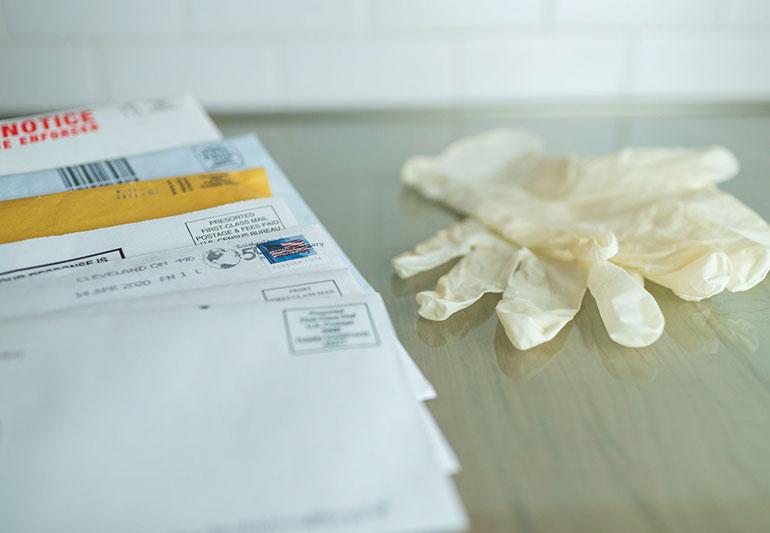
- Handling packages or mail may put the virus on your sleeves or hands.
- Changing clothes after being outside lowers the risk of bringing the virus indoors.
- Washing clothes regularly helps remove any virus particles.
Safe Handling Of Clothes
Handling clothes safely during the coronavirus pandemic is crucial to reduce any risk of virus transmission. The virus can survive on fabric surfaces for different lengths of time depending on material and conditions. Paying attention to how you manage your laundry can protect you and your household effectively.
Proper Laundry Practices
Wash your clothes regularly, especially after being in public places. Use the warmest water temperature suitable for the fabric to help kill the virus. Avoid shaking dirty laundry to prevent dispersing the virus into the air.
Wear gloves when handling clothes from someone who is sick or possibly exposed. Wash your hands immediately after removing gloves or touching laundry. Dry clothes completely using a dryer, as heat further reduces the virus’s chances of survival.
Use Of Disinfectants And Detergents
Choose laundry detergents that contain disinfecting agents. Adding a disinfectant approved for fabrics can increase the effectiveness against viruses. For delicate clothes, look for fabric-safe disinfectants that won’t cause damage.
Consider adding a cup of bleach if your fabric allows it, as bleach is highly effective against viruses. If bleach is not an option, use a disinfectant spray on non-washable items, then let them dry completely before use. Could small changes in your laundry routine be the key to keeping your family safer?
Preventive Measures
Understanding how long coronavirus survives on clothes is important, but taking active preventive measures keeps you safer. These steps reduce the risk of the virus lingering on your garments and spreading to your hands or face. Let’s look at practical ways you can protect yourself and others.
Wearing Protective Gear
Wearing masks and gloves when handling potentially contaminated clothes adds a strong layer of protection. Masks help prevent inhaling virus particles that may come from fabric surfaces. Gloves stop the virus from transferring to your hands, which you might unconsciously touch to your face.
Think about the times you’ve grabbed your jacket or scarf after being in a crowded place. Did you wash your hands immediately after? Wearing protective gear can remind you to be cautious and reduce accidental contact.
Minimizing Cross-contamination
Cross-contamination happens when the virus moves from one surface to another, often via your hands or shared items. Avoid placing dirty clothes on furniture or mixing them with clean laundry to reduce this risk.
Try these simple habits:
- Use a separate laundry bag for worn clothes.
- Wash hands immediately after touching potentially contaminated fabrics.
- Disinfect laundry baskets and surfaces regularly.
Have you noticed how easy it is to forget about these small steps? Yet, they make a huge difference in stopping the virus from spreading through your wardrobe and home.

Credit: www.goodrx.com
Myths And Facts
Understanding how long coronavirus survives on clothes is crucial, especially as misinformation spreads quickly. Separating myths from facts helps you take the right precautions without unnecessary worry. Let’s clear up common misunderstandings and look at what science really says.
Common Misconceptions
Many believe that coronavirus can live on clothes for days, causing infections through fabric. This fear often leads to excessive washing or discarding clothes after a single use. Some also think that simply wearing gloves or masks without proper hygiene is enough to prevent transmission via clothing.
Have you ever hesitated to wear a jacket someone else tried on? Such doubts stem from myths, not facts. It’s important to recognize that viruses need specific conditions to survive and spread effectively.
Scientific Evidence
Research shows that the coronavirus can survive on fabrics, but its lifespan varies widely depending on material type, temperature, and humidity. Typically, it lasts only a few hours on porous surfaces like cotton. Hard, non-porous surfaces tend to harbor the virus longer.
Studies using laboratory settings found that the virus loses its ability to infect rapidly on clothes. Washing with regular detergent and drying at high temperatures drastically reduces any risk. This means your regular laundry routine is usually enough to keep your clothes safe.
So, instead of stressing over every garment, focus on consistent hygiene practices. Do you really need to isolate your clothes from everyday wear, or is basic care enough?
Frequently Asked Questions
How Long Does Coronavirus Survive On Clothes?
Coronavirus can survive on clothes from a few hours up to 2 days. Survival depends on fabric type and environmental conditions like humidity and temperature.
Which Fabrics Retain Coronavirus Longer?
Synthetic fabrics like polyester can retain the virus longer than natural fabrics such as cotton. Porous materials generally reduce virus survival time.
Can Washing Clothes Remove Coronavirus Completely?
Yes, washing clothes with detergent in warm water effectively removes and kills coronavirus. Use the highest temperature safe for the fabric.
Is It Safe To Handle Clothes From Public Places?
Handling clothes from public places is generally safe if you wash them promptly. Avoid touching your face before washing hands after handling.
Conclusion
Coronavirus can survive on clothes for a few hours to days. The exact time depends on fabric type and conditions like humidity and temperature. Washing clothes with soap and water removes the virus effectively. Drying clothes completely helps kill any remaining germs.
Avoid touching your face after handling worn clothes. Regular cleaning keeps you and others safer. Stay mindful of hygiene to reduce risks. Simple actions make a big difference in protection. Keep your clothes clean and your hands washed. Stay safe by following these easy steps.

