
Have you ever wondered if the herpes virus can live on your clothes? This question matters more than you might think.
Understanding how long the virus survives outside the body can help you protect yourself and those around you. You’ll discover the facts about herpes virus survival on fabrics and learn simple steps to keep your clothes safe. Keep reading to clear up common worries and take control of your health with easy, practical knowledge.

Credit: www.hindustantimes.com
Herpes Virus Basics
The herpes virus is a common infection affecting millions worldwide. Understanding its basics helps in knowing how it spreads and survives. The virus is part of a family called Herpesviridae. It can cause sores and blisters on different body parts. Knowing the types and spread methods is key to prevention.
Types Of Herpes Virus
- Herpes Simplex Virus Type 1 (HSV-1): Usually causes cold sores around the mouth.
- Herpes Simplex Virus Type 2 (HSV-2): Mostly causes genital herpes.
- Varicella-Zoster Virus (VZV): Causes chickenpox and shingles.
- Epstein-Barr Virus (EBV): Linked to mononucleosis and some cancers.
- Cytomegalovirus (CMV): Often affects people with weak immune systems.
How Herpes Spreads
The herpes virus spreads through close contact with an infected person. It passes via:
- Direct skin-to-skin contact with sores or blisters.
- Contact with saliva, genital secretions, or fluids from the mouth or genitals.
- Sharing items like towels or razors, but this is less common.
- From mother to child during childbirth.
The virus survives best on moist skin, not on dry surfaces. It dies quickly outside the body, especially on clothes and fabrics.
Survival Of Herpes On Surfaces
The herpes virus can survive outside the human body for a short time. Understanding its survival on surfaces helps reduce the risk of spreading. Clothes and other fabrics may hold the virus, but its lifespan varies. Knowing how long it lasts and what affects survival is important for safety and hygiene.
Virus Lifespan Outside The Body
Herpes virus does not live long on dry surfaces like clothes. It usually survives from a few minutes to a few hours. The virus needs moisture to stay active. On soft fabrics, it may last less time than on hard surfaces. Exposure to air and sunlight also lowers its lifespan quickly.
Factors Affecting Virus Survival
- Moisture:Wet or damp fabrics help the virus survive longer.
- Temperature:Cooler temperatures slow down virus death.
- Sunlight:UV rays from the sun kill the virus fast.
- Surface Type:Porous materials like clothes hold less virus than smooth surfaces.
- Time:The longer the virus is outside the body, the weaker it becomes.
Herpes On Clothing
Herpes on clothing is a concern for many who worry about the virus spreading beyond direct skin contact. Understanding how the herpes virus behaves on fabrics can help you manage risks better. Let’s look closely at whether the virus can survive on clothes and what that means for you.
Can The Virus Live On Fabrics?
The herpes virus is fragile outside the human body. It needs a warm, moist environment to survive and quickly loses its ability to infect once exposed to air and dry surfaces.
On clothing, the virus typically dies within a few hours. Fabrics like cotton or polyester don’t provide the ideal conditions for the virus to stay active for long.
This means the chance of the virus living on your clothes for days is very low. Still, damp or recently soiled clothing might hold the virus slightly longer, so immediate washing is a good idea.
Risk Of Transmission Through Clothes
Can you catch herpes just by touching clothes? The risk here is extremely small. The virus requires direct contact with mucous membranes or broken skin to infect someone.
Even if the virus were present on fabric, it would have to transfer to a vulnerable spot on your body. Dry clothes or items that have been washed reduce this risk significantly.
If you share towels, bedding, or clothing with someone who has an active herpes outbreak, there is a slight chance of transmission. But regular washing with detergent and hot water kills the virus efficiently.
- Always wash clothes or linens that may have come into contact with an active herpes sore.
- Avoid sharing personal items during an outbreak to minimize any risk.
- Drying clothes completely in sunlight or a dryer further reduces viral survival.
Have you ever worried about catching infections from shared clothes? Knowing how herpes behaves on fabrics can help you take simple steps to protect yourself without unnecessary fear.
Preventing Herpes Spread Via Clothing
Preventing the spread of herpes through clothing is important for reducing risks. The herpes virus does not survive long outside the body, but it can live briefly on fabrics. Taking the right steps when handling clothes helps stop transmission. Clean clothes lower chances of spreading the virus to others.
Proper Washing Techniques
Wash clothes in hot water to kill the virus effectively. Use detergent and set the washing machine to the highest safe temperature for the fabric. Dry clothes completely, as moisture can help the virus survive longer. Avoid sharing towels or clothes with someone who has an active herpes outbreak. Wash items separately to prevent contamination.
Using Disinfectants On Clothes
Disinfectants add extra protection during laundry. Choose laundry disinfectants or add a cup of white vinegar to the wash cycle. Avoid harsh chemicals that may damage fabrics or irritate skin. Spray disinfectant on non-washable items and let them dry before use. These steps reduce the virus’s chance to survive on clothing surfaces.
Common Myths About Herpes And Clothes
Many people worry about herpes virus spreading through everyday items like clothes. This concern often stems from common myths rather than scientific facts. Understanding the truth can help you avoid unnecessary stress and make informed decisions about hygiene and safety.
Herpes Virus Can Survive On Clothes For Long Periods
A widespread myth is that herpes virus can live on clothes for days or weeks. The reality is different. Herpes simplex virus (HSV) is fragile outside the human body and usually dies quickly on dry surfaces like fabric.
Research shows that HSV survives only a few hours under ideal conditions on clothes. This means your risk of catching herpes from clothing is extremely low. Have you ever noticed how quickly cold sores dry up? That’s a clue about the virus’s survival outside skin.
You Can Get Herpes From Shared Clothing
Many people believe sharing clothes can spread herpes. This idea scares people into avoiding secondhand clothes or borrowing items. However, herpes virus requires direct skin-to-skin contact or contact with fresh sores to spread.
Since HSV does not live long on clothes, the chance of transmission through shared clothing is almost nonexistent. Washing clothes with regular detergent kills the virus effectively. If you’re concerned, washing clothes before wearing is a simple and practical step.
Disinfecting Clothes Is Necessary To Prevent Herpes
Some assume you must disinfect clothes with harsh chemicals to avoid herpes transmission. This is not true. Normal laundry detergent and washing in warm water are enough to clean clothes properly.
Overusing disinfectants on clothes can damage fabrics and irritate your skin. Instead, focus on washing personal items regularly and avoid sharing towels or underwear. This practical approach reduces any minimal risk without extra hassle.
Herpes Can Spread From Clothes To Other Surfaces
Another myth is that herpes on clothes can easily transfer to other surfaces, increasing infection risk. This idea makes people overly cautious about touching their own or others’ clothing.
Since HSV does not survive well on dry surfaces, it’s unlikely to transfer from clothes to hands or other objects. Simple handwashing after touching clothes is enough to keep you safe. How often do you wash your hands after handling laundry?
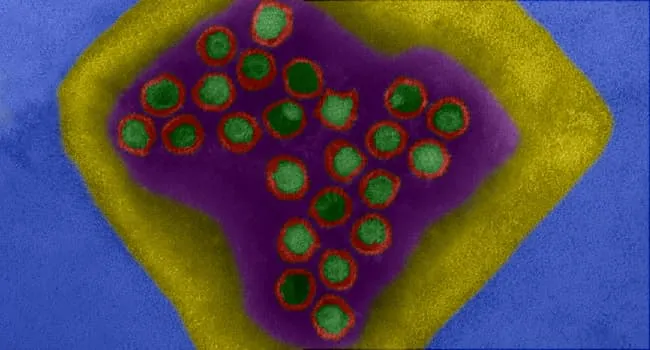
Credit: www.webmd.com
When To Seek Medical Advice
Knowing when to seek medical advice about herpes is important. Herpes symptoms can vary, and early care helps manage the condition better.
Some signs need prompt attention. Ignoring symptoms may cause complications or spread the virus to others. Understanding these signs can guide you to get help on time.
Signs Of A Herpes Outbreak
Look for red, painful blisters or sores on the skin. These usually appear on or near the genitals, mouth, or other parts of the body. The sores may itch or burn before they show up.
Severe Or Worsening Symptoms
Seek medical help if sores do not heal within two weeks. If pain or swelling increases, it might indicate a more serious infection. Fever, body aches, or swollen lymph nodes also need attention.
Difficulty With Daily Activities
When sores make urination or walking painful, talk to a doctor. Difficulty eating or swallowing due to mouth sores requires medical advice. These problems need treatment to avoid further issues.
First-time Herpes Diagnosis
Consult a healthcare provider if you have never had herpes symptoms before. A proper diagnosis helps confirm the virus type and guides treatment options. Early diagnosis can reduce outbreaks and spread.
Concerns About Transmission
Ask a doctor if you worry about spreading herpes to a partner. Medical advice can include ways to reduce risk during outbreaks and times without symptoms. Protecting others is key to managing herpes.

Credit: www.hindustantimes.com
Frequently Asked Questions
Can Herpes Virus Live On Clothes?
Herpes virus can survive briefly on clothes but dies quickly. It needs moisture and warmth to stay infectious. Dry fabric reduces its lifespan, making transmission through clothes highly unlikely.
How Long Does Herpes Survive On Fabric?
Herpes virus survives only a few hours on fabric. Its survival depends on temperature and humidity. Generally, it becomes inactive once the fabric dries.
Can Herpes Spread Through Sharing Clothes?
Herpes transmission through sharing clothes is very rare. The virus does not thrive long on dry surfaces. Direct skin contact is the primary transmission mode.
How To Disinfect Clothes From Herpes Virus?
Wash clothes in hot water with detergent to kill herpes virus. Drying clothes completely also helps eliminate the virus. Avoid sharing clothes during an active outbreak.
Conclusion
Herpes virus does not live long on clothes. It needs a warm, moist place to stay alive. Dry fabric does not support the virus well. Washing clothes with soap and water removes germs easily. Avoid sharing clothes during an outbreak to be safe.
Clean clothes help reduce any small risk of spreading. Remember, good hygiene protects you and others. Stay informed and take simple steps to stay healthy.

