
Have you ever wondered if the clothes you wear can carry the Covid virus? You touch your jacket, your pants, or your favorite shirt every day, but could these items be hiding something dangerous?
Knowing whether Covid survives on clothing is important for keeping you and your loved ones safe. You’ll discover simple facts and smart tips that will help you feel more confident about your daily routine. Keep reading to learn what you need to know to protect yourself without unnecessary worry.
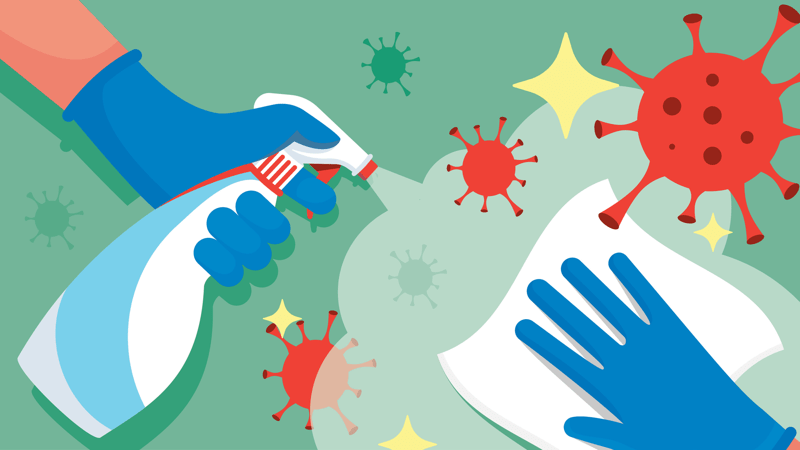
Credit: health.clevelandclinic.org
Virus Lifespan On Fabrics
Understanding how long the Covid virus can survive on fabrics is key to managing your daily interactions with clothing. The virus doesn’t live the same amount of time on every fabric, and many factors influence its lifespan. Knowing these details can help you make safer choices about handling your clothes and laundry.
Factors Affecting Survival
The lifespan of the virus on fabric depends on several factors. The amount of virus initially present plays a big role—more virus means a longer survival time. How often the fabric is touched or moved can reduce the virus’s ability to stay alive.
Another important factor is how quickly the virus dries out on the surface. Virus particles need moisture to survive, so dry fabrics tend to reduce the lifespan of the virus. Have you ever noticed how damp clothes feel colder? That moisture can sometimes help the virus last longer.
Different Fabric Types
Not all fabrics are created equal when it comes to virus survival. Smooth fabrics like polyester or nylon can allow the virus to survive longer because moisture stays on the surface. On the other hand, natural fibers such as cotton tend to absorb moisture, which can help reduce the virus’s life.
Studies show the virus may survive on synthetic fabrics for up to 2-3 days, while on cotton, it often lasts less than 24 hours. Think about your favorite t-shirt or jacket—how often do you wash those? Frequent washing can greatly reduce any risk from lingering virus particles.
Impact Of Temperature And Humidity
Temperature and humidity have a strong effect on how long Covid survives on fabrics. Higher temperatures tend to shorten the virus’s lifespan, while cooler conditions may help it persist longer. If you leave clothes outside on a warm, sunny day, you’re likely reducing the risk significantly.
Humidity also matters. Low humidity dries out the virus quickly, but very high humidity can sometimes protect it. This means that in dry indoor environments, virus survival on fabric might be shorter compared to damp, humid places. Have you ever noticed your clothes feeling damp in humid weather? That could mean the virus sticks around a little longer.

Credit: www.goodrx.com
Transmission Risks From Clothing
Understanding the transmission risks of Covid from clothing is essential to protect yourself and those around you. Clothes come into contact with various environments and people throughout the day, but how likely are they to carry and transfer the virus? Let’s break down the factors that influence this risk so you can make informed decisions about handling and washing your garments.
How Virus Transfers To Skin
The virus can land on your clothing from droplets in the air or by touching contaminated surfaces. However, it must then transfer from the fabric to your skin to pose a real risk. This usually happens when you touch your clothes and then touch your face, especially your mouth, nose, or eyes.
Think about a time you absentmindedly adjusted your shirt or jacket. That simple act could be enough to move viral particles from fabric to your hands. Washing hands after handling outerwear reduces this risk significantly.
Role Of Contact Frequency
The more often you touch a piece of clothing, the higher the chance the virus could transfer. Items like jackets, scarves, or frequently worn uniforms may pose more risk than clothes worn briefly or just once. Your habits matter here: do you often run your fingers through your hair or fiddle with your sleeves?
Frequent contact combined with touching your face creates a pathway for infection. Minimizing unnecessary contact with your clothing and practicing good hand hygiene can cut down this risk effectively.
Comparison With Other Surfaces
Clothing is porous and absorbs moisture, which can reduce the virus’s survival time compared to hard surfaces like doorknobs or phones. Studies show Covid survives shorter on fabrics than on plastic or stainless steel.
Still, it’s easier to clean a phone or countertop thoroughly than to sanitize your clothes on the go. This is why regular washing of garments, especially after public outings, is a practical step to keep your environment safer.
What changes can you make today in how you handle your clothes after being outside? Small habits can make a big difference in reducing transmission risks from your everyday wear.
Effective Cleaning Methods
Effective cleaning methods help reduce the risk of Covid lingering on clothing. Proper care removes viruses and keeps fabrics safe to wear. Knowing the right steps for washing, drying, and disinfecting is key. This section explains simple ways to clean clothes thoroughly and protect your health.
Washing Techniques
Wash clothes in warm or hot water to kill viruses. Use the longest wash cycle available. Separate heavily soiled clothes from others. Avoid shaking dirty laundry to prevent spreading germs. Hand wash delicate items with soap and water. Always wash your hands after handling dirty clothes.
Recommended Detergents And Disinfectants
Use regular laundry detergent, which breaks down virus particles effectively. For extra protection, add a disinfectant safe for fabrics. Look for products with ingredients like hydrogen peroxide or sodium hypochlorite. Avoid bleach on colored clothes to prevent damage. Follow label instructions carefully to ensure safety and effectiveness.
Drying And Ironing Benefits
Dry clothes completely using a dryer or sunlight. Heat helps destroy viruses left on fabric. Ironing clothes can also kill remaining germs. Use the highest safe heat setting for your fabric type. Both drying and ironing reduce the chance of Covid surviving on clothes.
Precautions For Handling Clothes
Handling clothes during the Covid pandemic requires care to reduce any risk of virus transmission. Even though Covid doesn’t survive long on fabric, taking simple precautions can keep you and your family safer. Let’s look at practical ways to manage your clothing with confidence and ease.
Safe Removal Practices
When you come home, consider removing your outerwear right at the door. Avoid shaking clothes, which could release particles into the air. Instead, fold or hang them gently.
If you’ve been in crowded places, wash your hands immediately after handling your clothes. This small habit helps stop any germs from spreading to other surfaces.
Storage Guidelines
Store clean and worn clothes separately to avoid cross-contamination. Use different baskets or bins marked clearly for dirty laundry.
Keep your clothes in a well-ventilated space. Air circulation helps reduce any lingering particles on fabric.
When To Avoid Sharing Clothing
Sharing clothes might feel harmless, but it can increase the risk of spreading viruses. Avoid sharing items like scarves, hats, or jackets, especially if someone is unwell or has recently been exposed to Covid.
Think about your last time wearing a shared item—could it have picked up germs you weren’t aware of? Being cautious here is a small price for keeping yourself and others safe.
Myths And Facts About Clothing Contamination
There’s a lot of confusion around whether Covid can survive on your clothes and how risky it really is. Some believe your jacket or pants could carry the virus for hours, while others think it’s not a concern at all. Sorting out fact from fiction helps you make smarter choices about laundry and daily habits.
Common Misconceptions
Many people worry that touching or wearing contaminated clothing will infect them. You might have heard that the virus lingers on fabric for days, making your clothes a hidden danger. Some even think that just stepping outside in certain outfits increases risk drastically.
These ideas can cause unnecessary stress and lead to over-cleaning or avoiding social interactions. But is it really true that your clothes are a major source of infection? What does real science say about these fears?
Scientific Evidence
Research shows that while Covid can survive on surfaces, its lifespan on fabrics is much shorter and less concerning. The virus struggles to stay active on porous materials like cotton, which absorb moisture and reduce viral viability. Studies found that the virus usually becomes inactive on clothing within a few hours.
Transmission through clothes is considered very low risk compared to airborne droplets or close contact. Even if viral particles land on fabric, the chance of them infecting you through casual contact is minimal. Washing clothes with regular detergent further reduces any potential threat effectively.
Expert Recommendations
Health experts suggest focusing on regular hygiene rather than obsessing over your wardrobe. They recommend washing clothes after outings or if you’ve been in crowded places, but not more frequently than usual. Using normal detergent and warm water is enough to keep your clothing safe.
Think about your daily routine: Is your clothing visibly soiled or exposed to high-risk environments? If not, there’s no need to over-clean. Experts emphasize washing hands regularly and wearing masks in crowded places as more important steps than stressing about your clothes.
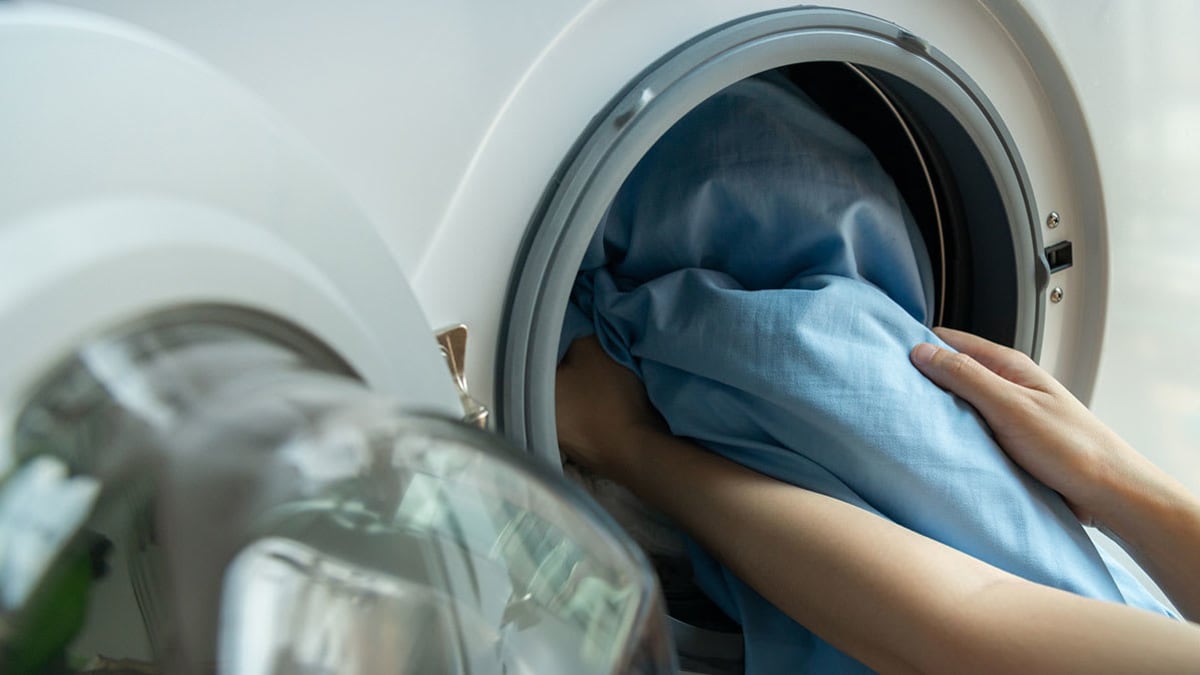
Credit: www.consumerreports.org
Frequently Asked Questions
How Long Does Covid Survive On Clothing Surfaces?
Covid can survive on clothing for a few hours to days. Fabric type and environmental conditions affect virus survival time. Porous materials like cotton reduce virus lifespan faster than synthetic fibers. Washing clothes with detergent effectively removes and kills the virus.
Can Covid Spread Through Touching Contaminated Clothes?
Touching contaminated clothes may pose a low risk of Covid transmission. The virus needs to transfer from fabric to hands, then face. Frequent hand washing and avoiding face touching reduce this risk. Proper laundry hygiene is important to prevent spread.
What Is The Best Way To Disinfect Covid On Clothes?
Washing clothes with hot water and detergent is the best method. Heat and soap effectively kill the virus on fabric. Use the highest safe temperature for the fabric. Drying clothes thoroughly also reduces virus presence significantly.
Should I Quarantine Clothes After Possible Covid Exposure?
Quarantining clothes is generally unnecessary if washed properly. Washing and drying kill the virus efficiently. For extra caution, leave clothes untouched for 24 hours before washing. Regular laundry practices are sufficient for preventing Covid transmission.
Conclusion
Covid does not last long on clothing. The virus fades quickly with time and washing. Regular laundry with soap helps keep clothes safe. Avoid touching your face after handling worn clothes. Staying clean and washing hands often reduce risks. Clothes are less likely to spread Covid than surfaces.
Simple hygiene steps protect you and those around. Stay calm and follow health advice for safety. Small habits make a big difference in stopping the virus.

