When disaster strikes, having the right tools can make all the difference between panic and peace of mind. You might be wondering, what is the best 72 hour survival kit to keep you and your loved ones safe?
Choosing the perfect kit isn’t just about packing random items—it’s about having reliable gear that covers all your basic needs for three critical days. You’ll discover exactly what to look for in a survival kit, why some kits stand out from the rest, and how to pick one that fits your unique situation.
Stay with me, because your safety could depend on what you learn next.

Credit: www.amazon.com
Essentials In A 72 Hour Kit
A 72 hour survival kit holds the key to staying safe during emergencies. It contains all the necessary items to support basic needs. A well-stocked kit boosts confidence and readiness. Understanding the essentials helps build a reliable kit. Each item plays a vital role in survival.
Water And Hydration Tools
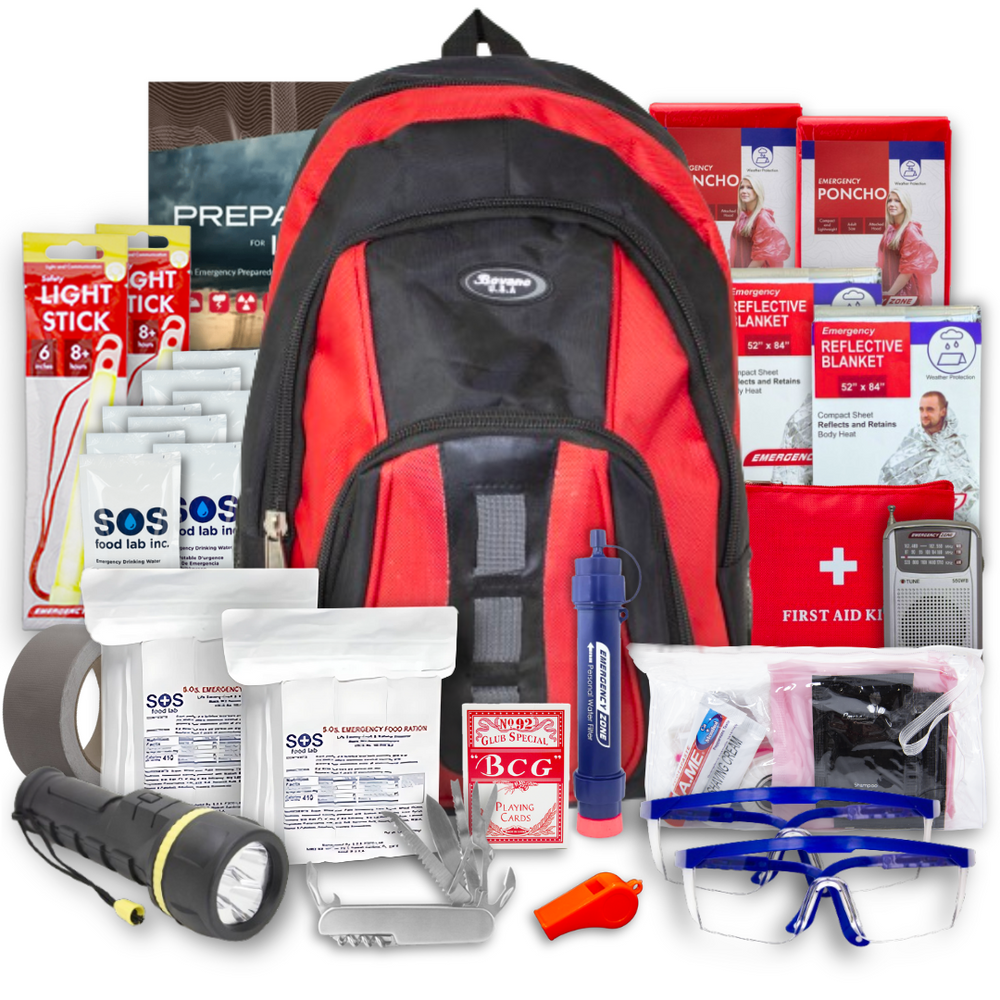
Water is the most important survival need. Include at least one gallon per person per day. Pack portable water filters or purification tablets. These remove harmful bacteria and make water safe. Collapsible water bottles save space and are easy to carry. Hydration packs or water pouches provide convenience on the move.
Food And Nutrition
Food supplies must last for three days. Choose non-perishable, high-energy items like energy bars and dried fruits. Freeze-dried meals are lightweight and have long shelf life. Include some comfort snacks to boost morale. Pack a manual can opener for canned goods. Avoid foods needing refrigeration or cooking with complex tools.
Shelter And Warmth
Protection from weather keeps health intact. Include a compact emergency blanket or sleeping bag. A lightweight tarp or tent adds extra shelter. Pack a poncho for rain protection. Add gloves and a warm hat to prevent heat loss. Consider hand warmers for cold conditions.
First Aid Supplies
Basic medical supplies handle minor injuries. Pack adhesive bandages, gauze pads, and antiseptic wipes. Include pain relievers and allergy medications. Add tweezers and scissors for wound care. A first aid manual helps treat injuries correctly. Keep supplies organized in a waterproof pouch.
Tools And Equipment
Essential tools increase survival chances. A multi-tool includes knife, pliers, and screwdriver. Pack a reliable flashlight with extra batteries. Waterproof matches or a fire starter ignite fires easily. Include duct tape for quick repairs. A whistle signals for help in emergencies.

Credit: www.amazon.com
Criteria For Choosing A Kit
Choosing the best 72 hour survival kit means focusing on key factors. These factors ensure the kit meets your needs during emergencies. Each criterion helps you pick a reliable and practical kit.
Portability And Weight
The kit must be easy to carry. Lightweight kits reduce strain during travel. Compact size fits well in backpacks or cars. Portability ensures quick access in urgent situations.
Durability And Quality
Strong materials protect contents from damage. Water-resistant or waterproof bags keep supplies dry. High-quality items last longer and work better. Check for sturdy zippers and seams.
Content Variety
The kit should include essential survival tools. Food, water, first aid, and shelter items are key. Variety increases chances of handling different emergencies. Look for balanced and practical supplies.
Ease Of Use
Items must be simple to operate. Clear instructions help during stress. Avoid complicated tools that need special skills. Easy-to-use kits save time and reduce confusion.
Cost Considerations
Price should match the kit’s quality and contents. Affordable kits can still offer good value. Avoid very cheap kits with poor supplies. Investing wisely ensures safety without overspending.
Top 72 Hour Survival Kits
Choosing the right 72 hour survival kit can make a big difference in an emergency. These kits contain essential tools and supplies. They help you stay safe, fed, and hydrated for three days. The best kits combine quality, size, and contents.
Here are some top 72 hour survival kits for different needs. Each kit offers unique benefits for various situations and budgets.
Best Overall Kit
This kit covers all basic survival needs. It includes food, water, first aid, and shelter items. The contents are well balanced for most emergencies. The pack is durable and easy to carry.
Best Budget-friendly Option
This kit offers essential supplies at a low cost. It focuses on the most needed items without extras. Perfect for those on a tight budget. Lightweight and compact, easy to store.
Best For Extreme Conditions
Designed for harsh environments and severe weather. Contains advanced tools like thermal blankets and water purification. Built tough to withstand rough use. Ideal for mountain or desert survival.
Best Lightweight Kit
Compact and easy to carry for quick escapes. Contains only the most crucial items. Great for hikers and travelers who need to stay light. Fits easily in a backpack or car glove box.
Best For Families
Includes supplies for multiple people and children. More food and water for longer use. Larger first aid kit with child-friendly items. Designed to keep families safe and comfortable.

Credit: www.amazon.com
Customizing Your Survival Kit
Customizing your 72-hour survival kit makes it truly useful for your needs. A one-size-fits-all kit might miss vital items you require. Tailoring it ensures you carry what matters most. This increases your chances of staying safe and comfortable in an emergency.
Adding Personal Items
Include items you use daily and cannot do without. Examples are prescription medicines, glasses, or contact lenses. Add copies of important documents like ID or insurance cards. Pack a small notebook and pen for notes or messages. Familiar snacks or comfort items can ease stress during tough times.
Adjusting For Climate
Consider the weather where you live or might travel. In cold climates, add extra warm clothing, gloves, and a thermal blanket. In hot areas, include sunblock, a wide-brimmed hat, and extra water. Rainy regions need a compact rain jacket and waterproof bags. Adjust sleeping gear for the season to stay comfortable.
Including Special Needs Supplies
Think about family members’ unique requirements. Carry baby formula, diapers, and wipes for infants. Include hearing aids, batteries, or mobility aids for elderly or disabled persons. Pack allergy medicines or an EpiPen if needed. Tailor the kit for pets with food, water, and leashes.
Maintenance And Storage Tips
Keeping your 72-hour survival kit ready is just as important as assembling it. Without regular maintenance and smart storage, your kit could fail when you need it most. Let’s look at how you can keep your supplies fresh, accessible, and reliable.
Regular Kit Checks
Checking your survival kit regularly ensures everything works and nothing is expired. Set a reminder every three to six months to review your supplies.
Look for items with expiration dates like food, water, and medications. Replace anything expired or damaged immediately.
Test tools like flashlights and radios to confirm they still function. This habit prevents surprises during emergencies.
Proper Storage Locations
Where you store your kit affects its condition and your ability to grab it quickly. Choose a cool, dry place to avoid moisture damage.
Keep the kit near an exit or in a place everyone in your household can easily reach. Avoid areas with extreme temperatures or direct sunlight.
Think about accessibility during a power outage or if you need to evacuate fast. Could you reach your kit with your eyes closed?
Updating Supplies
Your needs change over time, so your kit should too. Add items based on seasonal changes, new family members, or health requirements.
Swap out expired food and water regularly. Rotate stock so you always have fresh supplies on hand.
Consider adding new technology or updated tools that improve your preparedness. Staying current can make a big difference in an emergency.
Frequently Asked Questions
What Should A 72 Hour Survival Kit Include?
A 72 hour survival kit should include water, non-perishable food, a first aid kit, flashlight, multi-tool, and emergency blanket. These essentials help you stay safe, hydrated, and nourished during emergencies or natural disasters.
How Much Water Is Needed For A 72 Hour Kit?
You need at least one gallon of water per person per day. For a 72 hour kit, pack three gallons to ensure proper hydration during emergencies.
Can I Buy A Ready-made 72 Hour Survival Kit?
Yes, ready-made kits are available online and in stores. However, customize them to fit your specific needs and local conditions for better preparedness.
How Often Should I Update My 72 Hour Survival Kit?
Check and update your kit every six months. Replace expired food, batteries, and medical supplies to ensure everything stays functional and fresh.
Conclusion
Choosing the best 72 hour survival kit helps you stay ready for emergencies. A good kit includes water, food, first aid, and tools for shelter. Keep it updated and check supplies often. Practice using your kit so you feel confident.
Being prepared brings peace of mind. Stay safe by having what you need close at hand. A small effort today can make a big difference tomorrow. Survival kits protect you when help is far away. Simple steps can keep you and your family secure.