When a hurricane is heading your way, being prepared can make all the difference. You might think you have enough time to gather what you need, but the truth is, storms can change plans fast.
Having a well-stocked hurricane survival kit ready before the winds start to blow can keep you and your loved ones safe and comfortable. You’ll discover exactly what essentials you should have in your kit—items that could protect your health, keep you nourished, and even save your life.
Don’t wait for the storm to hit; take control now by knowing what to pack for your hurricane survival kit. Keep reading to make sure you’re truly ready.
Water And Hydration Supplies
Water is the most critical item in any hurricane survival kit. Without clean drinking water, your health can quickly deteriorate. Planning ahead for hydration needs ensures you stay safe and strong during and after a storm.
Bottled Water Quantity
Experts recommend storing at least one gallon of water per person per day. This amount covers drinking, cooking, and basic hygiene. Think about how many days you might be without power or water service—usually three to seven days is a safe estimate.
For example, a family of four should have at least 12 to 28 gallons ready. It might feel like a lot, but running out of water can lead to dehydration and serious health problems. Don’t forget to consider pets if you have any—they need water too.
Water Purification Options
Having bottled water is great, but what if you run out? You need backup plans to purify water from other sources. Portable water filters, purification tablets, and even household bleach can help make water safe to drink.
- Portable Filters:Devices like LifeStraw or Sawyer Mini remove bacteria and protozoa instantly.
- Purification Tablets:Easy to carry and effective against viruses and bacteria.
- Bleach:Use unscented chlorine bleach—add 8 drops per gallon, stir, and wait 30 minutes.
Have you tested your water purifier before? Knowing how to use these tools properly can save your life. Practicing ahead ensures you won’t waste precious time during an emergency.
Non-perishable Food Items
Non-perishable food items are essential for a hurricane survival kit. They last long without refrigeration. These foods provide energy and nutrition during emergencies. Choose items that are easy to store and prepare. Pack enough to last several days. Focus on foods that do not spoil quickly.
Ready-to-eat Meals
Ready-to-eat meals save time and effort. These meals come in cans, pouches, or vacuum-sealed packs. They require no cooking or minimal heating. Examples include canned soups, pasta, and rice dishes. Choose meals with balanced nutrients. Look for options rich in protein and fiber. Store meals in a cool, dry place to keep them fresh.
High-energy Snacks
High-energy snacks keep you fueled between meals. Pick snacks that provide quick energy and lasting fullness. Good choices include nuts, trail mix, granola bars, and dried fruits. These snacks are lightweight and easy to carry. They also help maintain blood sugar levels. Pack a variety of flavors to avoid boredom. Check expiration dates regularly and replace old items.
First Aid Essentials
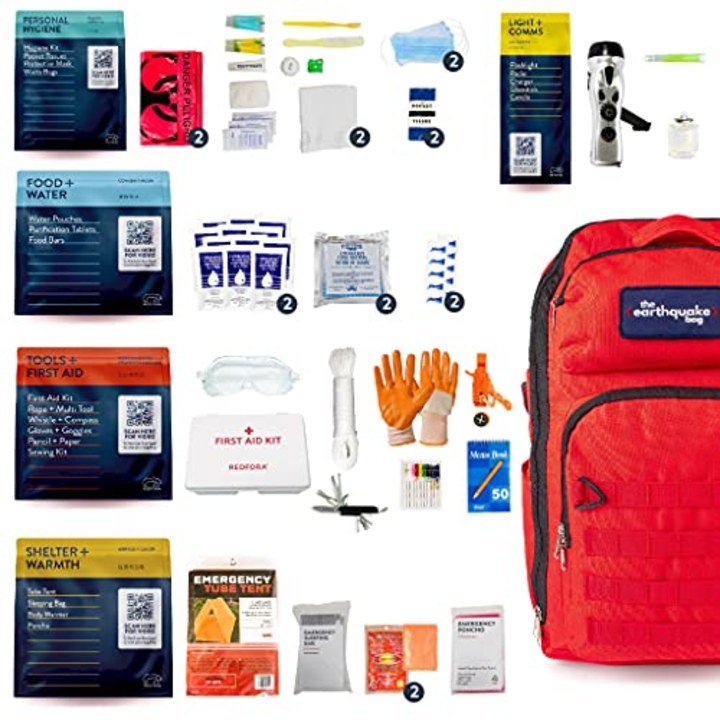
First aid essentials are a crucial part of a hurricane survival kit. Injuries can happen during storms. Quick access to medical supplies can prevent complications. Your kit should have items to treat minor wounds and handle common health issues. Being prepared helps keep everyone safe and calm.
Basic Medical Supplies
- Adhesive bandages in various sizes
- Sterile gauze pads and adhesive tape
- Antiseptic wipes or solution
- Hydrogen peroxide for cleaning wounds
- Antibiotic ointment to prevent infection
- Elastic bandages for sprains or strains
- Scissors and tweezers
- Disposable gloves for hygiene
- Thermometer to check for fever
- Instant cold packs for swelling
Medications And Prescriptions
Include over-the-counter pain relievers like ibuprofen or acetaminophen. Have antihistamines for allergic reactions. Stock anti-diarrheal and anti-nausea medicines. Keep a supply of any prescribed medications. Store them in waterproof containers. Update your kit regularly to replace expired drugs. Remember, having enough medicine for several days is vital.
Credit: www.nbcnews.com
Tools And Equipment
Having the right tools and equipment in your hurricane survival kit can make a huge difference during an emergency. These items help you manage power outages, perform quick repairs, and stay safe in unpredictable situations. Think of them as your hands-on support when everything else is uncertain.
Flashlights And Batteries
Flashlights are essential when the power goes out. They provide reliable light without the fire risk that candles pose. Keep several flashlights in your kit, and always pack extra batteries to avoid being left in the dark.
Choose LED flashlights for longer battery life and brighter light. Rechargeable options can save money, but ensure you have backup batteries just in case. Have you ever been caught without fresh batteries when you needed a flashlight the most? That’s a mistake you want to avoid.
Multi-tools And Utility Items
A good multi-tool can serve many purposes—from opening cans to fixing broken gear. It’s like having a small toolbox that fits in your pocket. Look for one that includes a knife, pliers, screwdriver, and scissors.
Other handy utility items include duct tape, zip ties, and a manual can opener. These simple tools can help patch leaks, secure loose items, or prepare food when power is out. Imagine trying to fix a torn tarp without duct tape—frustrating and sometimes impossible.
Communication Devices
Communication is vital during a hurricane. Power outages often disrupt regular channels. Having reliable communication devices helps you stay informed and connected. These devices can provide updates, emergency alerts, and a way to reach loved ones or responders.
Battery-powered Radios
Battery-powered radios are essential in a hurricane survival kit. They work without electricity. You can receive weather updates and emergency broadcasts. Choose radios with NOAA weather band features for specific alerts. Keep extra batteries on hand. This device keeps you informed when phones or internet fail.
Chargers And Backup Power
Chargers and backup power sources keep communication devices running longer. Portable power banks can recharge phones multiple times. Solar chargers offer renewable energy when outlets are unavailable. Include car chargers and extra charging cables. These ensure your devices stay powered during extended outages.
Personal Hygiene Items
Personal hygiene items are essential for health during a hurricane. They keep you clean and help prevent illness. These items ensure comfort when access to water is limited. Pack enough supplies for everyone in your household. Focus on basics that cover sanitation and moisture control.
Sanitation Supplies
- Toilet paper – a must-have for hygiene and comfort
- Sanitary wipes – useful for quick cleaning without water
- Hand sanitizer – kills germs when soap and water are unavailable
- Disposable gloves – protect hands from contamination
- Trash bags – keep waste contained and areas clean
- Feminine hygiene products – essential for women’s health
- Plastic bags – for storing used or dirty items safely
- Soap bars or liquid soap – basic cleaning for hands and body
Moisture Control Products
- Absorbent towels – dry off after washing or sweat
- Travel-size deodorant – helps reduce body odor
- Moisturizing lotion – prevents skin from drying out
- Dry wipes – for hands and face without water
- Powder – keeps skin dry and comfortable
- Extra socks – dry feet reduce risk of infection
Clothing And Shelter
Clothing and shelter are vital in a hurricane survival kit. They protect from harsh weather and keep the body safe. Proper clothing prevents injury and illness. Shelter offers a safe place during storms. Preparing these items helps maintain warmth and dryness.
Protective Clothing
Choose sturdy clothes that resist water and wind. Long sleeves and pants shield against cuts and scrapes. Waterproof jackets and boots keep you dry in heavy rain. Include gloves to protect your hands from sharp debris. Pack extra socks and underwear for comfort and hygiene. Bright colors help rescuers spot you easily. Avoid cotton; it holds moisture and chills the body.
Emergency Blankets And Tents
Emergency blankets retain body heat and block wind. They are lightweight and compact for easy storage. Use them to stay warm in cold or wet conditions. A portable tent provides shelter from rain and debris. Choose tents that are quick to set up and durable. Make sure the tent is waterproof and wind-resistant. Both items create a safe, dry space to rest. Carry stakes and ropes to secure the tent firmly.

Credit: www.amazon.ca
Important Documents And Cash
Having important documents and cash ready in your hurricane survival kit can make a huge difference when disaster strikes. These items help you prove your identity, access services, and handle emergencies smoothly. Without them, you might face unnecessary delays or complications during evacuation or recovery.
Waterproof Document Storage
Protect your essential documents by storing them in waterproof containers or sealed plastic bags. Important papers include passports, birth certificates, insurance policies, medical records, and property deeds.
Think about how frustrating it would be to lose these papers after a flood or heavy rain. A small waterproof pouch can save you hours of hassle and stress. It’s also smart to keep digital copies on a secure cloud service or a USB drive stored separately.
Emergency Funds
Cash is king during power outages when ATMs and card readers might not work. Keep a reasonable amount of small bills and coins ready in your survival kit.
Consider how many places might not accept cards after a storm. You might need cash for gas, food, or temporary shelter. Having emergency funds on hand ensures you won’t be stuck without options when you need them most.
Special Needs Considerations
Special needs require careful thought during hurricane preparation. A survival kit must fit unique health and comfort needs. Planning ahead ensures safety and peace of mind for everyone.
Infants And Children
Babies and young kids need specific items in the kit. Include plenty of diapers, wipes, and formula or baby food. Bring extra bottles and pacifiers to soothe them. Pack a favorite toy or blanket for comfort. Keep a small first aid kit with child-safe medicine. Ensure all food and supplies are easy to carry and use.
Pets And Service Animals
Pets and service animals need their own supplies too. Carry enough food and water for several days. Pack a leash, harness, and waste bags for dogs. Include any medicines or special care items. Bring vaccination records and identification tags. Create a safe space with a familiar blanket or bed. Plan for their emotional and physical needs during evacuation.

Credit: www.schoolhealth.com
Frequently Asked Questions
What Essential Items Should A Hurricane Survival Kit Include?
A hurricane survival kit should include water, non-perishable food, flashlight, batteries, first aid supplies, and a radio. These items help you stay safe and informed during power outages and emergencies.
How Much Water Is Needed In A Hurricane Survival Kit?
You should store at least one gallon of water per person daily. Plan for a minimum of three days to stay hydrated during a hurricane.
Why Are Batteries Important In A Hurricane Kit?
Batteries power flashlights, radios, and other essential devices. They ensure you stay informed and have light when electricity is unavailable.
Should I Include Important Documents In My Hurricane Kit?
Yes, keep copies of IDs, insurance papers, and medical records in a waterproof container. This helps with recovery after the storm.
Conclusion
A hurricane survival kit can keep you safe during storms. Pack water, food, and first aid supplies. Don’t forget a flashlight and extra batteries. Keep important documents in a waterproof bag. Prepare your kit before hurricane season starts. Check and update your supplies often.
Being ready helps reduce stress and risk. Stay calm and follow safety plans. Your kit is a key part of staying safe. Simple steps today protect you tomorrow.