Have you ever wondered how long chickenpox germs can hang around on your clothes? If someone in your home has chickenpox, you might worry about catching it just from touching your laundry.
Understanding how long the virus stays alive on fabric can help you protect yourself and your loved ones. You’ll discover surprising facts about the chickenpox virus’s survival on clothes and learn simple steps to keep your family safe. Keep reading to find out what you need to know to stop chickenpox from spreading in your home.

Credit: www.healthline.com
Chicken Pox Virus Basics
Understanding the basics of the chicken pox virus helps you grasp how it behaves outside the body, especially on everyday items like clothes. Knowing what causes chicken pox and how it spreads can guide you in preventing infection in your home or workplace. Let’s dive into these essentials to clear up common concerns.
What Causes Chicken Pox
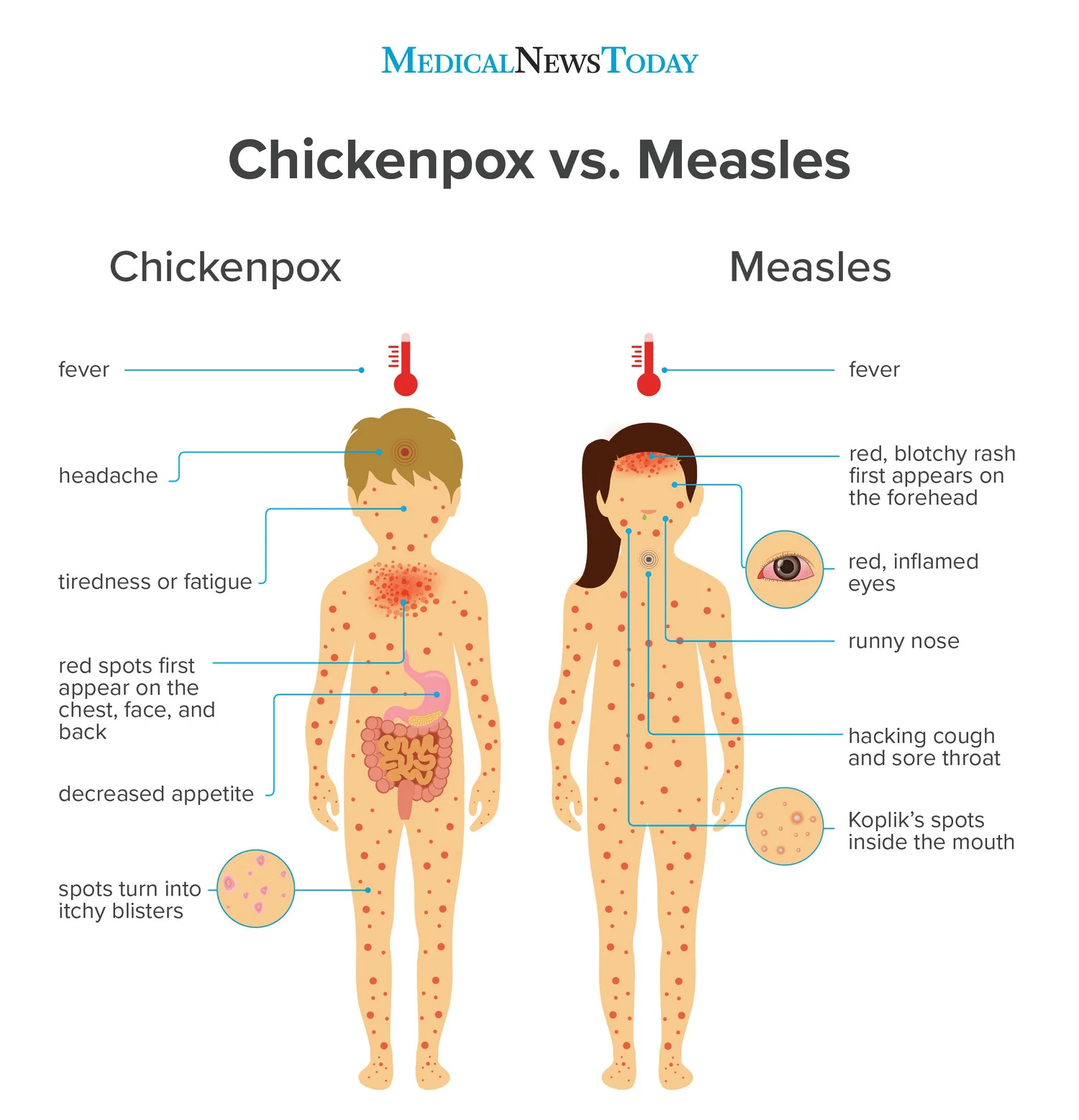
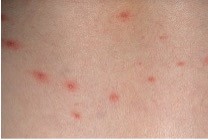
Chicken pox is caused by the varicella-zoster virus (VZV). This virus belongs to the herpes family and primarily targets the skin and nerves. Once infected, you develop those characteristic itchy red spots and blisters.
Interestingly, the virus can stay dormant in your body for years and might reactivate later as shingles. This means even after recovery, the virus doesn’t fully leave your system.
Transmission Methods
Chicken pox spreads mainly through respiratory droplets when an infected person coughs or sneezes. You can catch it by breathing in the virus or by touching surfaces contaminated with it.
Clothes can carry the virus, but it doesn’t survive very long outside the body. Typically, the virus lives on fabric for a few hours at most. This means fresh sweat or respiratory droplets on clothes can pose a risk shortly after contact.
- Direct skin contact with chicken pox blisters is highly contagious
- Airborne droplets can infect you even without direct contact
- Touching clothes recently worn by someone infected can transfer the virus
Have you ever wondered if your laundry routine affects your chances of catching chicken pox? Washing clothes promptly with hot water and detergent effectively removes the virus, reducing risk significantly.
Credit: www.calpol.co.uk
Virus Survival On Fabrics
Chickenpox virus can linger on your clothes longer than you might expect. Understanding how long it survives on fabrics helps you take the right steps to protect yourself and others. Let’s look closely at what affects the virus’s survival and how different materials play a role.
Factors Affecting Survival
The virus’s survival on fabrics depends on several factors. Moisture plays a big role—viruses usually live longer in damp environments. Temperature is another key point; cooler conditions help the virus stay alive, while heat shortens its lifespan.
Fabric type matters too. Rough, porous materials can trap the virus better than smooth ones. Exposure to sunlight or disinfectants quickly reduces the virus’s ability to infect. Have you ever wondered why some clothes feel safer to wear after washing than others?
Duration On Different Materials
| Fabric Type | Approximate Virus Survival Time | Notes |
|---|---|---|
| Cotton | Up to 24 hours | Breathable but can hold moisture, allowing the virus to survive longer |
| Polyester | Less than 12 hours | Smoother surface causes quicker drying and shorter virus lifespan |
| Wool | Up to 48 hours | Dense fibers retain moisture, prolonging virus survival |
| Silk | Less than 6 hours | Natural proteins and smooth texture reduce virus viability |
Knowing these times can help you decide when to wash or isolate clothes after exposure. If you’re unsure about the fabric, err on the side of caution and clean it promptly. How often do you check your clothes for contamination after being around someone sick?
Risks Of Transmission Via Clothes
Chicken pox is highly contagious. People often worry about catching it from clothes. Understanding how the virus can survive on fabric helps reduce risks. Clothes can carry the virus for a short time after exposure. The risk depends on how the virus travels and how long it stays active.
Contagiousness Through Fabric Contact
The chicken pox virus spreads mainly through direct contact with blisters or saliva. The virus can survive on clothes for a few hours. It does not live long on dry surfaces like fabric. Touching contaminated clothes and then touching your face may cause infection. The risk is lower than direct contact but still possible.
Common Scenarios Of Spread
- Sharing clothes or towels with an infected person.
- Wearing clothes recently worn by someone with chicken pox.
- Contact with contaminated bedding or soft toys.
- Handling laundry without washing hands afterward.
These situations increase the chance of the virus passing from clothes to skin. Washing clothes with hot water and detergent kills the virus. Avoid sharing personal items during the contagious period.
Effective Fabric Disinfection
Effective fabric disinfection is key to stopping chicken pox virus spread. The virus can survive on clothes for some time, so cleaning is vital. Proper disinfection kills the virus and prevents re-infection.
Focus on thorough washing, using disinfectants, and drying methods. Each step reduces the virus’s chance to survive on fabric. Clean clothes keep your family safe and healthy.
Washing Techniques
Use hot water for washing clothes, ideally above 60°C (140°F). Hot water kills most viruses, including chicken pox. Choose a good detergent to break down dirt and germs.
Wash clothes separately if someone is infected. Avoid shaking dirty clothes to stop virus particles from spreading. Clean washing machines regularly to prevent contamination.
Use Of Disinfectants
Add disinfectants that are safe for fabrics to the wash cycle. Chlorine bleach works well on white clothes. For colored fabrics, use oxygen-based bleach or other gentle disinfectants.
Always follow the product instructions. Using too much disinfectant can damage clothes. Disinfectants help destroy virus particles that detergents alone cannot remove.
Drying And Ironing Effects
Sun drying clothes helps kill viruses using natural UV rays. Dry clothes completely to stop moisture that supports virus survival. Avoid leaving damp clothes in piles.
Ironing clothes with high heat further kills remaining virus particles. Use steam or dry heat on all areas, especially seams and folds. Heat from ironing adds a strong layer of disinfection.
Preventive Measures
Taking preventive measures helps stop the spread of chicken pox through clothes. The virus can live on fabric for a short time, so careful handling is key. Cleanliness and hygiene reduce risks and keep everyone safer.
Handling Contaminated Clothes Safely
Wear gloves when touching clothes used by someone with chicken pox. Avoid shaking or tossing the clothes to stop virus particles from spreading in the air. Use hot water and strong detergent to wash the clothes. Dry them in direct sunlight or a hot dryer to kill the virus fully. Store clean clothes separately from contaminated ones. Clean laundry baskets and washing machines after use to remove any virus traces.
Personal Hygiene Tips
Wash hands often with soap and water, especially after handling clothes. Avoid touching your face, eyes, or mouth before washing hands. Keep nails short to prevent skin scratches that could spread the virus. Use hand sanitizer if soap and water are not available. Change and wash clothes daily if you have chicken pox. Shower regularly to remove virus particles from the skin and hair.
Myths And Facts
Many people have questions about how long chicken pox can survive on clothes. There are common myths that cause confusion. Understanding the facts helps keep you safe and informed.
Chicken Pox Virus Can Live Long On Clothes
Many believe the virus stays alive on clothes for days. The reality is different. The virus does not survive long outside the human body. On clothes, it usually lasts only a few hours.
Clothes Are A Major Source Of Infection
Some think clothes spread chicken pox easily. The main way to catch chicken pox is through the air. The virus spreads when an infected person coughs or sneezes. Clothes carry less risk compared to direct contact.
Washing Clothes Does Not Kill The Virus
Some say washing clothes is not enough. Normal washing with detergent and water kills the virus effectively. Hot water and drying also help remove germs. No need for special cleaning methods.
Touching Clothes Always Causes Infection
Touching clothes does not guarantee infection. The virus needs a way to enter the body. It usually enters through the nose, mouth, or eyes. Simply touching clothes is less risky if hands are clean.
Credit: www.calpol.co.uk
Frequently Asked Questions
How Long Does Chickenpox Virus Live On Clothes?
The chickenpox virus can survive on clothes for several hours to a few days. It depends on the fabric type and environment. Moist, warm conditions help the virus survive longer, while dry, cool conditions reduce its lifespan quickly.
Can Chickenpox Spread Through Contaminated Clothing?
Yes, chickenpox can spread through contaminated clothing if the virus is still active. Touching or sharing infected clothes may transfer the virus to your skin, increasing the risk of infection. Proper hygiene and washing clothes thoroughly can prevent this.
How To Disinfect Clothes Exposed To Chickenpox Virus?
To disinfect clothes exposed to chickenpox, wash them in hot water (at least 60°C/140°F). Use a strong detergent and dry them completely under direct sunlight or in a dryer. This process effectively kills the virus and reduces infection risk.
Is It Safe To Share Clothes During Chickenpox Outbreak?
No, sharing clothes during a chickenpox outbreak is unsafe. The virus can survive on clothes and transfer to others, causing infection. Avoid sharing clothes, towels, or bedding with infected individuals to prevent spreading the virus.
Conclusion
Chicken pox virus can stay on clothes for several hours to days. Cleaning clothes well helps remove the virus. Avoid sharing clothes during an outbreak to stop spread. Wash hands often and keep surfaces clean too. These steps reduce the risk of catching chicken pox.
Stay safe and keep your home healthy. Simple actions make a big difference.

