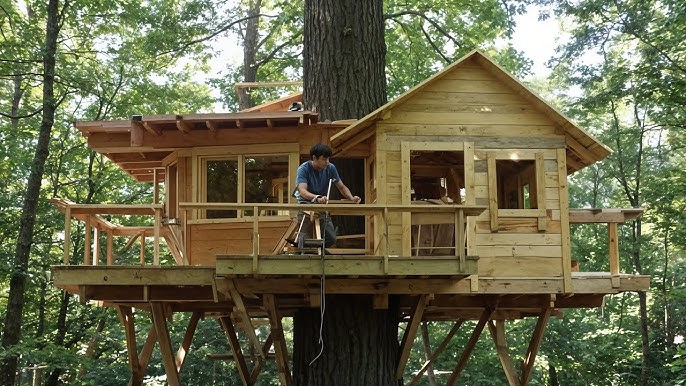
Have you ever wondered if your treehouse can stand strong against heavy rain, wind, or snow? You’ve put time and effort into building or choosing the perfect treehouse, and now you want to make sure it lasts through all kinds of weather.
What if a storm hits—will your treehouse hold up or fall apart? You’ll discover what really affects a treehouse’s survival in different weather conditions and learn simple steps to protect your special space. Keep reading to find out how to keep your treehouse safe and sound, no matter what the skies bring.

Credit: www.youtube.com
Treehouse Materials And Durability
Choosing the right materials for your treehouse is crucial if you want it to stand strong through storms, rain, and changing seasons. Durability depends on both the type of material and how well it handles moisture, wind, and temperature swings. Let’s look closer at what materials are common and what features help them last.
Common Materials Used
Wood is the top choice for most treehouses because it’s easy to work with and blends well with nature. Cedar and redwood are popular since they resist rot and insects better than regular pine. Pressure-treated lumber is another option, but it needs proper sealing to avoid chemical exposure.
Metal, like steel or aluminum, is sometimes used for framing or fasteners due to its strength and weather resistance. However, metal can heat up in the sun and may require insulation. Plywood and composite materials are also common for floors and walls, especially when treated to withstand moisture.
Weather-resistant Features
How can you make sure your treehouse materials survive the elements? Start by sealing wood with waterproof stains or paints that allow it to breathe but block water. Regular maintenance, such as reapplying sealants every year or two, extends the life of your structure.
Design choices also add durability. Overhangs protect walls from direct rain, and proper drainage prevents water pooling. Ventilation helps wood dry out after rain, reducing the chance of mold and decay.
Have you considered how fasteners can impact durability? Stainless steel screws resist rust better than regular nails, keeping your treehouse sturdy over time. Small details like these make a big difference in weather resistance.
Impact Of Rain And Moisture
Rain and moisture are the biggest challenges for any treehouse. Water can seep into wood, causing damage that affects the treehouse’s strength and safety. Understanding how rain and moisture impact your treehouse helps you protect it better.
Waterproofing Techniques
Applying a quality waterproof sealant is one of the simplest ways to protect your treehouse. Look for sealants designed for outdoor wood; they create a barrier that stops water from soaking in.
Adding a roof overhang or installing gutters can direct rainwater away from the structure. You can also use treated wood that resists water damage and decay. These steps help keep your treehouse dry and sturdy.
- Use waterproof paint or stain regularly to maintain protection.
- Check for cracks or gaps and seal them promptly.
- Install a vapor barrier beneath the floorboards to prevent moisture from rising.
Effects Of Prolonged Exposure
Even with waterproofing, constant exposure to rain and moisture can cause problems over time. Wood may warp, rot, or develop mold, which weakens the treehouse and creates health risks.
Metal fasteners can rust, leading to loose joints and structural instability. This slow deterioration often goes unnoticed until damage becomes severe.
Have you inspected your treehouse after heavy rains? Small signs like soft spots or a musty smell can alert you early. Regular maintenance keeps your treehouse safe and enjoyable for years to come.
Treehouse Resistance To Wind
Treehouses face unique challenges when it comes to resisting wind. Unlike traditional homes, they are elevated and often surrounded by fewer natural windbreaks. Understanding how treehouses stand firm against gusts is key to building one that lasts through storms and breezy days alike.
Structural Stability
The strength of a treehouse starts with its structure. Using sturdy support beams made from hardwood or treated lumber ensures your treehouse can handle pressure without bending or breaking.
Fastening the treehouse securely to multiple points on the tree or trees helps distribute wind forces evenly. This prevents stress from concentrating in one area, reducing the chance of damage.
Imagine your treehouse swaying gently instead of shaking wildly in the wind. Allowing some movement can actually protect it from strong gusts, much like a well-built suspension bridge.
Design Adaptations For Wind
Wind-resistance is not just about materials but also smart design choices. Sloped roofs, for example, reduce wind drag by letting air flow over smoothly instead of catching it like a flat surface.
Adding openings such as windows or vents lets wind pass through instead of pushing against solid walls. This reduces pressure and the risk of structural failure during storms.
Consider positioning your treehouse behind natural windbreaks like dense foliage or hills. If your location lacks these, adding artificial barriers such as screens or fences can help shield it from direct winds.

Credit: www.youtube.com
Handling Snow And Ice
Handling snow and ice is crucial for a treehouse’s safety and durability. Snow adds weight and moisture, which can strain the structure. Ice can cause slippery surfaces and damage wood parts. Proper care helps keep the treehouse stable and safe during winter.
Weight And Load Considerations
Snow accumulates on roofs and floors, increasing weight. A heavy load can bend or break supports. Treehouses must have strong beams and secure fasteners. Use materials designed to hold extra weight. Check the tree’s health; a weak tree cannot support much load. Remove excess snow regularly to reduce stress. Spread weight evenly across the structure.
Preventing Ice Damage
Ice causes wood to crack and metal to rust. Freeze-thaw cycles expand cracks and weaken joints. Keep surfaces clear by shaking off ice and snow. Use salt sparingly to avoid harming the tree. Cover exposed wood with weatherproof paint or sealant. Install gutters or sloped roofs to prevent ice buildup. Regularly inspect the treehouse for ice damage and repair quickly.
Sun And Heat Exposure
Sun and heat exposure can be tough on a treehouse. Constant sunlight can cause materials to fade, weaken, or even crack over time. If you want your treehouse to last through scorching summers, understanding how to protect it is key.
Uv Protection Methods
UV rays break down wood fibers and fade paint, making your treehouse look old and worn quickly. Using a high-quality UV-resistant stain or paint acts like sunscreen, shielding the wood from damage.
Applying these coatings every couple of years keeps the treehouse looking fresh. Adding a canopy or shade cloth can also lower direct sunlight exposure, reducing heat buildup inside.
Have you ever noticed how shaded wood stays vibrant longer? That’s because less UV light hits it. Think about adding natural shade by planting fast-growing trees nearby to protect your treehouse.
Material Expansion And Contraction
Heat causes materials like wood and metal to expand, then contract as they cool down. Over time, this can create gaps, cracks, or warping in your treehouse structure.
Using flexible sealants around joints helps keep the structure tight despite these changes. Choosing wood types that handle temperature swings well, like cedar or redwood, also reduces problems.
Regularly checking for loose nails or screws and tightening them prevents small issues from becoming major repairs. Have you inspected your treehouse recently to catch these early signs?
Credit: billionbricks.org
Maintenance For Longevity
Keeping your treehouse strong through all kinds of weather is all about maintenance. A well-maintained treehouse not only lasts longer but also stays safe and enjoyable for everyone. Regular care can help you spot small issues before they turn into costly repairs.
Regular Inspections
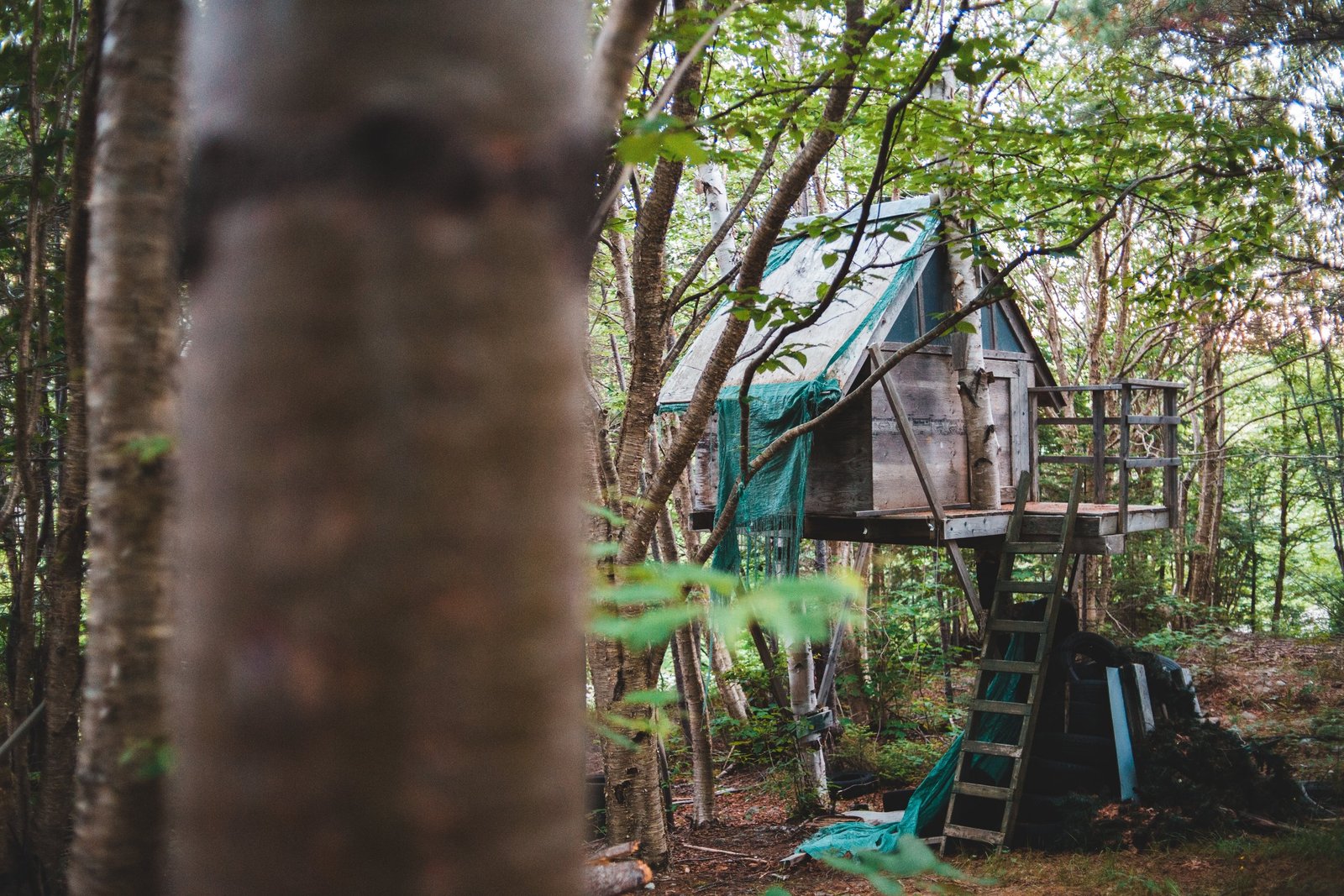
Check your treehouse at least once every season. Look closely at the wood for cracks, rot, or insect damage. Don’t forget to inspect the supports and fasteners—loose screws or nails can cause instability.
Pay special attention after storms or heavy winds. You might find branches pressing against the structure or water pooling in unwanted spots. Catching these early can save you from bigger headaches down the road.
Repair And Upkeep Tips
Fix minor damages as soon as you notice them. Replace any rotten wood immediately to prevent the problem from spreading. Tighten bolts and screws regularly to keep the treehouse steady.
Protect the wood by applying weather-resistant sealant every year. This simple step helps prevent water damage and extends the life of your treehouse. Think about adding gutters or a roof overhang to divert rain away from key areas.
Have you ever ignored a small crack only to find it turned into a big problem? Taking quick action can save you time and money. What maintenance tasks will you tackle first to keep your treehouse standing strong?
Choosing The Right Location
Choosing the right location for your treehouse is a key factor in ensuring it can withstand various weather conditions. The spot you pick affects how well your treehouse handles rain, wind, and even snow. Taking the time to evaluate your options carefully can save you from costly repairs and safety issues down the line.
Avoiding Hazardous Spots
Start by steering clear of areas prone to natural hazards. Avoid spots near dead or weak branches that could fall during storms. Trees close to power lines or steep slopes also pose risks you don’t want to deal with.
Watch out for areas where water tends to collect after rain. Standing water can weaken the tree’s roots and lead to instability. Have you noticed how some parts of your yard flood easily? Those are places to avoid.
Maximizing Weather Protection
Look for a location that offers natural shelter, like trees with dense foliage that block strong winds. Position your treehouse on the leeward side to reduce exposure to harsh gusts. This simple choice can make a big difference during storms.
Consider how sunlight hits the tree throughout the day. A spot with good morning sun but afternoon shade can keep your treehouse cooler in summer and help snow melt faster in winter. Think about your local weather patterns and how they influence the tree’s health and your comfort.
Frequently Asked Questions
Can Treehouses Withstand Heavy Rain And Storms?
Treehouses can survive heavy rain and storms if built with strong materials. Proper waterproofing and secure anchoring improve their durability. Regular maintenance also helps prevent damage from severe weather conditions.
What Materials Make Treehouses Weather-resistant?
Weather-resistant treehouses use treated wood, metal fasteners, and waterproof sealants. These materials prevent rot, rust, and water infiltration. Using quality materials ensures the treehouse lasts through various weather changes.
How Does Wind Affect Treehouse Stability?
Strong winds can sway or damage poorly built treehouses. Proper design with flexible joints and sturdy supports helps absorb wind forces. Anchoring the treehouse securely to healthy trees is essential for stability.
Is Regular Maintenance Necessary For Treehouse Weather Survival?
Yes, regular maintenance is crucial. Inspect for loose fasteners, damaged wood, and water leaks often. Timely repairs prevent small issues from becoming major weather-related problems.
Conclusion
Treehouses can stand strong against many weather types. Proper design and good materials help a lot. Regular care keeps the treehouse safe and sound. Storms and heavy winds test its strength. Still, a well-built treehouse can last many years. Watching nature’s power is always exciting and fun.
Keep an eye on your treehouse after bad weather. Simple steps protect your cozy outdoor space. Enjoy your treehouse, rain or shine.