Winter weather can be harsh and unpredictable. You might find yourself facing freezing temperatures, icy roads, or heavy snow without warning.
Knowing how to survive in these conditions isn’t just helpful—it could save your life. You’ll discover simple, practical tips that anyone can use to stay safe, warm, and prepared. Keep reading to learn how to protect yourself and your loved ones when winter strikes hard.
Credit: www.cdc.gov
Preparing Your Home
Preparing your home for winter weather is key to staying safe and warm. Cold air, snow, and ice can cause damage and discomfort. Taking simple steps now can save money and prevent problems later. Focus on sealing your home, checking heating, and having supplies ready. Small efforts make a big difference during harsh winter days.
Insulating Windows And Doors
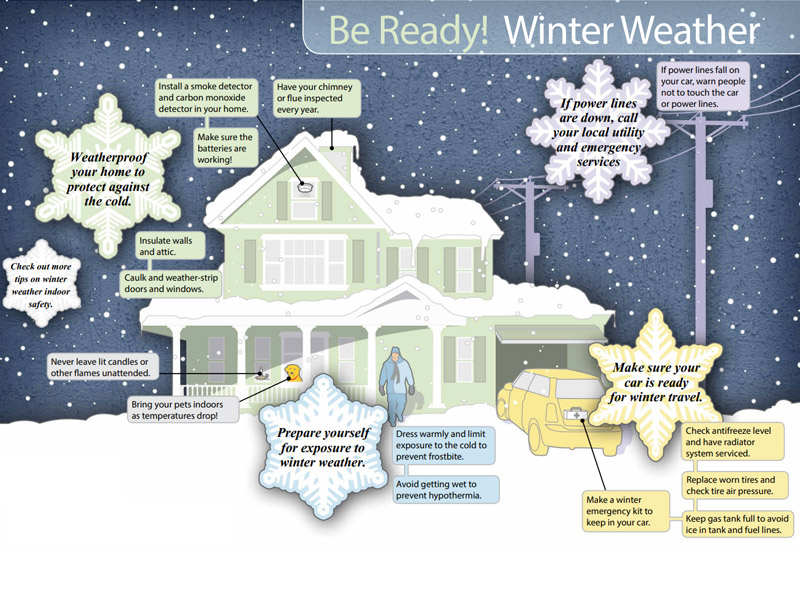
Windows and doors often let cold air inside. Use weatherstripping to seal gaps and cracks. Apply plastic film over windows to block drafts. Heavy curtains help keep warmth in at night. Check for broken seals or damaged frames. These fixes reduce heat loss and lower energy bills.
Maintaining Heating Systems
Heating systems must work well all winter. Replace filters in furnaces and heaters regularly. Test your thermostat for proper function. Clean vents and radiators to improve airflow. Schedule a professional inspection before cold weather hits. A well-maintained system heats your home efficiently and safely.
Stocking Emergency Supplies
Winter storms can cause power outages and block roads. Keep a supply kit in your home ready to use. Include:
- Flashlights and extra batteries
- Non-perishable food and bottled water
- Warm blankets and clothing
- First aid kit and necessary medications
- Battery-powered or hand-crank radio
Being prepared helps you handle emergencies calmly and safely.

Credit: www.youtube.com
Dressing For Cold Weather
Dressing for cold weather is more than just throwing on a big coat. It’s about smart choices that keep you warm without overheating. Your clothes can either trap heat or let it escape, so understanding how to dress can make your winter days much more comfortable.
Layering Clothes Effectively
Layering is your best defense against winter’s chill. Start with a thin, moisture-wicking base layer to keep sweat away from your skin. Next, add an insulating layer like fleece or wool to trap body heat.
Finish with a waterproof and windproof outer layer to block cold air and snow. Think of your clothing as a system, not separate pieces. You can add or remove layers easily depending on how active you are or how the weather changes.
Choosing The Right Fabrics
Not all fabrics keep you warm in winter. Avoid cotton because it holds moisture and makes you feel colder. Instead, choose wool, fleece, or synthetic fabrics designed to insulate and dry quickly.
Wool works great because it keeps warmth even if it gets damp. Synthetic fabrics like polyester are lightweight and dry fast, making them perfect for active winter days. Have you noticed how your clothes feel after a brisk walk? That’s why fabric choice matters.
Protecting Extremities
Your hands, feet, and head lose heat fastest. Wearing a warm hat, insulated gloves, and thick socks can prevent heat loss and frostbite. Don’t underestimate the power of good boots that keep your feet dry and warm.
Try layering gloves – a thin pair underneath thick insulated ones can make a big difference. Also, consider a scarf or neck gaiter to protect your face from icy winds. How often do you find your fingers numb before your core feels cold? Protecting extremities is key to staying comfortable.
Staying Safe Outdoors
Staying safe outdoors during winter requires careful preparation and awareness. Cold weather can be dangerous if you are not ready. Knowing how to handle snow, ice, and cold injuries helps protect you.
Always dress in layers and keep dry. Wet clothes lose their warmth quickly. Carry essential items like a phone, flashlight, and emergency supplies. Stay alert to changing weather and plan your outdoor activities wisely.
Navigating Snow And Ice
Snow and ice make walking and driving risky. Walk slowly and take small steps to avoid slipping. Use shoes with good traction or ice grips. Clear snow and ice from pathways around your home.
When driving, reduce speed and increase following distance. Keep your headlights on and use winter tires if possible. Avoid sudden stops or sharp turns to prevent skidding. Carry a shovel and sand or kitty litter for traction.
Recognizing Frostbite And Hypothermia
Frostbite and hypothermia are serious cold-related conditions. Frostbite causes numbness and pale skin, usually on fingers, toes, nose, and ears. Hypothermia happens when body temperature drops too low. Signs include shivering, confusion, and drowsiness.
Seek shelter and warm up immediately if symptoms appear. Remove wet clothes and wrap the person in warm blankets. Avoid rubbing frostbitten skin. Call for emergency help if symptoms worsen.
Traveling Safely In Winter
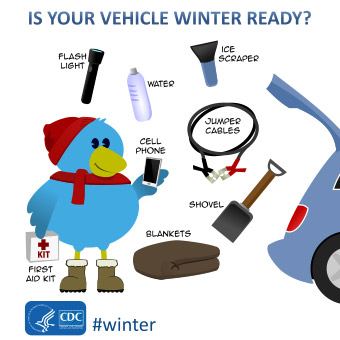
Winter travel needs extra caution. Check weather forecasts before leaving. Keep your gas tank full to avoid freezing fuel lines. Pack an emergency kit with blankets, food, water, and a first aid kit.
Inform someone about your travel plans and expected arrival time. Drive slowly on icy roads and stay on main roads. If stranded, stay inside your vehicle and run the engine only briefly to save fuel.
Nutrition And Hydration Tips
Nutrition and hydration play a big role in staying warm during winter. Eating the right foods helps your body create heat. Drinking enough fluids keeps your body working well. Both together protect you from cold stress and keep energy levels up.
Eating To Boost Body Heat
Foods that are rich in protein and healthy fats help generate body heat. Eating warm meals supports your internal temperature. Choose foods that digest slowly to keep energy steady.
- Lean meats like chicken and turkey
- Fish such as salmon and tuna
- Nuts and seeds for healthy fats
- Whole grains like oats and brown rice
- Vegetables rich in vitamins and minerals
Small, frequent meals keep your metabolism active. Avoid too many sugary snacks which can cause energy crashes.
Staying Hydrated In Cold Weather
Cold air can dry out your body quickly. Drinking water helps keep your skin and organs healthy. Warm drinks like herbal tea provide comfort and hydration.
- Drink water regularly, even if not thirsty
- Limit caffeine and alcohol; they dehydrate
- Try soups or broths for hydration and nutrition
- Carry a water bottle to remind yourself to drink
Proper hydration improves blood flow and keeps your body warm. Don’t wait for thirst to drink fluids. Staying hydrated helps your body fight cold better.
Emergency Preparedness
Winter weather can turn harsh quickly, leaving you vulnerable if you’re not prepared. Emergency preparedness is your best defense against unexpected challenges like blizzards, freezing temperatures, and power outages. Taking a few simple steps now can save you stress, discomfort, and even danger later on.
Creating A Winter Survival Kit
A well-stocked winter survival kit can make all the difference when you get stuck in severe weather. Include essentials like:
- Warm blankets and extra clothing layers
- Non-perishable food items such as canned goods and energy bars
- Water—aim for at least one gallon per person per day
- A flashlight with extra batteries
- A first aid kit with basic medications
- A multi-tool or pocket knife
- Hand warmers and waterproof matches or a lighter
Think about your unique needs too. Do you have infants or pets? Add items specific to their care. I once learned the hard way that a simple hand-crank radio can provide vital information when cell service goes down.
Planning For Power Outages
Winter storms often lead to power outages, sometimes lasting for days. Planning ahead can keep you safe and comfortable during these times. Start by identifying alternate heating options like a wood stove or propane heater, but ensure they are safe for indoor use and well-ventilated.
Have backup lighting ready—candles can be risky, so opt for battery-powered lanterns or LED lights. Charge your devices fully before the storm hits, and consider purchasing a portable power bank. Do you know where your circuit breakers are? Familiarize yourself with them to avoid electrical hazards when power returns.
Credit: www.cdc.gov
Frequently Asked Questions
How Can I Stay Warm In Winter Weather?
Layering your clothing is key to staying warm. Start with a moisture-wicking base layer, add insulating layers, and finish with a waterproof outer layer. Don’t forget to wear a hat, gloves, and warm socks to protect extremities. Staying active and consuming warm beverages also help maintain body heat.
What Foods Help In Winter Survival?
Consume foods high in calories and nutrients to fuel your body. Soups, stews, and hot drinks are comforting and hydrating. Include protein-rich foods, whole grains, and healthy fats. Spices like ginger and cinnamon can boost circulation and keep you warm.
How To Protect Skin In Cold Weather?
Cold weather can dry out your skin. Use a moisturizer to prevent dryness. Choose a product with SPF to protect against UV rays. Hydrate by drinking plenty of water. Wear gloves and scarves to shield exposed skin from harsh winds.
What Should I Carry During Winter Travel?
Always carry an emergency kit when traveling in winter. Include a first-aid kit, flashlight, extra batteries, blankets, and snacks. Don’t forget a shovel, ice scraper, and sand for traction. Ensure your phone is charged and have a car charger handy.
Conclusion
Winter weather can be tough, but you can stay safe and warm. Dress in layers and keep dry to avoid cold. Always prepare your home and car for winter storms. Eat well and stay active to keep energy high. Watch the weather and plan your trips carefully.
Small steps make a big difference in cold times. Stay calm, stay warm, and enjoy the season safely. Winter is easier to handle when you stay ready and alert. Take care of yourself and those around you.