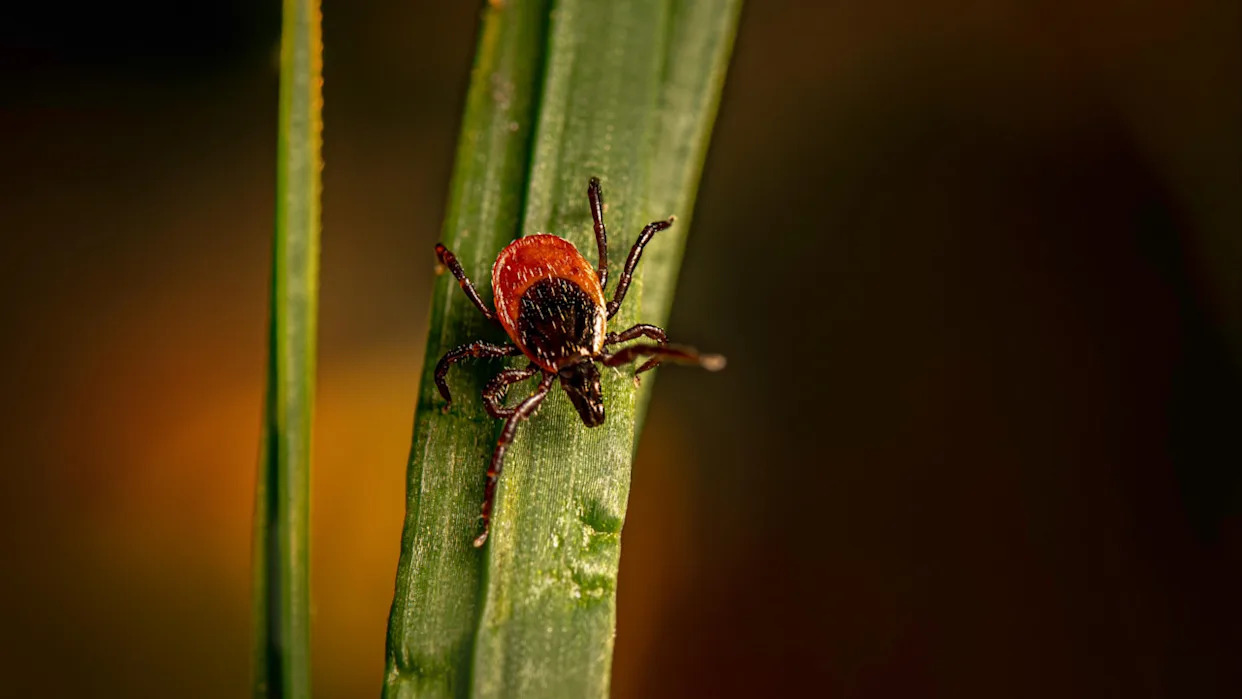
Have you ever wondered if ticks can survive during hot weather? If you spend time outdoors, especially in the summer, this question is important for your safety and peace of mind.
Understanding how ticks react to heat can help you protect yourself and your loved ones from tick bites and the diseases they carry. Keep reading to discover the surprising truth about ticks in hot weather—and what you need to know to stay safe all year long.
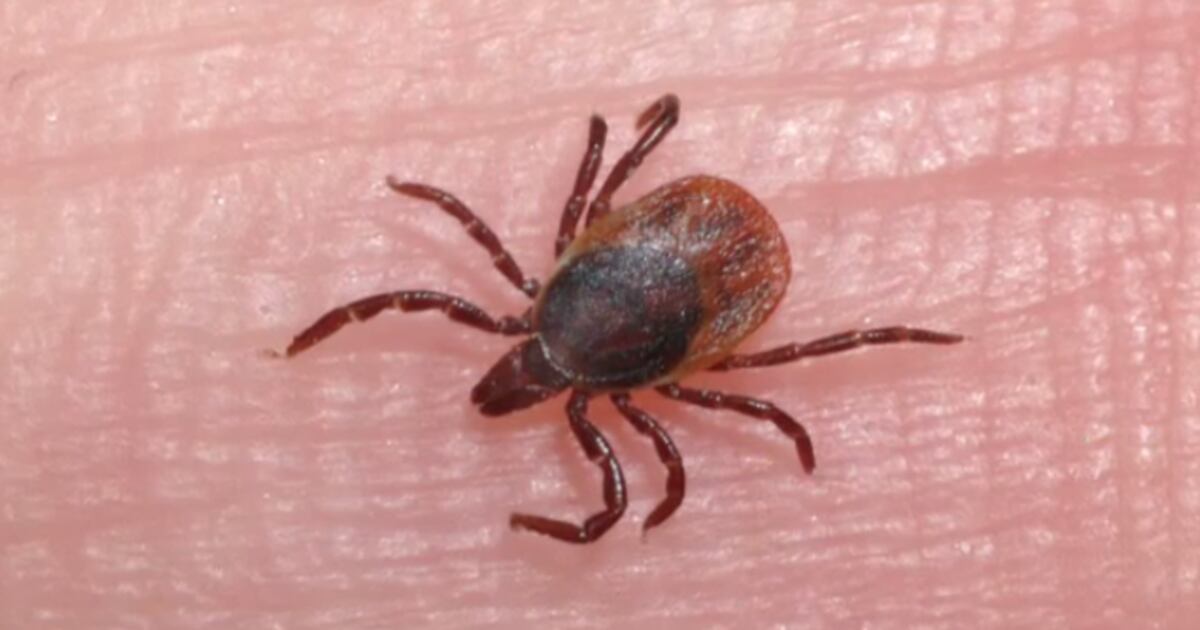
Credit: www.ctvnews.ca
Tick Biology And Habitat
Understanding tick biology and habitat is key to knowing how these tiny creatures survive, even in hot weather. Ticks are more than just pests; their ability to adapt to different environments depends on their species and life cycle. Knowing where ticks thrive helps you protect yourself and your pets effectively.
Tick Species And Climate Preferences
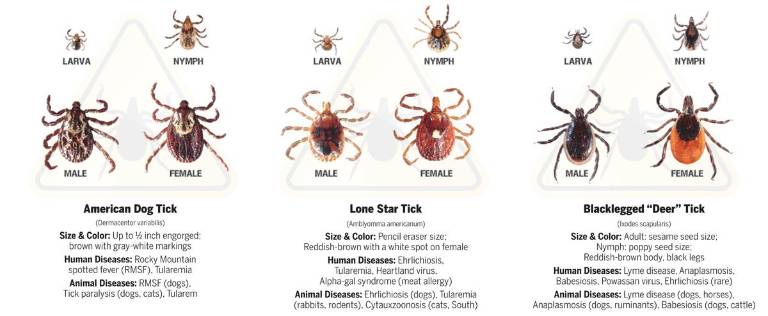
Different tick species prefer different climates. Some ticks, like the Lone Star tick, thrive in warmer, humid regions, while others, such as the Deer tick, prefer cooler, shaded areas.
Ticks are most active in environments where moisture is available. Hot, dry conditions can be tough for many ticks, but some species have adapted to survive in these climates by seeking shelter in leaf litter or shaded grass.
Have you noticed ticks hiding in tall grass or under bushes during summer hikes? That’s because these spots offer the moisture and shade ticks need to avoid drying out.
Life Cycle And Environmental Needs
Ticks go through four main stages: egg, larva, nymph, and adult. Each stage requires specific environmental conditions to survive and grow.
For example, larvae and nymphs are more vulnerable to heat and dryness. They often stay close to the ground where humidity is higher. Adults are better at finding hosts and can survive longer without feeding.
Keeping your yard clean and reducing tall grass can help cut down on tick habitats. Do you check your skin thoroughly after spending time in grassy or wooded areas? That simple habit can save you from tick bites.
Heat Tolerance Levels Of Ticks
Ticks are tiny creatures that adapt to many environments. Their heat tolerance varies by species and life stage. Understanding how much heat ticks can handle helps us know when they are active. This knowledge is key for protecting ourselves and pets during warm weather.
Temperature Thresholds For Survival
Ticks survive best between 50°F and 95°F (10°C to 35°C). Temperatures above 95°F (35°C) start to stress ticks. Extreme heat around 104°F (40°C) can kill many ticks quickly. Some species handle heat better due to their natural habitat. Nymph and larva stages are more sensitive to heat than adults.
Ticks avoid heat by hiding in shaded, moist areas. They stay under leaves or soil to escape direct sun. This behavior helps them survive hot days and dry conditions.
Effects Of Prolonged Heat Exposure
Long exposure to heat reduces tick survival rates. Heat causes dehydration, which is deadly for ticks. Without enough moisture, ticks cannot stay active or find hosts. Prolonged heat weakens ticks, lowering their ability to reproduce. This limits the number of ticks in very hot regions.
Ticks may enter dormant states to survive heat spells. Dormancy helps them wait for cooler, wetter conditions. Still, extreme heat over several days can cause high tick mortality.
Behavioral Adaptations To Hot Weather
Ticks face challenges during hot weather. They need to avoid drying out and overheating. Their behavior changes to survive high temperatures and dry conditions. These changes help them stay safe and active.
Seeking Shade And Moisture
Ticks hide in shaded areas to stay cool. They prefer places with high humidity. Moisture helps them avoid drying out. Leaf litter, tall grass, and bushes offer good cover. These spots protect ticks from direct sunlight.
Staying near moisture sources keeps ticks alive longer. They avoid open, dry spaces that cause dehydration. Shade and dampness create a better environment for ticks.
Activity Patterns During Heat
Ticks change their activity times to cooler parts of the day. They are more active early in the morning or late in the evening. During midday heat, ticks stay hidden and still.
This pattern helps reduce water loss and heat stress. It allows ticks to conserve energy and survive hot conditions. Adapting their activity times keeps ticks ready to find hosts.

Credit: emah.ca
Impact Of Hot Weather On Tick Populations
Hot weather plays a significant role in shaping tick populations. Ticks rely on humidity and temperature for survival. High temperatures can both help and harm ticks depending on conditions. Understanding these effects explains why tick numbers change during summer months and why their locations shift.
Population Fluctuations In Summer
Tick populations often rise in early summer. Warmth speeds up their life cycle, allowing ticks to grow faster. Yet, extreme heat and dry air cause many ticks to die. Ticks avoid harsh conditions by hiding in shaded, moist areas. This behavior helps them survive until cooler weather returns. As a result, tick activity peaks early and drops when heat becomes severe.
Changes In Tick Distribution
Hot weather pushes ticks to new places. They move toward cooler, shaded environments like forests and tall grass. Urban areas with plenty of green spaces can also support ticks during heat waves. Some tick species shift their range northward or to higher altitudes to escape heat. These changes affect where people and animals encounter ticks and the risk of tick-borne diseases.
Preventing Tick Bites In Hot Climates
Ticks might seem like creatures that would struggle in hot weather, but many species actually thrive in warm climates. This makes preventing tick bites crucial, especially if you spend time outdoors during summer. Protecting yourself requires more than just luck—it calls for smart choices and practical habits tailored to hot weather conditions.
Protective Clothing And Repellents
Wearing the right clothes can create a strong barrier between you and ticks. Choose light-colored, long-sleeved shirts and long pants to spot ticks easily and keep them off your skin.
Try tucking your pants into your socks to block ticks from crawling up your legs. Breathable fabrics help you stay cool while offering protection.
Using tick repellents with DEET or permethrin on your clothing and exposed skin adds an extra layer of defense. Remember to reapply repellents, especially if you sweat a lot or swim.
Safe Outdoor Practices
Ticks usually hang out in tall grass, bushes, and leaf litter. Stay on clear trails and avoid walking through dense vegetation to reduce your risk.
After being outdoors, check your body carefully—especially behind your ears, under your arms, and around your waist. Ticks can be tiny and easy to miss.
Showering soon after outdoor activities can wash away ticks before they attach. Have you ever found a tick after a day in the sun? Taking these simple steps can save you from that hassle.
Credit: www.pikecountycourier.com
Climate Change And Future Tick Risks
Climate change shapes the future risks posed by ticks. Warmer temperatures and altered weather patterns affect tick survival and spread. Understanding these changes helps prepare for new health challenges. Ticks may thrive in places once too cold for them. The risk of tick-borne diseases grows as their habitats expand.
Rising Temperatures And Tick Expansion
Ticks survive better with mild winters and warm springs. Rising temperatures allow ticks to live in higher altitudes and northern regions. These areas were once too cold for ticks to survive. Longer warm seasons mean ticks stay active for more months. More ticks in more places increase chances of bites and disease.
Health Implications For Humans And Animals
Ticks carry bacteria, viruses, and parasites harmful to humans and animals. More ticks increase the risk of Lyme disease, ehrlichiosis, and other illnesses. Pets and livestock face higher chances of tick bites and infections. Early symptoms are often mild but can worsen without treatment. Protecting against ticks becomes more important as risks rise.
Frequently Asked Questions
Can Ticks Survive In Hot Climates?
Yes, ticks can survive in hot climates. They thrive in warm and humid environments. High temperatures alone do not kill ticks. They seek shaded and moist areas to avoid dehydration. To protect yourself, wear protective clothing and use tick repellents during outdoor activities.
Do Ticks Die In Summer Heat?
Ticks do not die from summer heat alone. They are resilient and adapt to high temperatures. Ticks find refuge in shaded and moist areas to stay hydrated. Prevent tick bites by checking for ticks after outdoor activities and maintaining your yard.
How Do Ticks Adapt To Hot Weather?
Ticks adapt to hot weather by seeking shaded, moist areas. They avoid direct sunlight and dehydration. Ticks are most active in warm climates, making them a year-round threat. Use tick prevention methods like repellents and regular tick checks to minimize risks.
Are Ticks More Active In Summer?
Yes, ticks are more active in summer. Warm temperatures and humidity create ideal conditions for ticks. They seek hosts to feed on during this time. Stay vigilant by wearing long sleeves, using repellents, and performing regular tick checks after outdoor activities.
Conclusion
Ticks can survive hot weather but prefer shady, moist places. They avoid direct sun to keep from drying out. Knowing this helps protect you and your pets. Stay alert in warm months and check for ticks often. Wearing long clothes and using repellents also reduce bites.
Simple steps keep you safer outdoors. Ticks are tough but not unstoppable. Stay smart and enjoy nature safely.