Imagine being caught in an unexpected situation where you need help fast. Would you have the right tools to stay safe and calm?
Creating your own pocket survival kit is easier than you think, and it can make a huge difference when every second counts. You’ll learn simple steps to build a compact kit that fits in your pocket but holds everything you need to handle emergencies.
Keep reading, and you’ll discover how to prepare yourself without carrying heavy gear or spending a fortune. Your safety is in your hands—let’s make sure you’re ready.
Choosing The Right Container
Choosing the right container is the foundation of building a practical pocket survival kit. Your container must balance size, durability, and protection to keep your essentials safe and accessible. Think about where you’ll carry it and what conditions it might face—this shapes your choice more than anything else.
Compact And Durable Options
Look for containers that fit easily in your pocket but still hold everything you need. Small metal tins, like mint or Altoids tins, are popular because they are tough and lightweight. Plastic pill cases or small waterproof boxes also work well if you want something lighter and less prone to dents.
Durability is key. Imagine dropping your kit during a hike—will it survive? Metal cases resist crushing, while hard plastics can withstand moisture and shocks. If you carry your kit daily, pick a container that won’t break or open unexpectedly.
Waterproofing Tips
Keeping your survival items dry can be a lifesaver. Even the best gear is useless if soaked. Choose containers that seal tightly with rubber gaskets or snap-lock lids to prevent water entry.
If your container isn’t fully waterproof, add an inner layer of protection. Small resealable plastic bags or vacuum-sealed pouches work great. You can also apply waterproof tape around the edges for extra security.
Have you tested your container’s waterproof claim? Try submerging it briefly in water before your next trip. This simple test can save you from a ruined kit in wet conditions.

Credit: www.youtube.com
Essential Survival Tools
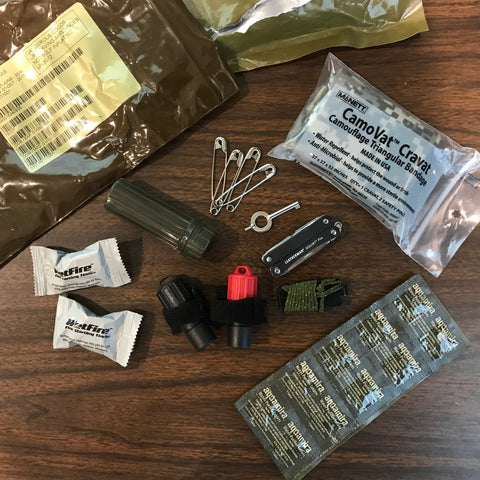
Essential survival tools form the backbone of any pocket survival kit. They help you face unexpected challenges and stay safe. A compact kit with the right tools can make a big difference. It keeps you prepared for cutting, navigation, and signaling needs. Each tool must be reliable and easy to use. Focus on items that serve multiple purposes to save space and weight.
Cutting And Fire Starting
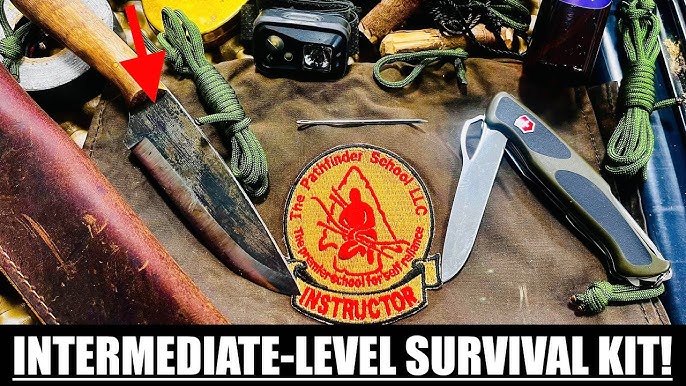
A sharp cutting tool is vital for many survival tasks. It helps with preparing food, making shelter, and crafting other tools. Include a small but strong knife or a multi-tool with a blade. Fire starting tools are essential for warmth, cooking, and signaling. Carry waterproof matches, a lighter, or a fire steel. Fire starters that work when wet are best for reliability.
Navigation Aids
Getting lost is dangerous. Navigation tools help you find your way back or reach safety. A small compass is easy to carry and very useful. Pair it with a folded paper map of the area. GPS devices are helpful but depend on battery life. Learn basic map reading skills to use these tools well. Simple navigation aids save time and reduce stress.
Signaling Devices
Signaling tools attract help if you get stuck. A whistle is loud and light, perfect for alerting rescuers. Mirrors reflect sunlight and can be seen from far away. Bright-colored cloth or flags can mark your location. Choose tools that are easy to reach and use quickly. Signaling devices increase your chances of rescue in emergencies.
First Aid Essentials
First aid essentials form the backbone of any pocket survival kit. You never know when a minor injury could turn into a bigger problem without the right supplies at hand. Packing your kit with the right items can mean the difference between managing a situation calmly and feeling helpless.
Basic Medical Supplies
Start by adding items that cover common injuries like cuts, scrapes, and blisters. Think adhesive bandages in various sizes, sterile gauze pads, and medical tape. A small pair of scissors and tweezers can be a lifesaver for removing splinters or cutting tape.
Antiseptic wipes or small bottles of antiseptic solution help prevent infection. Including a compact roll of sterile cotton or a few alcohol swabs also helps keep wounds clean. Don’t forget pain relief tablets like ibuprofen or acetaminophen—they’re lightweight but incredibly useful.
- Adhesive bandages (multiple sizes)
- Sterile gauze pads
- Medical tape
- Antiseptic wipes or solution
- Tweezers and small scissors
- Pain relief tablets
- Disposable gloves
One time, I cut my finger while hiking. Having just a couple of bandages and antiseptic wipes saved me from a painful, dirty wound. That experience showed me how vital these basics are in your pocket survival kit.
Personal Medication
Your survival kit should also include any medication you take regularly. This could be allergy pills, asthma inhalers, or even a small supply of prescription drugs. Keeping these in your kit ensures you’re prepared if you get separated from your regular supplies.
Consider packing medications in small, waterproof containers to protect them from moisture and damage. Check expiration dates often to make sure your supplies are still effective. Don’t forget to add a small note with dosage instructions if you might need to share this kit with others.
Ask yourself: What medications do you absolutely need to have on hand? Preparing for this now can save you stress and health issues later.

Credit: www.youtube.com
Food And Hydration
Food and hydration are vital for survival in any situation. A pocket survival kit should include lightweight, compact items that provide energy and keep you hydrated. Choosing the right foods and water solutions helps you stay strong and alert. Small, nutrient-rich snacks and reliable water purification tools are essential.
Non-perishable Snacks
Non-perishable snacks last long without spoiling. They are easy to carry and provide quick energy. Choose snacks that are high in calories and nutrients. Examples include:
- Granola bars
- Beef jerky
- Nuts and seeds
- Dried fruit
- Peanut butter packets
These snacks resist heat and moisture well. They fit easily into small pockets or bags. Avoid foods that melt or crumble easily.
Water Purification Methods
Clean water is crucial for survival. Carry tools to purify water from natural sources. Common methods include:
- Portable water filters
- Water purification tablets
- UV light purifiers
- Boiling water (if possible)
Water filters remove dirt and bacteria. Tablets kill germs quickly. UV purifiers use light to clean water. Boiling water kills most pathogens but needs a heat source.
Always test your water source before drinking. Carry a small container to store purified water safely.
Clothing And Shelter
Clothing and shelter are the backbone of any survival kit. They protect you from the elements and keep your body temperature stable. Without proper gear, even the shortest outdoor challenge can turn into a dangerous situation.
Emergency Blankets
Emergency blankets are small, lightweight, and highly effective. They reflect up to 90% of your body heat, making them a must-have in your pocket survival kit. You can use them not only to keep warm but also as a ground cover or rain shield.
Think about how easy it is to carry one in your pocket. The compact size means you won’t even notice it until you need it. Have you ever been caught in a sudden rainstorm or dropped your jacket? This simple tool can be a game changer.
Compact Shelter Solutions
Compact shelters like foldable tarps or bivy sacks save space and weight. They provide quick protection from wind, rain, and sun. Unlike bulky tents, these fit easily into a small survival kit without compromising on shelter quality.
Consider how quickly you can set one up in an emergency. It can be as simple as tying a tarp between two trees or unfolding a bivy sack to crawl into. Do you have shelter options ready for unexpected situations where every second counts?
Organizing Your Kit
Organizing your pocket survival kit effectively can make a huge difference when you need to access items quickly. Keeping your essentials neat and easy to find saves precious time and reduces stress. Think about how often you’ve fumbled through a bag searching for a small but vital item—your kit should prevent that hassle.
Prioritizing Items
Start by deciding which items are absolutely necessary for your survival needs. Place the most important tools, like a compact knife, fire starter, and water purification tablets, in the easiest-to-reach spots. Ask yourself: which items will I need first in an emergency?
Consider the size and frequency of use. Small but critical items like bandages or a whistle should be separate from less urgent gear. Group similar items together to keep your kit organized and intuitive. This way, your hands go directly to what you need without wasting time.
Packing Techniques
Use small, clear ziplock bags or mini pouches to separate items by category—first aid, tools, fire-starting, and water treatment. This keeps everything visible and prevents clutter. Roll or fold items tightly to save space and avoid bulk.
Think about weight distribution. Place heavier items at the bottom or center of your pouch to keep it balanced. Use elastic bands or small compartments to secure loose items so they don’t rattle or get lost.
Try packing your kit once and then simulate an emergency scenario to see how quickly you can find each item. If you struggle, rearrange until your kit feels natural to use. Your survival kit should work for you, not the other way around.
Maintenance And Updates
Keeping your pocket survival kit ready isn’t a one-time task. It needs regular attention to stay effective. Maintenance and updates ensure your kit matches your current needs and any changes in your environment.
Regular Checks
Set a schedule to check your kit every month or two. Look for expired food, dead batteries, or damaged items. Replace anything that won’t work when you need it most.
Test your tools too. Does the flashlight turn on? Is the knife sharp? Small issues can make a big difference in an emergency.
Think about the last time you really needed your kit. Did everything work as expected? If not, that’s your cue to update it.
Adapting To Seasonal Changes
Your survival needs shift with the seasons. In winter, add hand warmers, extra socks, or a small heat pack. Summer calls for sunscreen, insect repellent, and more water purification options.
Check your kit’s clothing items and first aid supplies based on the season. You don’t want to carry cold weather gear in July or forget allergy medication during spring.
What weather challenges do you face where you live? Tailor your kit to handle those changes smoothly. Adjusting your survival kit with the seasons keeps it practical and lightweight.

Credit: grimworkshop.com
Frequently Asked Questions
What Essential Items Go Into A Pocket Survival Kit?
A pocket survival kit should include a small knife, waterproof matches, a whistle, a compact first aid kit, and a space blanket. These items cover basic needs like cutting, fire-starting, signaling, and emergency care in compact form.
How Do I Choose The Right Container For My Kit?
Choose a waterproof, durable container that fits in your pocket easily. A small metal or hard plastic case works best to protect the contents from damage and moisture.
How Often Should I Update My Survival Kit?
Update your kit every six months to check expiration dates and replace used or damaged items. Regular updates ensure your kit stays reliable during emergencies.
Can A Pocket Survival Kit Help In Urban Emergencies?
Yes, a pocket survival kit is useful in urban emergencies for first aid, navigation, and signaling. It provides essential tools to handle unexpected situations quickly and safely.
Conclusion
Creating a pocket survival kit takes just a few steps. Choose small, useful items that fit your needs. Keep it light and easy to carry every day. Check your kit often and replace old items. Being ready can make a big difference in emergencies.
Start building your kit now to stay safe and prepared. Small effort today means peace of mind tomorrow.