When an earthquake strikes, every second counts. Are you truly prepared to keep yourself and your loved ones safe?
Having the right items in your earthquake survival kit can make all the difference between staying calm and facing chaos. You’ll discover exactly what you need to include to protect yourself during those critical moments. Don’t wait for disaster to catch you off guard—read on and build a kit that could save your life.

Credit: moreprepared.com
Basic Supplies
Basic supplies form the foundation of any earthquake survival kit. They keep you safe and help you manage during the first crucial hours after a quake. These essentials support your health, hydration, and energy until help arrives or conditions improve.
Water And Hydration
Water is the most critical item in a survival kit. Plan for at least one gallon per person daily. Store enough for three days or more. Use sealed bottles or water pouches to keep it clean. Include water purification tablets or a filter to treat unsafe water sources. Staying hydrated prevents fatigue and keeps your body working well.
Non-perishable Food
Choose foods that last long without refrigeration. Canned goods, dried fruits, nuts, and energy bars are excellent options. Pick items high in calories and nutrients. Avoid foods needing cooking or special preparation. Keep a manual can opener handy. These foods provide energy and strength when access to fresh food is limited.
First Aid Kit
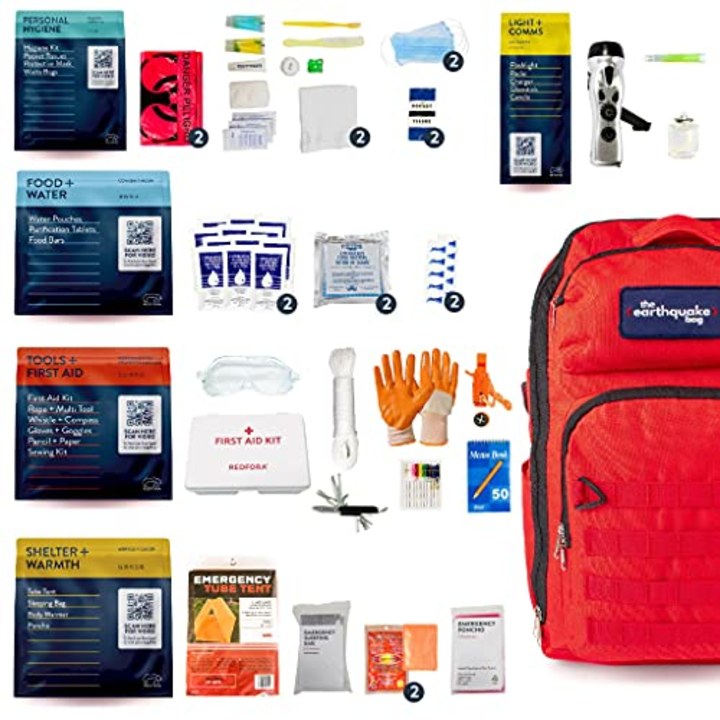
A well-stocked first aid kit helps treat injuries quickly. Include bandages, antiseptic wipes, gauze, and adhesive tape. Add pain relievers, tweezers, scissors, and gloves. Keep any personal medications in the kit. Knowing basic first aid skills supports your health until medical help is available.

Credit: www.amazon.ca
Tools And Equipment
Having the right tools and equipment in your earthquake survival kit can make a big difference during an emergency. These items help you stay safe, find your way, and handle unexpected challenges. Let’s look at some essential tools you should include to be prepared for any situation.
Flashlights And Batteries
Flashlights are crucial when the power goes out after an earthquake. Choose LED flashlights because they use less energy and last longer. Always pack extra batteries, but consider a hand-crank or solar-powered flashlight to avoid running out of power.
Have you ever found yourself fumbling in the dark, wishing you had a reliable light source? A good flashlight can guide you safely through debris or help you signal for help. Keep it in an easy-to-reach spot in your kit.
Multi-tool And Knife
A multi-tool combines several functions in one compact device. It can include pliers, screwdrivers, scissors, and more. A sturdy knife is also vital for cutting ropes, opening packages, or preparing food.
Think about a moment when you needed to fix something quickly but didn’t have the right tool. Having a multi-tool in your kit means you’re ready to handle many tasks without carrying a heavy toolbox. Pick a reliable brand that feels comfortable in your hand.
Portable Radio
Communication is key after an earthquake, and a portable radio keeps you informed about emergency updates. Opt for a battery-powered or hand-crank radio that can operate without electricity. Some models also include NOAA weather alerts, which are helpful for ongoing disaster information.
Imagine being cut off from news and unable to know if it’s safe to leave your shelter. A radio keeps you connected to the outside world and can provide critical instructions. Don’t forget to pack extra batteries or charge it regularly if it’s solar-powered.
Safety And Protection
Safety and protection are the cornerstones of any earthquake survival kit. You never know when debris might fall or dust might fill the air after a quake. Being prepared with the right gear can shield you from injuries and harmful particles, increasing your chances of staying safe and sound.
Protective Clothing
Wearing sturdy, long-sleeved clothing can protect your skin from cuts and scrapes caused by sharp objects or broken glass. Thick pants and durable shoes with good grip are essential to avoid injuries while moving through rubble or unstable terrain. Think about adding a hard hat or helmet to protect your head from falling debris—this simple item can make a huge difference.
Dust Masks
After an earthquake, the air can be filled with dust and harmful particles. A dust mask helps you breathe clean air and prevents inhaling dangerous materials. Keep a few N95 masks in your kit; they fit snugly and filter out most airborne particles. Have you ever tried to breathe through a regular cloth during a dust storm? Dust masks make a big difference in comfort and safety.
Gloves And Eye Protection
Strong gloves shield your hands from cuts, scrapes, and exposure to hazardous materials while clearing debris. Eye protection, such as safety goggles, is critical to keep dust and sharp objects from damaging your eyes. Imagine trying to clean up broken glass without gloves or goggles—it’s risky and painful. Including these items in your kit means you can act quickly and safely when every second counts.
Communication Items
Communication is vital during an earthquake. Power outages and damaged networks can block usual ways to call for help. Having reliable communication items in your survival kit increases your chances of staying connected. These tools help you signal for help and share your location.
Whistle
A whistle is a simple, loud tool to attract attention. It uses less energy than shouting and works over long distances. Carry a sturdy whistle in your kit. Three short blasts is a universal distress signal. It helps rescuers find you even if you are trapped.
Emergency Contact Information
Keep a printed list of important phone numbers. Include family, friends, and emergency services. Write down your address and any medical info. Store this list in a waterproof bag. Phones can die or break, so paper backup is crucial. Everyone should know where to find it.
Chargers And Power Banks
Chargers and power banks keep your devices alive. Choose a high-capacity power bank to recharge phones multiple times. Include cables for your devices. Solar chargers are useful if electricity is unavailable. Staying powered means you can call or text for help anytime.
Personal Necessities
Your earthquake survival kit isn’t complete without personal necessities that keep you healthy, clean, and organized during a crisis. These items ensure you can manage your daily needs and stay focused on safety. Let’s look closely at what personal essentials you should pack.
Medications And Prescriptions
Always include a supply of your essential medications in your kit. This means enough for several days, plus extras in case help is delayed. Don’t forget prescription glasses or contact lenses if you wear them.
Store medications in waterproof containers to keep them safe from moisture. You might want to add a list of your prescriptions and dosages. This can be a lifesaver if you need medical assistance and can’t communicate clearly.
Sanitation Supplies
Maintaining hygiene prevents illness, which is crucial when resources are limited. Pack items like hand sanitizer, moist towelettes, and biodegradable soap. Don’t overlook a small towel and a toothbrush with toothpaste.
Consider adding feminine hygiene products and disposable gloves. These can help you stay comfortable and healthy when regular facilities are unavailable. What would you do if clean water was scarce for washing?
Important Documents
Keep copies of vital documents in a waterproof and portable folder. Include your ID, insurance papers, medical records, and emergency contacts. Having these ready can speed up aid and reduce stress.
Think about adding photos of family members or pets for identification. Also, digital backups on a USB drive are handy if physical copies get lost. How prepared are you to prove your identity or claim assistance quickly?
Additional Comforts
When preparing an earthquake survival kit, essentials like food, water, and first aid are crucial. But what about the extra items that bring comfort and ease during stressful times? Adding a few thoughtful comforts can make a big difference in how you cope while waiting for help or the situation to stabilize.
Blankets And Shelter
Keeping warm is vital after an earthquake, especially if you face cold nights or unexpected exposure. Pack lightweight, compact blankets that are easy to carry and provide good insulation.
Consider also adding a small tarp or emergency shelter. These can protect you from rain, wind, or debris if your home is damaged. Have you thought about how you’d stay dry and warm if you had to stay outside for hours?
Cash And Coins
Electronic payment systems often fail after disasters. Having some cash and coins in small denominations can help you buy necessities when cards and ATMs aren’t working.
Keep a mix of bills and coins handy. Even a few dollars can cover food or transportation in emergencies. Have you checked the smallest bills you have? They can be surprisingly useful in tight situations.
Entertainment And Comfort Items
Stress and boredom can wear you down during long waits. Adding simple entertainment like a deck of cards, a small book, or puzzles can help keep your mind engaged.
Comfort items such as a favorite snack, a photo, or a small personal item can bring emotional relief. These items remind you that normal life still exists beyond the crisis. What small thing would boost your morale if everything else felt uncertain?

Credit: www.thermapparel.com
Frequently Asked Questions
What Essential Items Go In An Earthquake Survival Kit?
An earthquake survival kit should include water, non-perishable food, a flashlight, batteries, a first aid kit, and a whistle. Also, add important documents, sturdy shoes, and a multi-tool to stay prepared and safe after an earthquake.
How Much Water Should I Store For An Earthquake Kit?
Store at least one gallon of water per person per day. Aim for a minimum of three days’ supply to stay hydrated during emergencies.
Why Include A First Aid Kit In An Earthquake Survival Kit?
A first aid kit helps treat minor injuries and prevents infections. It’s crucial when medical help might be delayed after an earthquake.
Should I Add Communication Tools To My Earthquake Kit?
Yes, include a battery-powered radio and extra batteries. These tools keep you informed about emergency updates and rescue information.
Conclusion
Preparing an earthquake survival kit saves lives. Pack water, food, and first aid supplies. Include a flashlight, batteries, and important documents. Don’t forget a whistle and sturdy shoes. Keep the kit easy to carry and accessible. Regularly check and update your items.
Being ready reduces fear and helps you act fast. Stay safe by planning ahead today.