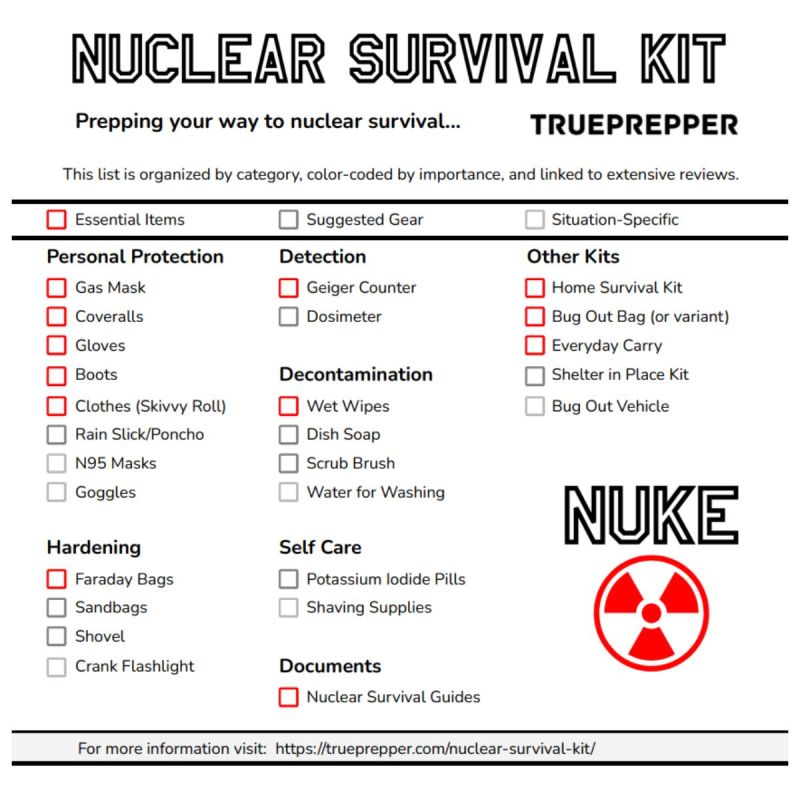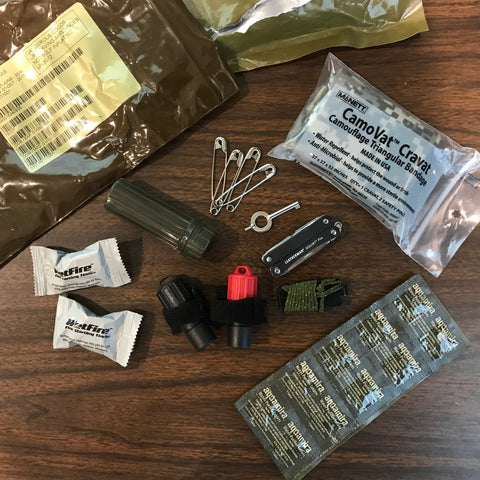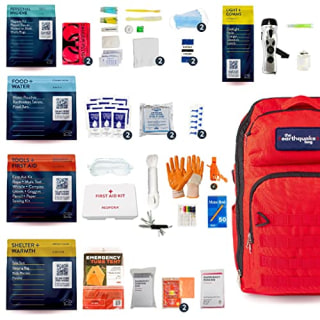
Imagine facing an unexpected emergency without the right tools to keep you safe. What would you do?
Having a well-packed survival kit can make all the difference when every second counts. But what exactly do you need in a survival kit to be truly prepared? You’ll discover the essential items that can protect your life, keep you comfortable, and help you stay calm under pressure.
Keep reading, because knowing what to pack could save your life—or someone else’s.

Credit: unchartedsupplyco.com
Basic Survival Needs
Basic survival needs form the foundation of any survival kit. They focus on keeping you alive and safe in harsh conditions. Water, food, and shelter are essential. Without these, survival becomes very difficult. A good kit prepares you to meet these needs quickly and efficiently.
Water And Hydration Tools
Water is the most critical survival need. The body needs water to stay alive. A survival kit should include ways to carry and purify water. Portable water bottles or hydration bladders help carry water. Water purification tablets or filters remove harmful germs. These tools ensure safe drinking water anywhere.
Food And Nutrition Supplies
Food provides energy to keep the body functioning. Choose non-perishable, lightweight food items for your kit. Energy bars, dried fruits, and nuts are good options. Freeze-dried meals are lightweight and last long. Include a small, portable utensil set for eating. Nutrition helps maintain strength and focus in tough situations.
Shelter And Warmth Options
Shelter protects from weather and keeps body temperature stable. Compact tents, tarps, or emergency blankets are essential. These options are lightweight and easy to carry. Warmth is critical to avoid hypothermia. Pack hand warmers or a small sleeping bag. Proper shelter and warmth improve comfort and survival chances.

Credit: www.amazon.com
Essential Tools And Equipment
Having the right tools and equipment in your survival kit can make a huge difference in challenging situations. These essentials help you manage basic needs like shelter, warmth, and navigation. Think about what you would need to stay safe and self-reliant if help was hours or even days away.
Cutting And Fire Starting Tools
Cutting tools are critical. A reliable knife or multi-purpose blade lets you prepare food, build shelter, and craft other tools. I once had a simple folding knife that saved me hours of work making kindling and rope from plants.
Fire starting tools are just as important. Waterproof matches, a lighter, or a ferrocerium rod can get a fire going even in wet conditions. Fire provides warmth, purifies water, and boosts morale. Ask yourself—how will you start a fire if everything is damp?
Navigation And Signaling Devices
Knowing where you are and how to get help can be lifesaving. A compass and a detailed map of your area should be in every kit. GPS devices are useful but rely on batteries, so having traditional tools is smart.
Signaling devices like whistles, mirrors, or brightly colored cloth can attract attention from rescuers. Even simple tools can make a big difference in getting found quickly. What signals would you use if you were lost in the wilderness?
Multi-tools And Repair Kits
Multi-tools pack several functions into one compact device. Pliers, screwdrivers, scissors, and can openers give you flexibility to solve unexpected problems. I’ve fixed broken gear and opened cans thanks to the multitool in my pack.
A small repair kit with needle, thread, duct tape, and extra cord can fix clothing, gear, or shelter. Being able to mend items prevents bigger failures and keeps your kit functional. What would you fix first if your gear failed in an emergency?
First Aid And Health Items
First aid and health items form the heart of any survival kit. They help manage injuries and keep you healthy in tough times. A well-stocked kit can ease pain, prevent infections, and save lives. Focus on essentials that cover common wounds and health needs.
Basic Medical Supplies
- Adhesive bandages in various sizes
- Sterile gauze pads and adhesive tape
- Antiseptic wipes or solution
- Elastic bandages for sprains
- Disposable gloves for hygiene
- Scissors and tweezers
- CPR face shield or mask
- Thermometer to check fever
Personal Medications
Include any prescription drugs you take regularly. Pack pain relievers like ibuprofen or acetaminophen. Antihistamines help with allergic reactions. Bring medicines for upset stomachs and cold symptoms. Keep medications in labeled containers. Check expiration dates often.
Hygiene Essentials
- Antibacterial hand sanitizer
- Soap or body wipes
- Toothbrush and toothpaste
- Sanitary pads or tampons
- Small towel or washcloth
- Moisturizing lotion to prevent dry skin
Clothing And Protection
Clothing and protection form the backbone of any survival kit. They shield you from harsh environments and keep your body functioning properly. Without the right gear, even the toughest skills can fall short.
Weather-appropriate Clothing
Your survival kit needs clothing that fits the climate you expect. In cold weather, layering is key—start with moisture-wicking base layers, add insulating mid-layers, and top it off with a waterproof shell. For hot climates, lightweight, breathable fabrics that protect from the sun are essential.
Think about your last outdoor experience. Were you too hot, too cold, or soaked through? Adjusting your clothes based on those lessons can prevent discomfort or worse in an emergency.
Protective Gear
Protection goes beyond just clothes. Consider items like gloves to protect your hands from cuts and burns, hats for sun and rain, and sturdy sunglasses to shield your eyes. A good quality rain poncho or a compact tarp also adds a layer of defense against the elements.
Ask yourself—how often have small injuries or sunburns slowed you down? Adding simple protective gear can keep you moving and healthy when it matters most.
Footwear And Accessories
Your feet carry you through survival challenges, so don’t underestimate their importance. Durable, waterproof boots with good ankle support help prevent injuries on rough terrain. Include extra socks to keep your feet dry and blister-free.
Accessories like gaiters, a warm hat, or a neck gaiter can add comfort and protection. Have you ever felt the difference a small accessory made on a long hike? These items might be the difference between pushing forward or giving up.
Storage And Packing Tips
Keeping your survival kit well-packed and easy to access can make all the difference in an emergency. Storage and packing tips help ensure that you grab what you need quickly, without fumbling through a mess of supplies. Think about how you use your kit and where you’ll carry it—these details shape how you store and organize everything.
Choosing The Right Container
Select a container that matches your survival needs and environment. Waterproof and durable options like hard plastic cases or metal boxes protect your items from moisture and damage. Soft packs or backpacks work well if you need to carry your kit over long distances.
Consider containers with compartments or removable dividers. They allow you to customize space and keep things separated. Ask yourself: Will this container fit in your car, under a bed, or on your back comfortably?
Organizing Your Kit
Group similar items together for faster access—food and water, first aid, tools, and fire-starting gear should each have their own spot. Use small zippered pouches or clear bags to separate these groups inside your container.
Labeling each pouch or section can save precious seconds when you’re under pressure. Think about what you’ll need first in an emergency and place those items on top or in an easily reachable compartment.
Weight And Portability Considerations
Heavy kits can slow you down when you need to move quickly. Prioritize lightweight, multipurpose tools to keep the weight manageable without sacrificing usefulness. Have you tested carrying your kit over a few miles? That real-world check reveals if it’s truly portable.
Balance your kit so it’s not lopsided—this prevents strain and makes it easier to carry. Straps and handles should be comfortable and sturdy. Remember, a survival kit is only good if you can carry it when it matters most.
Customizing Your Survival Kit
Customizing your survival kit is vital for effective preparedness. A one-size-fits-all kit rarely meets every need. Tailoring your kit ensures it fits your unique situation and increases your chances of success in emergencies.
Tailoring To Environment
Different environments demand different tools. A desert requires sun protection and extra water. A forest needs insect repellent and fire-starting gear. Coastal areas call for waterproof items and fishing tools. Consider the climate, terrain, and common hazards of the place you expect to be.
Adjusting For Duration
The length of your survival situation affects what you pack. For short trips, basic essentials like food, water, and a first-aid kit suffice. Longer stays need more supplies, such as extra food, shelter materials, and repair tools. Plan for how many days you might be without help.
Considering Personal Needs
Your health and preferences shape your kit contents. Include any medications or medical devices you require. Think about dietary restrictions or allergies when selecting food. Add comfort items like glasses or contact lenses. Personalize your kit to match your lifestyle and health needs.

Credit: m.youtube.com
Frequently Asked Questions
What Are The Essential Items In A Survival Kit?
A survival kit must include water, food, first aid, fire starters, and a multi-tool. These items ensure basic needs and safety in emergencies.
How Much Water Should A Survival Kit Contain?
A survival kit should have at least one liter of water per person per day. Water is crucial for hydration and survival.
Why Is A First Aid Kit Necessary In Survival Kits?
A first aid kit helps treat injuries and prevent infections. It is vital for managing wounds and emergencies in survival situations.
What Tools Are Most Useful In A Survival Kit?
Multi-tools, knives, and fire starters are essential tools. They aid in shelter building, food preparation, and fire making.
Conclusion
A survival kit saves lives in tough situations. It needs basics like water, food, and first aid. Tools for shelter and fire are also key. Keep your kit ready and check it often. Small items can make a big difference.
Being prepared brings peace and safety. Start building your kit today. Stay ready, stay safe.