Imagine being ready for any emergency without leaving your home. You might think making a survival kit is complicated or expensive, but it doesn’t have to be.
By gathering a few simple items you already have, you can create a kit that keeps you and your loved ones safe when it matters most. You’ll discover easy steps to build your own survival kit quickly and effectively. Keep reading—your peace of mind depends on it.
Choosing The Right Container
Choosing the right container is key for a good survival kit. It keeps all items safe and easy to carry. The container should match your needs and the environment you expect. Think about size, strength, and protection from water. These factors affect how useful your kit will be in an emergency.
Size And Portability
Pick a container size that fits your essentials without being bulky. Too large means hard to carry. Too small means not enough space. A compact container fits in a backpack or glove box. Portability is important for quick access and easy movement.
- Choose a container you can carry comfortably.
- Check if it fits your survival items with room to spare.
- Consider how you will transport it daily or during emergencies.
Durability And Waterproofing
A durable container protects items from damage and weather. Look for strong materials like hard plastic or metal. Waterproof containers keep supplies dry in rain or floods. Seals or gaskets help stop water and dirt from entering.
- Test the container’s strength by pressing or shaking it.
- Ensure it has a tight lid or locking mechanism.
- Waterproofing can save your kit from spoilage or failure.
Basic Survival Items
Building a survival kit at home starts with gathering the most basic survival items. These essentials support your ability to stay alive and healthy when you face unexpected situations. Your kit should cover the core needs: water, food, and first aid. Each category plays a crucial role, and missing even one can make a big difference.
Water And Hydration Tools
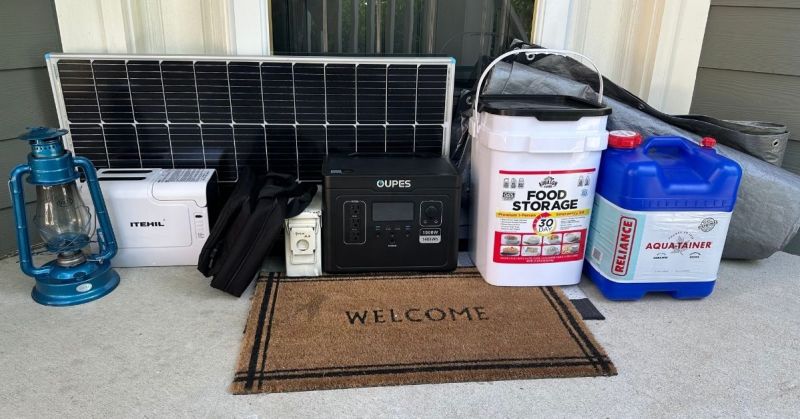
Water is the top priority in any survival scenario. You need a reliable way to store and purify water. Carry at least one liter of water per person per day, but also include tools to make more water safe to drink.
- Water bottles:Durable, reusable bottles are a must. Consider collapsible ones to save space.
- Water purification:Add water purification tablets or a compact filter like a LifeStraw. These will save you if your water source is questionable.
- Container for boiling water:A lightweight metal container works well for heating water.
Do you know where you would find water if your kit runs out? Think about including a small manual on finding natural water sources.
Food Supplies
Food keeps your energy up, but you don’t need to pack a full kitchen. Focus on high-calorie, non-perishable items that require little or no preparation.
- Energy bars and trail mix:Compact and packed with nutrients.
- Canned goods:Choose items with long shelf lives like beans, tuna, or vegetables.
- Freeze-dried meals:These are lightweight and only need water to prepare.
Have you tested the shelf life of your food supplies lately? Regularly check expiration dates and rotate items to keep your kit ready.
First Aid Essentials
Your survival kit must include a basic first aid kit to handle injuries and prevent infections. Even minor wounds can become serious without care.
- Adhesive bandages:Various sizes to cover cuts and blisters.
- Antiseptic wipes and ointment:Clean wounds and prevent infection.
- Medical tape and gauze:For securing dressings and controlling bleeding.
- Pain relievers and allergy medicine:Keep a small supply of ibuprofen, aspirin, and antihistamines.
Have you ever had to treat a wound without proper supplies? Preparing your kit now avoids that challenge later.
Tools And Equipment
Tools and equipment are the backbone of any survival kit. Without the right gear, even the best plans can fall apart. Choosing the right tools means focusing on versatility, durability, and ease of use. What kind of equipment would you trust to get you through a tough situation?
Fire Starters
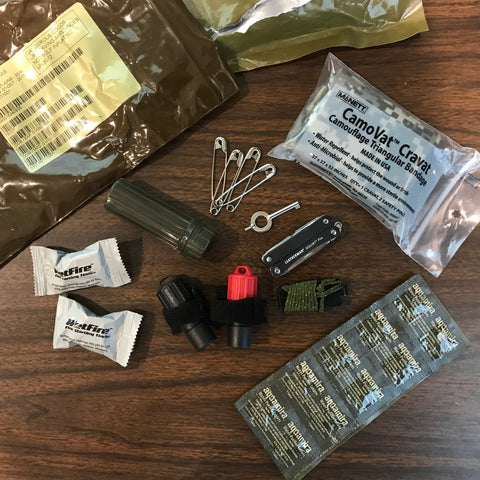
Fire is essential for warmth, cooking, and signaling for help. Carrying reliable fire starters can make all the difference. Consider adding waterproof matches, a flint striker, or a magnesium fire starter to your kit.
These tools are compact but powerful. A magnesium fire starter, for example, can create sparks even when wet. Have you tested your fire starters recently to ensure they still work?
Navigation Aids
Getting lost is a common survival challenge. Navigation aids help you find your way back to safety. A simple compass paired with a detailed map of your area is a must-have.
Some people add GPS devices, but remember batteries can die. Learning to use a compass and reading natural signs can keep you going if tech fails. How confident are you in your navigation skills?
Multi-tools And Knives
A good multi-tool or knife is indispensable. These tools serve many purposes, from cutting rope to preparing food. Look for multi-tools with pliers, screwdrivers, and blades all in one.
Choose knives with sturdy, sharp blades and comfortable grips. A folding knife saves space, but a fixed blade might be stronger for heavy-duty tasks. What tasks do you think you’ll need a knife for in an emergency?
Shelter And Clothing
Having the right shelter and clothing in a survival kit is vital. Shelter protects from harsh weather and keeps you safe. Clothing helps maintain body temperature and shields from injuries. Both must be lightweight, compact, and effective.
Emergency Blankets
Emergency blankets are thin, light, and retain body heat. They can reduce heat loss by reflecting up to 90% of body warmth. Use them as a sleeping cover or create a temporary shelter.
- Compact and easy to carry
- Waterproof and windproof
- Durable against tears
- Can be used as ground cover or shelter wrap
Include at least one emergency blanket in your kit. It takes little space but offers great protection.
Protective Clothing
Choose clothing that protects against weather and rough terrain. Layers work best for insulation and flexibility.
- Base layer: moisture-wicking fabric to keep skin dry
- Middle layer: insulating materials like fleece or wool
- Outer layer: waterproof and windproof jacket
- Durable pants and sturdy boots for protection
- Hat and gloves to prevent heat loss
Pack clothing that fits well and suits the climate. Replace wet clothes quickly to avoid hypothermia.
Personal Safety Items
Personal safety items are crucial when building a survival kit at home. These items help protect you from immediate dangers and make it easier to signal for help if needed. Think about what you would need to stay safe in different emergency situations, whether you’re indoors or outside.
Whistles And Signaling Devices
A loud whistle can be a lifesaver. It uses less energy than shouting and carries sound much farther, helping rescuers find you quickly. Adding a small, bright flashlight or a reflective mirror to your kit can also improve your chances of being seen.
Choose whistles that are durable and produce a sharp, piercing sound. Some whistles have built-in compasses or even small lights, adding more functionality without extra weight.
Have you ever tried shouting for help and felt your voice weaken? A whistle gives you a consistent, reliable way to signal without tiring yourself out.
Masks And Gloves
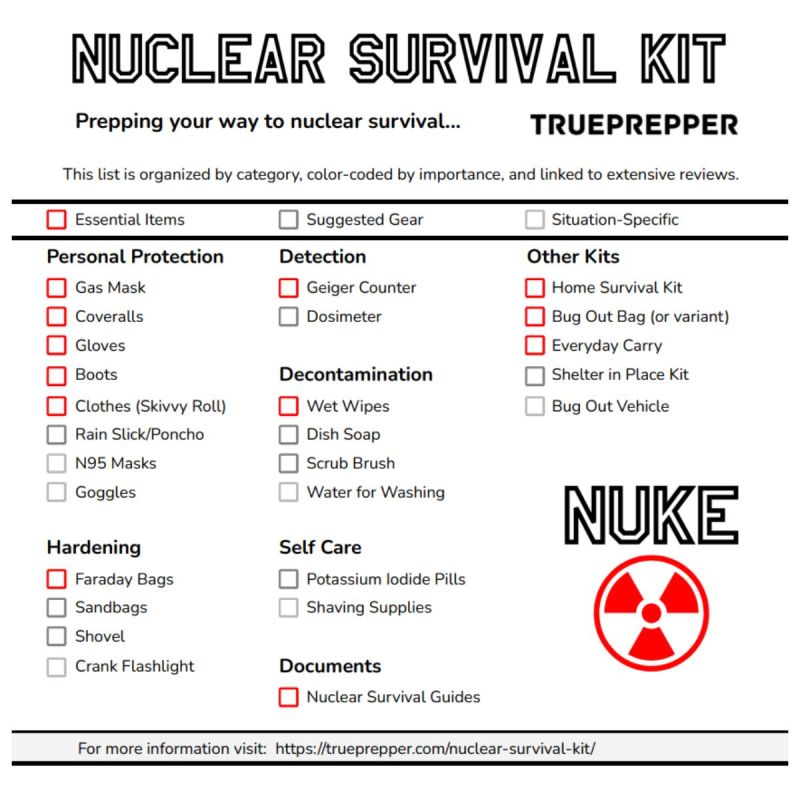
Protecting yourself from airborne particles and contaminated surfaces is essential, especially in disaster scenarios involving dust, smoke, or harmful chemicals. Include disposable masks and sturdy gloves in your kit to reduce exposure to germs and debris.
Look for masks with at least N95 rating if possible, as they filter out most airborne particles. For gloves, durable nitrile or latex options work well, but make sure to pack extra pairs in case some get damaged.
Using masks and gloves not only protects your health but also helps prevent the spread of illness if you’re assisting others. Can you imagine trying to handle a situation without this simple barrier?

Credit: mendovoice.com
Packing And Organizing Tips
Packing and organizing a survival kit properly saves time and reduces stress. A well-packed kit ensures quick access to vital items during emergencies. Organizing items thoughtfully also prevents damage and keeps everything neat.
Prioritizing Items
Focus on essential items first. Prioritize food, water, and medical supplies. Next, include tools and navigation aids. Clothing and shelter come after. Keep the most important items easy to reach.
- Water and purification tablets
- Non-perishable food
- First aid kit
- Flashlight with extra batteries
- Multi-tool or knife
- Emergency blanket or tarp
Group similar items together. This helps find things fast. Label compartments or bags inside the kit. This speeds up locating items in urgent moments.
Compact Storage Solutions
Choose small, lightweight containers or bags. Use clear plastic bags to see contents easily. Vacuum-sealed bags save space for clothes and blankets. Stack items to maximize space inside the kit.
- Use ziplock bags for small items
- Roll clothes tightly to reduce bulk
- Use modular pouches for tools and first aid
- Store batteries separately to avoid leaks
Keep a checklist inside the kit. Check items regularly to replace expired goods. Compact and organized kits make survival easier and faster.
Maintenance And Updates
Keeping your survival kit ready requires regular maintenance and updates. Supplies can expire, and your needs may change with the seasons. A well-maintained kit ensures you have the right tools when emergencies happen. Small checks and adjustments keep your kit reliable and useful.
Checking Expiry Dates
Always check the expiry dates on food, water, and medicines. Expired items can lose effectiveness or become unsafe. Replace items before they expire. Mark your calendar to remind yourself to check every few months. Keep a list of expiry dates for quick reference.
Seasonal Adjustments
Change your kit contents based on the season. Add warm clothes and blankets in winter. Include sunscreen, hats, and water bottles in summer. Consider local weather and natural disasters common in your area. Update your kit to match these conditions.

Credit: premierbodyarmor.com

Credit: www.youtube.com
Frequently Asked Questions
What Essential Items Should Be In A Home Survival Kit?
A home survival kit should include water, non-perishable food, first aid supplies, a flashlight, batteries, and a multi-tool. Include personal hygiene items, emergency blankets, and important documents. These essentials cover basic needs during emergencies or natural disasters.
How Often Should I Update My Survival Kit At Home?
Update your survival kit every six months to ensure all items are usable. Check expiration dates on food, water, and medical supplies. Replace worn-out or outdated gear. Regular updates keep your kit ready for any emergency situation.
Can I Customize A Survival Kit For My Family’s Needs?
Yes, customize your survival kit based on family size, ages, and medical needs. Include medications, baby supplies, or pet food if necessary. Tailoring your kit ensures everyone’s safety and comfort during emergencies.
Where Should I Store A Home Survival Kit?
Store your survival kit in a cool, dry, and easily accessible place. Choose a location known to all family members. Avoid damp areas to prevent damage and ensure quick access during emergencies.
Conclusion
Creating a survival kit at home is smart and simple. Gather basic items like water, food, and first aid supplies. Keep your kit in an easy-to-reach place. Regularly check and update your supplies. Being prepared can make a big difference in emergencies.
Start small and add items over time. Safety begins with simple steps you can take today. Stay ready and stay safe.