Imagine being caught in freezing cold weather, far from help, with no way to stay warm or safe. Scary, right?
That’s exactly why having a winter survival kit is not just smart—it could save your life. You might think it’s something only extreme adventurers need, but the truth is, you and your loved ones should be prepared too. You’ll discover what a winter survival kit is, why it’s essential, and how to build one that fits your needs perfectly.
Keep reading, because your safety in winter depends on it.
Winter Survival Kit Basics
Understanding the basics of a winter survival kit can make a huge difference when you face harsh cold conditions. It’s not just about stuffing a bag with random items; it’s about being prepared with the essentials that will keep you safe and comfortable. Let’s break down what you really need to know about these kits.
Purpose Of The Kit
A winter survival kit is designed to help you stay alive and manage emergencies in freezing weather. It provides tools and supplies to protect you from cold-related dangers like hypothermia and frostbite. Think of it as your lifeline when you’re stuck outside or lose heat and shelter unexpectedly.
Besides survival, the kit also helps you stay calm and focused. When I once got caught in a sudden snowstorm during a hike, my kit gave me the confidence to stay put and wait for help. Without it, panic might have taken over.
When To Use It
You should use your winter survival kit anytime you’re outdoors in cold weather and there’s a risk of getting stranded or lost. This includes hiking, camping, driving in remote areas, or even during power outages at home in winter.
Ask yourself: How far am I from help? What if my car breaks down on an icy road? Having a kit ready means you’re prepared for these “what if” moments, not caught off guard.
Remember, it’s not just for extreme adventures. Even short trips in winter can turn risky fast if the weather changes suddenly. Carry your kit and keep it accessible at all times.
Essential Clothing Items
Essential clothing items form the backbone of any winter survival kit. They protect your body against harsh temperatures and unpredictable weather. Without the right clothing, your chances of staying safe and comfortable drop significantly.
Insulated Outerwear
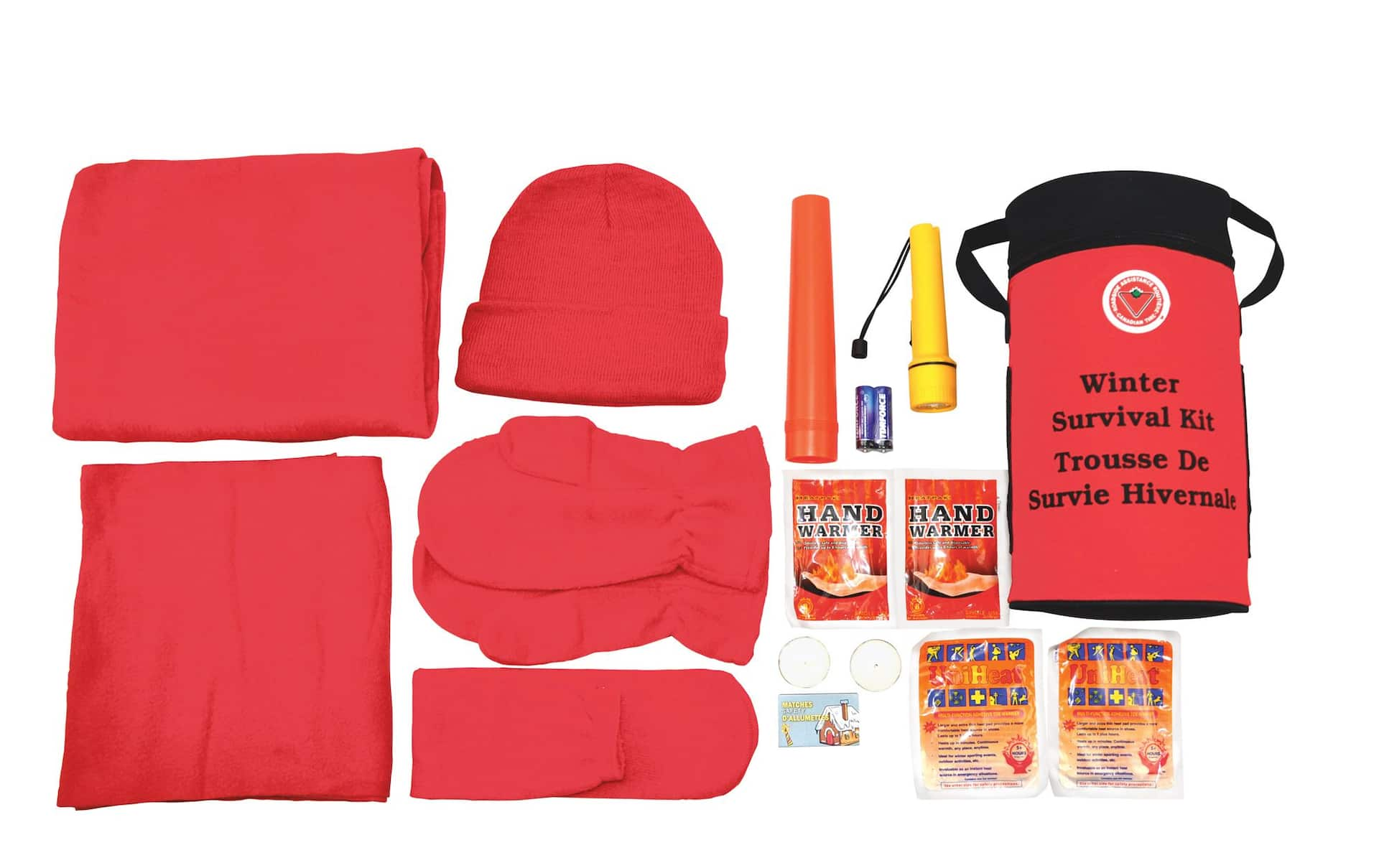
Insulated jackets and coats trap body heat, keeping you warm when temperatures plunge. Look for options filled with down or synthetic insulation for maximum warmth.
Think about the last time you faced biting cold—did your jacket keep you cozy or leave you shivering? A good insulated outer layer can make all the difference between enduring and enjoying your time outside.
Thermal Layers
Thermal layers, including base and mid-layers, wick moisture away and add extra warmth. Materials like merino wool or synthetic fabrics work best to keep sweat from chilling your skin.
Wearing just one thick layer won’t work as well as multiple thin layers that you can adjust. Have you ever felt too hot or too cold because your clothing was all wrong? Thermal layers give you control over your comfort.
Waterproof Accessories
Waterproof gloves, hats, and boots shield you from snow and rain, preventing cold water from soaking through. Wet clothing quickly drains your body heat, making waterproof gear a must-have.
Imagine trudging through wet snow with soggy boots—how long do you think you’d last before feeling numb? Keeping your extremities dry is crucial for survival and mobility in winter conditions.
Key Survival Tools
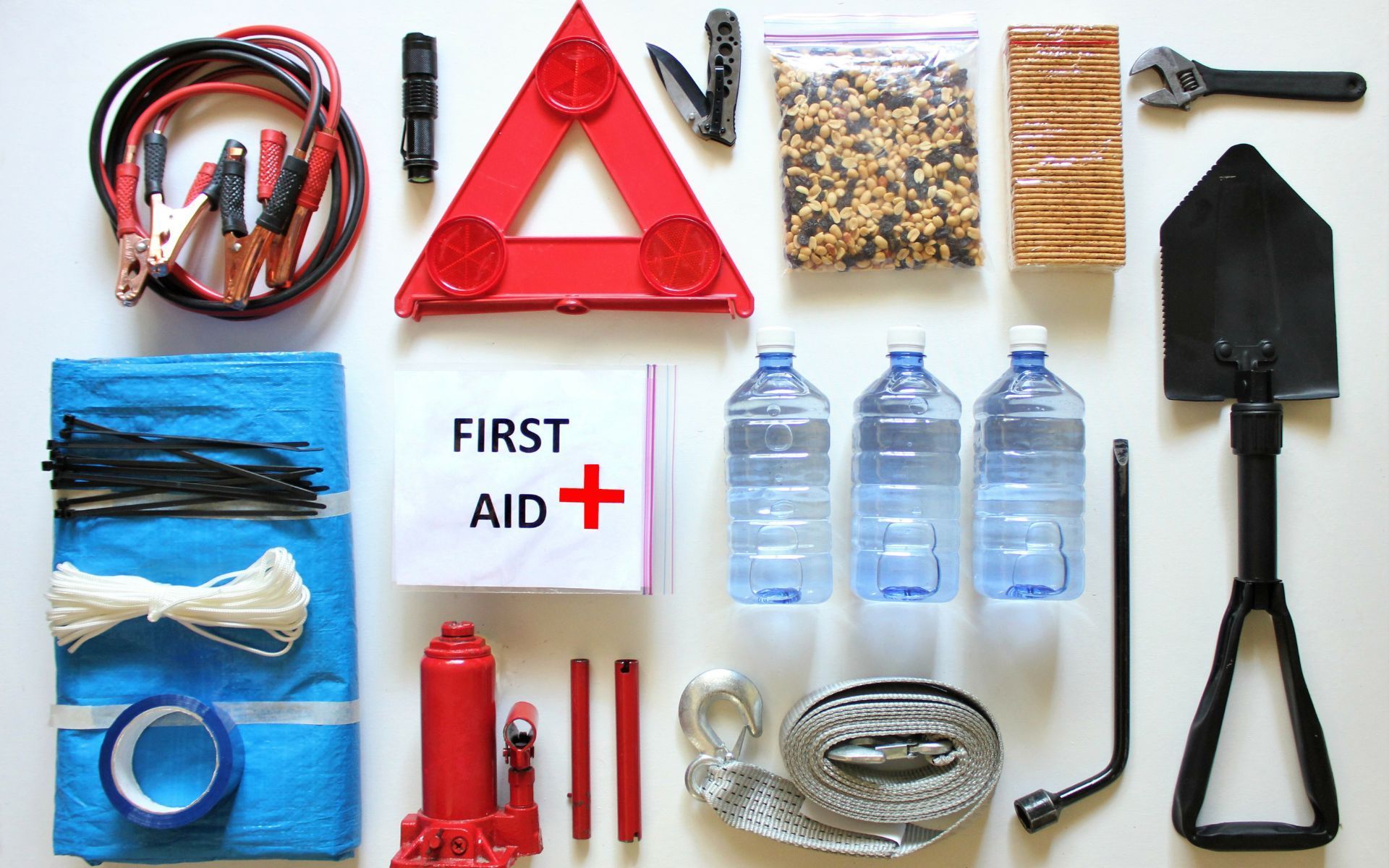
A winter survival kit must have key tools for safety and warmth. These tools help you stay alive and comfortable in cold conditions. Choosing the right items can make a big difference during emergencies. Focus on essentials that provide heat, protection, and shelter.
Fire Starting Equipment
Fire is crucial for warmth and cooking. Include waterproof matches, a lighter, and fire starters. Tinder like cotton balls soaked in petroleum jelly works well. Fire steel or magnesium rods are reliable in wet weather. Pack these items in a sealed container to keep them dry.
Cutting Tools
A sharp cutting tool helps with many survival tasks. A sturdy fixed-blade knife is ideal for cutting wood and food. A multi-tool with pliers and scissors adds versatility. Carry a small folding saw to cut branches for shelter or firewood. Keep blades sharp and secure to avoid accidents.
Shelter Materials
Shelter protects from wind, snow, and cold. Include a compact emergency blanket or bivy sack. A lightweight tarp or plastic sheet can create a quick shelter. Paracord or rope is useful for tying materials together. Pack these items small but strong for easy carry and fast setup.
Food And Hydration Supplies
Food and hydration supplies are vital components of any winter survival kit. Cold weather increases your body’s energy needs, so you must have reliable sources of nutrition and water. Without them, staying warm and alert becomes much harder.
Non-perishable Food
Choose foods that last long without refrigeration. Think canned goods like beans, soups, and vegetables. These provide essential calories and nutrients even after months of storage.
Include energy-dense snacks such as nuts, dried fruits, and granola bars. They are easy to carry and consume on the go. I once relied on a handful of almonds during a snowstorm, and it kept my energy steady when I needed it most.
Don’t forget comfort foods like instant oatmeal or powdered milk. They can boost morale and provide warmth with minimal preparation. How would you feel eating a cold meal in freezing temperatures?
Water Storage And Purification
Water is heavier to carry but more critical than food. Store at least one gallon per person per day. Use durable containers that won’t crack in the cold.
Snow and ice can be melted for drinking water, but purification is key. Pack water purification tablets or a portable filter to remove harmful bacteria and parasites. I’ve learned this the hard way after drinking untreated meltwater and facing stomach issues that slowed me down.
Consider insulated water bottles to prevent freezing. Staying hydrated helps your body regulate temperature and avoid hypothermia. What’s your plan to keep water accessible in a freezing environment?
Navigation And Communication Gear
Navigation and communication gear form the backbone of any winter survival kit. They help you find your way and stay in touch during emergencies. Proper tools reduce risks and increase your chances of rescue. Staying oriented in snowy or foggy conditions is challenging. Reliable communication devices ensure help is within reach.
Maps And Compasses
Maps and compasses are simple, yet essential tools for winter travel. A detailed topographic map shows terrain, trails, and landmarks. A compass helps you keep the right direction, especially when visibility is low. Digital devices can fail due to cold or dead batteries. Paper maps and a quality compass never run out of power.
- Choose waterproof or laminated maps for durability.
- Practice reading maps and using a compass before heading out.
- Mark key points like shelters, water sources, and routes.
Emergency Communication Devices
Emergency communication devices save lives in critical situations. Cell phones may lose signal in remote areas. Satellite messengers and personal locator beacons (PLBs) provide reliable contact. They work anywhere on Earth, sending distress signals with GPS location. Two-way radios allow communication within a group when separated. Carry extra batteries or power banks to keep devices working.
- Satellite messenger: Sends texts and SOS globally.
- Personal locator beacon: Sends emergency signals to rescue teams.
- Two-way radios: Useful for group communication without cell service.
Credit: www.safetykitsplus.com
Health And Safety Essentials
Health and safety essentials are the backbone of any effective winter survival kit. They prepare you to handle unexpected injuries, illnesses, and safety risks that arise in harsh winter conditions. Having these items ready can make a critical difference when help is far away.
First Aid Kit
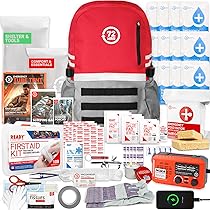
A well-stocked first aid kit is your immediate response tool for cuts, burns, or frostbite. Include bandages, antiseptic wipes, adhesive tape, and pain relievers. Adding a thermal blanket and tweezers can help manage more serious injuries.
Think about the last time you faced a minor injury outdoors. Having the right supplies instantly eased the situation, didn’t it? Your kit should be compact but thorough enough to cover common winter mishaps.
Cold Weather Medicines
Medicines that target cold-related symptoms are crucial. Stock up on decongestants, cough syrups, and fever reducers. Don’t forget vitamins and electrolyte tablets to keep your immune system strong and hydration balanced.
Have you ever underestimated how quickly cold symptoms can worsen without proper medication? Preparing ahead lets you tackle those issues without panic or delay.
Personal Safety Items
Personal safety items protect you from environmental dangers and potential threats. Include a whistle, a flashlight with extra batteries, and a multi-tool. Reflective tape or clothing can also increase your visibility during snowstorms or low-light conditions.
Imagine being stranded in a blizzard at night—how would you signal for help? These simple tools can be lifesavers when seconds count.
Packing And Maintenance Tips
Packing and maintaining your winter survival kit takes more than just throwing items into a bag. Thoughtful organization and regular upkeep ensure that your kit is ready when you need it most. Neglecting these aspects can turn your carefully gathered supplies into a frustrating mess.
Organizing Your Kit
Start by grouping items by category: food, water, warmth, first aid, and tools. Use clear, labeled pouches or small containers to keep things tidy and easy to find.
Think about how you’ll access your kit during an emergency. Place frequently used items, like a flashlight or matches, near the top. Heavier items should go at the bottom to keep the pack balanced.
Have you ever rummaged through a jumbled bag and wasted precious time? A well-organized kit prevents that stress and speeds up your response.
Regular Checks And Updates
Winter gear can degrade or expire, especially food and batteries. Mark a calendar reminder to check your kit every few months. Replace expired items immediately to avoid surprises when you need them.
Test your equipment regularly. Make sure your flashlight still works, your water filter isn’t clogged, and your fire starters ignite quickly. These small tests can save your life.
Don’t forget to adjust your kit based on changing conditions or personal needs. If you add a new medication or upgrade your gear, update your kit accordingly.
Credit: www.amazon.ca
Credit: www.canadiantire.ca
Frequently Asked Questions
What Is Included In A Winter Survival Kit?
A winter survival kit typically includes essentials like warm clothing, blankets, food, water, a first aid kit, and tools. These items help you stay warm, nourished, and safe during emergencies in cold weather.
Why Do I Need A Winter Survival Kit?
A winter survival kit prepares you for unexpected cold weather emergencies. It ensures you have supplies to stay warm, hydrated, and safe if stranded or facing power outages during winter storms.
How Do I Choose The Best Winter Survival Kit?
Choose a kit based on your location, climate, and activity. Look for quality, essential items, and portability. Customize it with personal medications and tools for your specific winter needs.
Can A Winter Survival Kit Save My Life?
Yes, a properly stocked winter survival kit can save your life. It provides critical warmth, nutrition, and medical supplies during extreme cold or emergencies, reducing risks of hypothermia and injury.
Conclusion
A winter survival kit keeps you safe in cold weather. It holds important items like warm clothes, food, and tools. Being ready can prevent many dangers during winter trips. Always check your kit before heading out. Stay prepared, stay warm, and stay alive.
A small effort can save your life in harsh conditions. Keep your winter survival kit close and know how to use it. Safety starts with good preparation.