Imagine facing an emergency where help is far away. What’s the one thing you absolutely need to keep going?
It’s food. You might think water and first aid are enough, but without food, your body can’t fight stress, stay strong, or think clearly. Your survival kit isn’t complete without it. You’ll discover why food is a must-have in your survival kit and how it can make the difference between just surviving and staying healthy until help arrives.
Keep reading—your life could depend on it.

Credit: www.goodhousekeeping.com
Role Of Food In Survival
Food plays a vital role in survival situations. It provides the body with essential nutrients and energy to endure tough conditions. Without food, the body weakens quickly, making survival harder. Including food in your survival kit is crucial for sustaining life and maintaining strength.
Energy For Physical Activity
Food fuels the body’s muscles for movement and tasks. Physical activities like walking, building shelter, or gathering resources need energy. Without food, the body cannot perform these tasks efficiently. Calories from food convert into energy that keeps the body active and strong.
Maintaining Body Functions
The body needs nutrients to keep vital systems working. Organs like the heart, lungs, and brain depend on food for energy. Food helps maintain body temperature and repairs tissues. Without food, these functions slow down, putting health at risk.
Mental Clarity And Focus
Food affects brain function and concentration. Proper nutrition helps maintain alertness and decision-making skills. Lack of food can cause confusion, fatigue, and poor judgment. Staying nourished supports mental clarity during survival challenges.
Credit: www.battlbox.com
Types Of Food For Survival Kits
Choosing the right types of food for your survival kit can make a huge difference in tough situations. You want options that last long, provide enough energy, and keep you healthy. Let’s look at the kinds of food that work best in these kits and why they matter.
Non-perishable Options
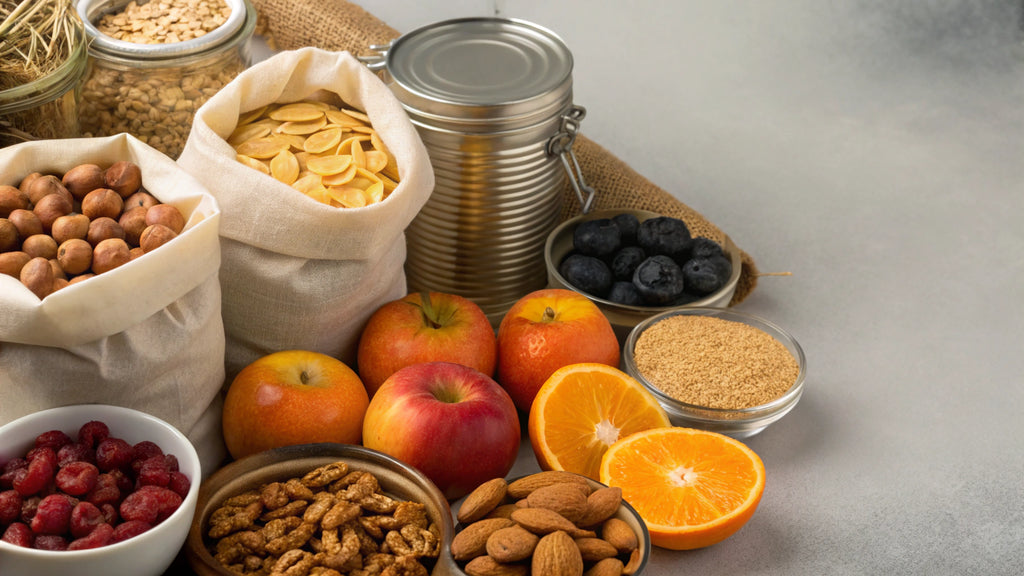
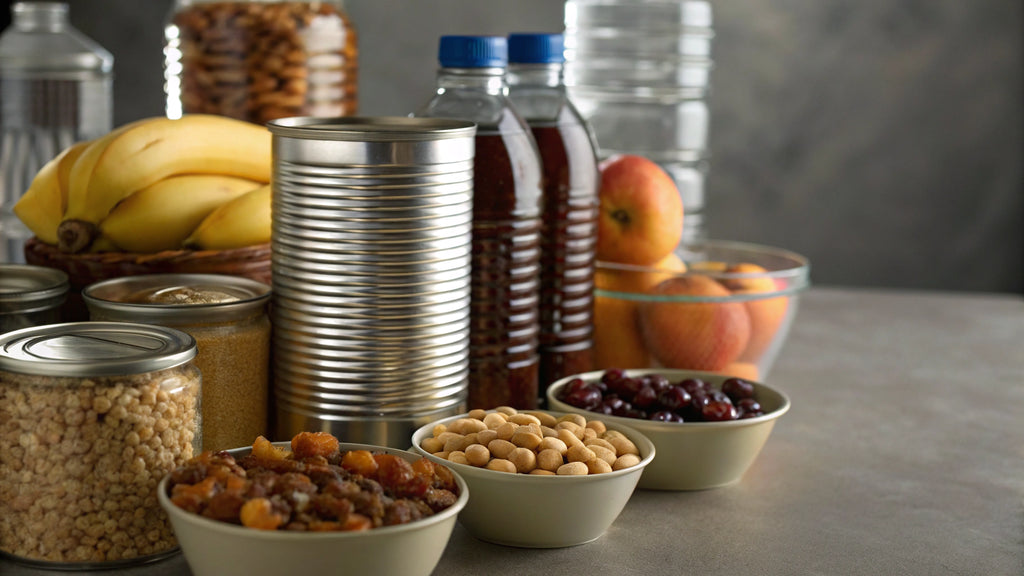
Non-perishable foods are the backbone of any survival kit. These items don’t spoil quickly and can stay safe to eat for months or even years.
- Canned beans, vegetables, and meats
- Dried pasta and rice
- Freeze-dried fruits and meals
- Energy bars and nuts
Think about how you can store these foods without worrying about refrigeration. Have you checked the expiration dates on your current supplies lately?
High-calorie Choices
When you’re in survival mode, your body needs more energy to keep going. High-calorie foods help you stay strong and alert.
- Peanut butter and other nut butters
- Chocolate and trail mix
- Granola and energy bars packed with fats and carbs
I once underestimated the value of calorie-dense snacks during a long hike. Your energy level can drop fast without them, so pack smart.
Nutrient-dense Foods
It’s not just about calories; your body needs vitamins and minerals to function properly. Nutrient-dense foods support your immune system and overall health.
- Dried fruits like apricots and raisins
- Powdered milk or plant-based protein powders
- Multivitamin supplements as a backup
Have you ever felt weak or sick during an emergency because your diet was lacking? Including these foods can keep you feeling better when it counts.
Caloric Needs In Emergencies
In emergencies, understanding caloric needs is crucial for survival. Food provides energy the body uses to function. Without enough calories, the body weakens quickly. The right amount of calories keeps energy levels steady. This helps maintain strength and mental focus.
Caloric needs vary depending on daily activities and conditions. Balancing food and hydration supports overall health in tough situations. Knowing these needs helps pack the right food in a survival kit.
Daily Energy Requirements
The body needs a certain number of calories daily to work properly. This is the baseline energy used for breathing, digestion, and other vital functions. Most adults need between 1,800 and 2,500 calories daily. Emergencies can change these needs due to stress and environment. Eating enough calories keeps the body from breaking down muscle and fat.
Adjusting Intake For Activity Levels
Activity level affects how many calories the body burns. More movement means more calories are needed. In survival situations, physical tasks increase energy use. Walking, building shelter, or gathering resources uses extra calories. Adjust food intake to match activity to avoid fatigue and weakness.
Hydration And Food Balance
Water and food work together for survival. Proper hydration helps digestion and nutrient absorption. Drinking enough water prevents dehydration, which lowers energy. Foods with water content, like fruits, aid hydration. Balance food and fluids to stay healthy and energized in emergencies.

Credit: backpackerspantry.com
Food Storage And Preservation
Food storage and preservation play a key role in any survival kit. Proper storage keeps food safe and nutritious for longer periods. It prevents spoilage, waste, and contamination. Preserved food ensures you have reliable energy in emergencies. Preparing food to last requires careful planning and the right materials. Understanding storage techniques helps maintain food quality and safety over time.
Packaging For Longevity
Packaging protects food from air, moisture, and pests. Airtight containers and vacuum-sealed bags work well. Use materials like Mylar bags, glass jars, or heavy-duty plastic. Proper packaging reduces oxygen exposure and slows down spoilage. Label packages with dates to track freshness. Small, sealed portions make storage and use easier.
Temperature Considerations
Temperature affects food shelf life and safety. Store food in cool, dry places away from sunlight. Avoid areas with high heat or humidity. Temperatures between 50°F and 70°F are ideal for most foods. Extreme cold can damage some food textures. Monitor storage areas and adjust conditions when needed.
Rotating Supplies
Rotating supplies ensures food stays fresh and usable. Use the oldest items first and replace them with new ones. Check expiration dates regularly. Keep an inventory list to track what you have. Rotation prevents waste and maintains a ready supply of edible food. This habit saves money and improves survival preparedness.
Preparing Food Without Power
Preparing food without power is a key skill for survival situations. Power outages or outdoor emergencies often leave no access to electric stoves or microwaves. Having a plan for preparing meals ensures you stay nourished and energetic.
Survival kits should include options that allow food preparation without electricity. These choices save time and effort while keeping you safe and healthy.
No-cook Food Options
No-cook foods require no heat or special equipment. They are easy to store and carry. Examples include:
- Nut butters and energy bars
- Canned fruits and vegetables
- Dried nuts and seeds
- Jerky and dried meats
- Instant oatmeal and powdered milk
These foods provide quick energy and essential nutrients. They are ideal during emergencies or outdoor trips.
Using Portable Cooking Tools
Portable cooking tools help prepare hot meals without power. Common tools include:
- Camping stoves fueled by propane or butane
- Portable grills and fire pits
- Mess kits and lightweight pots
- Solar ovens that use sunlight
These tools are compact and efficient. They allow boiling water, cooking soups, and heating canned foods.
Water Purification For Cooking
Clean water is vital for cooking and drinking. Purify water before use to avoid illness. Simple methods include:
- Boiling water for at least one minute
- Using water purification tablets
- Filtering with portable water filters
- Solar disinfection by placing water in clear bottles under sunlight
Purified water improves taste and safety. Always prepare food with safe water to protect your health.
Psychological Benefits Of Food
Food is not just fuel for your body during survival situations—it plays a crucial role in keeping your mind stable and focused. The psychological benefits of having food in your survival kit can help you stay calm, motivated, and connected with others around you. Let’s look at how food supports your mental well-being when things get tough.
Comfort And Morale
Eating familiar foods can bring a sense of comfort in stressful moments. Your brain associates certain tastes and smells with safety and happiness, which can boost your morale instantly.
Imagine biting into a simple chocolate bar or sipping warm soup after a long, exhausting day. That small pleasure can lift your spirits and keep you going.
Routine And Normalcy
Maintaining a regular eating schedule helps create a sense of normalcy. When everything around you feels chaotic, sticking to meal times gives your day structure.
This routine can reduce anxiety by providing predictable moments, helping your mind to focus on survival tasks instead of fear.
Sharing And Social Bonds
Food often brings people together. Sharing meals can strengthen social bonds and provide emotional support, which is vital during tough times.
Have you noticed how breaking bread with others creates a moment of connection? In survival situations, this connection can be a powerful source of strength.
Common Mistakes In Food Selection
Choosing the right food for your survival kit is more complex than just grabbing a few snacks off the shelf. Many people make mistakes that can turn a well-stocked kit into a burden during an emergency. Understanding these common pitfalls can save you from unnecessary stress and ensure your kit truly supports your needs.
Ignoring Dietary Restrictions
Have you ever thought about how allergies or dietary needs affect your survival food choices? It’s easy to overlook these when packing a kit, but ignoring them can lead to serious health risks. If you or someone in your group has allergies or follows a special diet, your food supplies must reflect that.
For instance, packing peanut-based snacks in a kit for someone with a nut allergy is dangerous. Gluten intolerance or diabetes also requires careful selection of foods. Always list out dietary restrictions before buying supplies to avoid surprises when you need the food most.
Overlooking Shelf Life
Food that spoils quickly defeats the purpose of a survival kit. Many people pick foods without checking expiration dates or shelf life. This can result in wasted money and, worse, unusable supplies during an emergency.
Think about items like fresh bread or dairy products—they won’t last long in a kit. Instead, focus on canned goods, freeze-dried meals, and sealed snacks designed to stay edible for months or years. Ask yourself: How long will this food stay safe and nutritious?
Underestimating Quantity Needs
How much food do you really need in a survival situation? This question trips up many people who pack too little, assuming a day or two’s worth is enough. In reality, emergencies can last longer than expected, and hunger can weaken your ability to cope.
Calculate enough calories per person per day, and then multiply by the number of days you want to be prepared for. Don’t forget to include extra for unexpected delays or additional people. It’s better to have a bit more than to run out at a critical moment.
Frequently Asked Questions
Why Is Food Essential In A Survival Kit?
Food provides the energy needed to stay active and alert during emergencies. It helps maintain body heat and supports vital functions, ensuring survival in tough conditions.
How Does Food Help In Survival Situations?
Food supplies essential nutrients that prevent weakness and fatigue. It boosts the immune system, helping the body fight illness and recover faster in emergencies.
What Types Of Food Are Best For Survival Kits?
Non-perishable, lightweight, and nutrient-dense foods like energy bars, nuts, and dried fruits are ideal. They have long shelf lives and provide quick energy when needed.
How Much Food Should Be Stored In A Survival Kit?
Store enough food for at least three days per person. This amount ensures adequate energy supply during short-term emergencies or natural disasters.
Conclusion
Food keeps our body strong during emergencies. It gives energy to think and act fast. Without food, we feel weak and tired quickly. A survival kit with food helps us stay calm and focused. It supports our health when help is far away.
Always pack enough food for unexpected times. Ready food means better chances to stay safe. Simple but important. Always remember this for your safety.