Have you ever wondered if you can make napalm with the items in your survival kit? It’s a question that sparks curiosity and caution at the same time.
Knowing the truth could be crucial if you find yourself in an emergency where fire is needed for warmth or protection. But before you try anything, it’s important to understand what napalm really is, how it works, and the risks involved.
Keep reading to discover the facts you need to stay safe and make smart choices with your survival gear.
Napalm Basics
Understanding napalm is important for anyone interested in survival skills or history. This section covers the basics of napalm, explaining what it is and its historical uses. Knowing these facts helps clarify why napalm is a controversial and dangerous substance.
What Is Napalm
Napalm is a thick, sticky substance that burns fiercely. It is made by mixing gasoline with a gelling agent. This gel keeps the fuel burning longer and sticks to surfaces. Napalm produces intense heat and thick smoke. It is difficult to extinguish once ignited. The sticky nature makes it especially destructive.
Historical Uses
Napalm was first used in World War II. It became well-known during the Vietnam War. Military forces used napalm to destroy enemy hideouts and vehicles. It caused widespread fires and severe burns. Napalm was also used to clear vegetation in war zones. Its use has raised many ethical and legal debates. Today, napalm remains a symbol of powerful and brutal warfare.

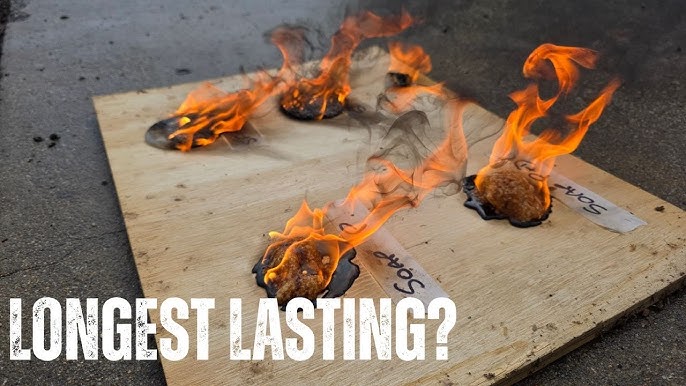
Credit: www.youtube.com
Survival Kit Components
A survival kit holds essential tools and supplies to help in emergencies. It usually contains items to support basic needs like food, water, shelter, and first aid. Understanding these components helps you prepare better for unexpected situations.
Some survival kits focus on specific tasks, while others offer general support. Knowing what is included helps you decide if the kit suits your needs.
Common Items Included
- Water purification tablets or filters
- Non-perishable food items
- First aid supplies like bandages and antiseptics
- Fire starters such as matches or lighters
- Multi-tool or knife
- Emergency blanket or shelter
- Flashlight and extra batteries
- Rope or paracord
- Whistle for signaling
Items Needed For Napalm
Napalm is a sticky, flammable substance requiring specific materials. These are not part of a standard survival kit.
- Gasoline or a similar fuel
- Thickening agents like soap flakes or polystyrene
- Containers for mixing and storage
- Protective gloves and safety gear
Creating napalm is dangerous and illegal in many places. It is not recommended for survival or emergency use.
Ingredients For Napalm
Napalm is a sticky, flammable substance that burns slowly and intensely. It requires specific ingredients to create its thick, gel-like consistency. These ingredients fall into two main groups: fuel sources and thickening agents. Each plays a crucial role in the effectiveness of napalm.
Fuel Sources
Fuel sources provide the energy needed for napalm to burn. They are usually liquids that catch fire easily and burn for a long time. Common fuel sources include:
- Gasoline – widely available and highly flammable
- Kerosene – burns slower and steadier than gasoline
- Diesel – thicker and burns longer, often mixed with other fuels
The choice of fuel affects how hot and how long the napalm will burn.
Thickening Agents
Thickening agents turn liquid fuel into a sticky gel. This gel sticks to surfaces and burns slowly. Common thickening agents include:
- Soap – simple and accessible, can thicken gasoline
- Polystyrene – found in disposable cups or packaging, dissolves in fuel to create gel
- Aluminum soap – a chemical thickener used in some military-grade napalm
These agents help the fuel cling to targets and burn longer than liquid fuel alone.
Making Napalm Safely
Making napalm safely requires careful attention to detail and respect for the materials involved. This substance can be dangerous if handled incorrectly. Knowing the correct steps and safety measures helps reduce risks. Always prepare in a controlled environment, away from children and pets. Proper safety gear is essential to protect yourself during the process.
Step-by-step Process
- Gather materials: gasoline, soap flakes, and a container.
- Mix soap flakes with water until dissolved.
- Slowly add gasoline to the soap mixture.
- Stir gently until the mixture thickens to a gel-like consistency.
- Transfer the napalm gel into a safe container for use or storage.
Safety Precautions
- Work outdoors or in a well-ventilated area.
- Wear gloves and eye protection to avoid contact.
- Keep a fire extinguisher nearby in case of accidents.
- Never smoke or use open flames during preparation.
- Store napalm away from heat and direct sunlight.
- Dispose of leftover materials responsibly.
Legal And Ethical Issues
Discussing the legal and ethical issues around making napalm in a survival kit is crucial. Napalm is a dangerous substance with serious consequences. Knowing the laws and moral aspects helps avoid trouble and harm. This section covers key points about legality and ethics.
Legality Of Possession
Possessing napalm is illegal in many places. Laws ban making, owning, or using it without special permission. Authorities treat napalm as a weapon or hazardous material. Getting caught with napalm can lead to heavy fines or jail time. Always check local laws before handling any flammable or explosive materials.
Ethical Concerns
Napalm causes severe harm and suffering. Its use in wars has led to lasting injuries and deaths. Making napalm for survival raises moral questions. Using it can harm innocent people and the environment. Ethical survival skills focus on protection, not destruction. Consider safer and lawful alternatives for emergency situations.

Credit: www.amazon.com
Alternatives To Napalm
Napalm is dangerous and not practical for survival kits. Many safer and effective fire-starting options exist. These alternatives help you build fire without harmful chemicals. Learning these methods improves safety and preparedness outdoors.
Other Fire-starting Methods
- Use waterproof matches or a lighter for easy ignition.
- Carry flint and steel to create sparks in any weather.
- Try a magnesium fire starter; it produces hot sparks fast.
- Use a bow drill to create friction and start a fire naturally.
- Keep cotton balls soaked in petroleum jelly as a reliable tinder.
- Gather dry leaves, bark, or pine needles to catch sparks easily.
Safer Survival Tools
- Compact fire pistons use air pressure to ignite tinder safely.
- Windproof lighters work well in tough weather conditions.
- Multi-tools with built-in fire starters combine several functions.
- Portable stoves provide controlled heat for cooking and warmth.
- Survival candles burn steadily and light up small spaces.
- Always pack a small container of dry tinder for quick use.

Credit: www.amazon.com
Frequently Asked Questions
Can You Legally Make Napalm In A Survival Kit?
Making napalm is illegal in many countries due to its dangerous nature. It is often classified as a weapon. Always check local laws before attempting to create or possess such substances.
What Ingredients Are Needed To Make Napalm?
Napalm typically requires gasoline and a thickening agent like soap or polystyrene. Survival kits usually do not contain these items. Handling these ingredients can be hazardous and is not recommended without proper knowledge.
Is Napalm Effective For Survival Situations?
Napalm is highly flammable and can cause severe burns. However, it is impractical and dangerous for survival use. Safer fire-starting tools are recommended for emergencies.
Can Napalm Be Made Safely In A Survival Kit?
No, making napalm safely requires specialized knowledge and equipment. Attempting to create it in a survival kit is risky and can cause serious injury or legal trouble.
Conclusion
Making napalm in a survival kit is risky and not recommended. It requires dangerous chemicals and special skills. Carrying or making it can cause serious harm or legal trouble. Survival kits should focus on safe, helpful tools instead. Stay smart and choose safer ways to protect yourself.
Always follow laws and respect safety first. Your safety matters most in any survival situation.