Imagine facing an unexpected emergency without the right tools to keep you safe and comfortable. Would you know what to grab or how to survive until help arrives?
Your best chance in any crisis is having the right emergency survival kit ready. But with so many options out there, how do you find the best one for your needs? This guide will help you understand exactly what to look for, so you can protect yourself and your loved ones when it matters most.
Keep reading to discover how to build or choose the perfect survival kit that fits your life and gives you peace of mind.

Credit: www.amazon.com
Key Features Of Survival Kits
Choosing the best emergency survival kit means looking beyond just the list of items it contains. The key features define how effective the kit will be when you need it most. Understanding these features helps you pick a kit that fits your specific needs and environment.
Essential Supplies
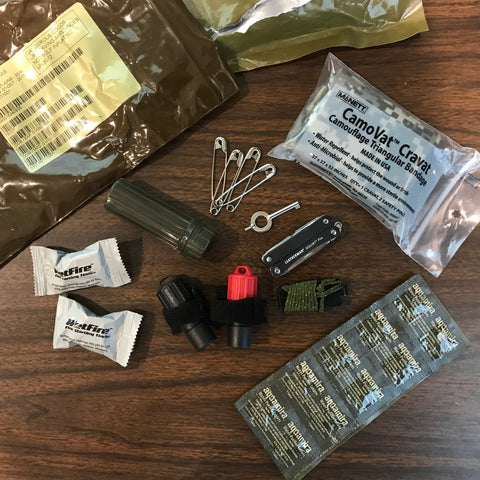
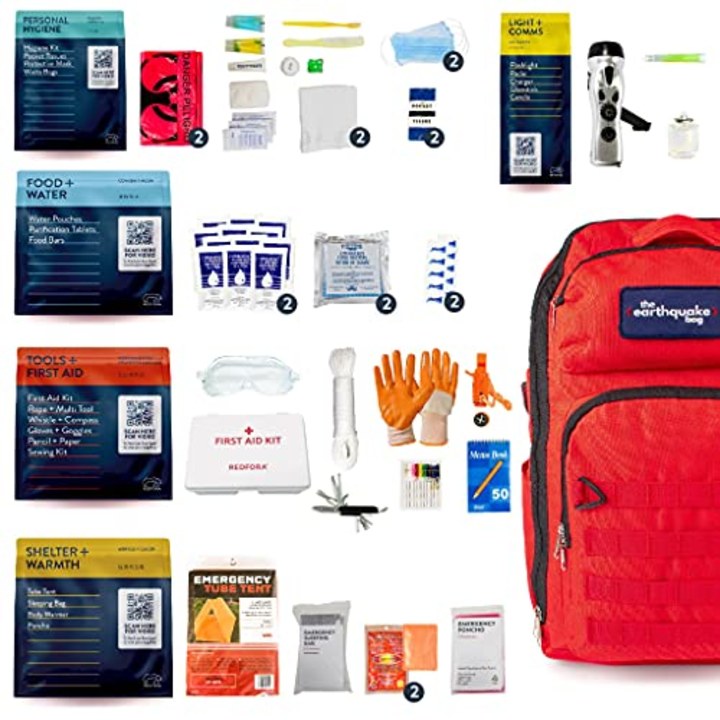
Your survival kit should cover the basics: food, water, shelter, and first aid. Look for kits that include high-calorie food bars, water purification tablets, and a compact first aid kit with bandages, antiseptics, and pain relievers.
Don’t forget tools like a multi-tool, flashlight, and fire starter. These can make all the difference when you’re in a tough spot. Ask yourself: does this kit have what I need to sustain myself for at least 72 hours?
Durability And Portability
Durability means the kit can handle rough conditions without falling apart. Choose kits stored in waterproof, tear-resistant bags or hard cases. This protects your supplies from moisture and damage.
Portability is just as critical. You want a kit that’s light enough to carry comfortably but still big enough to contain essential items. Think about whether you’ll carry it in a backpack, glove compartment, or your office.
Shelf Life And Maintenance
Check the expiration dates on food, water, and medical supplies. Longer shelf life means less frequent replacements and better readiness. Some kits provide rotating supplies or instructions on how to update contents over time.
Regularly maintaining your kit is key. You might find expired items or discover missing tools when you inspect it. How often do you plan to check your kit to keep it ready for any emergency?

Credit: www.amazon.com
Top Emergency Survival Kits
Choosing the right emergency survival kit can make a huge difference when disaster strikes. Different situations demand different supplies, so knowing which kit suits your needs is key. Below, you’ll find top emergency survival kits tailored for various scenarios, helping you prepare effectively and confidently.
Best For Natural Disasters
Natural disasters like hurricanes, earthquakes, and floods require kits that focus on essentials for prolonged shelter and safety. Look for kits with water purification tools, non-perishable food, first aid supplies, and emergency blankets. A sturdy, waterproof container is crucial to keep everything dry and accessible.
One kit I once used during a severe storm had an emergency radio and multiple light sources, which kept me informed and calm throughout the blackout. Does your kit include communication tools to keep you connected when power and cell service are down?
Best For Urban Emergencies
Urban emergencies, such as power outages or civil disturbances, call for compact kits that fit easily in your home or car. These kits should include items like a multi-tool, face masks, portable phone charger, and basic medical supplies. Quick access and portability make a big difference here.
Think about your daily commute or workplace. Could your kit fit in your backpack or glove compartment? The best urban emergency kits are small but packed with versatile tools to handle unexpected situations in the city.
Best For Outdoor Adventures
Outdoor survival kits need to cover all bases—from shelter and fire-starting to navigation and food. Lightweight and compact, these kits often include a compass, fire starter, water filter, and high-energy snacks. Durability and ease of use are critical when you’re miles away from help.
On a hiking trip, I learned how vital having a reliable fire starter was when the weather turned colder than expected. Can your kit help you build a fire quickly and safely? That simple tool might be your best friend outdoors.
Customizing Your Survival Kit
Customizing your survival kit makes it truly effective. A one-size-fits-all kit may miss important items for your situation. Tailoring your kit ensures you are ready for specific challenges. Focus on your health, environment, and the people with you.
Personal Health Needs
Include medicines you take daily. Add supplies for allergies or chronic conditions. Pack extra glasses or contact lenses if needed. First aid items should cover cuts, burns, and pain relief. Personal hygiene products keep you comfortable and healthy.
Climate Considerations
Adjust your kit for the weather in your area. Warm clothes and blankets work for cold places. Sunscreen and hats are vital in hot climates. Rain gear helps if you live where it rains often. Water purification tools become crucial in dry or remote areas.
Family And Group Size
Plan supplies based on the number of people. More people need more food and water. Include items for children, like diapers and snacks. Consider extra shelter or sleeping bags for everyone. Communication tools help keep the group connected and safe.

Credit: premierbodyarmor.com
Budgeting For Quality Kits
Budgeting for an emergency survival kit can feel overwhelming, especially when you want quality but need to keep costs manageable. The key is knowing where to spend wisely and where to save. Understanding your options helps you build a kit that won’t break the bank but still keeps you prepared.
Affordable Options
You don’t have to spend a fortune to get a reliable survival kit. Many affordable kits include essentials like water purification tablets, basic first aid supplies, and compact tools.
Look for kits priced under $50 that still cover the basics. Some brands focus on lightweight, multi-use items to keep costs down without sacrificing functionality.
Ask yourself: What are the absolute must-haves for your environment? Prioritize those to avoid paying for extras you might never use.
Premium Kits Worth Investing
If your budget allows, premium kits offer higher-quality gear and more comprehensive supplies. These often include durable backpacks, advanced water filters, and professional-grade first aid items.
I once bought a premium kit for hiking trips. The difference in durability and the peace of mind it gave me was worth every extra dollar.
Think about how often you’ll rely on your kit. Spending more on trusted brands can save you in critical moments.
Diy Kit Cost Breakdown
| Item | Estimated Cost | Notes |
|---|---|---|
| Water Filter | $20 – $50 | Essential for clean water |
| First Aid Supplies | $15 – $30 | Bandages, antiseptics, painkillers |
| Multi-tool | $20 – $40 | Knife, pliers, screwdriver |
| Emergency Blanket | $5 – $15 | Keeps you warm and dry |
| Food Rations | $10 – $25 | High-calorie, long shelf life |
| Flashlight | $10 – $30 | LED with extra batteries |
Building your own kit lets you control costs and tailor supplies to your needs. Adding items over time spreads out expenses.
What parts of your survival kit could you assemble yourself to save money without risking safety?
Expert Tips For Kit Maintenance
Maintaining an emergency survival kit ensures it works well during crises. Regular care keeps supplies ready and reliable. Neglecting maintenance can lead to expired or damaged items. Follow expert tips to keep your kit in top shape.
Regular Inspections
Check your kit every three to six months. Look for damaged packaging or broken items. Confirm all tools and supplies are complete. Testing equipment like flashlights or radios is crucial. Note anything missing or worn out for replacement.
Replacing Expired Items
Food, water, and medicine have expiration dates. Replace these items before they expire. Expired food can cause health issues. Medications lose effectiveness over time. Keep a list of expiration dates to track easily.
Storage Best Practices
Store your kit in a cool, dry place. Avoid direct sunlight and moisture. Use airtight containers to protect contents. Keep the kit accessible but safe from children or pets. Label the kit clearly for quick identification during emergencies.
Frequently Asked Questions
What Should An Emergency Survival Kit Include?
An emergency survival kit should include water, non-perishable food, first aid supplies, flashlight, batteries, and a multi-tool. It must also have emergency blankets, whistle, and personal hygiene items to ensure safety and comfort during unexpected situations.
How To Choose The Best Survival Kit For Emergencies?
Choose a survival kit based on your environment, family size, and emergency type. Look for durable, compact kits with essential supplies. Prioritize kits with long-lasting food, reliable tools, and clear instructions for effective emergency preparedness.
How Often Should I Update My Emergency Survival Kit?
Update your survival kit at least once a year. Replace expired food, batteries, and medications. Regularly check and refresh supplies to ensure everything remains functional and safe for use during emergencies.
Can I Customize My Emergency Survival Kit?
Yes, customizing your survival kit is crucial. Add items specific to your needs, like prescription medications, baby supplies, or regional tools. Tailoring your kit increases preparedness and comfort during emergencies.
Conclusion
Choosing the best emergency survival kit means thinking about your needs. A good kit keeps you safe during unexpected events. It should have food, water, first aid, and tools. Check the kit often to make sure items are fresh. Customize it to fit your location and family size.
Being prepared brings peace of mind in tough times. Start small and build your kit step by step. Safety begins with readiness, and a good kit helps. Stay ready, stay safe.