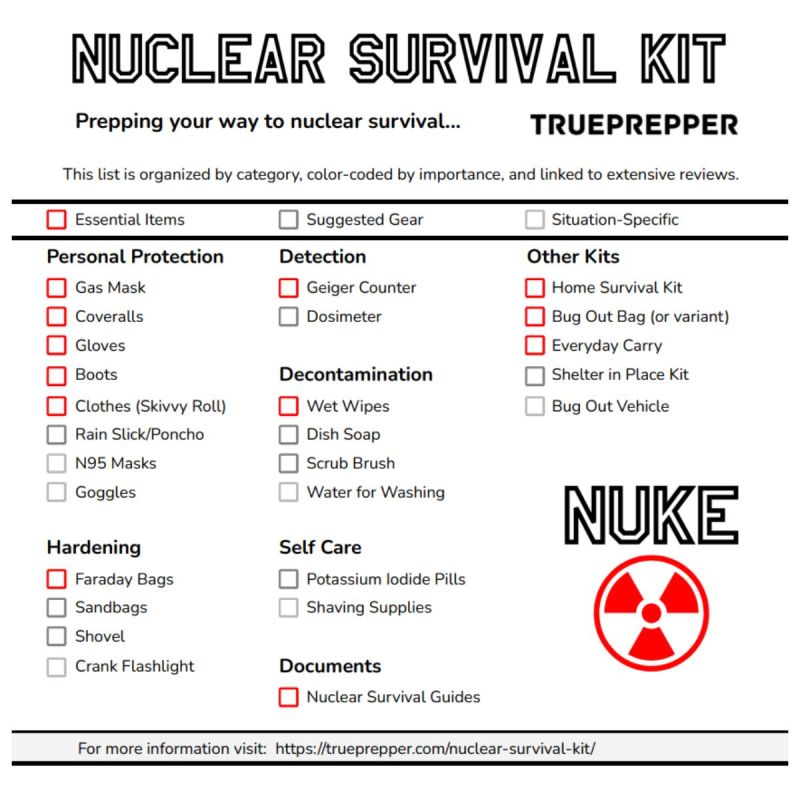
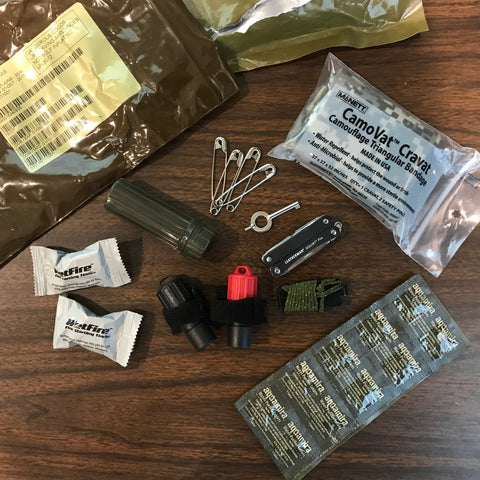
Imagine finding yourself alone in the wilderness, far from help. What would you need to stay safe and survive?
Having a well-prepared survival kit can make all the difference between danger and safety. In this guide, you will learn exactly how to create a survival kit tailored to your needs. By the end, you’ll feel confident knowing you’re ready for unexpected challenges.
Keep reading to discover the essential items you must include and the simple steps to put your kit together quickly and effectively. Your safety depends on it.
Essential Survival Gear
Having the right survival gear can make all the difference when you’re out in the wilderness. Your safety, comfort, and ability to handle unexpected situations depend on what you carry. Let’s break down the essential items you need to prepare a survival kit that truly supports you in the wild.
Shelter And Sleeping Equipment
Your shelter protects you from harsh weather and keeps you warm during the night. A lightweight tent, a durable tarp, or even a compact bivy sack can serve as your shelter. Don’t forget a sleeping bag or an insulated sleeping pad to keep your body heat from escaping into the cold ground.
Water Purification Tools
Water is critical for survival, but natural sources often carry harmful bacteria. Carry a reliable water filter or purification tablets to make sure the water you drink is safe. A simple metal container for boiling water is also a handy backup in case your primary tools fail.
Food And Cooking Supplies
High-energy, non-perishable food is key. Think trail mix, energy bars, and dehydrated meals that are easy to carry and prepare. A compact stove or a portable burner will help you cook or heat your food quickly, giving you the energy to keep going.
Navigation Devices
Getting lost can turn a manageable situation into a serious emergency. A reliable compass and a detailed map of the area should always be in your kit. GPS devices are great but remember they depend on batteries; carry extra power sources or backup options.
First Aid Essentials
Accidents happen, and being prepared can prevent minor injuries from turning dangerous. Include bandages, antiseptic wipes, pain relievers, and any personal medications. Knowing how to use these items effectively is just as important as having them.
Fire Starting Materials
Fire means warmth, cooking, and a way to signal for help. Pack waterproof matches, a reliable lighter, and fire starters like cotton balls soaked in petroleum jelly. These small items can be lifesavers when conditions get tough.
Multi-tools And Knives
A good multi-tool or a sharp knife can serve many purposes—from preparing food to making repairs. Choose one that feels comfortable in your hand and has the essential functions you need. Remember, the right tool can save time and energy when every minute counts.

Credit: www.youtube.com
Clothing And Personal Items
Clothing and personal items are essential parts of a wilderness survival kit. They protect the body from harsh weather and help maintain health and comfort. Choosing the right clothes and supplies can increase your chances of staying safe outdoors. This section covers key clothing and personal items to pack for any adventure.
Weather-appropriate Clothing
Choose clothes that fit the climate and season. Layering helps adjust to temperature changes. Start with a moisture-wicking base layer to keep sweat off your skin. Add an insulating layer to trap heat. Finish with a waterproof and windproof outer layer for protection.
- Lightweight shirts and pants for warm weather
- Thermal underwear and fleece jackets for cold conditions
- Waterproof jackets and pants
- Extra socks and underwear
Protective Accessories
Accessories shield vulnerable parts of the body from injury and the elements. They also improve comfort during long treks. Include items that block sun, insects, and cold air.
- Wide-brimmed hat or cap
- Sunglasses with UV protection
- Gloves for warmth and protection
- Bandanas or neck gaiters
- Sturdy boots or shoes with good grip
Hygiene Supplies
Good hygiene prevents infections and boosts morale. Pack lightweight, compact items that serve multiple purposes. Focus on essentials to keep clean and healthy.
- Biodegradable soap
- Toothbrush and toothpaste
- Small towel or washcloth
- Hand sanitizer
- Sanitary wipes or tissues
- Compact first-aid kit
Packing And Organization Tips
Packing a survival kit for the wilderness requires careful planning and smart organization. A well-packed kit saves time and effort during emergencies. It helps you find essential items quickly. Organizing your gear increases your chances of staying safe and comfortable in the wild. Use these tips to pack and arrange your survival kit efficiently.
Choosing The Right Container
Select a container that is sturdy and waterproof. It should protect your items from rain and dirt. The size must fit all your essentials without being bulky. Look for containers with compartments or dividers. This helps keep items separated and easy to find. Consider lightweight materials like plastic or metal. A container with a secure lid prevents spills and damage.
Packing For Accessibility
Place frequently used items on top or in outer pockets. Items like a flashlight, knife, and first aid kit should be easy to reach. Use small bags or pouches to group similar items. Label each pouch for quick identification. Avoid overpacking to reduce clutter. Keep heavy and bulky items at the bottom. This way, you can grab what you need fast.
Weight Distribution Strategies
Balance the weight inside your container to make carrying easier. Put heavier items near the center and bottom. Lighter items go on top or around the edges. This prevents the kit from tipping or feeling awkward. Use soft items like clothing to cushion fragile gear. Evenly distributed weight reduces strain on your back and arms. Check the weight before heading out and adjust if needed.
Customizing Your Kit
Customizing your survival kit is essential because no two wilderness adventures are the same. Your kit should reflect the specific challenges you might face and your personal needs. Tailoring your gear can mean the difference between being prepared and being caught off guard.
Adapting To Different Environments
Think about the environment where you’ll be spending most of your time. A survival kit for a desert setting needs extra water purification tools and sun protection. Meanwhile, a forested area demands fire-starting supplies and insect repellent.
Consider seasonal changes too. Cold climates require thermal blankets and hand warmers, while humid areas call for moisture-proof storage. What unique risks does your environment pose, and how can your kit respond?
Including Personal Medications
Your survival kit isn’t complete without your personal medications. Whether it’s allergy pills, asthma inhalers, or prescription drugs, these are vital for your health and safety. Pack enough for the duration of your trip and a bit extra for emergencies.
Also, add a compact first aid guide tailored to your medical needs. This can help you manage unexpected symptoms when professional help is far away. Have you checked your medication expiration dates recently?
Adding Communication Devices
Staying connected can save your life. Include communication devices that suit your trip’s remoteness and duration. A basic whistle might suffice for short hikes, but a satellite phone or GPS messenger is crucial in isolated areas.
Don’t forget extra batteries or portable chargers to keep your devices running. Have you tested your communication gear before heading out? It’s better to find out now if something doesn’t work.
Maintenance And Regular Updates
Keeping your survival kit in top shape means more than just assembling it once. Regular maintenance and updates ensure every item works when you need it most. Neglecting this can turn a lifesaver into a dead weight.
Checking Expiration Dates
Expired items can fail you in critical moments. Check dates on food, medications, and batteries at least twice a year. Mark your calendar or set phone reminders to make this a routine task.
Think about that energy bar or flashlight battery you packed last year. Would you trust it now? If not, replace it immediately. Your survival kit should feel as reliable as your own instincts.
Replacing Used Items
Used supplies must be replaced promptly after every adventure or emergency. Running low on bandages or using up water purification tablets means your kit isn’t ready for the next challenge. Keep a small checklist to track what you use.
This habit helped me avoid panic during a weekend hike when I realized my kit was fully stocked and ready to go. What would you do if you found your kit half empty just before a trip?
Seasonal Adjustments
Different seasons demand different gear. Swap out cold-weather items like thermal blankets in winter for extra sun protection and hydration aids in summer. Adjust your kit to suit the environment you expect to face.
Last fall, I swapped my summer sunscreen for hand warmers and heavier gloves. That simple change made a huge difference in comfort and safety. How does your kit change with the seasons?

Credit: www.youtube.com
Survival Skills To Complement Your Kit
Having a well-packed survival kit is essential, but your skills are what truly keep you safe in the wilderness. Without the right abilities, even the best gear can fall short. Developing key survival skills not only boosts your confidence but also improves your chances of overcoming unexpected challenges.
Basic First Aid Knowledge
Knowing how to treat common injuries can make a huge difference. Simple skills like cleaning wounds, stopping bleeding, and recognizing signs of shock can save lives. Carrying a first aid guide in your kit helps, but practicing these skills beforehand makes you ready when it counts.
Think about a time when a small cut got infected because it wasn’t cleaned properly. Wouldn’t it be better to know how to handle it immediately? Learning CPR and how to use a tourniquet can turn you from a helpless bystander into a lifesaver.
Fire Making Techniques
Fire provides warmth, cooks food, and signals for help. Knowing multiple ways to start a fire ensures you’re prepared even if your matches get wet. Learn to use a lighter, flint and steel, and natural materials like dry tinder or pine resin.
Try building a fire with just natural resources during your practice trips. It sharpens your ability to adapt when your usual tools fail. Have you ever struggled to light a fire? Practicing can turn frustration into skill.
Navigation Skills
Getting lost is one of the most dangerous situations in the wild. Basic navigation skills help you find your way back or reach safety. Learn to read a map and compass, and understand natural indicators like the sun and stars.
GPS devices can fail, so don’t rely on technology alone. Try hiking without gadgets to test your skills. Can you identify north without a compass? This skill can be a game-changer in survival situations.

Credit: m.youtube.com
Frequently Asked Questions
What Are The Essential Items For A Wilderness Survival Kit?
Essential items include a knife, fire starter, water filter, first aid kit, and emergency shelter. These tools help you stay safe and comfortable outdoors.
How Do I Choose The Right Container For My Survival Kit?
Pick a durable, waterproof container that is compact and lightweight. It should protect your items and fit easily in your backpack.
How Much Water Should I Carry In A Survival Kit?
Carry at least one liter of water per person per day. Include a portable water filter or purification tablets for safety.
What Food Should I Pack In A Wilderness Survival Kit?
Pack lightweight, high-energy, non-perishable foods like nuts, energy bars, and dried fruits. These provide necessary calories and last long without refrigeration.
Conclusion
A good survival kit can save your life in the wild. Choose items that are light and useful. Keep your kit organized and check it often. Practice using your tools before you go. Being ready brings peace of mind and safety.
Stay calm, stay prepared, and enjoy your adventure.