Imagine facing an emergency without the right tools to keep you safe and comfortable. What would you do?
Having a survival kit ready can make all the difference when unexpected situations arise. But what exactly do you need to include in your survival kit to be truly prepared? You’ll discover the essential items that can protect you, help you stay calm, and even save your life.
Keep reading to make sure your survival kit has everything you need when it matters most.
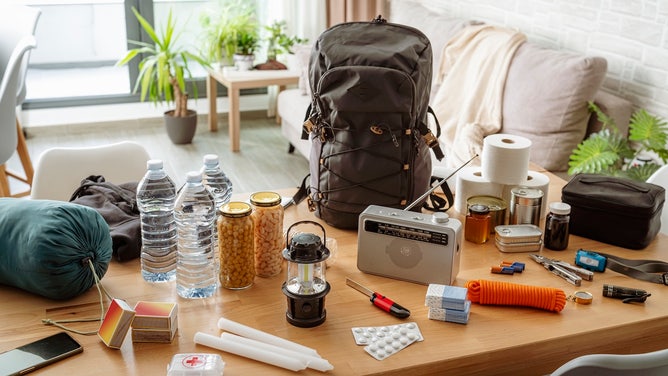
Credit: www.foxweather.com
Basic Survival Essentials
Building a survival kit means focusing on the essentials that keep you alive and functioning. Basic survival essentials cover the most critical needs: water, food, and shelter. These items form the foundation of your kit, ensuring you can stay hydrated, nourished, and protected in any emergency.
Water And Hydration Tools
Water is the top priority in any survival situation. Without it, your body can’t perform even basic functions for long. Include a sturdy water container, such as a durable bottle or collapsible bladder, to carry and store water efficiently.
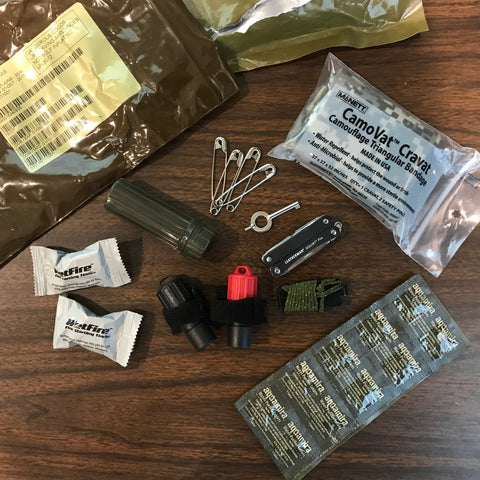
Adding a reliable water purification method is key. Options like water purification tablets, portable filters, or even a small UV purifier can save you from drinking unsafe water. Have you tested your purification tools before? Knowing they work is as important as having them.
Food And Nutrition Supplies
Pack lightweight, non-perishable food that provides good energy. Think of high-calorie items like energy bars, nuts, dried fruits, and freeze-dried meals. These foods are easy to store and require minimal preparation.
Don’t forget a compact utensil or multi-tool for eating and preparing food. Including a small stove or fire-starting kit can give you more meal options. How will you stay fueled if your survival situation lasts several days?
Shelter And Warmth Items
Your body temperature needs protection from the elements. A compact, weather-resistant shelter like a tent, tarp, or emergency bivvy bag will keep you dry and shielded. Adding an insulated sleeping bag or blanket helps retain body heat.
Include fire-starting materials such as waterproof matches, a lighter, or a ferro rod. Fire not only provides warmth but also boosts morale and allows for cooking. Have you practiced setting up your shelter quickly under pressure?
Navigation And Communication Gear
Navigation and communication gear is essential for staying safe and connected during any survival situation. Without the right tools, you risk losing your way or being unable to call for help. Having reliable equipment can mean the difference between a quick rescue and a prolonged ordeal.
Maps And Compasses
A detailed map and a sturdy compass are your best friends when GPS signals fail or batteries die. Paper maps don’t rely on power and can guide you through unfamiliar terrain effectively.
Learn to read topographic maps and use a compass accurately—practice makes perfect. Carry maps of the area you’re in and some from surrounding regions in case you need to travel far.
Signaling Devices
Signaling devices alert rescuers to your location when you can’t call out. Bright whistles, signal mirrors, and flares catch attention quickly and are easy to carry.
- Whistles:Loud and can be heard over long distances without tiring your voice.
- Signal mirrors:Reflect sunlight to create visible flashes even miles away.
- Flares:Useful at night or in low visibility to mark your position.
Have you ever thought about how a simple whistle could save your life? It’s often overlooked but incredibly effective.
Portable Communication Tools
Carrying portable communication devices keeps you connected beyond traditional phone networks. Two-way radios, satellite phones, and personal locator beacons (PLBs) offer different levels of reach and reliability.
Two-way radios work well for short-distance communication within your group. Satellite phones can connect you globally, but they require batteries and may be costly.
PLBs send distress signals directly to rescue services with GPS coordinates. They are compact, easy to use, and can be a lifesaver in remote areas.
Which device fits your needs depends on your environment and how far you might need to communicate. Consider your survival scenario carefully before choosing.
First Aid And Health Supplies
First aid and health supplies form the core of any survival kit. They help treat injuries, ease pain, and prevent infection. Preparing these items carefully ensures readiness for emergencies. Everyone needs a set of reliable tools and products to maintain health in tough situations.
Basic Medical Kits
A basic medical kit should include essential tools and dressings for wounds. Items like adhesive bandages, gauze pads, and antiseptic wipes are crucial. Include scissors, tweezers, and medical tape for easy handling.
- Adhesive bandages in various sizes
- Sterile gauze pads and rolls
- Antiseptic wipes or solution
- Medical tape
- Scissors and tweezers
- Disposable gloves
- Instant cold packs
Medications And Treatments
Keep common medications to relieve pain, reduce fever, and fight infections. Store any personal prescriptions securely. Include treatments for allergies and stomach problems.
- Pain relievers like ibuprofen or acetaminophen
- Antihistamines for allergic reactions
- Antibiotic ointment for cuts and scrapes
- Anti-diarrheal medicine
- Oral rehydration salts
- Personal prescription medicines
Personal Hygiene Items
Maintaining hygiene helps avoid illness during survival situations. Pack items to keep clean and prevent infections. Include essentials for daily care and sanitation.
- Antibacterial soap or hand sanitizer
- Toothbrush and toothpaste
- Wet wipes and tissues
- Feminine hygiene products
- Small towel or washcloth
- Disposable masks
Tools And Equipment
Tools and equipment form the backbone of any survival kit. They help solve problems, build shelter, prepare food, and keep you safe. Choosing the right tools can make a big difference in tough situations. Each item should be durable, lightweight, and multi-functional.
Knives And Multi-tools
A strong knife is a must-have for survival. It can cut rope, prepare food, and protect you. Look for a fixed blade knife with a comfortable grip and sharp edge.
Multi-tools combine several tools in one compact device. They often include pliers, screwdrivers, scissors, and knives. Multi-tools save space and add versatility to your kit.
Fire Starting Gear
Fire keeps you warm, cooks food, and signals for help. Carry reliable fire starters that work in any weather. Waterproof matches, lighters, and ferro rods are popular choices.
Store fire starters in a dry, easy-to-reach place. Practice using them before an emergency happens.
Cordage And Repair Kits
Cordage is useful for building shelters, making traps, and securing gear. Paracord is strong, lightweight, and easy to carry. Keep at least 15 feet in your kit.
Repair kits should include needles, thread, duct tape, and patches. These help fix torn clothes, torn gear, and other essential items. Small repairs can prevent bigger problems later.
Clothing And Protective Gear
Having the right clothing and protective gear in your survival kit can make a huge difference in tough situations. It’s not just about comfort—it’s about staying safe, warm, and dry. Your gear needs to be practical and reliable, ready to handle whatever nature throws at you.
Weather-appropriate Clothing
Choosing clothing that fits the weather conditions is critical. In cold climates, layers work best—start with moisture-wicking base layers, add an insulating mid-layer, and finish with a waterproof outer shell. In hot environments, lightweight, breathable fabrics protect you from the sun while keeping you cool.
Think about your last outdoor adventure. Did you feel cold or overheated? That experience can guide you to pick the right materials now. Avoid cotton—it traps moisture and chills you quickly.
Protective Accessories
Don’t overlook gloves, hats, and sunglasses. Gloves protect your hands from cuts, scrapes, and cold. A wide-brimmed hat shields your face from sunburn and rain. Sunglasses guard your eyes from harmful UV rays and dust.
Consider also a sturdy face mask or scarf; it can filter dust and keep your nose and mouth warm. What protective accessories do you usually carry? Are they enough for unexpected conditions?
Footwear Essentials
Your feet can make or break your survival experience. Durable, waterproof boots with good ankle support keep you steady on rough terrain. Always pack extra socks—wet feet lead to blisters and infections quickly.
Test your footwear before you rely on it. Do they feel comfortable after hours of walking? Good shoes not only protect but also conserve your energy.

Credit: www.amazon.com
Storage And Packing Tips
Proper storage and packing can make or break your survival kit’s effectiveness. You want quick access to essentials without wasting space or adding unnecessary weight. How you pack will impact your readiness in an emergency, so it pays to be thoughtful about every decision.
Choosing The Right Backpack
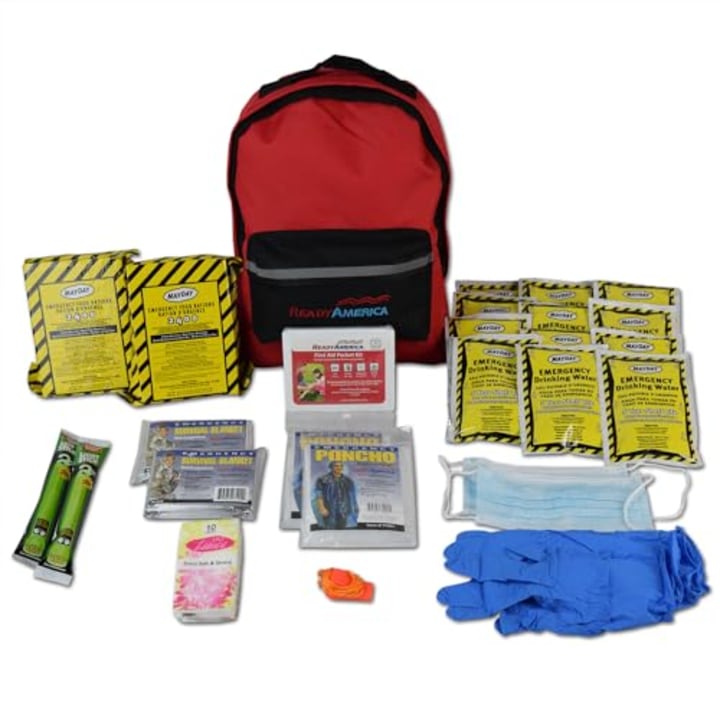
Your backpack is the foundation of your survival kit. Look for one that balances durability with comfort—padding on straps and a sturdy frame help when you’re carrying it for long periods. Waterproof or water-resistant materials protect your gear from the elements.
Consider compartments and pockets. Multiple sections let you separate food, tools, and first aid supplies for faster retrieval. Ask yourself: will this backpack fit your gear without bulging or causing discomfort?
Organizing Your Kit
Organization is key to efficiency. Use clear zip-lock bags or small pouches to group items by category. This way, you won’t waste time digging through a jumbled mess.
Place frequently used items like a flashlight or multi-tool in easy-to-reach spots. Bulkier items should go near the back to maintain balance. Have you tested your setup to find what works best under pressure?
Weight And Portability Considerations
Every ounce counts when you’re on the move. Prioritize lightweight gear without sacrificing quality. For example, replace glass bottles with durable plastic ones and choose compact, high-calorie food options.
Try packing your kit and wearing it for a short walk. Does it feel manageable or too heavy? Adjust your load accordingly—your survival kit should support you, not slow you down.
Customizing Your Survival Kit
Customizing your survival kit ensures it fits your unique situation. A one-size-fits-all kit may miss critical items. Tailoring your kit boosts your chances of staying safe and comfortable. Consider your surroundings, how long you may be out, and special personal needs. These factors shape what you pack. A well-thought-out kit feels ready for any challenge.
Tailoring To Environment
Your environment dictates many survival needs. Hot, dry places require more water and sun protection. Cold areas need extra insulation and fire-starting tools. Wet climates call for waterproof gear and quick-drying clothes. Urban settings may require tools for self-defense or navigation. Think about local plants, animals, and weather. Pack items that help you handle common dangers around you.
Adjusting For Duration
The length of your survival situation changes your kit’s content. A short trip needs fewer supplies than a long stay. For days, focus on basic food, water, and first aid. For weeks, add extra food, shelter options, and repair tools. Always plan for unexpected delays. Carry enough resources to last longer than planned. A larger kit means more weight, so balance essentials carefully.
Incorporating Personal Needs
Everyone has unique needs that affect survival gear. Consider medications, allergies, or special diet items. Include comfort items like glasses or hearing aids if necessary. Think about skills and experience too. If you know how to fish, pack a fishing kit. If you have children, add items for their care. Personalizing your kit makes survival easier and less stressful.

Credit: www.youtube.com
Frequently Asked Questions
What Are The Essential Items In A Survival Kit?
A survival kit should include water, food, a first aid kit, fire starters, and a reliable knife. These basics ensure hydration, nutrition, safety, warmth, and tool availability during emergencies.
How Much Water Should A Survival Kit Contain?
Your survival kit should have at least one gallon of water per person per day. This amount covers drinking and basic hygiene needs for 72 hours.
Why Is A First Aid Kit Important In Survival Kits?
A first aid kit helps treat injuries and prevent infections. It contains bandages, antiseptics, pain relievers, and essential medical supplies for emergencies.
What Food Types Are Best For Survival Kits?
Non-perishable, high-calorie foods like energy bars, dried fruits, and canned goods are ideal. They provide nutrition and last longer without refrigeration.
Conclusion
A good survival kit keeps you ready for emergencies. Pack essentials like water, food, and first aid supplies. Include tools such as a flashlight and a multi-tool. Check your kit often and replace expired items. Stay safe by being prepared for any situation.
Remember, a small kit can make a big difference. Stay calm, stay ready, and stay safe.