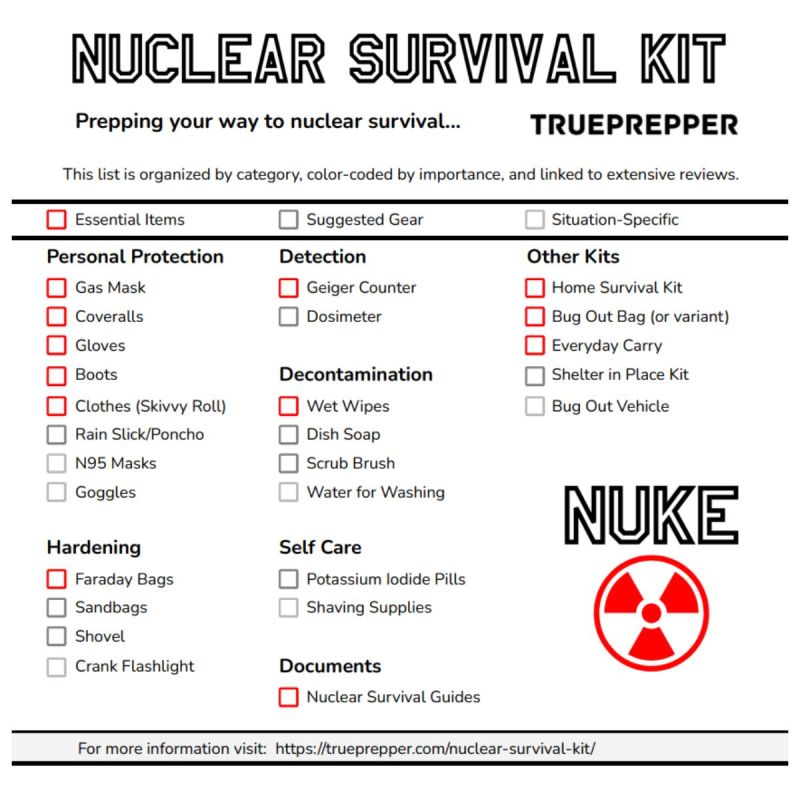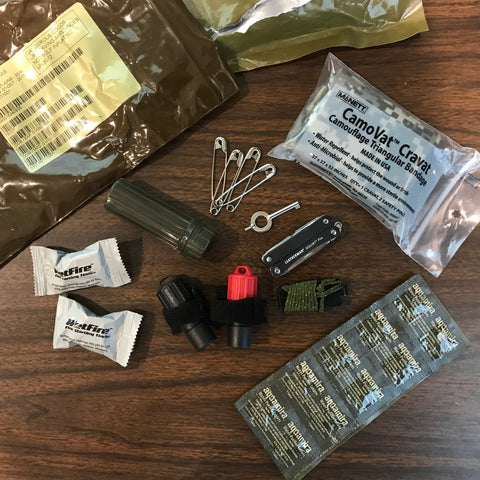
When disaster strikes, being prepared can make all the difference between safety and chaos. You might think you have time to gather what you need, but emergencies often come without warning.
That’s why having a well-stocked disaster survival kit is essential. But what exactly should you put in your kit to ensure you’re ready for anything? Keep reading, and you’ll discover the must-have items that could protect you and your loved ones when it matters most.
Don’t leave your safety to chance—take control now.
Credit: www.nbcnews.com
Water And Hydration Supplies
Water is the most crucial element in any disaster survival kit. Without clean and accessible water, your chances of staying healthy and alert drop sharply. Preparing your hydration supplies thoughtfully can make a huge difference in your ability to handle emergencies.
Bottled Water
Bottled water is the easiest and most reliable way to ensure you have safe drinking water on hand. Store at least one gallon per person per day, aiming for a minimum three-day supply. Choose sturdy bottles with secure caps, and keep them in a cool, dark place to maintain freshness.
Have you checked the expiration dates on your bottled water recently? Rotating your stock regularly helps avoid unpleasant surprises when you need it most. Remember, the quality of water stored in plastic bottles can degrade over time, so replace them every six months if possible.
Water Purification Methods
Relying solely on stored water might not be enough if your emergency lasts longer. Having water purification tools is a smart move. Options include water purification tablets, portable filters, and UV light purifiers.
Water purification tablets are compact and lightweight, making them easy to carry. Portable filters, like those with ceramic or carbon elements, can remove bacteria and sediments effectively. UV purifiers use ultraviolet light to kill germs instantly but require batteries or a power source.
Which purification method suits your lifestyle and kit size? Testing these tools before an emergency ensures you know how to use them correctly under pressure.
Collapsible Water Containers
Collapsible water containers are a space-saving solution that expands only when you fill them. They are great for storing extra water without taking up much room in your kit or home. Many are made from durable, BPA-free materials and come with handles for easy carrying.
These containers also make collecting water from natural sources possible once purified. You can store and transport water efficiently in situations where traditional bottles are impractical. Have you considered how much space you can save with collapsible containers in your survival kit?
Food And Nutrition
Food and nutrition are critical components of any disaster survival kit. Without proper nourishment, your energy and focus will quickly decline, making it harder to handle emergency situations. You need foods that last long, provide essential nutrients, and require minimal preparation.
Non-perishable Food Items
Stock up on foods that won’t spoil quickly. Canned beans, vegetables, and meats are great options because they store well and offer balanced nutrition. Dry goods like rice, pasta, and powdered milk also work well and can be combined with canned foods for variety.
Think about including items like:
- Canned tuna or chicken
- Instant oatmeal packets
- Dehydrated soups
- Nut butters in sealed jars
These items can keep you fed for days without refrigeration or cooking tools.
High-energy Snacks
When you’re on the move or need a quick boost, high-energy snacks are lifesavers. Look for nuts, trail mix, energy bars, and dried fruits. These snacks pack calories and nutrients into small packages, making them easy to carry and consume.
My personal experience taught me the value of these snacks during a power outage. Having trail mix and energy bars within reach helped me maintain stamina without cooking or meal prep.
Which snacks do you find easiest to grab when time is tight?
Manual Can Opener
A manual can opener is often overlooked but absolutely essential. Without electricity or batteries, canned food is useless if you can’t open it. Choose a sturdy, easy-to-use can opener that fits comfortably in your hand.
Keep it in your kit where it’s easy to find. This simple tool ensures you can access the nutrition you’ve prepared for emergencies.
First Aid Essentials
Having a well-stocked first aid kit is crucial when you’re preparing a disaster survival kit. It can make a huge difference in managing injuries or medical issues before professional help arrives. You want to be ready for anything, from minor cuts to more serious wounds.
Basic Medical Supplies
Start with the essentials like adhesive bandages in various sizes, sterile gauze pads, and adhesive tape. These items help cover and protect wounds from infection. Don’t forget scissors, tweezers, and disposable gloves to handle injuries safely and cleanly.
Including antiseptic wipes or solutions is a must to clean wounds properly. A CPR mask can save lives if someone stops breathing. Think about what you’d need to treat cuts, scrapes, or burns quickly and effectively.
Medications
Pack common over-the-counter pain relievers such as ibuprofen or acetaminophen to ease aches and pains. Antihistamines are important if allergies strike unexpectedly. If you take prescription medications, keep an extra supply in your kit, and rotate them regularly to avoid expiration.
Consider adding antacids, anti-diarrheal medicines, and oral rehydration salts. These can help with digestive issues that might occur during stressful situations. Ask yourself: What medicines do you rely on daily, and how can you keep them accessible during an emergency?
Personal Hygiene Items
Cleanliness is often overlooked but vital in preventing infections. Include items like hand sanitizer, antibacterial wipes, and soap. A small pack of tissues or wet wipes can be a lifesaver when water is scarce.
Don’t forget feminine hygiene products if needed. Toothbrush and toothpaste might seem minor but can boost morale and comfort. Think about what you use every day to stay clean and healthy, and add those items to your kit.

Credit: www.servpro.com
Tools And Equipment
Having the right tools and equipment in your disaster survival kit can make a huge difference when every second counts. These items are not just about convenience—they can be life-savers. Think about how quickly you can adapt to unexpected situations with the right gear at your fingertips.
Multi-tool And Knife
A multi-tool is one of the most versatile items you can carry. It combines several functions like pliers, screwdrivers, and scissors into one compact device. A sharp, reliable knife is equally important for cutting rope, preparing food, or even self-defense.
Choose tools made from durable materials that won’t rust or break easily. Have you ever tried fixing something with the wrong tool? It slows you down and causes frustration. A good multi-tool prevents that.
Flashlights And Batteries
Light is essential when power is out. A strong, lightweight flashlight can help you navigate dark areas safely. Always pack extra batteries to keep your flashlight running longer.
Consider LED flashlights for brighter light and longer battery life. Do you know how long your flashlight lasts on a single set of batteries? Testing your gear now saves you from surprises later.
Emergency Radio
Staying informed during a disaster is critical. An emergency radio lets you receive updates even when other communication fails. Look for radios powered by batteries, solar energy, or hand cranks to ensure continuous use.
Some radios also include built-in flashlights and USB chargers. Could having one device serve multiple needs be the smartest choice for your kit?
Clothing And Shelter
Clothing and shelter are vital parts of any disaster survival kit. They protect your body from harsh conditions and keep you safe. Proper clothing helps regulate body temperature and prevents injuries. Shelter shields you from rain, wind, and cold. Including these items increases your chances of staying healthy and comfortable in an emergency.
Weather-appropriate Clothing
Choose clothing that suits the climate of your area. Include layers for warmth and breathability. Pack:
- Waterproof jacket and pants
- Warm hat and gloves
- Sturdy boots or shoes
- Extra socks and underwear
Natural fibers like wool keep you warm even when wet. Avoid cotton as it holds moisture and cools the body.
Emergency Blankets
Emergency blankets are lightweight and compact. They reflect body heat and prevent hypothermia. Include at least one per person. Use them as a heat shield or ground cover. These blankets are strong and water-resistant, making them a must-have for shelter and warmth.
Tarp And Rope
A tarp offers flexible shelter options. It can protect from rain, wind, and sun. Use rope to tie the tarp to trees or poles. This setup creates a quick, temporary shelter. Tarps are also useful for collecting rainwater or as a ground cover to stay dry.
Communication And Navigation
Communication and navigation tools are essential in any disaster survival kit. They help you stay connected and find your way when technology fails or signals drop. Without these, you could easily get lost or miss crucial help.
Whistle And Signal Mirror
A whistle is a simple, lightweight tool that can attract attention over long distances. It uses less energy than shouting and works even if you’re injured or exhausted.
A signal mirror can reflect sunlight to send distress signals to rescuers miles away. It’s especially useful in open areas or when you spot a plane or helicopter overhead.
Have you ever tried calling for help without a phone? These tools could be your best backup.
Maps And Compass
Smartphones can fail in disasters, so always carry a physical map of your area and a reliable compass. These allow you to navigate even without GPS.
Learning how to read a map and use a compass might save your life if you need to find shelter or move to safety.
Do you know how to orient a map quickly under stress? Practicing this now can make all the difference later.
Chargers And Power Banks
Keeping your devices powered is critical. Pack high-capacity power banks and portable chargers to keep your phone and GPS devices running.
Solar chargers can be a great addition for longer emergencies where electricity is unavailable. They use sunlight to recharge your batteries.
Think about how long your phone lasts on a full charge—do you have enough backup to stay connected for days?
Personal Documents And Cash
Personal documents and cash are vital parts of a disaster survival kit. They help prove your identity and pay for essentials. Without them, managing emergencies becomes harder. Keep these items safe and easy to access. Organize them well to avoid stress during emergencies.
Copies Of Important Documents
Store copies of your ID cards, passports, and birth certificates. Include medical records and insurance papers. Keep both paper and digital copies in a waterproof folder. It helps replace lost documents quickly. Also, update copies regularly to keep them current.
Emergency Contact List
Write down names and phone numbers of close family and friends. Add local emergency services and doctors’ contacts. Keep the list simple and clear. Store it where you can find it fast. This list helps stay connected when phones or networks fail.
Cash In Small Bills
Keep cash in small bills like $1, $5, and $10 notes. Credit cards and ATMs might not work during disasters. Small bills make buying food, water, or fuel easier. Store cash in a secure, waterproof pouch. Check and refresh the money regularly to keep it usable.
Specialty Items
Specialty items in a disaster survival kit meet unique needs. They ensure safety and comfort for all family members. These items cover infants, pets, vision care, and personal comfort. Including them makes your kit more complete and practical.
Items For Infants And Pets
Babies and pets need special care during emergencies. Include baby formula, diapers, and wipes for infants. Keep bottles and pacifiers clean and ready. For pets, pack food, water, and a leash. Also, add any medications or favorite toys. These items keep loved ones calm and healthy.
Prescription Eyewear
Clear vision is crucial in emergencies. Store spare glasses or contact lenses in the kit. Include lens solution and a small cleaning cloth. If possible, keep a backup pair of prescription sunglasses. This helps avoid accidents and confusion during stressful times.
Comfort Items
Comfort items reduce stress and anxiety after a disaster. Add small blankets, stress balls, or favorite books. Consider including a flashlight with extra batteries. These help maintain morale and provide a sense of normalcy. Comfort items support mental and emotional well-being.

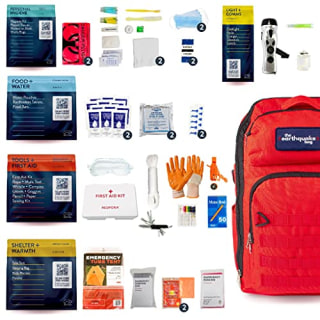
Credit: www.amazon.ca
Frequently Asked Questions
What Are The Essential Items For A Disaster Survival Kit?
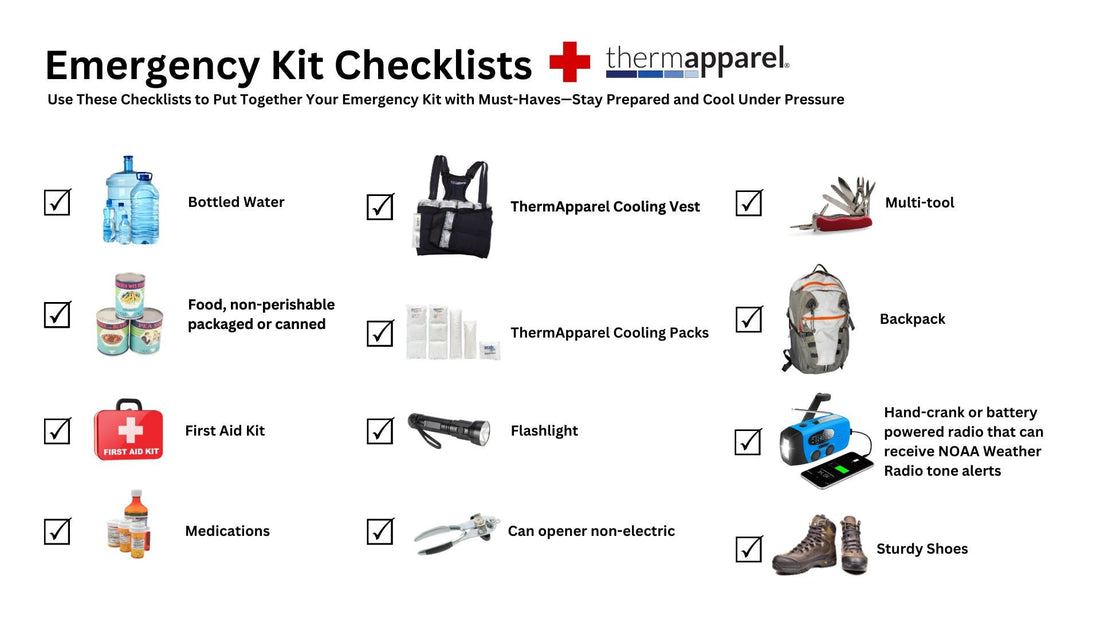
A disaster survival kit should include water, non-perishable food, a first aid kit, flashlight, batteries, and a multi-tool. Add personal hygiene items, important documents, and a whistle. These essentials help you stay safe and comfortable during emergencies.
How Much Water Should I Store In My Survival Kit?
Store at least one gallon of water per person per day. Plan for a minimum of three days. Water is crucial for hydration, cooking, and hygiene during disasters.
Why Include A First Aid Kit In A Disaster Survival Kit?
A first aid kit treats injuries and prevents infections during emergencies. It contains bandages, antiseptics, pain relievers, and essential medical supplies to handle minor wounds quickly.
Should I Add Tools And Communication Devices To The Kit?
Yes, include a flashlight, extra batteries, a multi-tool, and a battery-powered radio. These tools help you stay informed and manage tasks safely when power is out.
Conclusion
A disaster survival kit can save lives and reduce stress. Pack essentials like water, food, and first aid supplies. Don’t forget tools, flashlights, and important documents. Keep the kit ready and check it regularly. Small steps today bring safety tomorrow.
Stay prepared, stay safe.