Imagine facing an unexpected situation where you need to rely on just a few essential items to stay safe and comfortable. Would you know what to pack?
Creating a simple survival kit can make all the difference when every second counts. This guide will show you exactly how to build your own kit quickly and easily, using everyday items that fit your needs. By the end, you’ll feel confident and ready to handle emergencies without stress.
Keep reading to discover the must-have tools that could protect you and your loved ones when it matters most.
Basic Survival Needs
Survival depends on meeting some basic needs. These needs keep the body alive and working. A simple survival kit should cover water, food, and shelter. These essentials help you stay safe in tough situations. Preparing these basics can improve your chances of survival.
Water And Hydration
Water is the most critical need. The body can only last a few days without water. Carry clean water or a way to purify it. Include items like:
- Water bottles or collapsible water bags
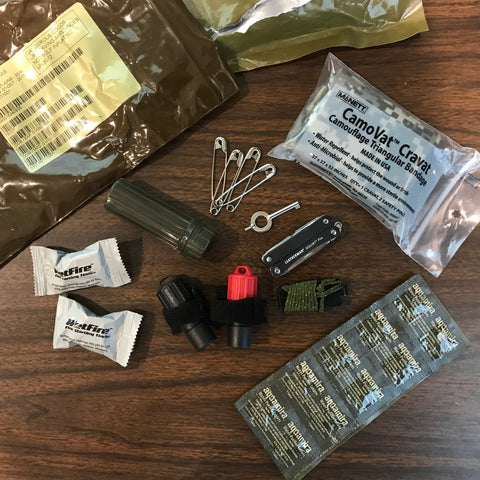
- Water purification tablets or filters
- Metal container for boiling water
Drink regularly to avoid dehydration. Avoid drinking untreated water from unknown sources.
Food And Nutrition
Food gives energy for your body and mind. Choose foods that last long and are easy to carry. Good options include:
- Energy bars or trail mix
- Dried fruits and nuts
- Freeze-dried meals or canned food
Pack enough food to last several days. Eat small portions often to keep your energy steady.
Shelter And Warmth
Shelter protects from weather and keeps you warm. Include lightweight and compact shelter items such as:
- Emergency blanket or bivy sack
- Compact tarp or tent
- Warm clothing layers and rain gear
Keep dry and avoid heat loss. Shelter helps prevent hypothermia and keeps you safe at night.
Essential Tools
Essential tools form the backbone of any survival kit. Without the right equipment, your chances of handling unexpected situations drop significantly. Choosing the correct tools means you can tackle challenges efficiently and stay safe.
Knife And Cutting Tools
A reliable knife is your best friend in survival situations. It helps with cutting rope, preparing food, or even making shelter. Look for a fixed-blade knife with a sturdy handle and a sharp edge.
Besides a knife, consider adding a small folding saw or multi-tool. These can handle tougher materials like wood or metal. Remember, the right cutting tools save time and energy.
Fire Starting Equipment
Fire is crucial for warmth, cooking, and signaling for help. Carry multiple fire starters such as waterproof matches, a lighter, and a ferrocerium rod. This diversity ensures you can start a fire even when conditions are tough.
Have you ever tried lighting a fire with wet matches? It’s frustrating and risky. That’s why having reliable fire starters in your kit can be a lifesaver during wet or windy weather.
Navigation Aids
Getting lost can turn a small problem into a big one. Carry a compass and a detailed map of your area. These tools don’t rely on batteries and work even when your phone dies.
GPS devices are helpful but shouldn’t replace traditional navigation tools. Practice reading a map and using a compass before you head out. This skill can make a huge difference when you need to find your way back.
First Aid Supplies
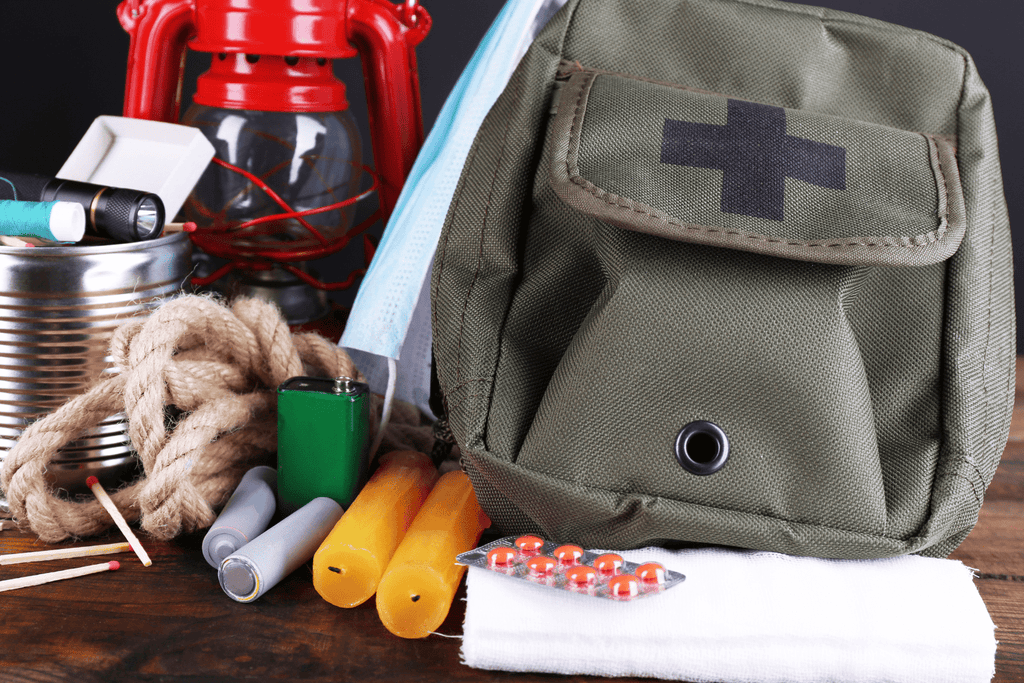
Having the right first aid supplies in your survival kit can make a huge difference when unexpected injuries occur. It’s not just about bandages; it’s about being ready to treat cuts, burns, or even allergic reactions effectively. Your kit should be practical and tailored to your needs, so you stay safe and calm in emergencies.
Basic Medical Items
Start with essential tools that help you handle common injuries. Include items like:
- Adhesive bandages in various sizes
- Sterile gauze pads
- Medical tape
- Antiseptic wipes or solution
- Disposable gloves
- Scissors and tweezers
- A small flashlight or penlight
These basics cover a range of minor injuries and help prevent infection. I once treated a friend’s scraped knee during a hike using just a simple kit, which stopped the bleeding quickly and kept dirt out.
Wound Care
Proper wound care prevents infections that can turn serious fast. Pack antibiotic ointments and burn creams to soothe and protect damaged skin. Don’t forget saline solution to gently clean wounds without irritation.
Consider adding a compact wound closure system, like butterfly closures or sterile strips, to help close small cuts when stitches aren’t an option. Have you thought about how you’d keep a wound clean if you were outdoors for hours? This is where your supplies really count.
Personal Medications
Your survival kit must include any medications you take regularly—whether for allergies, pain, or chronic conditions. Extra doses of pain relievers, antihistamines, or anti-inflammatory drugs can be lifesavers.
Label each medication clearly and store them in waterproof containers. Imagine being in a stressful situation and not finding your allergy pills—having them organized means you can act fast when needed.

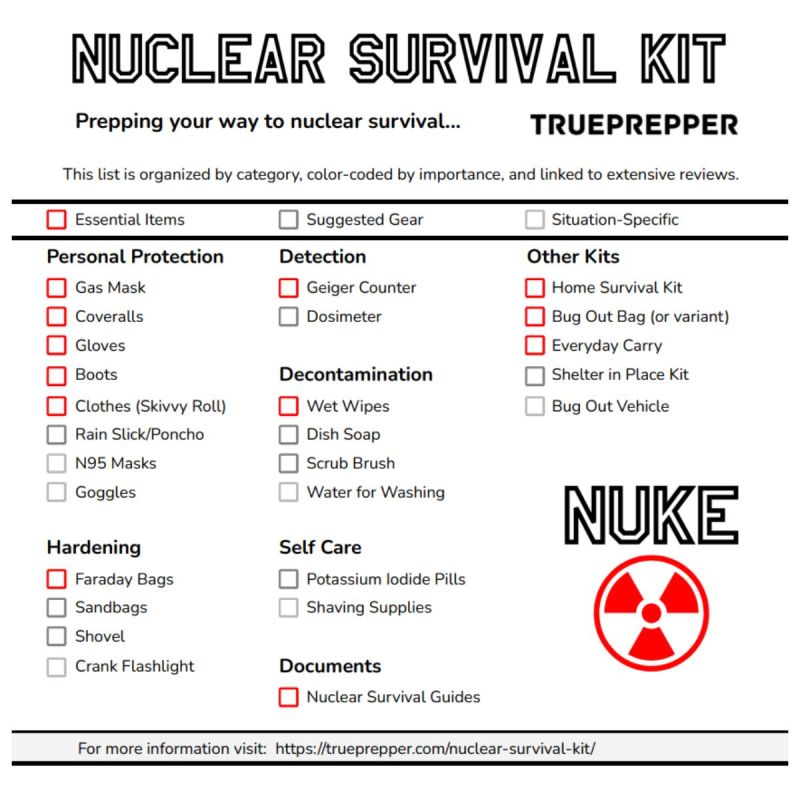
Credit: trueprepper.com
Packing And Storage Tips
Packing and storing your survival kit correctly ensures it stays useful and ready. Proper packing saves space and protects your items from damage or moisture. A well-organized kit helps you find things fast in an emergency. Keeping your kit light makes it easier to carry wherever you go.
Choosing The Right Container
Select a container that is sturdy and water-resistant. Look for hard plastic or metal boxes to protect contents. Transparent containers help you see items without opening. Consider containers with secure lids or locks to avoid spills. Size the container to fit essential items without crowding.
Organizing Your Kit
Group similar items together for quick access. Use small bags or pouches to separate tools, first aid, and food. Label each pouch clearly to save time. Place frequently used items on top or in easy-to-reach spots. Avoid mixing heavy items with fragile ones to prevent damage.
Keeping It Lightweight
Choose compact, multi-use tools to reduce weight. Replace heavy glass bottles with lightweight plastic versions. Pack only necessary supplies, avoiding duplicates. Use lightweight packaging for food and water. Regularly check and remove expired or unused items to keep the kit light.
Customization For Different Environments
Building a survival kit is not a one-size-fits-all task. Your environment shapes what you need to carry. Customizing your kit ensures you’re prepared for the challenges specific to where you might find yourself.
Urban Survival Kit
In a city setting, your survival kit should focus on navigation, communication, and basic first aid. Consider adding a portable phone charger, a whistle, and a compact flashlight. These items help you stay connected and visible in crowded or power-outage situations.
Also, include items like a dust mask to protect against pollution or smoke and some cash in small bills. Have you thought about how quickly you can access transportation or shelter in an urban emergency?
Wilderness Survival Kit
When you’re in nature, your kit needs tools for shelter, fire, and water purification. Pack a reliable knife, waterproof matches, and a water filter or purification tablets. These essentials support your basic needs when help is far away.
Don’t forget to add a space blanket and insect repellent. Have you ever tried starting a fire with damp wood? It’s tough without the right tools, so prepare accordingly.
Car Survival Kit
A car survival kit should cover roadside emergencies and unexpected weather changes. Include jumper cables, a tire repair kit, and a reflective warning triangle. These help you handle breakdowns safely.
Adding a blanket, bottled water, and non-perishable snacks can keep you comfortable if you’re stranded for hours. What would you need if your car stopped working in the middle of nowhere at night?

Credit: www.youtube.com
Maintenance And Regular Updates
Keeping your survival kit ready requires regular care. Maintenance and updates help ensure all items work when needed. Check your kit often to avoid surprises during emergencies.
Checking Expiry Dates
Expired supplies lose their effectiveness. Check food, medicine, and batteries for expiration dates. Remove and replace expired items promptly. This keeps your kit reliable and safe to use.
Replacing Used Items
Use your kit items during practice or emergencies? Replace them quickly. Keep a list of items used for easy tracking. Replenishing used supplies keeps your kit complete and ready.
Seasonal Adjustments
Change your kit based on the season. Add warm clothes and blankets for winter. Include sunscreen and water for summer. Adjust your survival kit to fit the weather and environment.
Practicing With Your Kit
Having a survival kit is just the first step. The real value comes from knowing how to use it effectively when the moment calls for action. Practicing with your kit builds confidence and sharpens your skills, making you ready for unexpected situations.
Familiarizing With Tools
Take time to handle every item in your kit. Open and close your knife, test your fire starter, and try setting up your shelter materials. This hands-on experience helps you understand each tool’s function and limitations.
Ask yourself: Can you operate your gear in low light or with gloves on? This simple test highlights areas where you might need extra practice or different tools.
Emergency Drills
Create scenarios to simulate emergencies. Practice packing your kit quickly and moving to a safe location. Try building a fire using your kit’s supplies under timed conditions.
Doing these drills regularly turns unfamiliar tasks into second nature. It also reveals gaps in your preparation—maybe a missing item or a technique you need to improve.
Continuous Learning
Survival skills evolve, and so should your knowledge. Read updated guides, watch tutorials, and join local workshops to keep your skills sharp. Learning new techniques can make your kit more effective without adding bulk.
How often do you refresh your survival knowledge? Even small, regular learning sessions can make a big difference when it counts.

Credit: www.rvem.org
Frequently Asked Questions
What Are The Essential Items In A Simple Survival Kit?
A basic survival kit includes water, food, a first aid kit, a flashlight, a multi-tool, and fire starters. These items help you stay safe, hydrated, and prepared in emergencies. Always customize your kit based on your environment and needs.
How Do I Choose The Right Container For My Survival Kit?
Pick a durable, waterproof container that fits all your items securely. It should be lightweight and easy to carry. Common options include plastic boxes, metal tins, or military-style pouches. Portability and protection are key for your survival kit container.
How Often Should I Update My Survival Kit Supplies?
Check your survival kit every six months to replace expired food, batteries, and medical items. Regular updates ensure all items work properly and remain effective. Staying prepared means keeping your kit fresh and ready for any emergency.
Can I Customize My Survival Kit For Different Environments?
Yes, customize your kit based on the environment you expect to face. Add insect repellent for forests, extra water for deserts, or thermal blankets for cold areas. Tailoring your kit improves your chances of survival in specific conditions.
Conclusion
Creating a survival kit can be simple and effective. Gather basic items like a flashlight, first aid kit, and water. Include non-perishable food and a multitool for emergencies. Remember, compact and lightweight is best. Customize your kit to suit your needs.
Keep it accessible and update it regularly. A well-prepared kit boosts confidence during unexpected situations. Stay safe and ready with this essential preparation. With these steps, you can face challenges head-on. Feel secure knowing you’re prepared for any situation. Start assembling your kit today and ensure peace of mind tomorrow.