Are you wondering if emergency food stamps can be used to buy hot food? It’s a question many people face when they need quick, ready-to-eat meals.
Knowing the answer can help you make the most of your benefits and avoid surprises at the store. You’ll discover exactly what emergency food stamps cover, how they work, and what options you have if you want hot meals. Keep reading to get clear, simple answers that can help you feed yourself and your family without stress.
Emergency Food Stamps Basics
Emergency food stamps provide quick help to people facing sudden food shortages. They aim to support families and individuals during tough times. Understanding the basics of emergency food stamps helps you know what to expect and how to get assistance.
What Are Emergency Food Stamps
Emergency food stamps are temporary benefits given to people who need food support fast. They are part of the Supplemental Nutrition Assistance Program (SNAP). These benefits can help buy groceries or food items. The goal is to prevent hunger during emergencies or unexpected financial problems.
Who Qualifies For Emergency Food Assistance
Not everyone can get emergency food stamps. Usually, people qualify if they:
- Have very low income or no income
- Face sudden loss of income or emergency expenses
- Are homeless or at risk of hunger
- Live in households with children or elderly members
Each state may have its own rules for qualification. The process is faster than regular SNAP to provide quick help.

Credit: www.supermarketperimeter.com
Hot Food And Food Stamp Rules
Understanding the rules about hot food and food stamps helps people use their benefits correctly. Food stamps, or SNAP benefits, mostly cover groceries and non-prepared foods. The rules aim to support healthy eating and prevent misuse of funds.
Many wonder if emergency food stamps can buy hot meals. The answer depends on strict guidelines set by SNAP. Knowing these rules helps avoid problems at checkout and ensures benefits last longer.
Standard Food Stamp Restrictions
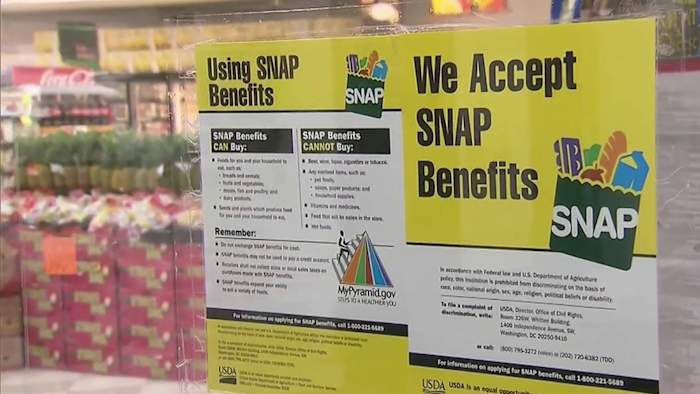
Food stamps usually cannot buy hot or ready-to-eat foods. This includes meals from restaurants, deli counters, and hot food bars. The program focuses on groceries that people cook at home.
- Hot foods prepared for immediate consumption are not allowed.
- Prepared foods sold at convenience stores are generally excluded.
- Cold groceries like fruits, vegetables, and canned goods are allowed.
Exceptions For Hot Food Purchases
Certain exceptions allow hot food purchases with food stamps. These mainly apply to specific groups or situations. For example, homeless individuals may buy hot meals using SNAP benefits in some states.
- States can set rules for homeless meal programs.
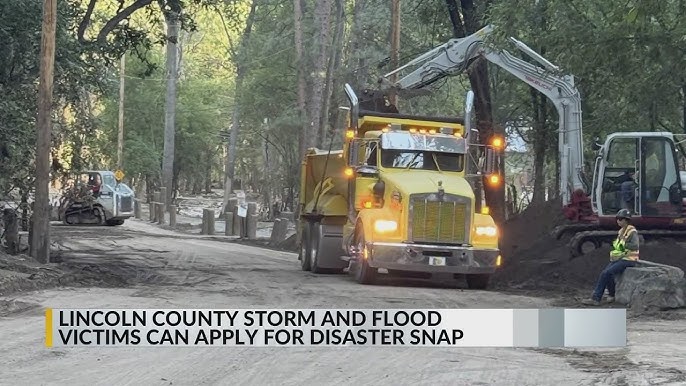
- Some disaster or emergency programs may allow hot food purchases temporarily.
- Meals served through approved community programs may qualify.
Using Emergency Food Stamps For Hot Meals
Emergency food stamps can help buy more than just groceries. Some programs allow using these stamps to buy hot meals. This can be a big help for people who need ready-to-eat food quickly. Understanding the rules about hot food purchases is important to use the benefits properly.
Situations Allowing Hot Food Purchases
In some cases, emergency food stamps cover hot food. This usually happens in places where no cooking is possible. For example, shelters or certain community centers may allow buying hot meals. The food must be for immediate consumption, not for taking home.
Some programs allow hot food purchases during emergencies. Natural disasters or temporary housing situations may qualify. The rules differ by state or local agency. Checking with your local office can clarify what is allowed.
Participating Stores And Vendors
Only specific stores and vendors accept emergency food stamps for hot meals. These often include:
- Approved restaurants
- Food trucks
- Community kitchens
- Some convenience stores
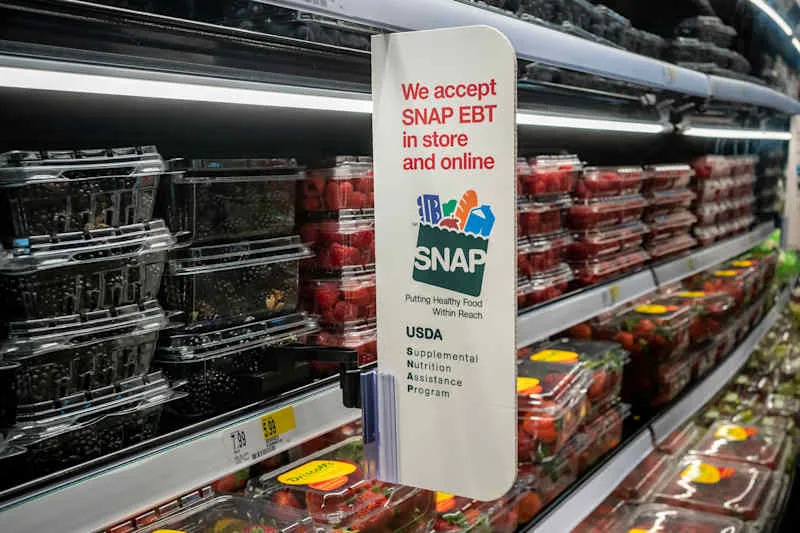
These places must be authorized by the program. They usually display signs or list participation online. Using your benefits at these vendors ensures you follow the rules and get proper service.

Credit: www.mass.gov
Alternatives To Emergency Food Stamps For Hot Food
Emergency food stamps often exclude hot meals. This leaves many needing other food sources. Hot food is important for nutrition and comfort. Several community resources provide cooked meals and food assistance. These options help meet immediate hunger needs.
Local Food Banks And Meal Programs
Local food banks offer more than just groceries. Some provide ready-to-eat meals or meal kits. These programs focus on serving nutritious, hot food when possible. Food banks often partner with local groups to expand services. Many operate on a schedule, so check times before visiting.
Meal programs may include:
- Prepared meals for pickup or delivery
- Nutrition education alongside food assistance
- Special meals for children and seniors
These programs aim to reduce hunger quickly and safely.
Community Kitchens And Shelters
Community kitchens serve hot meals daily or weekly. They welcome anyone in need without strict eligibility rules. These kitchens create a friendly, supportive space to eat. Many shelters also provide hot food to residents and visitors. Shelters often offer additional help like housing and counseling.
Services found at community kitchens and shelters include:
- Free hot meals at set times
- Safe places to eat and rest
- Access to social services and referrals
These resources ensure immediate access to warm food and support networks.
How To Maximize Emergency Food Benefits
Maximizing your emergency food benefits can make a big difference in managing your food budget and ensuring you eat well. It’s about more than just using the benefits—you want to stretch them to cover nutritious meals while staying within program rules. Understanding how to plan and combine resources effectively puts you in control of your food choices.
Planning Meals Within Guidelines
Start by knowing what types of food are allowed under emergency food stamps. Typically, hot prepared foods are not eligible, but you can buy ingredients to cook your own meals. Focus on buying versatile items like rice, beans, fresh vegetables, and canned goods that can be used in multiple recipes.
Make a weekly meal plan that fits your benefit amount and uses these ingredients efficiently. Think about meals that can be prepared in bulk and stored, such as soups or casseroles, to save time and money. Have you tried making a big pot of chili with canned beans and fresh tomatoes? It’s filling and stretches your benefits well.
Combining Assistance Programs
Emergency food stamps aren’t the only resource. Look into food banks, soup kitchens, and local community programs that offer hot meals or ready-to-eat foods. These can complement your food stamp benefits by filling in gaps where hot food is needed.
You can also combine emergency food stamps with programs like WIC or school meal plans for children. This approach broadens the variety of food you can access and helps you cover different meal needs throughout the day. Have you checked what local programs are available in your area? Sometimes a quick call or visit can open doors to new food options.

Credit: www.supermarketperimeter.com
Frequently Asked Questions
Are Emergency Food Stamps Valid For Purchasing Hot Food?
No, emergency food stamps (EBT) usually cannot be used to buy hot, prepared meals. They are meant for cold groceries only.
Can I Use Emergency Food Stamps At Restaurants?
Typically, emergency food stamps are not accepted at restaurants. Exceptions exist only in specific programs or during declared emergencies.
What Types Of Food Can Emergency Food Stamps Buy?
Emergency food stamps can buy cold groceries like fruits, vegetables, dairy, and canned goods. Hot or ready-to-eat foods are generally excluded.
Do Emergency Food Stamps Cover Meals From Food Trucks Or Vendors?
No, emergency food stamps usually do not cover meals from food trucks or vendors serving hot food. They focus on non-prepared foods.
Conclusion
Emergency food stamps usually cannot buy hot, ready-to-eat meals. They are meant to help buy groceries and basic food items. Some programs may have special rules, but this is rare. Knowing these rules helps you plan better for meals. Always check with your local office for exact details.
This way, you avoid surprises and use your benefits wisely. Food support aims to keep you fed with healthy, safe options. Understanding the limits ensures you get the help you need. Stay informed and use your benefits carefully.