When disaster strikes, having a well-organized emergency food supply can make all the difference. You want to be sure that your family has enough food that’s easy to find, safe to eat, and ready when you need it most.
But how do you set up a system that saves you time and stress during an emergency? You’ll discover simple, practical steps to organize your emergency food supply so it’s efficient, reliable, and tailored to your needs. Keep reading—you’ll learn how to take control of your food storage and gain peace of mind for whatever comes your way.
Choosing The Right Food
Choosing the right food for your emergency supply is key. Food must last long and provide good nutrition. It should meet the needs of everyone in your family. Planning well helps avoid waste and hunger during emergencies.
Long-lasting Staples
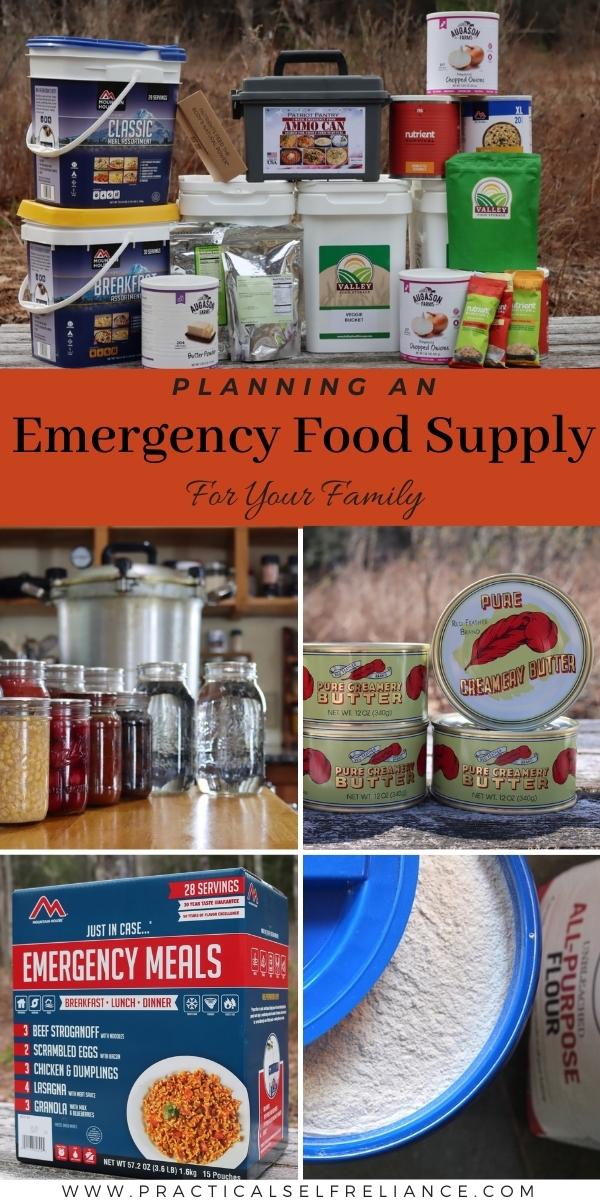
Pick foods that keep well for months or years. Canned goods, dried beans, and rice are good choices. Freeze-dried meals also last long and are easy to store. Store food in airtight containers to keep it fresh. Rotate stock regularly to use older items first.
Nutritional Balance
Include a mix of proteins, carbohydrates, and fats. Vitamins and minerals help maintain health during tough times. Add canned vegetables, nuts, and powdered milk to your supply. Avoid only storing junk food or sweets. Balanced meals keep energy and strength steady.
Special Dietary Needs
Consider allergies and health conditions in your family. Gluten-free, low-sodium, or diabetic-friendly foods may be needed. Keep a separate supply for infants or elderly members. Label special foods clearly to avoid confusion. This care ensures everyone stays safe and healthy.

Credit: www.jackery.com
Storage Techniques
Proper storage techniques protect your emergency food supply. They keep food fresh and safe for longer. Organizing food well helps you access it quickly in emergencies. Focus on containers, temperature, and pest control for best results.
Optimal Containers
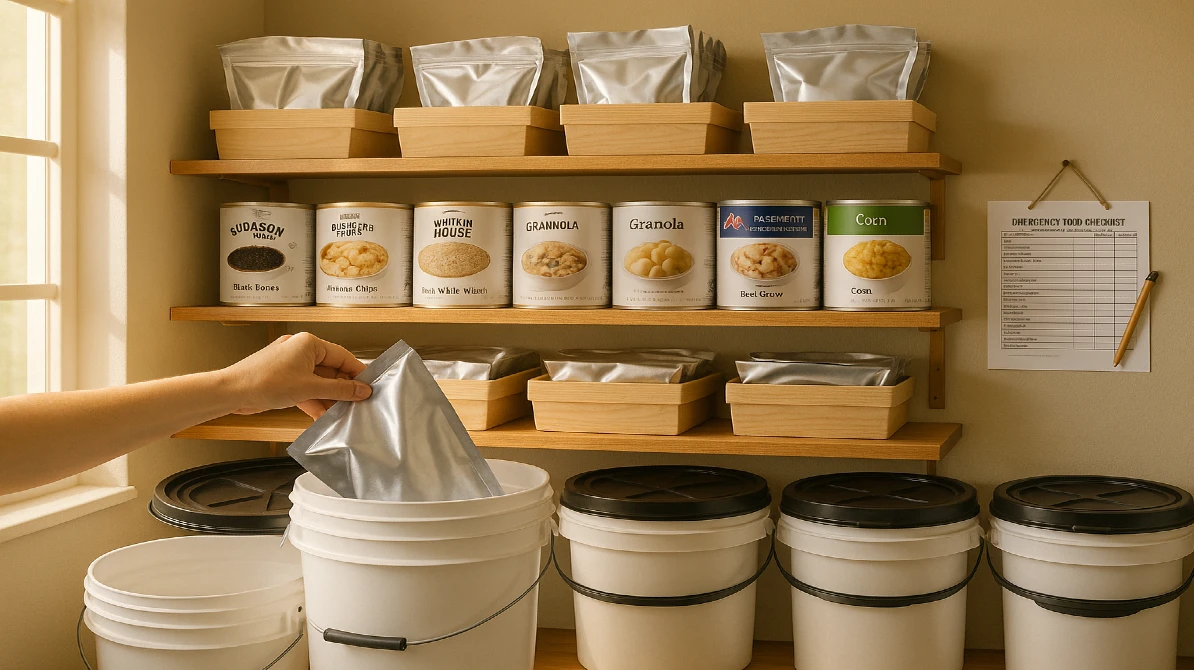
Use airtight containers to keep moisture and air out. Plastic bins with tight lids work well. Glass jars with sealed lids preserve food quality. Avoid containers that let light or air inside. Label each container with food type and expiration date. Stack containers to save space and keep order.
Temperature Control
Store food in a cool, dry place away from heat sources. Ideal temperature is between 50°F and 70°F (10°C to 21°C). Avoid areas near ovens, heaters, or windows. Consistent temperature prevents spoilage and extends shelf life. Use a thermometer to monitor storage areas regularly.
Pest Prevention
Keep storage areas clean and free from crumbs or spills. Seal cracks and holes to block pests from entering. Use containers made of thick plastic or metal to resist pests. Place natural repellents like bay leaves or cloves inside storage bins. Inspect food regularly for signs of insects or rodents.
Inventory Management
Managing your emergency food supply effectively means knowing exactly what you have, what you need, and when items should be used. Good inventory management helps prevent waste, saves money, and ensures you’re always ready for unexpected situations. Let’s dive into how you can keep your food supply organized and reliable.
Tracking Supplies
Start by making a detailed list of every item in your emergency food stash. Include quantities, packaging dates, and storage locations. Using a simple spreadsheet or a dedicated app can make this easier and more accurate.
Regularly update your list after adding or using supplies. This habit keeps you aware of what’s available and what’s running low. Have you ever found expired cans hidden in the back of your pantry? Tracking prevents that from happening.
Rotation System
Use the “first in, first out” rule to keep your food fresh. Place newly bought items behind older ones so you use older supplies first. This rotation reduces waste and keeps your stock within safe consumption periods.
Label items with purchase or packing dates if they don’t already have them. This visual cue makes it easier to grab the right products during an emergency. It also helps you spot when it’s time to replenish.
Expiration Awareness
Knowing the expiration dates of your food items is crucial. Some foods last longer than others, so separate your supplies based on their shelf lives. For example, canned goods often last years, but baked goods or fresh produce require quicker use.
Set reminders to check expiration dates every few months. If you notice items nearing expiration, plan meals around them or donate to avoid waste. How often do you check your emergency food’s expiration dates? Making it a routine saves you from unpleasant surprises.
Meal Planning
Meal planning is the backbone of an organized emergency food supply. It helps you avoid waste, ensures nutritional balance, and keeps your energy up when you need it most. Think about the meals you enjoy and how they can be simplified without losing their appeal or nutritional value.
Simple Recipes
Choose recipes that need few ingredients and minimal cooking. Meals like rice and beans, oatmeal with dried fruit, or canned soup with added veggies work well. Keep a list of easy-to-make dishes that you can prepare quickly with your stored food.
Try recipes that can be mixed and matched, so you don’t get bored. For example, a basic pasta can be paired with canned tomato sauce one day and a powdered cheese sauce the next. This way, you stretch your supplies without sacrificing variety.
Calorie Requirements
Understanding your daily calorie needs is crucial when planning meals for emergencies. Adults typically require between 1,800 to 2,400 calories per day, but this can vary based on age, activity, and health. Make sure your food supply meets these needs to keep your energy steady.
Calculate calories for each meal and snack to avoid running out too soon. If your supply is limited, prioritize calorie-dense foods like nuts, dried fruits, and grains. Are you confident your emergency stash will fuel you through long days?
Water Needs
Water is just as important as food in an emergency. You should plan for at least one gallon of water per person each day for drinking and cooking. Don’t forget to include water for cleaning dishes and hygiene if your situation allows.
Think about how your meals will affect your water consumption. Drier foods like rice or pasta need more water for cooking, so adjust your supply accordingly. Have you considered how you will store and ration water alongside your food?
Emergency Cooking Options
Emergency cooking options are essential for any food supply plan. Cooking food safely during emergencies ensures you stay healthy and nourished. Many situations can disrupt power or gas supply. Having reliable cooking tools ready can make a big difference. Choose options that fit your space and cooking needs. Consider ease of use, fuel availability, and safety. Prepare a mix of solutions for different scenarios.
Portable Stoves
Portable stoves are compact and easy to carry. They work well during power outages or outdoor emergencies. Most use small fuel canisters or solid fuel tablets. Some popular types include:
- Butane or propane stoves
- Alcohol stoves
- Solid fuel stoves
Choose a stove with simple ignition and good heat control. Test it before an emergency to know how it works. Always use stoves in well-ventilated areas. Keep a fire extinguisher nearby for safety.
Alternative Heat Sources
Alternative heat sources help when stoves are unavailable. They include options like:
- Candle warmers
- Solar ovens
- Fire pits or wood stoves
Solar ovens need sunlight but save fuel and are safe indoors. Fire pits or wood stoves require dry wood and proper ventilation. Candle warmers are good for slow heating small meals. Each source has pros and cons. Choose based on your location and resources.
Fuel Storage
Fuel is critical for most emergency cooking devices. Store fuel safely in airtight containers. Label containers clearly with fuel type and expiration dates. Keep fuel in a cool, dry place away from flames. Rotate fuel stock to maintain freshness. Consider fuel quantity for your planned cooking duration. Follow local laws for storing flammable materials. Proper fuel storage ensures cooking options work when needed most.

Credit: nypost.com
Supplemental Supplies
Supplemental supplies are key to a well-rounded emergency food supply. These items support basic nutrition, hydration, and comfort during tough times. They help maintain health and morale when regular food options are scarce. Focus on essentials that last long and provide needed nutrients.
Water Storage
Water is the most critical emergency supply. Store at least one gallon per person daily. Use clean, food-grade containers to prevent contamination. Rotate water every six months for freshness. Consider water purification tablets or filters as backup.
Vitamins And Supplements
Vitamins fill nutrition gaps in emergency diets. Choose multivitamins covering all basics like vitamin C, D, and iron. Keep supplements in a cool, dry place. Check expiration dates and replace as needed. These help prevent illnesses caused by nutrient shortages.
Comfort Foods
Comfort foods boost morale during stressful times. Include items like chocolate, tea, coffee, and dried fruit. These foods provide emotional relief and a sense of normalcy. Choose lightweight, non-perishable options with long shelf lives.
Regular Maintenance
Keeping your emergency food supply ready isn’t a one-time task. Regular maintenance is key to making sure you always have safe and nutritious food when you need it. It involves checking what you have, keeping track of your stock, and swapping out anything that’s past its prime.
Inspecting Supplies
Look over your food stash at least once every few months. Check for damaged packaging, signs of pests, or anything that smells off. If you spot bulging cans or torn bags, it’s better to replace those items before they become a problem.
Updating Inventory
Keep a clear list of everything in your emergency food supply. Update it whenever you add or remove items. This helps you avoid buying duplicates or missing something important when you need to restock.
Replacing Expired Items
Food expiration dates matter. Regularly check these dates and swap out anything that’s expired. Even if food looks fine, expired items may lose nutrients or become unsafe, which can be risky in an emergency.
Credit: practicalselfreliance.com
Frequently Asked Questions
How To Start Organizing Emergency Food Supply?
Begin by assessing your available space and storage options. Prioritize foods with long shelf lives and nutritional value. Create a list of essentials and purchase items in rotation. Label and date everything to track expiration. Maintain a first-in, first-out system to ensure freshness and avoid waste.
What Foods Are Best For Long-term Storage?
Choose non-perishable items like canned goods, grains, pasta, and freeze-dried foods. Opt for nutrient-dense foods such as beans, nuts, and dried fruits. Consider vacuum-sealed or airtight packaging to preserve freshness. Ensure a balanced mix of proteins, carbohydrates, and fats to meet dietary needs during emergencies.
How To Store Water For Emergencies?
Store water in clean, food-grade containers away from direct sunlight. Keep at least one gallon per person, per day for two weeks. Rotate stored water every six months to maintain quality. Consider water purification methods, like filters or tablets, for emergencies lasting beyond stored supply.
How Often To Check Emergency Food Supplies?
Check your emergency food supplies every six months. Inspect for expired items or signs of spoilage. Rotate older items to the front and replace as needed. Keep an updated inventory list to track what you have. Regular checks ensure your supply remains fresh and ready for use.
Conclusion
Organizing your emergency food supply takes time and care. Keep your food in a cool, dry place. Check expiration dates often to avoid waste. Use clear containers to find items quickly. Rotate your stock regularly to keep food fresh. Plan meals that use your stored food well.
Stay calm and ready for any situation. A well-organized supply can make emergencies easier to handle. Start small and build your stock step by step. Preparedness brings peace of mind and safety.