When disaster strikes, having the right amount of food in your emergency kit can make all the difference. But how much food should you actually pack to keep yourself and your loved ones safe and comfortable?
You might worry about packing too little and running out or bringing too much and wasting space. This guide will help you find the perfect balance. By the end, you’ll know exactly how to prepare your emergency food supply so you can face any crisis with confidence and peace of mind.
Keep reading to make sure your kit is ready when you need it most.

Credit: premierbodyarmor.com
Daily Calorie Needs
Understanding your daily calorie needs is essential when packing an emergency food kit. The amount of food you store directly impacts your ability to stay energized and healthy during a crisis. Knowing how many calories you and your family require helps you avoid overpacking or running short when it matters most.
Factors Affecting Calorie Requirements
Calorie needs vary based on several key factors. Age, gender, body size, and metabolism all play a role in how much energy your body burns each day. Health conditions and climate can also influence your calorie needs, especially if you’re recovering from illness or facing extreme weather.
Think about your own experience: have you ever noticed needing more food after a long day outdoors? This is a simple example of how activity levels can change your calorie demands. Adjusting your emergency food supply to match these factors ensures you stay nourished without waste.
Calorie Estimates For Different Age Groups
| Age Group | Average Daily Calories Needed |
|---|---|
| Children (4-8 years) | 1,200 – 1,800 |
| Adolescents (9-18 years) | 1,600 – 2,600 |
| Adults (19-50 years) | 2,000 – 3,000 |
| Older Adults (51+ years) | 1,600 – 2,400 |
These estimates serve as a starting point. You should tailor your emergency kit based on the specific ages in your household. Packing food that meets the nutritional needs of all ages ensures everyone stays healthy.
Adjusting Calories For Activity Levels
Activity level can raise your calorie needs significantly. A person who stays mostly sedentary may require fewer calories than someone doing physical labor or frequent exercise.
If your emergency situation involves manual work like clearing debris or walking long distances, plan to add 300-500 extra calories per day. This simple adjustment can be the difference between fatigue and sustained energy.
Ask yourself: what activities might you realistically be doing during an emergency? Preparing your food supply with this in mind helps you avoid energy slumps when you need to stay alert and strong.
Types Of Food To Include
Choosing the right types of food for your emergency kit is crucial. You need items that last long, provide enough energy, and are easy to prepare. Let’s look at what kinds of food you should prioritize to keep your kit effective and practical.
Non-perishable Options
Non-perishable foods are the backbone of any emergency kit. These items stay good for months or even years without refrigeration. Think canned vegetables, dried beans, rice, and pasta.
Including a variety of these foods ensures you get essential nutrients over time. Make sure to rotate them regularly to keep your supply fresh.
High-energy Snacks
High-energy snacks are perfect for quick boosts when you need them most. Nuts, trail mix, and energy bars pack a lot of calories in small packages. They don’t spoil easily and are easy to carry.
Consider adding peanut butter or chocolate for a mix of protein and sugars. Have you checked the calorie content on your favorite snacks? Choosing high-calorie ones helps maintain your strength during tough situations.
Ready-to-eat Meals
Ready-to-eat meals save time and effort when cooking isn’t an option. Look for freeze-dried or vacuum-sealed meals that require only water or no preparation at all. These meals often have balanced nutrition and can keep you going for days.
Test a few before adding them to your kit to ensure you like the taste and texture. Would you be willing to eat the same meal repeatedly if it kept you safe and nourished?
Portion Planning
Proper portion planning is essential for building an effective emergency food kit. It ensures enough food for each person while avoiding waste. Careful calculation helps maintain energy and health during tough times.
Planning portions means understanding individual needs and meal patterns. Balancing food quantity with variety keeps meals nutritious and interesting. Thoughtful portioning supports survival and comfort in emergencies.
Calculating Food Quantity Per Person
Calculate daily calorie needs based on age, weight, and activity. Adults often need 2,000 to 2,500 calories per day. Children and elderly may require less. Use these numbers to estimate total food quantity.
Include extra calories for physical work or stress. Store food that provides around 2,000 calories per person daily. Multiply by the number of days you plan to prepare for.
Meal Frequency And Portions
Plan three meals per day plus snacks if possible. Each meal should provide balanced nutrition and enough energy. Portion sizes can vary but aim for consistent calorie intake.
Consider easy-to-prepare meals for emergencies. Use packaging sizes that match single servings. This reduces waste and helps with ration control.
Balancing Variety And Quantity
Include different food types: proteins, carbohydrates, and fats. Variety prevents meal fatigue and ensures nutrient balance. Pack shelf-stable fruits and vegetables for vitamins.
Use a mix of canned, dried, and ready-to-eat foods. Balance quantity with variety to maintain health and morale. Rotate food regularly to keep the kit fresh and useful.
Credit: www.med.navy.mil
Storage And Shelf Life
Storing food for emergencies isn’t just about having enough supplies; it’s about keeping them safe and edible for when you need them most. Understanding storage options and shelf life can save you from wasting food or ending up with supplies that won’t serve you in a crisis. Let’s break down how to keep your emergency food fresh and ready.
Best Containers For Food Storage
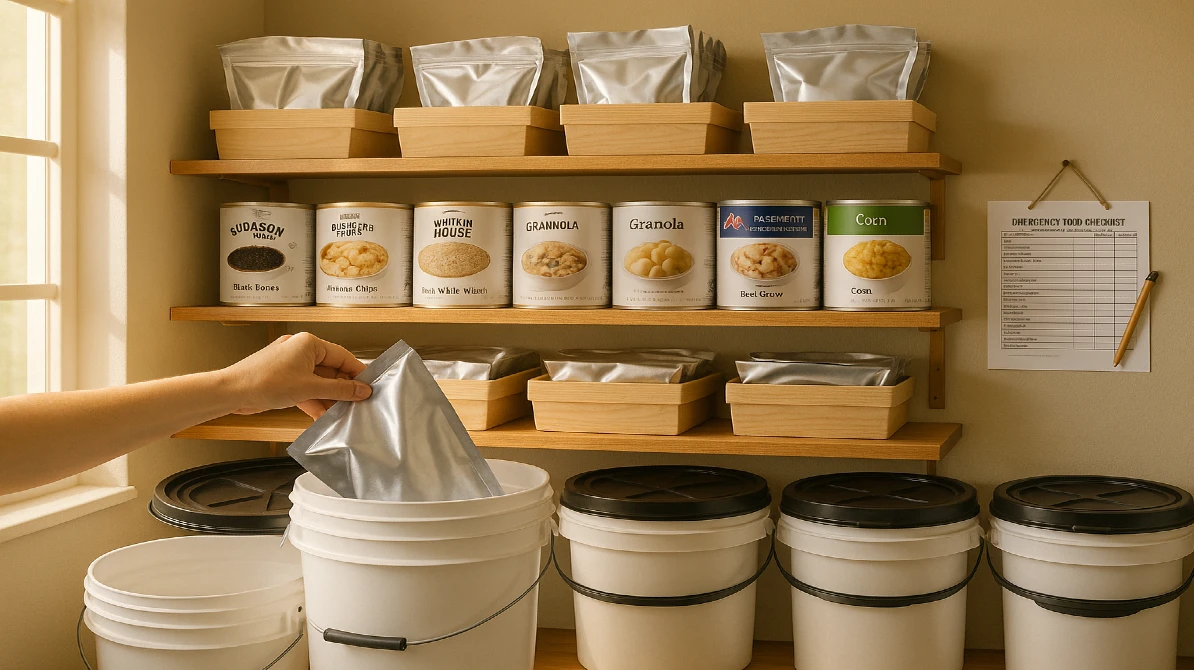
Choosing the right containers can make a big difference in how long your emergency food lasts. Airtight containers protect food from moisture, pests, and air, which can cause spoilage. Mylar bags with oxygen absorbers are a popular choice because they create a sealed environment that extends shelf life significantly.
Plastic buckets with tight-sealing lids also work well, especially for bulk storage like rice or beans. Glass jars with airtight lids are great for smaller quantities and dry foods like sugar or salt. Avoid using containers that allow air or light in, as these can speed up food deterioration.
Shelf Life Of Common Emergency Foods
| Food Item | Typical Shelf Life | Storage Tips |
|---|---|---|
| White Rice | Up to 30 years | Store in airtight containers, keep cool and dry |
| Dried Beans | Up to 10 years | Seal in Mylar bags, avoid moisture exposure |
| Canned Vegetables | 1-5 years | Keep in a cool, dark place; check for dents or rust |
| Freeze-Dried Meals | Up to 25 years | Store in sealed packaging, protect from heat |
| Peanut Butter | 1-2 years | Keep sealed, store at room temperature |
Knowing how long each item lasts helps you plan how much to store and when to use or replace it.
Rotating And Replacing Supplies
Storing food isn’t a “set it and forget it” task. You need to check your supplies regularly and use older items first. This rotation keeps your emergency kit fresh and prevents waste.
Mark expiration dates clearly and create a schedule to inspect your stock every six months. I once found a can of beans in my emergency kit that was past its prime because I hadn’t checked in years. Don’t let this happen to you—regular maintenance ensures you’re always prepared.
Think about how often you eat certain foods. Rotate items into your daily meals before they expire, then replace them with fresh ones in your kit. This simple habit keeps your emergency food reliable and ready when you need it most.
Water And Hydration
Water is the most vital element in any emergency kit. Staying hydrated supports health and energy. Without enough water, the body cannot function well. Preparing the right amount and type of hydration is essential.
Water Quantity Per Person
Each person needs at least one gallon of water daily. This covers drinking, cooking, and hygiene. Plan for at least three days of supply. For example, a family of four should store twelve gallons. Hot weather or physical activity increases water needs.
Water Storage Tips
- Use food-grade containers to store water safely.
- Keep water in a cool, dark place away from chemicals.
- Replace stored water every six months for freshness.
- Label containers with the date of storage.
- Seal containers tightly to prevent contamination.
Hydrating Foods To Include
Some foods help maintain hydration during emergencies. Choose fruits and vegetables with high water content. Examples include cucumbers, oranges, and watermelon. Canned soups and broths also add fluids. Avoid salty snacks that cause dehydration.
Special Dietary Needs
Special dietary needs require careful thought when packing an emergency food kit. Your survival plan must include food that keeps everyone healthy and comfortable. Ignoring allergies, preferences, or age-related needs can cause unnecessary stress during an emergency.
Considerations For Allergies
If someone in your group has allergies, double-check every item you add to your kit. Common allergens like nuts, dairy, and gluten can cause serious reactions. Label food clearly and choose safe alternatives to avoid risky situations.
Think about cross-contamination too. Pack sealed, single-serve portions to reduce exposure. Have antihistamines or allergy medication handy, but don’t rely on them as a substitute for safe food choices.
Vegetarian And Vegan Options
Vegetarian and vegan diets need protein-rich, plant-based foods that store well. Beans, lentils, nuts, seeds, and dehydrated veggies work great. Freeze-dried meals specifically designed for these diets can also save space and provide balanced nutrition.
Ask yourself, are the options you pack enjoyable and familiar to those who follow these diets? Including a variety of flavors can keep spirits up during tough times. Avoid relying too much on processed foods high in sodium or preservatives.
Food For Children And Elderly
Children and elderly individuals often require softer, easier-to-digest foods. Think about including instant oatmeal, fruit purees, and soups that only need water. Small portions of favorite snacks can provide comfort and quick energy.
Hydration is critical for these groups, so pack drinks with electrolytes or nutrients suitable for them. Have you considered their specific dietary restrictions, like low sugar or low sodium needs? Planning for these details ensures everyone stays nourished and safe.
Packaging And Portability
Packing food for an emergency kit requires careful thought about how you store it and how easy it is to carry. Your kit’s success depends not just on what you include but on how practical it is to access and transport that food during a crisis.
Compact Food Packaging
Choose food items that come in small, space-saving packages. Vacuum-sealed or freeze-dried meals are great because they take up minimal space and last a long time.
Think about stacking and organizing your food tightly to maximize room. Could you fit more nutrition into less space by swapping bulky cans for vacuum packs?
Weight Considerations
Every ounce counts when you might need to carry your emergency kit quickly. Opt for lightweight foods like dehydrated fruits, nuts, and energy bars that provide calories without heavy bulk.
Balance your kit’s nutritional value with how much weight you can realistically carry. Have you tested carrying your kit fully loaded to see if it feels manageable?
Easy-to-open Containers
During emergencies, your hands might be shaky or gloved. Choose foods in containers that open easily without extra tools or excessive force.
Look for pull tabs, tear strips, or resealable pouches that let you access food quickly. How frustrating would it be to struggle with a can opener when time is critical?
Credit: www.nbcnews.com
Emergency Kit Maintenance
Maintaining an emergency kit is key to staying prepared. Regular care keeps supplies safe and usable. Food, especially, needs close attention. It can expire or get damaged over time. Proper upkeep ensures you have enough food when needed. This section covers important steps to keep your emergency kit ready.
Regular Inspection
Check your emergency kit every three to six months. Look for damaged or expired food items. Inspect packaging for tears, rust, or leaks. Remove any spoiled or expired food immediately. Replace with fresh items to maintain supply quality. Keep the kit clean and dry. Moisture can spoil food and damage packaging.
Updating Food Based On Needs
Adjust the food in your kit as your needs change. Consider family size, health conditions, and dietary restrictions. Swap out foods that no longer fit your preferences. Add new items that provide better nutrition or variety. Include easy-to-prepare foods to save time in emergencies. Keep water supply updated as well. This helps ensure everyone’s needs are met.
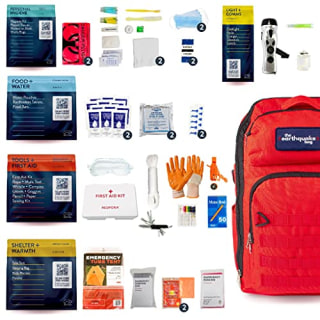
Emergency Kit Checklist
- Non-perishable food items with long shelf life
- Ready-to-eat canned goods
- Dry foods such as rice, beans, and pasta
- High-energy snacks like nuts and granola bars
- Infant or special diet foods, if needed
- Water supply, at least one gallon per person per day
- Manual can opener and eating utensils
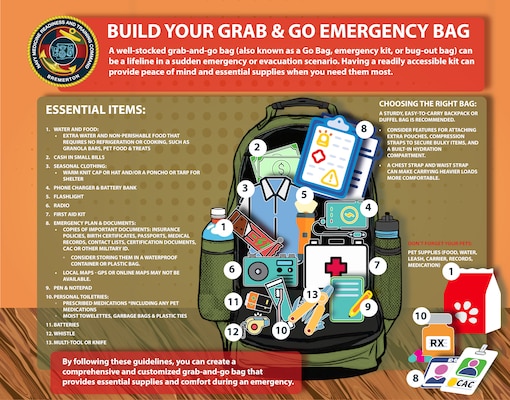
- First-aid supplies and medications
Use this checklist to review your kit regularly. Make sure nothing is missing or expired. Keeping this list handy helps maintain a well-stocked emergency food supply.
Frequently Asked Questions
How Many Days Of Food Should An Emergency Kit Have?
An emergency kit should ideally contain at least three days’ worth of food. This duration supports survival during short-term crises. For extended emergencies, stock up to two weeks of non-perishable food items to ensure sufficient nutrition and energy.
What Types Of Food Are Best For Emergency Kits?
Choose non-perishable, high-calorie, and nutrient-rich foods. Examples include canned goods, dried fruits, nuts, and energy bars. These foods have a long shelf life and provide essential nutrients during emergencies.
How Much Water Should Accompany Food In An Emergency Kit?
Store one gallon of water per person per day. This amount covers drinking and basic hygiene needs. For a three-day supply, a minimum of three gallons per person is recommended for safety.
Should Special Dietary Needs Affect Food Quantity In Kits?
Yes, consider allergies, medical conditions, and dietary preferences. Ensure the emergency kit includes suitable food options for everyone. Customizing food supplies maintains health and comfort during emergencies.
Conclusion
Planning your emergency kit food carefully keeps you safe and ready. Pack enough for at least three days. Choose foods that last long and need little water or heat. Don’t forget to include snacks and comfort foods. Check your supplies often and replace expired items.
A well-packed kit helps you stay calm during emergencies. Small steps now can make a big difference later. Stay prepared, stay safe.