Are you wondering if emergency shelters provide food when you need help the most? Knowing what to expect can ease your worries during tough times.
Whether you’re facing a sudden crisis or planning ahead, understanding the support shelters offer can make a big difference for you and your loved ones. Keep reading to discover exactly how emergency shelters handle meals, so you’re never left guessing when it matters most.

Credit: shelterbox.org
Emergency Shelter Basics
Understanding the basics of emergency shelters is key to knowing what support you can expect during a crisis. These shelters serve as safe havens, but their services can vary widely depending on their type and purpose. Knowing the essentials helps you prepare better and make informed decisions if you ever need to rely on one.
Types Of Emergency Shelters
Emergency shelters come in different forms tailored to various needs and situations. Some are temporary setups like tents or community centers converted during natural disasters. Others are more permanent facilities designed to support people facing homelessness or domestic violence.
- Disaster Shelters:Often run by government or nonprofit organizations, they provide immediate refuge after events like hurricanes or floods.
- Homeless Shelters:These offer longer-term housing and resources to help people transition back to stable living conditions.
- Domestic Violence Shelters:Focus on safety and support for individuals escaping abusive environments.
What kind of shelter would you seek if faced with a sudden emergency?
Primary Functions
The main goal of emergency shelters is to ensure your safety and basic needs are met during a crisis. They provide a secure place to sleep, protection from harsh weather, and often access to essential services. Food is commonly offered, but the type and amount can vary depending on the shelter’s resources and mission.
Many shelters supply simple meals or snacks, understanding that nourishment is critical for recovery and well-being. Some may partner with local food banks or volunteers to provide hot meals, while others rely on donated non-perishable items. You might find yourself eating something different than usual, but it’s about sustaining energy and health when you need it most.
Have you ever wondered how shelters balance limited resources while trying to feed everyone in need?
Food Services In Shelters
Emergency shelters play a vital role in providing food to those in need. Food services in shelters ensure that people receive meals during difficult times. These services vary based on the shelter’s resources and the needs of its residents. Understanding how food is provided and the nutritional care involved helps highlight the support shelters offer.
Meal Provision Models
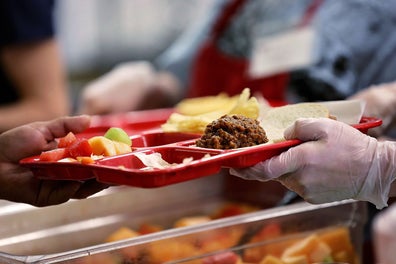
Shelters use different meal provision models to serve residents. Some prepare meals on-site in a communal kitchen. Others distribute pre-packaged food or meal boxes. Many shelters partner with local food banks or restaurants for donations. Volunteers often help with food preparation and serving. Some shelters offer set meal times, while others allow flexible meal access. This variety helps meet diverse needs and maintain efficiency.
Nutritional Standards
Food in shelters aims to meet basic nutritional needs. Meals usually include protein, carbohydrates, and vegetables. Shelters try to offer balanced diets despite limited resources. Some follow guidelines from health organizations to ensure safety and nutrition. Special diets for allergies or medical needs are accommodated when possible. Proper nutrition supports health and energy for shelter residents. This care is important for both children and adults staying in shelters.
Challenges In Food Distribution
Distributing food in emergency shelters is not simple. Shelters face many challenges that affect how food reaches those in need. These challenges can slow down service and reduce the quality of food provided. Understanding these problems helps improve food support during crises.
Supply Chain Issues
Supply chain problems often delay food delivery to shelters. Transport disruptions, lack of storage, and damaged roads create obstacles. Limited resources mean shelters might receive fewer supplies than required. Sometimes, food arrives late or in poor condition. These issues force shelters to work with what they have, which can be less than ideal.
Dietary Restrictions And Preferences
Meeting different dietary needs is a big challenge. People in shelters may have allergies, health conditions, or cultural food preferences. Providing varied meals is hard with limited food types and quantities. Shelters try to offer safe options, but it is not always possible. This can affect the comfort and health of shelter residents.
Volunteer And Community Roles
Volunteers and the community play a vital role in emergency shelters. They help ensure that food reaches those in need. Their efforts support shelter operations beyond just providing a safe place to stay. Many shelters rely on local help to offer nutritious meals daily.
Volunteers bring energy and care to food programs. Community groups often organize food drives and fundraising events. These contributions keep shelter kitchens running smoothly. The collaboration between volunteers and staff creates a welcoming environment for everyone.
Food Donations
Food donations are essential for emergency shelters. Local businesses, farms, and individuals often donate fresh and packaged foods. These donations help shelters maintain a steady supply of ingredients.
- Non-perishable items like canned goods and rice
- Fresh fruits and vegetables
- Baked goods and dairy products
Volunteers collect and sort donations to ensure food safety. They also track inventory to avoid shortages or waste. Community food drives raise awareness and bring in large quantities of supplies.
Meal Preparation Support
Volunteers assist in preparing and serving meals at shelters. Many have no formal cooking experience but are eager to help. Training is often provided to teach basic kitchen safety and hygiene.
- Chopping vegetables and preparing ingredients
- Cooking meals under supervision
- Serving food to shelter residents
- Cleaning kitchen areas after meals
Community volunteers create a friendly atmosphere during mealtime. Their presence can make shelter residents feel cared for and respected. Helping hands in the kitchen speed up meal service, feeding more people quickly.
Case Studies And Examples
Emergency shelters play a crucial role in providing more than just a safe place to stay. Many of them also offer food, addressing one of the most immediate needs during a crisis. Seeing how different shelters operate in various settings can help you understand what to expect and how these programs work in real life.
Urban Shelter Programs
In cities like New York and Chicago, emergency shelters often include meal services as part of their support. These programs typically serve three meals a day, ensuring people don’t just have a roof over their heads but also consistent access to nutrition.
One shelter in downtown Chicago recently shared that their food service helped reduce the number of people leaving due to hunger-related discomfort. This shows how important food provision is in keeping people stable during tough times.
Urban shelters often partner with local restaurants and food banks to keep their kitchens stocked. This collaboration means they can offer diverse meals, sometimes even catering to special dietary needs.
Rural Shelter Initiatives
In rural areas, emergency shelters face unique challenges such as limited food supply and fewer volunteers. However, some initiatives have found creative ways to provide meals despite these hurdles.
A shelter in a small town in Montana, for example, relies heavily on community gardens and local farmers. They provide fresh produce, making meals healthier and fostering a sense of community involvement.
Another rural shelter uses mobile food trucks to reach people in remote locations. This approach ensures that even those far from the main shelter can receive hot meals during emergencies.
Have you ever thought about how access to food shapes your sense of security in a crisis? Understanding these examples might help you appreciate the full scope of support emergency shelters aim to provide.

Credit: salvationarmywindsor.ca
Improving Food Access In Shelters
Access to nutritious food in emergency shelters can be a challenge, but it’s crucial for the well-being of those staying there. Many shelters are working hard to improve food availability and quality, ensuring that every individual receives adequate meals during difficult times. Let’s look at some ways shelters are making a real difference in food access.
Innovative Solutions
Shelters are now using creative ideas to meet food needs more effectively. Some have started community gardens on their grounds, allowing residents to grow fresh vegetables and herbs. This not only provides healthy food but also gives people a sense of purpose and involvement.
Other shelters partner with local restaurants and grocery stores to collect surplus food that would otherwise go to waste. This approach reduces costs and helps provide diverse meal options. Have you thought about how food sharing in your community could help reduce hunger?
Technology also plays a role. Apps that connect volunteers, donors, and shelters streamline food delivery and reduce delays. This ensures fresh food reaches those who need it most, right on time.
Policy Recommendations
Improving food access in shelters requires support beyond individual efforts. Policies can create stronger safety nets and funding for nutritious meals. Advocating for increased government grants to support food programs can make a lasting impact.
Policies encouraging partnerships between shelters and local food businesses can open more doors for regular food donations. Additionally, setting nutritional standards for shelter meals ensures that food is not just available but also healthy.
What changes in local policies could help your community provide better food access? Engaging with policymakers and raising awareness can push for improvements that benefit everyone.
Credit: www.salvationarmyusa.org
Frequently Asked Questions
Do Emergency Shelters Offer Free Meals?
Yes, most emergency shelters provide free meals to residents. Food support is a core service to ensure basic needs are met. Meals are often nutritious and designed to accommodate dietary restrictions when possible. This helps individuals focus on recovery and stability.
How Long Is Food Provided At Shelters?
Food provision duration varies by shelter and individual circumstances. Typically, shelters offer meals daily during a person’s stay. Some programs include take-away food for emergencies or longer-term support. The goal is to maintain nourishment until permanent housing is secured.
Are Special Diets Accommodated In Emergency Shelters?
Many emergency shelters try to accommodate special diets like vegetarian or gluten-free. However, options may be limited due to resources and availability. It’s best to inform shelter staff about dietary needs upon arrival. They will do their best to provide appropriate meals.
Can Non-residents Access Food From Shelters?
Food services at emergency shelters are generally reserved for residents. Some shelters run community meal programs open to the public. Check local shelter policies or community food programs for access. These initiatives aim to support food-insecure individuals beyond shelter residents.
Conclusion
Emergency shelters often provide food to those in need. This helps people stay strong during tough times. Meals are usually simple but nutritious. Shelters aim to support basic needs first. Food availability depends on location and resources. Volunteers and donations play a big role.
Knowing this can ease worries in emergencies. Shelters focus on safety and care together. Staying informed helps you plan better. Food at shelters shows community kindness and support.