When an emergency strikes, having the right food on hand can make all the difference for you and your loved ones. But what should you stock up on to stay safe, healthy, and comfortable?
You want foods that last long, provide good nutrition, and are easy to prepare when time and resources are limited. You’ll discover the best choices to keep in your pantry, so you’re ready for anything life throws your way. Keep reading to find out exactly what foods you need to have stocked up now—before it’s too late.
Non-perishable Staples
Non-perishable staples are the backbone of any emergency food supply. They last a long time without refrigeration and provide essential nutrients when fresh food isn’t available. Stocking up on these items ensures you have reliable options during unexpected situations.
Canned Vegetables And Fruits
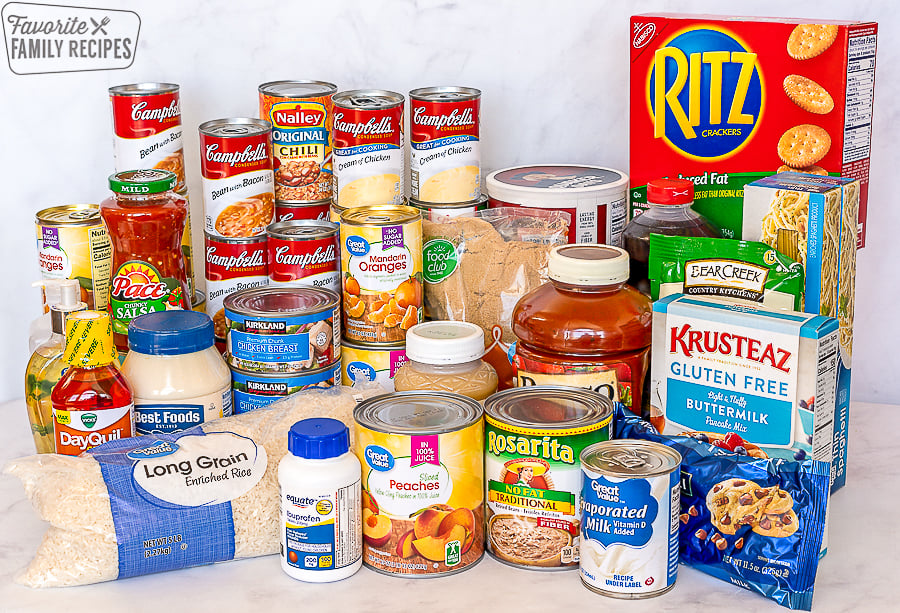
Canned vegetables and fruits are convenient and nutrient-rich options that can brighten your meals during emergencies. They retain most vitamins and minerals, offering a quick way to add fiber and natural sugars to your diet. Look for low-sodium or no-sugar-added versions to keep your intake healthier.
Have you ever tried canned pumpkin or beets? They add surprising flavors and nutrition. Plus, canned goods stack easily, saving space in your pantry.
Dry Grains And Pasta
Dry grains and pasta are excellent energy sources and have long shelf lives. Rice, quinoa, oats, and various pasta shapes can form the base of many meals and keep you full for hours. You can cook them in bulk and mix with canned veggies or beans for variety.
Consider brown rice or whole wheat pasta for added fiber. What’s your favorite simple dish using just grains and a few pantry staples?
Beans And Legumes
Beans and legumes are protein powerhouses that store well in both canned and dry forms. They’re versatile for soups, stews, salads, and even spreads. Dry beans require soaking and cooking, but canned beans offer immediate convenience.
Keep a mix of black beans, chickpeas, lentils, and kidney beans to cover different recipes and flavors. Have you noticed how a simple pot of beans can feel like a complete meal?
Credit: www.favfamilyrecipes.com
Protein Sources
Protein is a key nutrient to store for emergencies. It helps keep muscles strong and supports the immune system. Protein also keeps you feeling full for longer. Choose foods that last long and are easy to prepare.
Canned Meats And Fish
Canned meats and fish offer a reliable source of protein. They come ready to eat and do not require refrigeration. Popular options include canned chicken, tuna, salmon, and sardines. These items are rich in protein and omega-3 fatty acids. Store several cans to maintain variety in meals.
Nut Butters
Nut butters provide protein and healthy fats. Peanut butter and almond butter are common choices. They have a long shelf life and need no cooking. Spread them on crackers or bread for quick snacks. Small jars are easy to store and carry.
Shelf-stable Tofu And Tempeh
Shelf-stable tofu and tempeh are excellent plant-based proteins. They come vacuum-sealed or in aseptic packaging. These options do not require refrigeration until opened. Tofu is soft and mild, while tempeh has a firmer texture. Both can be cooked in various ways for different meals.
Hydration Essentials
Staying hydrated is crucial during emergencies. Water keeps your body working well. It helps with energy and focus. Without enough fluids, health can quickly worsen. Stocking up on hydration essentials ensures you stay safe and healthy.
Bottled Water
Bottled water is the simplest way to stay hydrated. Choose sealed bottles with a long shelf life. Store at least one gallon per person daily. Keep extra for cooking and cleaning. Rotate your stock to keep water fresh.
Electrolyte Drinks
Electrolyte drinks replace salts lost through sweat or illness. They help maintain body balance and prevent dehydration. Choose low-sugar options for better health. Powdered electrolyte mixes save space and last longer. Always have some on hand for emergencies.
Water Purification Methods
Access to clean water is not always guaranteed. Water purification methods make unsafe water drinkable. Store portable filters and purification tablets in your emergency kit. Boiling water is an effective way to kill germs. Prepare to use multiple methods for safety.

Credit: www.goodhousekeeping.com
Ready-to-eat Meals
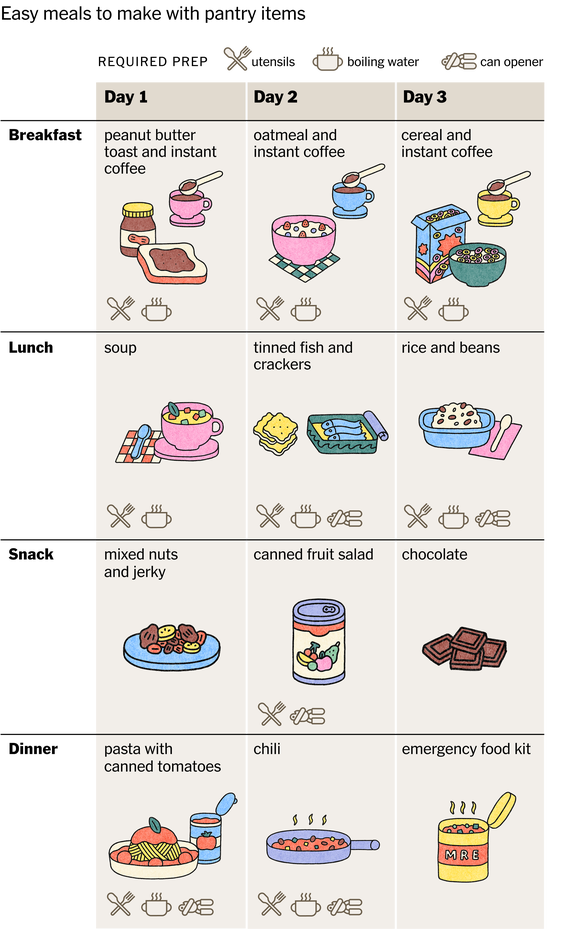
Ready-to-eat meals are essential for emergency food storage. They save time and effort during stressful situations. These meals often require little or no preparation. They provide balanced nutrition and long shelf life. Stocking up on ready-to-eat options ensures you have food even without power or water.
Freeze-dried Meals
Freeze-dried meals last for years without refrigeration. They keep most nutrients and flavors intact. Just add water to rehydrate and enjoy. These meals are lightweight and easy to store. Ideal for emergency kits and camping supplies.
Energy Bars And Snacks
Energy bars provide quick fuel and essential nutrients. They come in many flavors and types. Choose bars with protein, fiber, and healthy fats. Snacks like nuts and dried fruit add variety. Perfect for small, frequent meals or snacks on the go.
Instant Soups And Noodles
Instant soups and noodles are comforting and easy to prepare. They require only hot water or minimal cooking. Many options are fortified with vitamins and minerals. These meals can boost morale during tough times. Keep a variety of flavors for meal diversity.
Cooking And Flavoring Supplies
Cooking and flavoring supplies make emergency meals better and more enjoyable. These items help create tasty dishes even with simple ingredients. Stocking up on the right oils, spices, and seasonings is smart. They add variety and make food more satisfying.
Cooking Oils
Cooking oils are essential for preparing many dishes. Choose oils with a long shelf life like olive, coconut, or vegetable oil. These oils add flavor and help cook food evenly. Store them in a cool, dark place to keep them fresh longer.
Spices And Condiments
Spices bring life to basic meals and improve taste. Common spices to keep include pepper, garlic powder, paprika, and chili flakes. Condiments like mustard, soy sauce, and vinegar also add zest. Keep small bottles or jars to save space and avoid waste.
Salt And Sugar
Salt is vital for seasoning and preserving food. It also helps balance flavors in meals. Sugar adds sweetness and can be used in cooking or baking. Store both in airtight containers to prevent clumping and keep them fresh.

Credit: www.forbes.com
Special Dietary Needs
Special dietary needs require careful planning when stocking up food for emergencies. Diverse health conditions and preferences mean a one-size-fits-all approach won’t work. Choosing the right foods ensures everyone stays nourished and healthy during tough times.
Gluten-free Options
Gluten intolerance and celiac disease affect many people worldwide. Gluten-free foods must be safe and easy to store. Good choices include:
- Rice and quinoa
- Gluten-free oats
- Canned beans and lentils
- Gluten-free pasta and crackers
- Nut butters and seeds
Label checking is crucial to avoid gluten contamination. Packaged gluten-free meals can add variety and convenience.
Vegan And Vegetarian Choices
Plant-based diets need protein and nutrient-rich foods. Stocking vegan and vegetarian options supports health and energy. Consider these foods:
- Dried or canned beans and chickpeas
- Tofu and tempeh (shelf-stable varieties)
- Nuts, seeds, and nut butters
- Whole grains like brown rice and barley
- Dehydrated vegetables and fruits
Fortified plant milks and supplements help meet vitamin B12 needs. Choose items with long shelf lives and easy preparation.
Baby And Elderly Nutrition
Babies and elderly people need special nutrition for strength and recovery. Stock foods that are easy to digest and nutrient-dense. Examples include:
- Infant formula and baby cereals
- Pureed fruits and vegetables
- Soft cooked grains and legumes
- Hydrating broths and soups
- Supplements like vitamins and minerals
Check expiration dates regularly. Keep foods in easy-to-open containers to help those with limited dexterity.
Storage Tips
Proper storage is vital for keeping emergency food supplies safe and fresh. Good storage prevents spoilage and protects food from pests and moisture. Organizing your stock well saves space and helps you find items quickly during an emergency.
Proper Sealing And Containers
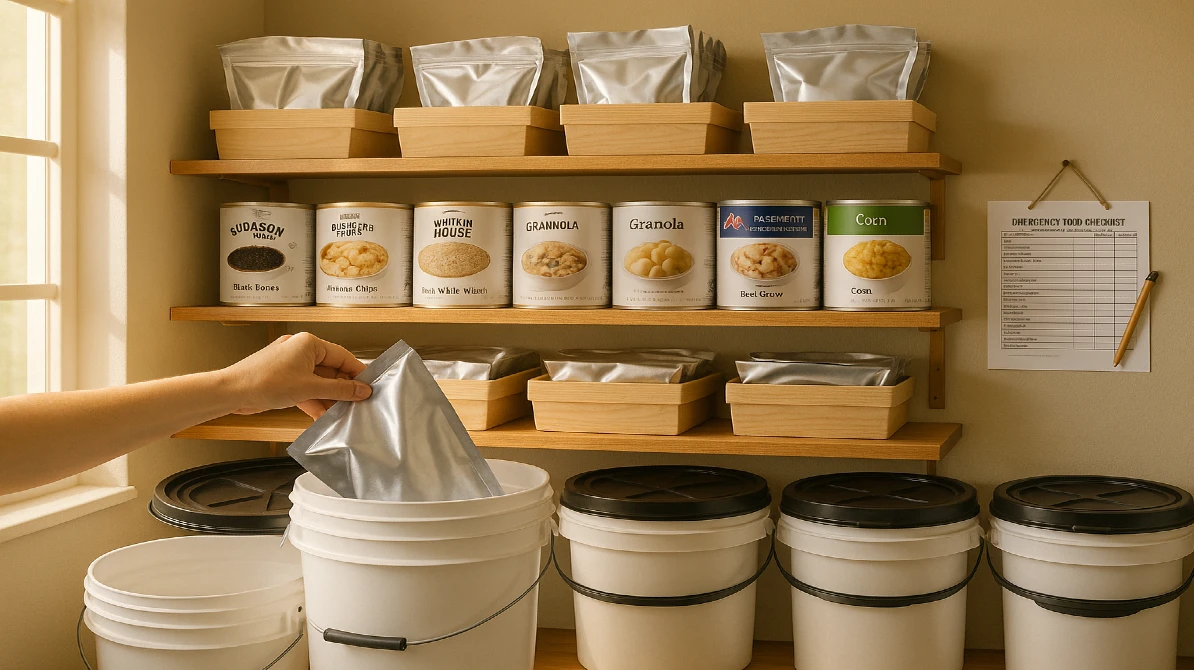
Use airtight containers to keep food fresh longer. Glass jars, plastic bins, and vacuum-sealed bags work well. Avoid containers that allow air or moisture inside. Label each container with the food name and date packed. Clear containers help spot spoilage without opening them.
Temperature Control
Store food in a cool, dry place to slow down spoilage. Ideal storage temperatures range from 50°F to 70°F (10°C to 21°C). Avoid places with temperature swings like near ovens or windows. Heat can cause food to spoil faster and lose nutrients.
Rotation And Expiry Management
Use the “first in, first out” rule for your food stock. Place new items behind older ones on shelves. Check expiration dates regularly and remove expired food immediately. Keep a list or chart to track what needs using soon. This reduces waste and ensures food stays safe to eat.
Frequently Asked Questions
What Are The Best Long-lasting Emergency Foods?
The best long-lasting emergency foods include canned beans, rice, dried pasta, and freeze-dried meals. These foods have a long shelf life and provide essential nutrients during emergencies.
How Much Food Should I Stock For Emergencies?
Stock enough food for at least three days per person. Ideally, prepare for two weeks to cover extended emergencies or supply delays.
Which Foods Provide The Most Energy In Emergencies?
High-calorie foods like peanut butter, nuts, granola bars, and dried fruits offer quick and sustained energy during emergencies.
Are Canned Foods Safe For Emergency Storage?
Yes, canned foods are safe and durable for emergency storage. They retain nutrients and can last several years if stored properly.
Conclusion
Stocking up on the right foods keeps you prepared and safe. Choose items that last long and provide good nutrition. Canned goods, dried fruits, and grains work well. Don’t forget water and easy-to-cook meals. Rotate your supplies to keep them fresh.
Planning ahead reduces stress during emergencies. Small steps today bring peace of mind tomorrow. Stay ready, stay strong.