When Hurricane Florence strikes, your world can change in an instant. You might find yourself facing unexpected challenges, like losing access to food or money.
If you’re worried about how to feed your family during this crisis, you’re not alone—and help is available. Knowing how to get emergency food stamps quickly can ease your stress and keep your loved ones safe. You’ll discover simple steps to apply for emergency food assistance right now.
Keep reading, because the support you need is closer than you think.
Credit: www.ednc.org
Qualify For Emergency Food Stamps
Qualifying for emergency food stamps after Hurricane Florence can provide vital support. Many families face sudden hardships and need immediate help. Emergency food stamps offer temporary relief for those affected by the storm. Understanding the qualification process is key to accessing these benefits quickly.
Eligibility Criteria After Hurricane Florence
Eligibility depends on several factors related to the hurricane’s impact. Applicants must show they live in an area declared a disaster zone. Income limits are often adjusted to help more people. Households that lost income or food access due to the hurricane qualify. Those with children, elderly, or disabled members may receive priority. Proof of residency and disaster impact is essential for approval.
Required Documentation
Gathering the right documents speeds up your application. Prepare these items before applying:
- Photo ID for all adult household members
- Proof of address in the disaster area
- Income statements or recent pay stubs
- Proof of disaster impact, like damage reports or evacuation orders
- Social Security numbers for all household members
- Bank statements to show available resources
Submitting complete documents reduces delays. Keep copies for your records and future needs.
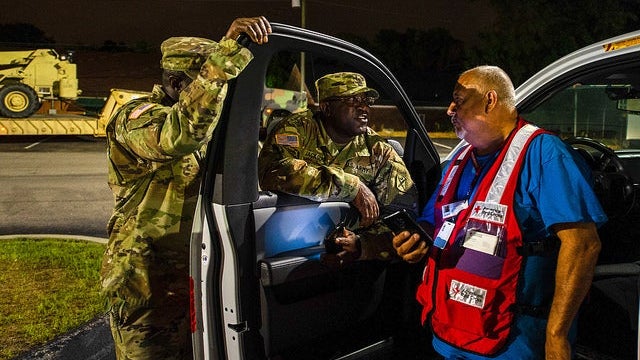
Credit: thepointsguy.com
Apply Quickly For Benefits
After a disaster like Hurricane Florence, getting emergency food stamps quickly can be a lifesaver. Delays in applying might mean going without essential support when you need it most. Acting fast ensures you and your family have access to the nutrition required during tough times.
Online Application Process
You can apply for emergency food stamps online, making the process faster and more convenient. Most state agencies have dedicated disaster assistance portals where you fill out your application in minutes.
Be ready with your personal details such as ID, address, and income information. Uploading any proof of hurricane impact, like photos or official notices, can speed up approval.
Have you checked if your state offers a mobile-friendly application? Completing it on your phone while waiting in line or during a break can save valuable time.
Applying In-person
If you prefer face-to-face help, visit your local social services office. Staff there can guide you through the paperwork and answer questions specific to your situation.
Arrive early to avoid long waits, especially after a disaster when many people seek assistance. Bringing all necessary documents reduces back-and-forth visits.
Think about asking for help from community organizations present at these centers—they often provide extra support or advocacy to speed up your case.
Phone Application Options
Applying by phone is a good option if you cannot go online or visit an office. Call your state’s emergency food stamp hotline to speak with a representative.
Prepare to provide your information verbally, and ask what documents you need to send afterward. Some states allow you to mail or email these to avoid multiple trips.
Have you saved the emergency numbers in your phone? Quick access to these lines can make a big difference when you’re stressed or busy managing other hurricane impacts.
Expedited Processing Tips
Getting emergency food stamps quickly after Hurricane Florence can feel overwhelming. The good news is that there are ways to speed up the process through expedited processing. Understanding when and how to request fast service can make a significant difference in getting help when you need it most.
When You Can Request Fast Service
You can ask for expedited processing if your household has very low income and resources. This often means having less than $150 in cash or bank accounts and little or no food available.
Other situations that qualify include:
- Facing an immediate loss of income due to the hurricane
- Having high housing costs that leave little money for food
- Being homeless or at risk of homelessness
Think about your current situation: do you meet any of these conditions? If yes, you have a strong case for fast service. Don’t wait until your food runs out to ask for help.
How To Speed Up Your Application
Start by gathering all required documents before applying. Having proof of income, residency, and identification ready can save you days of waiting.
Next, apply online if possible; many states offer faster processing this way. If you apply in person or by phone, clearly state that you need expedited processing due to the hurricane’s impact.
Follow up regularly on your application status. Calling your local SNAP office every few days shows you’re serious and can push your case ahead of others.
Remember, staying organized and proactive is your best tool. What small step can you take right now to move your application forward?
Locate Assistance Centers
Finding places that offer help is crucial after Hurricane Florence. Assistance centers provide important resources like emergency food stamps. These centers guide you through the application process and answer your questions.
Knowing where to go saves time and stress. It also connects you with people ready to support you. Here are two types of centers to find near you.
Disaster Recovery Centers Near You
Disaster Recovery Centers (DRCs) are set up by government agencies after disasters. These centers help with food stamps, housing, and other aid programs. Staff at DRCs offer face-to-face assistance and explain eligibility rules.
DRCs usually open in community buildings, schools, or libraries. Visit the official FEMA website or your local emergency management office to find nearby centers. Many centers operate with flexible hours to fit your schedule.
Community Organizations Offering Help
Local community groups also provide emergency aid. Churches, food banks, and nonprofits often help distribute food stamps or vouchers. They understand local needs and speak your language.
Community organizations may also offer transportation to assistance centers. Volunteers help fill out forms and provide emotional support. Contact local shelters or social service offices to learn about these groups near you.
Use Emergency Ebt Cards
Emergency EBT cards provide quick food aid after Hurricane Florence. These cards help families buy groceries during disaster times. They work like regular food stamp cards but are activated for emergencies. Using these cards can ease stress and ensure access to essential food items.
How Emergency Ebt Works
Emergency EBT (EBT) gives money for food after disasters. The government loads funds onto a special EBT card. This card is sent to eligible families in affected areas. The money can only buy food and drinks. It cannot be used for non-food items or cash withdrawal.
The card works at stores with EBT machines. The balance shows after each purchase. Funds usually expire after a set period, so use them quickly. Emergency EBT supports those who lost income or food access due to Hurricane Florence.
Where To Use Your Card
Use Emergency EBT cards in grocery stores and supermarkets. Look for stores that accept SNAP benefits. Many large chains and local markets participate. Farmers markets may also accept the card during emergencies.
- Supermarkets with EBT terminals
- Convenience stores that accept SNAP
- Farmers markets with EBT programs
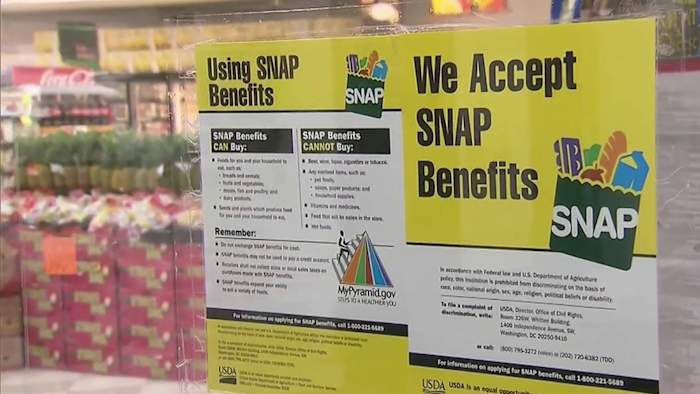
Check with your local aid office for approved locations. Use the card only for food items allowed by SNAP rules. This helps stretch your emergency food benefits as far as possible.
Additional Resources For Relief
After applying for emergency food stamps, many seek more support. Relief from a hurricane often requires multiple types of aid. Knowing about other resources can help you recover faster. Assistance programs cover food, money, and safe shelter. Use these options to meet your immediate needs.
Other Food Assistance Programs
Several programs offer food help beyond emergency stamps. The Disaster Supplemental Nutrition Assistance Program (D-SNAP) gives extra benefits during disasters. Food banks and local charities provide free meals and groceries. Community kitchens may serve hot meals daily. Churches and nonprofit groups also distribute food packages. These programs ensure families do not go hungry.
Financial Aid And Shelter Options
Financial aid can cover rent, utilities, and essentials. FEMA offers grants for disaster-related expenses. Local government offices provide cash assistance for urgent needs. Temporary shelters open to those displaced by the hurricane. Red Cross and Salvation Army run many shelters. Hotels may offer free or low-cost stays through relief programs. These resources protect your family and help you rebuild.
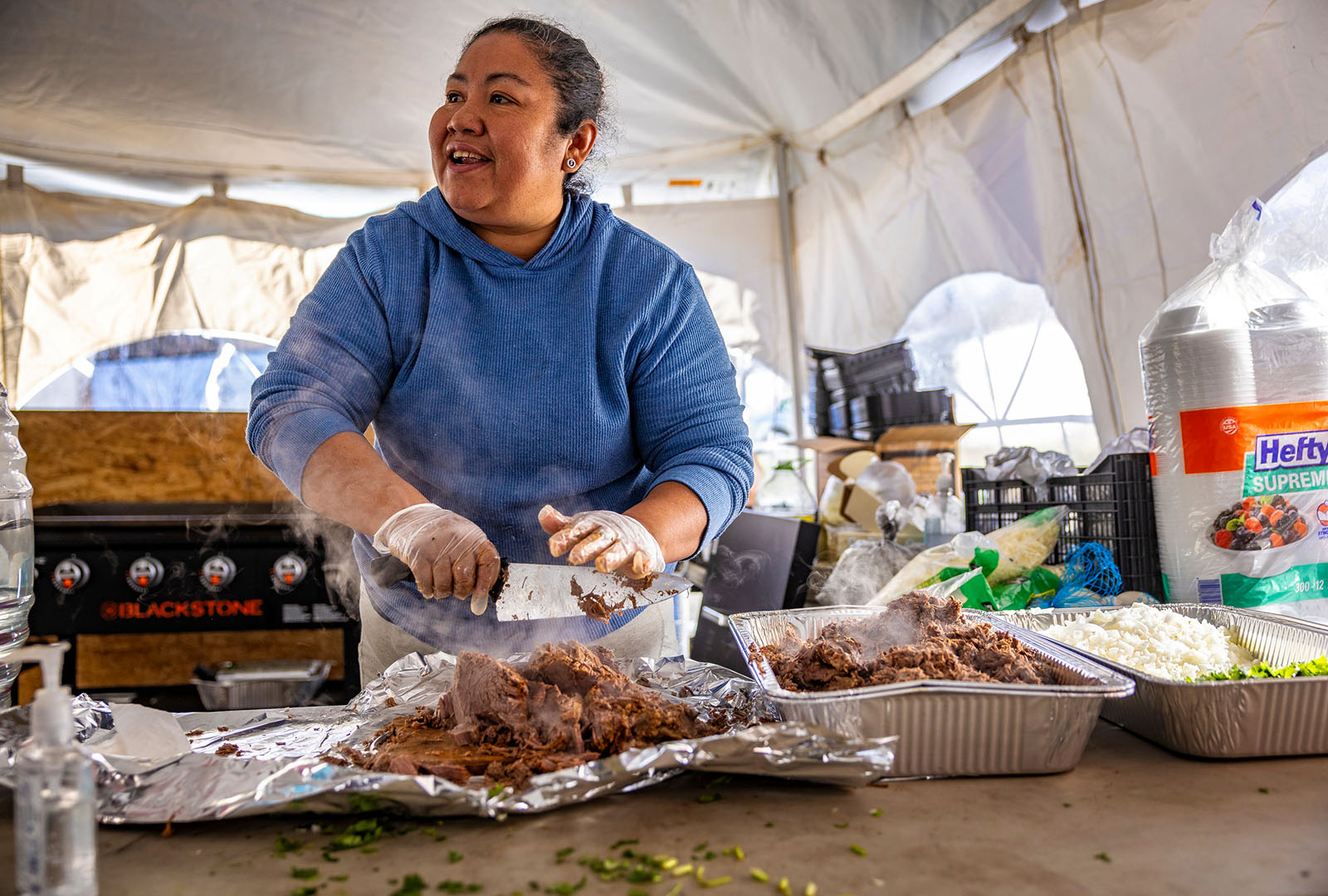
Credit: www.coreresponse.org
Frequently Asked Questions
How Can I Apply For Emergency Food Stamps After Hurricane Florence?
You can apply online or visit your local SNAP office. Provide disaster-related documents and proof of income for faster approval.
Who Is Eligible For Emergency Food Stamps Post-hurricane Florence?
Eligibility depends on your income, household size, and disaster impact. Those affected by the hurricane may qualify for expedited benefits.
How Quickly Are Emergency Food Stamps Distributed After A Disaster?
Emergency food stamps are usually issued within 7 days. Expedited processing helps families get immediate food assistance during crises.
What Documents Are Needed For Emergency Food Stamp Applications?
You need ID, proof of income, residence, and hurricane damage documents. These verify your eligibility for emergency SNAP benefits.
Conclusion
Getting emergency food stamps after Hurricane Florence helps many families. Act quickly and gather all needed documents. Contact your local aid office for clear guidance. Keep track of deadlines to avoid delays. This support can ease food worries during tough times.
Stay informed and don’t hesitate to ask for help. Your safety and health come first. Remember, assistance is available to help you recover. Take the steps today to secure food aid. It makes a real difference in hard times.