Are you facing unexpected financial struggles and wondering if you can get emergency food stamps through DHS? You’re not alone, and finding quick help can feel overwhelming.
Knowing whether DHS is currently providing emergency food stamps could make a big difference for you and your family right now. You’ll discover exactly how the process works, what you need to qualify, and where to apply. Keep reading to get the clear answers you need to take the next step toward relief.
Emergency Food Stamps Basics
Emergency food stamps help people who face sudden food needs. They provide quick support during tough times. The Department of Human Services (DHS) can issue these benefits fast. This aid helps families avoid hunger while they solve short-term problems.
Understanding emergency food stamps is important. Knowing what they are and who can get them helps you act fast. This section covers the basics clearly and simply.
What Are Emergency Food Stamps
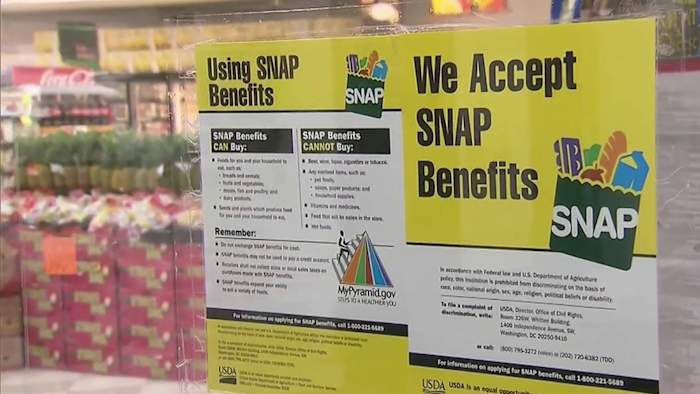
Emergency food stamps are special benefits given quickly. They are part of the Supplemental Nutrition Assistance Program (SNAP). These benefits help people buy food right away. They are not the same as regular monthly food stamps.
Emergency food stamps are for urgent cases. They provide money on an Electronic Benefit Transfer (EBT) card. This card works like a debit card for food purchases. The goal is to stop hunger fast.
Who Qualifies For Emergency Assistance
Emergency food stamps are for people in urgent need. Common reasons include:
- Running out of food before regular SNAP benefits arrive
- Sudden loss of income or job
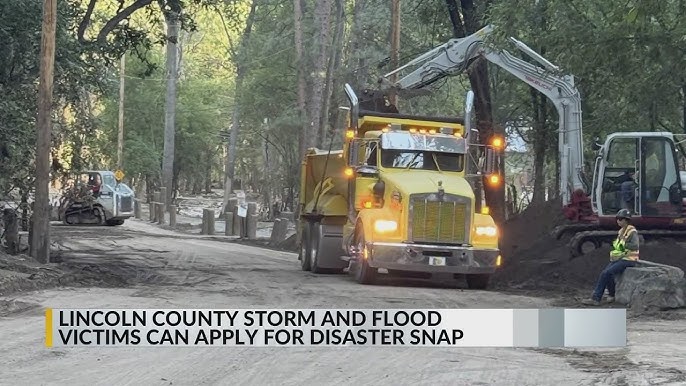
- Natural disasters or emergencies
- Unexpected expenses causing food insecurity
To qualify, applicants must meet income rules. They usually must show proof of their situation. DHS reviews these cases quickly to help as soon as possible.

Credit: www.economist.com
Applying For Emergency Food Stamps
Applying for emergency food stamps offers quick help for families facing food insecurity. This aid can cover urgent food needs while waiting for regular benefits. The application must be clear and complete to avoid delays.
Understanding the application steps and requirements helps you prepare better. Knowing where to apply and what documents to bring makes the process smoother.
Where To Apply
You can apply for emergency food stamps at your local Department of Human Services (DHS) office. Some states allow online applications through their official DHS websites. Phone applications might be available in certain areas. Visiting the office in person often speeds up the process.
Required Documents
- Proof of identity (ID card, driver’s license)
- Proof of residency (utility bill, lease agreement)
- Income information (pay stubs, unemployment benefits)
- Household size details (birth certificates, school records)
- Any recent bank statements or asset information
Having all documents ready helps DHS verify your need quickly.
Application Process Steps
- Gather all required documents before applying.
- Submit your application online, by phone, or in person.
- Answer questions about your income and household honestly.
- Request emergency benefits clearly during the application.
- Schedule or attend an interview if required by DHS.
- Wait for approval notification, usually within a few days.
- Receive your emergency food stamp benefits after approval.
Following these steps carefully ensures faster access to emergency food help.
Benefits And Limits
The benefits and limits of emergency food stamps from DHS shape how much help recipients get. These benefits aim to support families facing sudden financial trouble. Understanding the amount and duration of assistance helps manage expectations and plan accordingly.
How Much Assistance You Can Receive
The amount of emergency food stamps depends on household size and income. DHS calculates benefits based on basic food needs and available resources. Aid is usually enough to cover essential groceries for a short period.
- Single individuals receive less than larger families.
- Income and expenses affect the exact amount.
- Emergency benefits may supplement regular food stamp assistance.
Duration Of Emergency Benefits
Emergency food stamp benefits are temporary. They often last one to three months. The goal is to provide quick relief during financial emergencies.
After the emergency period, recipients must reapply for regular benefits. Timely reapplication ensures continued food assistance if needed.
Common Challenges
Applying for emergency food stamps through the Department of Human Services (DHS) can be a lifeline during tough times. However, many applicants face hurdles that can make the process frustrating and confusing. Understanding common challenges can help you navigate the system more effectively and avoid unnecessary setbacks.
Reasons For Application Denial
DHS may deny your emergency food stamps application for several reasons. One common issue is missing or incomplete documentation, such as proof of income or residency. Without these, your application might be rejected even if you qualify.
Another frequent cause is failing to meet eligibility requirements. This could be due to income slightly above the limit or not meeting specific state criteria. Sometimes, errors on the application form, like incorrect personal information, also lead to denial.
Think about your own experience: Have you double-checked every detail and document before submitting? Small mistakes can cost you access to vital support.
How To Appeal A Decision
If your application is denied, you have the right to appeal. Start by carefully reviewing the denial notice to understand the exact reason. This helps you address the specific problem in your appeal.
Gather any missing documents or correct errors before submitting your appeal. Be clear and concise in your explanation, focusing on facts rather than emotions. You can often request a hearing, which allows you to present your case in person or over the phone.
Remember, many people win their appeals by simply providing additional evidence or clarifying misunderstandings. Don’t hesitate to seek help from local advocacy groups or legal aid services if you feel overwhelmed.
Additional Resources
Finding help for food needs can feel hard during emergencies. Many programs and local groups offer support beyond emergency food stamps. These extra resources can ease your burden and provide steady assistance.
Other Food Assistance Programs
Several programs exist to help with food costs and access. They include:
- Supplemental Nutrition Assistance Program (SNAP) – Provides monthly benefits for groceries.
- Women, Infants, and Children (WIC) – Offers nutrition support for pregnant women and young children.
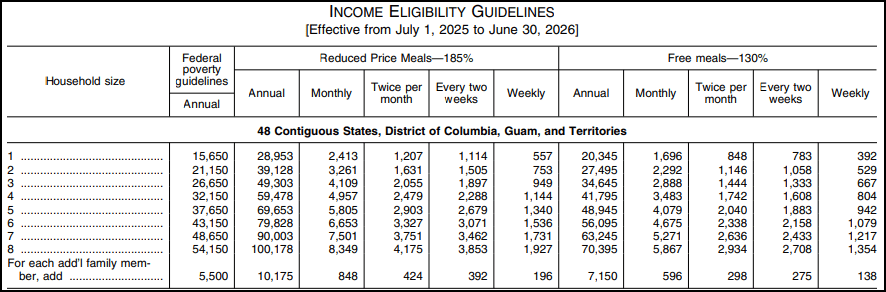
- School Meal Programs – Free or reduced-price meals for children at school.
- Commodity Supplemental Food Program (CSFP) – Supplies food packages to seniors and low-income families.
Each program has its own rules and application process. Checking eligibility early can speed up help.
Community Support Options
Local organizations often provide food assistance outside government programs. These include:
- Food banks and pantries – Distribute free groceries to those in need.
- Churches and faith groups – Offer meals or food boxes regularly.
- Soup kitchens – Serve hot meals to anyone facing hunger.
- Community gardens – Grow fresh produce for local residents.
Community groups may also connect you to other support services. Visiting them can lead to valuable help and advice.
Credit: www.michigan.gov

Credit: www.nyc.gov
Frequently Asked Questions
Does Dhs Provide Emergency Food Stamps?
Yes, DHS can provide emergency food stamps to eligible individuals facing immediate food needs. This assistance helps cover groceries quickly.
Who Qualifies For Emergency Food Stamps From Dhs?
Eligibility depends on income, family size, and urgent food insecurity. DHS assesses each case individually to grant emergency benefits.
How Fast Can I Get Emergency Food Stamps?
Emergency food stamps are usually issued within 7 days after DHS approves your application to address urgent food needs.
Can Emergency Food Stamps Be Used At Any Grocery Store?
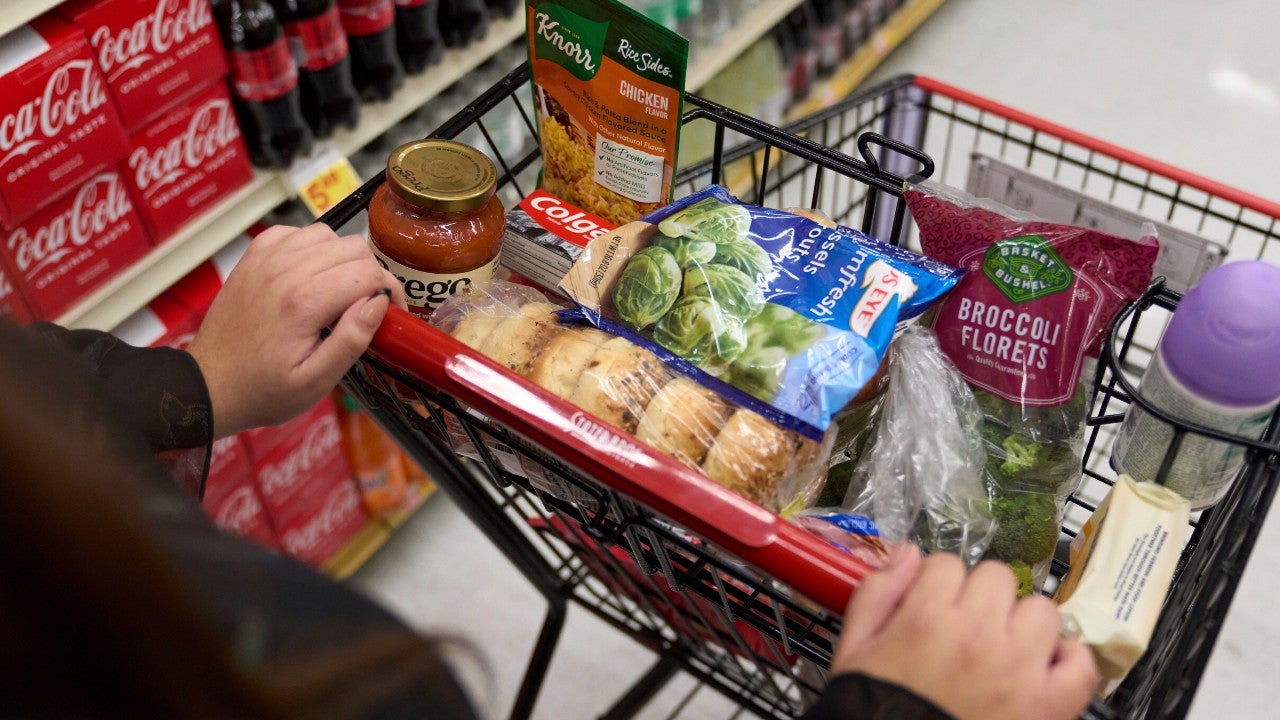
Emergency food stamps can be used at authorized retailers that accept SNAP benefits, including most grocery stores and supermarkets.
Conclusion
DHS may offer emergency food stamps in certain situations. This help supports families facing sudden financial trouble. You can apply quickly if you meet the rules. Check your local DHS office or website for details. Acting fast can ease food worries during tough times.
Keep all needed documents ready to speed up approval. Emergency food stamps provide short-term relief when you need it most. Stay informed about eligibility to get the support you deserve. Don’t wait—reach out to DHS to explore your options today.