Are you worried about where your next meal will come from? You might be wondering, “Are they going to give out emergency food stamps?” If you’re facing tough times and need help fast, this question is on your mind.
Understanding how emergency food stamps work and whether you qualify can make a huge difference for you and your family. Keep reading to find out what you need to know, so you can get the support you deserve without delay.
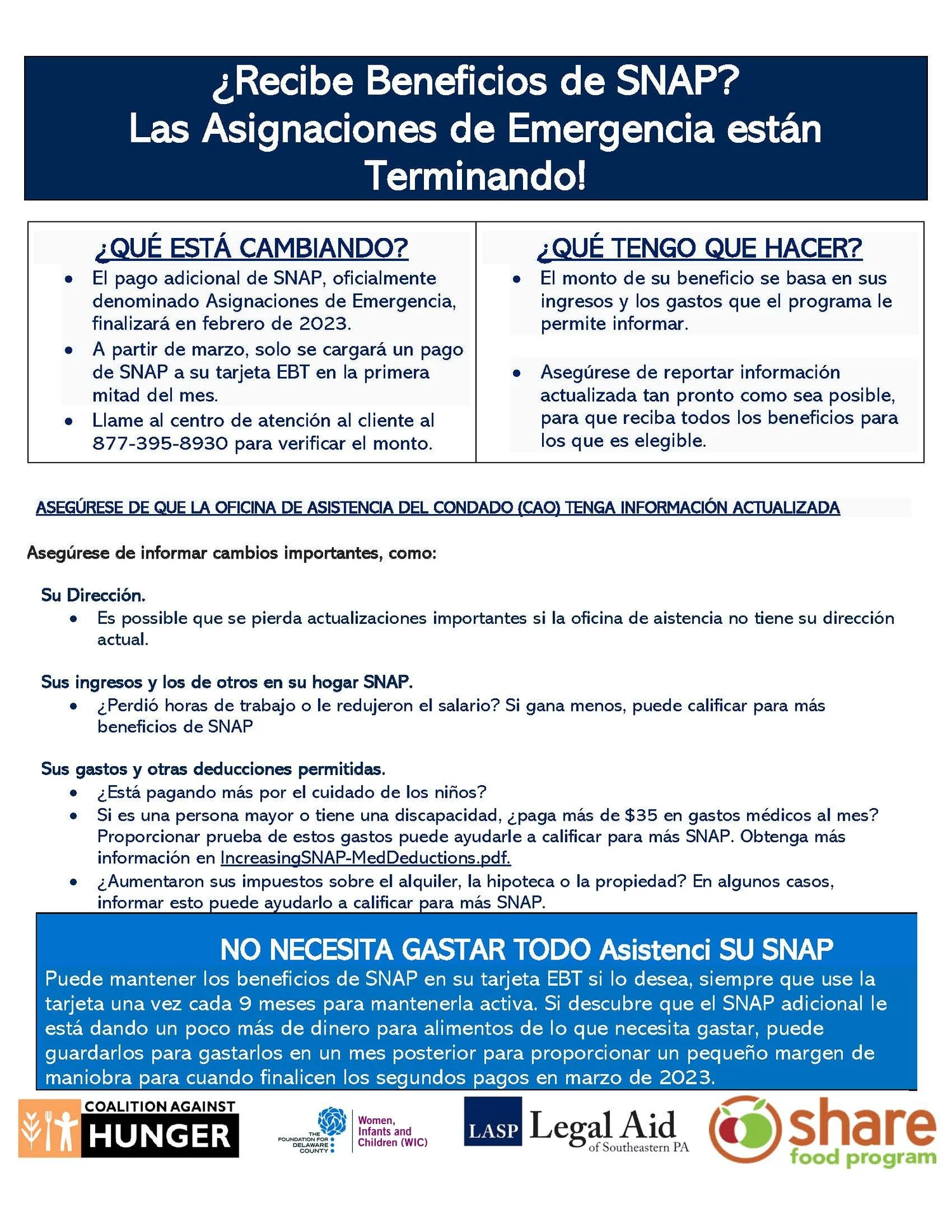
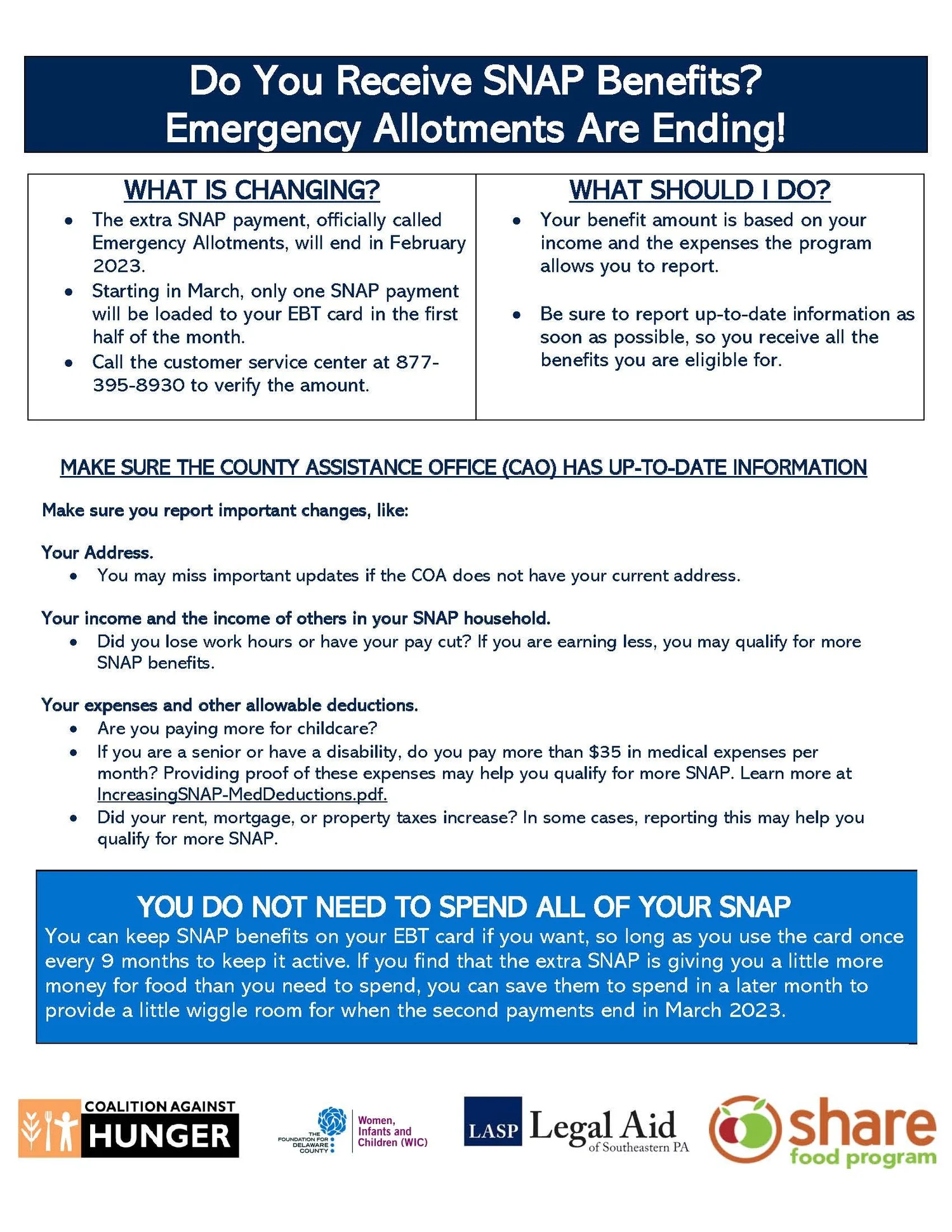
Credit: www.lasp.org
Current Food Stamp Programs
The landscape of food assistance programs is constantly evolving, especially during times of crisis. Current food stamp programs provide vital support to millions of people, helping them put meals on the table when funds are tight. Understanding how these programs operate can help you navigate the options available to you or someone you care about.
How Food Stamps Work
Food stamps, officially known as the Supplemental Nutrition Assistance Program (SNAP), give you money to buy food through an electronic benefits card. This card works like a debit card and can be used at most grocery stores and farmers markets. The amount you receive depends on your income, household size, and other expenses.
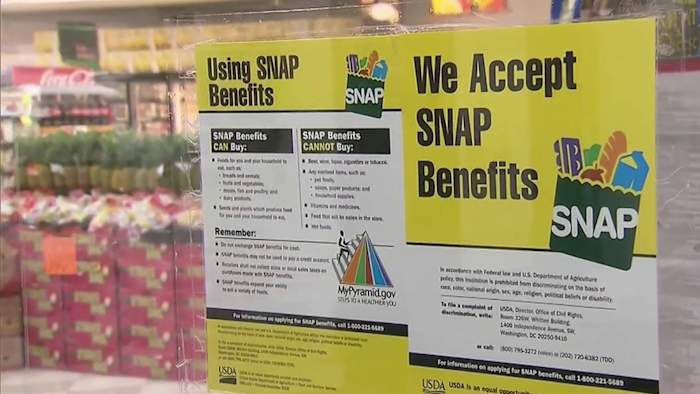
Using SNAP benefits is straightforward, but knowing what you can buy is important. Eligible items include fruits, vegetables, meat, dairy, and bread. You cannot use these benefits to purchase alcohol, tobacco, or hot prepared foods.
Eligibility Criteria
To qualify for food stamps, your household’s income must fall below certain limits, which vary by state. Other factors include your citizenship status, work requirements, and resources like savings or property. Some groups, like elderly or disabled individuals, may have different rules.
Have you checked your local state’s income guidelines? They can differ significantly, so it’s worth looking up. Being aware of these details helps you know if you should apply or help someone else apply.
Application Process
Applying for food stamps usually starts online or at a local assistance office. You’ll need to provide documents like ID, proof of income, and residency. The process includes an interview, often conducted by phone, to discuss your eligibility and answer questions.
Waiting for approval can be stressful, but many states offer expedited services if you’re facing an emergency. Staying organized with your paperwork and following up regularly can speed things up. What challenges have you faced when applying for assistance? Sharing your experience might help others navigate the process better.
Emergency Food Stamp Announcements
Emergency Food Stamp Announcements often bring a mix of hope and urgency to many households. If you’ve ever faced a sudden drop in income or unexpected expenses, you know how crucial timely support can be. Staying updated on these announcements helps you plan and access aid when you need it most.
Recent Government Statements
Officials have recently acknowledged rising food insecurity due to ongoing economic challenges. Several government agencies have hinted at possible increases in food stamp benefits or emergency allocations. These statements are often released through press conferences, official websites, and social media channels.
Have you checked your local government’s updates this week? Being proactive can ensure you don’t miss critical deadlines or application windows.
Potential Trigger Events
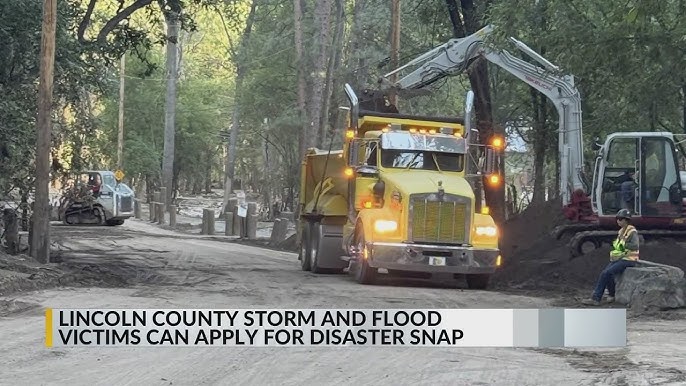
Emergency food stamp distributions usually respond to specific events. Natural disasters like hurricanes, floods, or wildfires often prompt immediate aid. Economic downturns or spikes in unemployment rates can also trigger emergency food assistance programs.
Think about your community—are there any recent events that might lead to increased food aid? Recognizing these triggers early can help you prepare necessary documents or reach out for support.
Expected Distribution Timeline
Once an emergency announcement is made, the distribution timeline varies by location and the scale of need. Typically, benefits are rolled out within weeks to ensure quick relief. Some programs offer expedited application processes to speed up access.
Keep in mind that delays can happen due to administrative processes or verification steps. Staying informed and ready to act quickly can make a difference in how soon you receive assistance.
Factors Influencing Emergency Food Stamps
Emergency food stamps provide crucial help during tough times. Several key factors influence whether these benefits are issued. Understanding these factors helps predict when aid might be available.
Economic Conditions
Economic downturns increase the need for emergency food stamps. Job losses and reduced incomes push more families to seek support. Governments may expand food assistance programs during recessions. Budget constraints also affect how much aid is offered. Local economic health plays a role in decisions about emergency food stamps.
Natural Disasters
Natural disasters cause sudden food shortages and disrupt supply chains. Floods, hurricanes, and wildfires can destroy homes and food supplies. Emergency food stamps become vital for affected families. Relief agencies often coordinate with local governments to provide fast assistance. The scale and severity of the disaster influence the aid amount and duration.
Pandemic Effects
Pandemics create widespread health and economic crises. Many people lose jobs or face reduced work hours. Food insecurity rises sharply during such times. Governments may introduce temporary food stamp programs to meet urgent needs. Public health guidelines and lockdowns can change how benefits are distributed. Pandemic response plans often include expanded food assistance.

Credit: www.youtube.com
Impact On Communities
Emergency food stamps can deeply affect communities facing hardship. These benefits provide vital resources to many families struggling with food insecurity. The impact goes beyond immediate hunger relief. It influences health, education, and local economies.
Support For Low-income Families
Emergency food stamps help families cover basic food needs. This support reduces stress about meals and allows budgeting for other essentials. Children in these families often show better health and focus at school. The aid provides a safety net during job loss or unexpected expenses.
Challenges In Distribution
Distributing emergency food stamps comes with obstacles. Some areas face delays due to limited staff or technology issues. Not all eligible families know how to apply or get help. Language barriers and lack of internet access can slow the process. These challenges can reduce the aid’s effectiveness.
Long-term Benefits
Emergency food stamps can improve community well-being over time. They lower rates of malnutrition and related health problems. Stable nutrition supports children’s growth and learning. The program helps families stay resilient during tough times. This stability can lead to stronger local economies and healthier communities.
Alternatives To Emergency Food Stamps
Emergency food stamps may not always be available. Many people need quick help with food. Several alternatives exist to support families and individuals facing food shortages. These options can provide immediate relief and ongoing support.
Local Food Banks
Local food banks offer free groceries to people in need. They receive donations from stores, farms, and individuals. Food banks usually have fresh and non-perishable items. Many also provide special packages for children and seniors. Visiting a nearby food bank can help stretch your food budget.
Community Assistance Programs
Community centers often run food assistance programs. These may include soup kitchens, meal delivery, and food pantries. Some programs focus on specific groups like veterans or low-income families. Volunteers and staff help ensure food reaches those who need it most. Check local community centers for available services.
Other Government Aid
Besides emergency food stamps, other government programs offer food support. Programs like WIC (Women, Infants, and Children) provide nutrition assistance. School meal programs serve free or low-cost meals to children. SNAP benefits may be available through regular application processes. These programs help maintain food security over time.

Credit: www.youtube.com
Frequently Asked Questions
Are Emergency Food Stamps Being Issued Now?
Yes, some states offer emergency food stamps during crises. Availability varies by location and current government programs.
Who Qualifies For Emergency Food Stamps Assistance?
Eligibility depends on income, household size, and urgent financial need. Check local SNAP offices for specific criteria.
How To Apply For Emergency Food Stamps Quickly?
Apply online, by phone, or in-person at your local SNAP office. Submit required documents to speed up approval.
How Much Emergency Food Stamp Aid Can I Get?
Benefit amounts vary based on household size and income. Emergency benefits usually supplement regular SNAP assistance.
Conclusion
Emergency food stamps may provide crucial help during tough times. Many states offer these benefits to support families in need. Rules and availability can change quickly. Staying updated through official sources is important. Apply early if you think you qualify.
This aid can ease food worries while you get back on your feet. Don’t wait or miss out on support that could help today. Keep checking for new announcements about emergency food stamps. Getting help is possible and can make a real difference.