When it comes to emergency food storage in Arizona, you need more than just a stash of supplies. The desert heat, dry climate, and unique environment can quickly spoil your food if you don’t store it right.
You want your emergency foods to stay fresh, safe, and ready when you need them most. You’ll discover the best methods and places to store your emergency foods in Arizona. By the end, you’ll feel confident that your food supply can withstand the toughest conditions and keep you prepared no matter what happens.
Keep reading to learn how to protect your emergency foods and ensure your safety.
Choosing The Right Emergency Foods
Choosing the right emergency foods is key to staying prepared in Arizona’s unique climate. Foods must last long, provide good nutrition, and suit local storage conditions. Picking suitable options helps avoid spoilage and ensures you have energy during emergencies.
Shelf Life And Nutritional Value
Long shelf life is vital for emergency foods. Choose items that last at least one year without refrigeration. Nutritional value matters too. Focus on foods rich in protein, fiber, and essential vitamins. This helps maintain health when fresh food is unavailable.
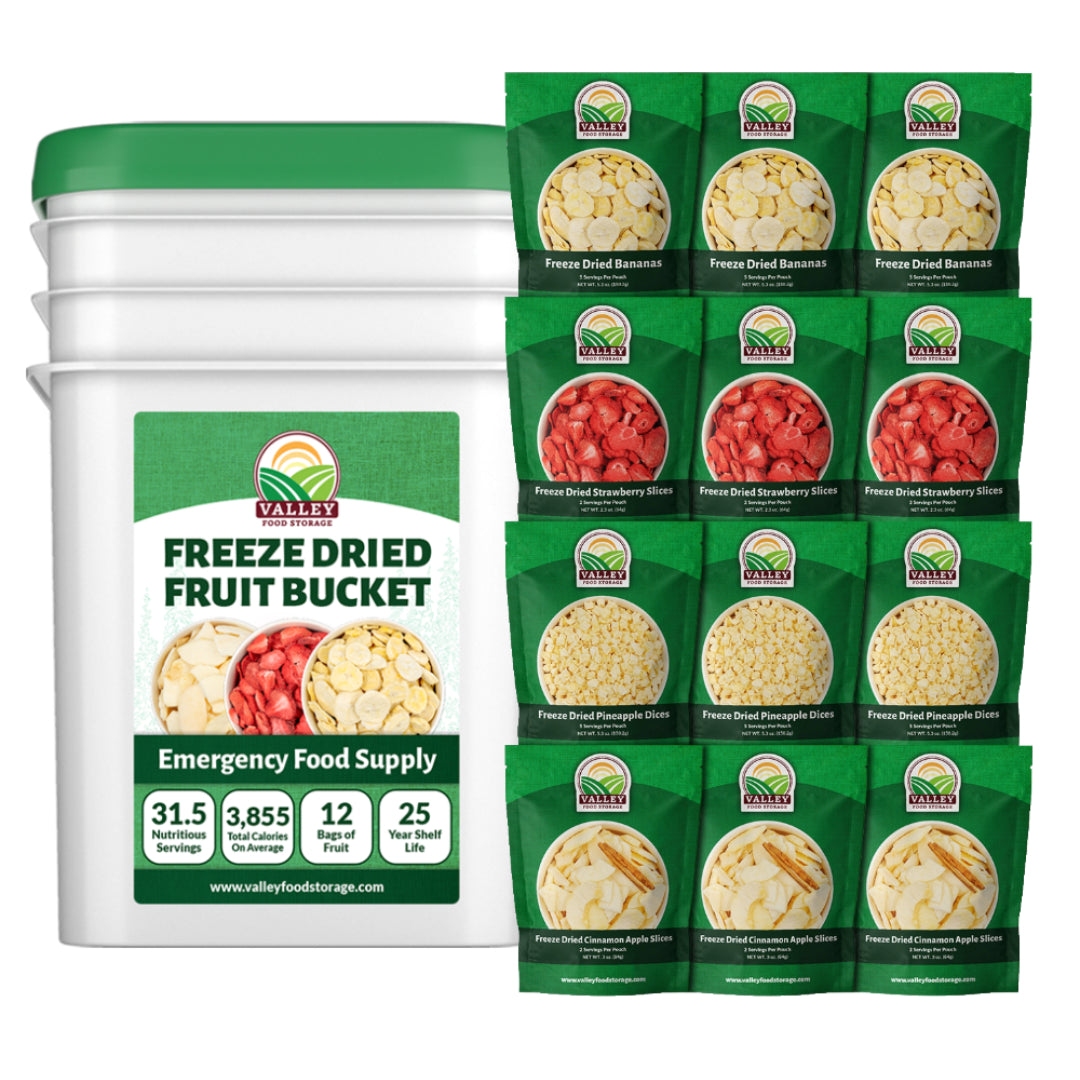
Freeze-dried and dehydrated foods often meet these needs. They retain nutrients and stay safe for years. Canned goods also offer good shelf life but can be heavier to store.
Types Of Emergency Foods Suitable For Arizona
Arizona’s dry heat affects food storage. Dry and canned foods work best. Consider these options:
- Freeze-dried fruits and vegetables
- Canned beans and meats
- Rice, pasta, and grains
- Nuts and seeds
- Powdered milk and protein powders
These foods resist spoilage in dry and warm environments. Avoid fresh or frozen foods that spoil quickly without power.
Packaging Considerations
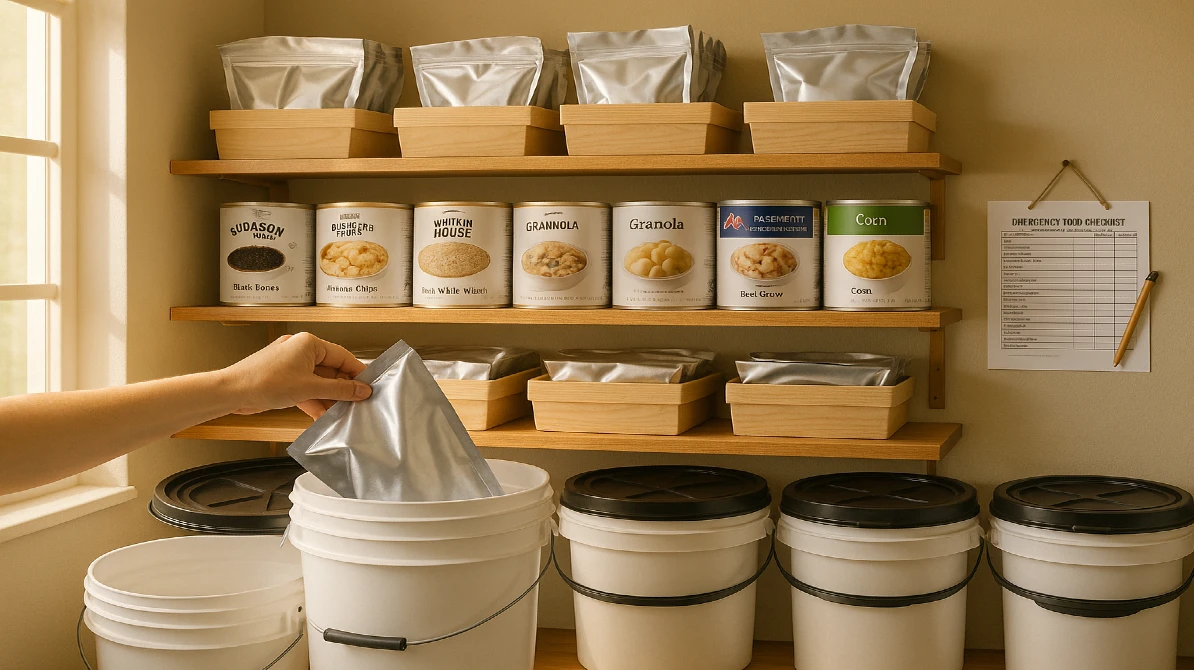
Proper packaging protects foods from heat, moisture, and pests. Use airtight containers to keep food fresh longer. Mylar bags with oxygen absorbers are ideal for dry goods. Metal or heavy-duty plastic containers work well for canned items.
Store foods off the ground in cool, shaded areas. This reduces heat exposure and prevents damage. Label packages with purchase dates to rotate stock easily.

Credit: augasonfarms.com
Ideal Storage Locations In Arizona
Choosing the right place to store emergency foods in Arizona is essential. The state’s hot and dry climate creates unique challenges. Proper storage ensures food stays fresh and safe for long periods. Consider locations that protect food from heat, moisture, and pests. Think about access during emergencies and space availability.
Indoor Storage Options
Indoor areas offer more control over temperature and humidity. Basements and closets work well if they stay cool and dry. Kitchen pantries are common but may face heat from appliances. Avoid places near ovens or heating vents. Use airtight containers to keep pests out. Shelves off the ground help prevent moisture damage. Check indoor spaces regularly for signs of spoilage or pests.
Outdoor Storage Considerations
Outdoor storage requires careful planning in Arizona’s climate. Direct sunlight can spoil food quickly. Use shaded areas like covered patios or garages. Store food in sealed, weatherproof containers to block moisture and insects. Elevated pallets keep items off the hot ground. Avoid spots prone to flooding during rare rainstorms. Outdoor storage is best for short-term holding or less sensitive items.
Temperature And Humidity Challenges
Arizona’s heat can exceed 100°F, damaging food quality. High temperatures speed up spoilage and reduce shelf life. Low humidity causes food to dry out or become brittle. Use cool, dark places to slow these effects. Consider climate-controlled storage units for sensitive items. Moisture control packs help manage humidity inside containers. Regularly monitor conditions to protect emergency food supplies.
Protecting Food From Arizona’s Climate
Arizona’s climate is famously harsh, with scorching heat, intense sun, and occasional moisture challenges. These factors can quickly spoil your emergency food supplies if not stored correctly. Protecting your food means understanding these unique conditions and taking smart steps to keep your supplies safe and edible.
Dealing With Heat And Sun Exposure
High temperatures can cause oils in food to go rancid and degrade vitamins. Store your emergency food in a cool, shaded place away from direct sunlight to slow down spoilage. Basements or insulated containers can help maintain a stable temperature even during Arizona’s peak heat.
Have you ever opened a can of food after a hot summer and noticed an off smell? That’s heat damage in action. Using reflective covers or placing food in a temperature-controlled environment will protect your stockpile.
Moisture Control Strategies
Though Arizona is dry, monsoon season brings sudden humidity spikes that can ruin dry goods. Use airtight containers with moisture-absorbing packets to keep humidity out. Regularly check seals on your storage containers to prevent moisture intrusion.
Silica gel packs or oxygen absorbers can extend shelf life by controlling moisture and air exposure. Think about storing foods off the floor to avoid condensation damage from cool surfaces. How often do you inspect your emergency food for signs of moisture?
Pest Prevention Methods
Rodents and insects are clever at finding food sources, especially in dry climates. Use sturdy, sealed containers made of metal or heavy-duty plastic to keep pests out. Avoid cardboard boxes—they’re easy for pests to chew through.
Keep your storage area clean and free of crumbs or spills that attract pests. Setting traps or natural repellents nearby can add an extra layer of defense. What small steps can you take today to make your food stash less appealing to unwanted visitors?
Storage Containers And Equipment
Choosing the right storage containers and equipment is essential for keeping your emergency foods fresh and safe in Arizona’s challenging climate. The intense heat and dry air can quickly degrade food if not stored properly. Investing in the right containers helps extend shelf life, maintain flavor, and protect your supplies from pests and moisture.
Airtight Containers And Vacuum Sealing
Airtight containers block out oxygen, which slows down spoilage and prevents moisture from ruining your food. Glass jars with rubber seals or BPA-free plastic containers work well to keep emergency foods fresh.
Vacuum sealing takes it a step further by removing air completely. This method significantly extends shelf life, especially for grains, dried beans, and freeze-dried meals. Have you tried vacuum sealing your bulk purchases? It’s a game-changer for space-saving and freshness.
Using Coolers And Insulated Storage
Arizona’s high temperatures can accelerate food spoilage, so keeping your emergency foods cool is critical. Using coolers or insulated storage boxes can protect your supplies from heat spikes, especially if you don’t have a dedicated cool storage room.
Place ice packs or frozen water bottles inside coolers to maintain low temperatures without risking water damage. Even in dry heat, insulation can stabilize temperature fluctuations, preserving your food’s quality longer.
Labeling And Rotation Systems
Clear labeling helps you track the age of your emergency foods, so you don’t accidentally consume expired items. Use waterproof markers or printed labels that won’t fade in heat or humidity.
Develop a rotation system by placing newer supplies behind older ones. This simple habit ensures you use your emergency foods before they expire, reducing waste and keeping your stash ready for any situation. How often do you check your emergency food’s expiration dates?
Maintaining And Monitoring Supplies
Maintaining and monitoring your emergency food supplies in Arizona is essential to ensure that you have safe and usable food when you need it most. The hot and dry climate can affect food quality, so keeping a close eye on your storage is not just a good idea—it’s necessary. Regular care helps you avoid waste and guarantees your stock stays fresh and ready.
Regular Inspection Routines
Set a schedule to check your emergency foods at least once every three months. Look for signs of damage, such as broken seals, dents in cans, or moisture in packaging. Arizona’s heat can cause packaging to degrade faster, so being proactive helps you spot problems early.
Make your inspection quick but thorough—open a few packages to check the smell and texture of the food inside. This simple step can save you from unpleasant surprises when you really need your supplies. Ask yourself: Are all items stored off the ground and away from direct sunlight?
Replacing Expired Foods
Expired food loses nutritional value and can even become unsafe. Keep track of expiration dates and plan to replace items before they expire. You don’t have to replace everything at once; swap out a few items each time you shop to keep your stock fresh without overspending.
Consider buying replacement foods that suit the Arizona climate better, like freeze-dried or dehydrated meals with long shelf lives. Have you ever found yourself tossing out food because it went unnoticed past its date? Taking control of expiration dates keeps your emergency pantry reliable.
Tracking Inventory Efficiently
Use a simple system to track what you have and what needs replacing. A checklist or spreadsheet can work wonders for keeping your supplies organized. Include columns for item name, quantity, purchase date, and expiration date.
Place the most recently purchased items at the back of your storage to use the older ones first. This rotation method helps reduce waste. How often do you update your inventory? Setting reminders on your phone or calendar can keep this task from slipping your mind.
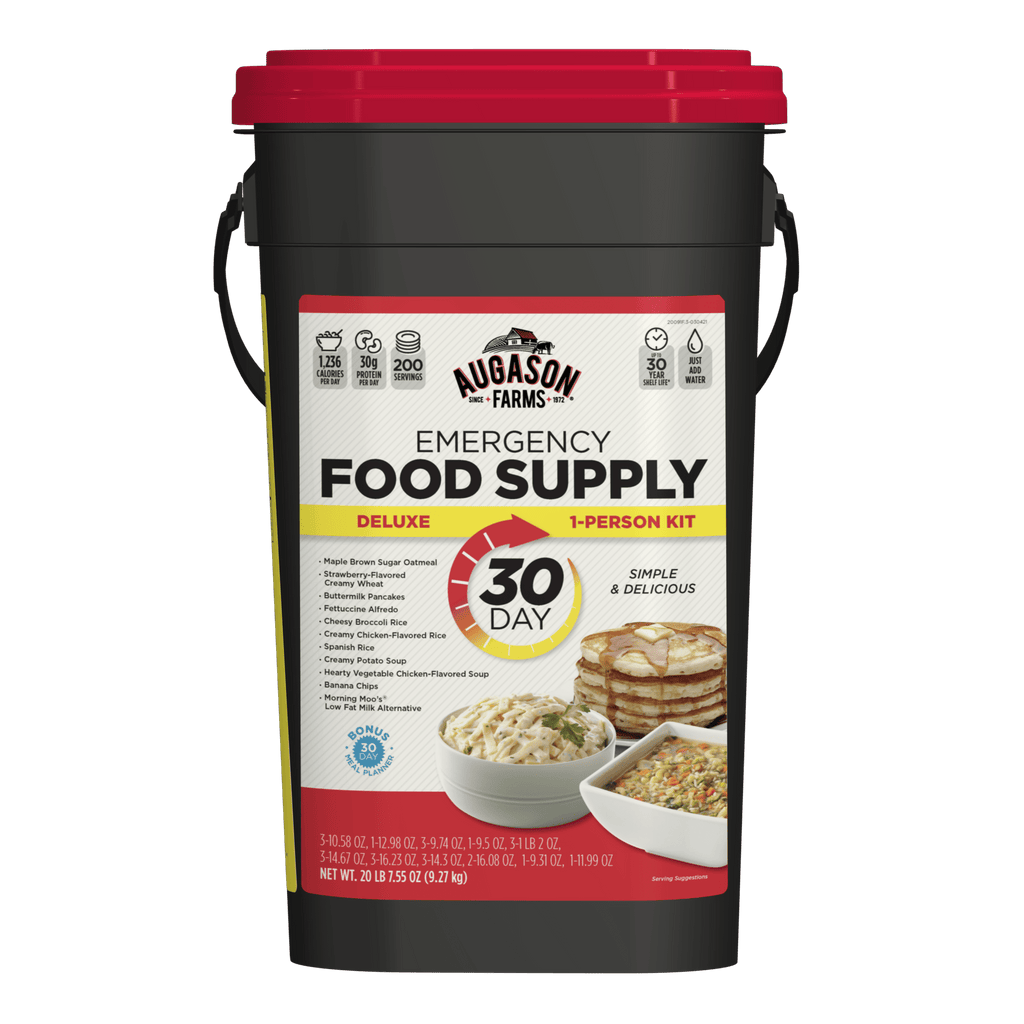
Credit: augasonfarms.com
Special Considerations For Urban And Rural Areas
Storing emergency foods in Arizona means facing unique challenges depending on whether you live in an urban or rural area. Each setting demands different strategies to keep your supplies safe, accessible, and in good condition. Understanding these special considerations can help you prepare smarter, not harder.
Space Constraints In Urban Homes
Urban living often means limited space, especially if you’re in an apartment or a smaller house. You need to be creative about storage without cluttering your living area.
Think vertical—use shelves or wall-mounted racks to free up floor space. Consider multi-purpose furniture with hidden compartments to stash emergency food discreetly.
Keep containers airtight and stackable to maximize room. Have you checked those unused closets or under-bed spaces lately? They could become your secret emergency pantry.
Leveraging Outdoor Space In Rural Settings
Rural homes often have the advantage of extra outdoor space, but Arizona’s heat can be a big problem for food storage outside.
Use insulated storage sheds or root cellars designed to maintain cooler temperatures. Position your storage away from direct sunlight and protect it from pests with sealed containers.
If you have a garage, it might serve as a perfect spot—just monitor temperature swings regularly. What outdoor spaces around your home could be adapted to keep your emergency foods safe?
Community Storage Solutions
Sometimes, sharing space can be the smartest option, especially in tight urban neighborhoods or small rural communities.
Look into local community centers or neighborhood groups that offer shared storage lockers or pantry spaces. Pooling resources with neighbors can increase your storage options and build preparedness networks.
Make sure the space you choose is dry, secure, and regularly checked. Could collaborating with your community turn emergency food storage into a group effort that benefits everyone?

Credit: www.americanreserves.com
Frequently Asked Questions
Where Is The Best Place To Store Emergency Foods In Arizona?
The best place is a cool, dry, and dark area in your home. Avoid direct sunlight and extreme heat to preserve food quality. A pantry, basement, or closet with good ventilation works well for long-term storage.
How Does Arizona’s Climate Affect Food Storage?
Arizona’s hot and dry climate can cause food to spoil faster. High temperatures reduce shelf life and nutrient quality. Use airtight containers and store food in temperature-controlled spaces to maintain freshness.
Can I Store Emergency Foods Outside In Arizona?
Storing foods outside is not recommended due to extreme heat and pests. Outdoor storage risks spoilage and contamination. Always keep emergency foods indoors in sealed, pest-proof containers.
How Long Can Emergency Foods Last In Arizona?
Properly stored emergency foods can last from 6 months to several years. Shelf life depends on the food type and storage conditions. Regularly check and rotate your stock to ensure freshness.
Conclusion
Storing emergency foods in Arizona needs smart choices. Pick cool, dry places away from sunlight. Sealed containers help keep food fresh for longer. Check your food regularly for any damage. Rotate your supplies to use older items first. Keep water nearby, as it is vital too.
Simple steps protect your food and health. Being ready means peace of mind during emergencies. Start small and build your storage over time. Stay safe, prepared, and confident in Arizona’s climate.