Are you ready to make a real difference in your community? Starting an emergency food pantry could be the most impactful project you take on.
Imagine having a place where people facing tough times can find the food they need, right when they need it most. You might think it’s complicated or overwhelming, but with the right steps, you can create a safe and reliable resource that brings hope and relief.
This guide will walk you through everything you need to know to get your emergency food pantry up and running smoothly. Keep reading, and you’ll discover how simple actions can lead to powerful results.
Planning Your Pantry
Planning your emergency food pantry carefully sets the foundation for success. Thoughtful preparation helps serve your community better. It ensures resources reach those in need efficiently and fairly. Begin with understanding the specific needs around you. Then, set clear goals. Finally, find a location that works well for your pantry.
Assessing Community Needs
Know who needs help and what kind of food they require. Talk to local leaders and organizations. Use surveys or simple interviews to gather information. Identify the most common food insecurities in your area. This step shapes your pantry’s focus and the types of food you stock.
Setting Goals And Objectives
Define what your pantry aims to achieve. Goals might include the number of families helped monthly or types of meals provided. Set clear, realistic targets. Objectives guide your daily operations and measure success. Keep goals simple and focused on community impact.
Choosing A Location
Pick a spot easy for people to reach. Consider places with good public transport access. Ensure the space is safe and clean. It should have enough room for storing food properly. Think about parking and accessibility for volunteers and clients. A visible location can attract more support.
Building Partnerships
Building strong partnerships is key to launching a successful emergency food pantry. You can’t do it alone—collaborating with others expands your reach and resources. These connections bring in fresh ideas, manpower, and essential support that can turn your pantry into a community lifeline.
Connecting With Local Organizations
Reach out to community centers, religious groups, and schools nearby. These organizations often have existing networks and can help you spread the word quickly. They might also have space you can use or programs you can join to maximize your impact.
Don’t hesitate to schedule face-to-face meetings or attend local events to introduce your pantry idea. Ask yourself: Who already serves the people you want to help? Partnering with them can create a smoother, more effective operation.
Engaging Volunteers
Volunteers are the heartbeat of any emergency food pantry. Look for people passionate about making a difference—neighbors, students, retirees. Clear communication about roles and expectations keeps volunteers motivated and engaged.
Try hosting a volunteer orientation or a casual meet-up. This helps build a community feel and gives you a chance to share your vision. What skills do your volunteers bring? Tap into those talents to improve your pantry’s services.
Securing Sponsorships And Donations
Local businesses and individuals can provide crucial financial support or food donations. Approach them with specific asks and explain how their contributions will directly benefit your community. Tailor your message to show the impact their help will make.
Consider creating a sponsorship package with clear benefits like recognition on your website or at events. Remember, building trust takes time, so keep your sponsors updated on your pantry’s progress. How can you make giving easy and rewarding for them?
Sourcing Food Supplies
Sourcing food supplies is the backbone of any emergency food pantry. Without a steady and diverse supply, meeting the needs of your community becomes challenging. You need to build strong relationships, manage your budget wisely, and ensure safety with every donation.
Identifying Reliable Donors
Start by reaching out to local grocery stores, farmers, and food manufacturers. Many have surplus food they are willing to donate instead of discarding. Establish clear communication about your pantry’s mission and how their support makes a real difference.
Don’t overlook community members and local organizations. Churches, schools, and civic groups often want to help but need guidance on how to contribute effectively. Building trust with these donors ensures you have a dependable source over time.
Purchasing Bulk Items
Buying in bulk can save money and increase your pantry’s inventory quickly. Focus on non-perishable staples like rice, beans, canned vegetables, and pasta. These items have a long shelf life and meet basic nutritional needs.
Look for wholesalers or warehouse clubs that offer discounts for nonprofits. Sometimes, you can negotiate better prices by explaining your pantry’s purpose. Keep track of your inventory so you don’t overbuy or waste resources.
Accepting Food Donations Safely
Food safety is critical to protect everyone relying on your pantry. Only accept items that are unopened, within the expiration date, and free from damage. Train your volunteers to inspect donations carefully before shelving them.
Set clear guidelines for donors about what you can and cannot accept. For example, homemade goods or items requiring refrigeration might not be safe. Following these rules helps maintain your pantry’s reputation and keeps your community healthy.

Credit: dragonquillca.medium.com
Organizing Inventory
Organizing inventory is the backbone of any emergency food pantry. Without a clear system, you risk food waste, misplaced items, and inefficient distribution. A well-organized inventory lets you serve your community better and reduces stress for everyone involved.
Storage Solutions
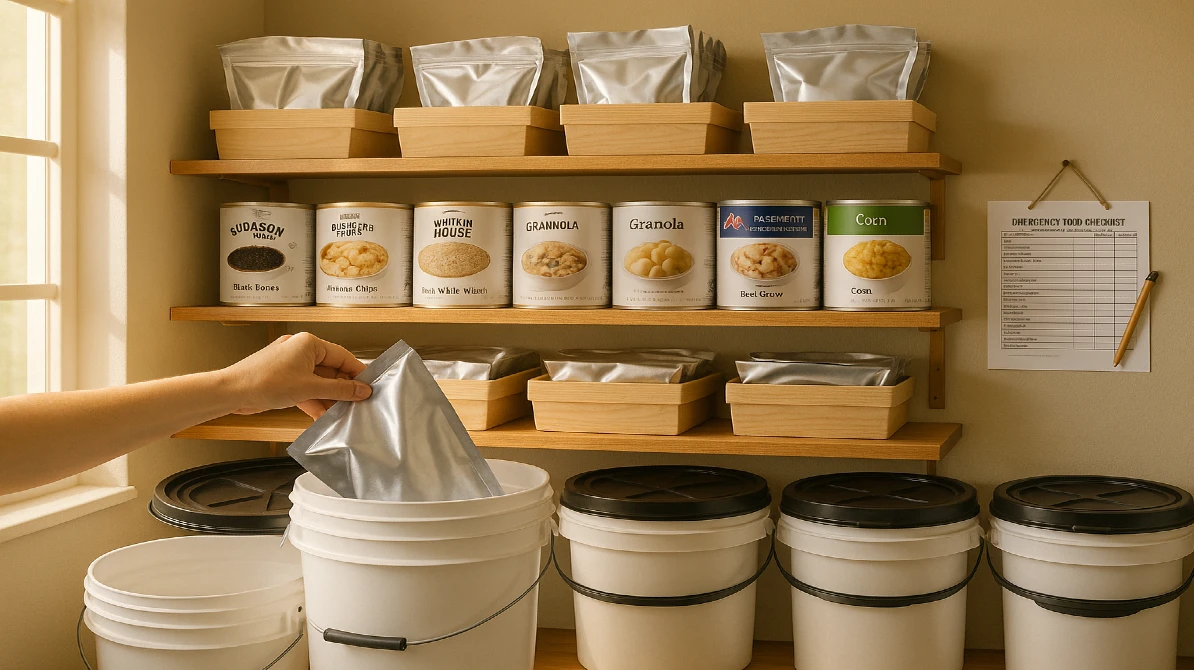
Choosing the right storage solutions affects how easily you can find and manage your food supplies. Use clear, stackable bins to separate categories like canned goods, grains, and fresh produce.
Label each container clearly with both the item type and date received. Shelving units help keep items off the floor and improve airflow, which extends shelf life.
Think about your space—vertical storage saves room and keeps items visible. Have you considered how temperature and humidity in your storage area might affect certain foods?
Tracking Stock Levels
Keeping track of stock levels ensures you know what you have and what needs replenishing. Use simple spreadsheets or free inventory apps to record incoming and outgoing items.
Update your records daily or weekly to prevent running out of essentials like rice, beans, and canned vegetables. You might find it helpful to assign volunteers specific tracking roles to keep data current.
Ask yourself: How often do you review your stock data to adjust orders and donations? Regular checks can prevent shortages and overstocking.
Managing Expiry Dates
Expired food is a major concern in emergency pantries. Implement a system to track expiry dates and prioritize distribution of items nearing their best-before dates.
Place foods with the earliest expiry dates at the front of shelves or bins. This “first in, first out” approach helps reduce waste and ensures clients receive fresh supplies.
Consider creating a simple chart or calendar to monitor upcoming expirations. How can you engage your team or volunteers to help with this important task?
Setting Up Distribution
Setting up distribution is a crucial part of running an emergency food pantry. It determines how smoothly your pantry operates and how well you serve your community. The goal is to create a system that is organized, fair, and easy to manage, so everyone who needs help can receive it without confusion or delay.
Creating Distribution Schedules
Decide how often your pantry will distribute food—weekly, biweekly, or monthly. Consistency helps clients plan their visits and ensures steady support. Consider peak hours and days when most people are available, like weekends or after work.
Try to spread out appointments to avoid crowding. You can assign time slots or specific days for different neighborhoods or groups. This also makes it easier for your volunteers to prepare and manage the flow.
Establishing Client Registration
Registering clients helps you keep track of who you serve and what they need. Keep the process simple and respectful to make people feel comfortable. Collect essential information like name, address, family size, and any dietary restrictions.
Think about using a digital system or paper forms, depending on your resources. A digital system can speed up check-ins but requires training. Paper forms are easy but need careful organization to avoid losing records.
Ensuring Fair Access
Fairness means everyone gets an equal chance to receive food, especially during shortages. Set clear guidelines about who qualifies and how much they can take. This prevents misunderstandings and ensures you help as many people as possible.
Consider anonymous feedback options so clients can share concerns without fear. Also, train your volunteers on handling difficult situations with empathy and patience. How will you make sure no one feels left out or unfairly treated?

Credit: www.youtube.com
Promoting The Pantry
Promoting your emergency food pantry ensures more people know about it. Good promotion helps reach those in need and attracts volunteers and donors. It builds trust in the community and strengthens support. Use clear messages to explain your pantry’s purpose. Share details about location, hours, and available services. Consistent promotion keeps your pantry visible and active.
Creating Awareness Campaigns
Design simple campaigns that explain your pantry’s mission. Use flyers, posters, and community bulletin boards. Place materials in local stores, schools, and churches. Organize events like food drives or open houses. These events introduce the pantry and invite community participation. Keep messages short and easy to understand. Repeat campaigns regularly to maintain interest.
Using Social Media
Post updates about pantry needs and success stories. Share photos and thank volunteers publicly. Use clear, short posts with strong calls to action. Engage followers by asking questions or sharing tips on food storage. Schedule posts consistently to keep your audience engaged. Respond quickly to comments and messages. Social media expands your reach beyond your local area.
Networking With Community Leaders
Connect with local officials, business owners, and religious leaders. Share your pantry goals and ask for their support. Invite them to visit or speak at pantry events. Leaders can spread the word through their networks. Build partnerships to access new resources and volunteers. Trust from leaders encourages community members to get involved. Meet regularly to update them on pantry progress.
Maintaining Operations
Maintaining smooth operations in your emergency food pantry is key to ensuring reliable support for those in need. It requires constant attention to how your team works, how your efforts impact the community, and how you adjust to shifting demands. Staying proactive in these areas helps your pantry remain a trusted resource over time.
Training Staff And Volunteers
Your pantry’s success depends on well-trained staff and volunteers. Make sure everyone understands safety guidelines, food handling procedures, and how to communicate respectfully with clients. Regular training sessions keep skills sharp and boost confidence.
Consider role-playing common scenarios to prepare your team for real situations. For example, handling sensitive questions or managing long lines calmly can make a big difference. Are you creating an environment where your team feels equipped and supported every day?
Monitoring Impact
Track how many people you serve and what types of food are most requested. This data helps you see if you’re meeting your community’s needs effectively. Simple tools like spreadsheets or free apps can make this easier.
Ask clients for feedback whenever possible. Their insights can reveal gaps you might miss. How often do you check in with those you serve to learn what could be better?
Adapting To Changing Needs
Community needs evolve, especially during crises or economic shifts. Stay connected with local organizations and listen for new challenges people face. This helps you adjust your food supplies and services accordingly.
For instance, if you notice more families with young children coming in, adding baby formula or diapers might be necessary. Are you flexible enough to pivot your pantry’s offerings when the situation changes?

Credit: www.youtube.com
Frequently Asked Questions
What Are The First Steps To Start An Emergency Food Pantry?
Begin by assessing community needs and securing a suitable location. Next, gather volunteers and establish partnerships with food suppliers and local organizations for donations and support.
How To Choose Food Items For An Emergency Pantry?
Select non-perishable, nutritious, and easy-to-prepare foods. Include canned goods, dry grains, protein sources, and baby-friendly items to cater to diverse dietary needs.
How To Store Food Safely In An Emergency Pantry?
Store food in a cool, dry, and clean area. Use airtight containers and rotate stock regularly to ensure freshness and prevent spoilage.
How Can Volunteers Help Run An Emergency Food Pantry?
Volunteers can assist with food collection, sorting, packing, and distribution. They also help with outreach and managing pantry operations efficiently.
Conclusion
Starting an emergency food pantry takes careful planning and heart. Choose a good location and gather supplies. Connect with local groups and volunteers for support. Keep things organized and clean for safety. Share your pantry’s mission with your community. Small steps can make a big difference.
Your effort helps many families during tough times. Stay patient and keep improving your pantry over time. This work brings hope and comfort to those in need.