Have you ever wondered what to call that special pack of food you grab when you head out into the wild or prepare for unexpected situations? That reliable kit you count on when there’s no fridge or stove around?
Knowing exactly what emergency camping food kits are called can make a big difference in how you prepare and what you choose. You’ll discover the common names, what’s inside these kits, and why having one could be a game-changer for your next adventure or emergency.
Keep reading—you’ll want to be ready before you need it.
Emergency Camping Food Kit Basics
Understanding the basics of an emergency camping food kit is essential for anyone who spends time outdoors. These kits are designed to provide you with reliable nutrition when traditional food sources aren’t available. Knowing what goes into these kits can help you pick the right one or even build your own.
Essential Components
An emergency camping food kit isn’t just about food. It usually includes a combination of items to help you prepare and eat your meals safely and efficiently.
- Non-perishable food items:These last long without refrigeration.
- Water or hydration aids:Some kits include water pouches or purification tablets.
- Utensils and tools:Basic items like a spork, can opener, or even a small stove.
- Packaging:Sealed to keep food fresh and protected.
Have you ever been caught off guard by unexpected weather or a delayed trip? Having these essentials in your kit can make a big difference.
Types Of Food Included
The food in these kits focuses on providing energy, nutrition, and easy preparation. You’ll often find a mix of:
- Freeze-dried or dehydrated meals that only need water.
- Energy bars and trail mixes for quick snacks.
- Ready-to-eat canned or pouch meals.
- Instant soups or oatmeal for warm, comforting options.
The variety ensures you have a balanced intake of carbs, proteins, and fats. What kind of food do you usually rely on when camping?
Packaging And Portability
Portability is a key factor in emergency camping food kits. The packaging must protect the food but also be lightweight and compact.
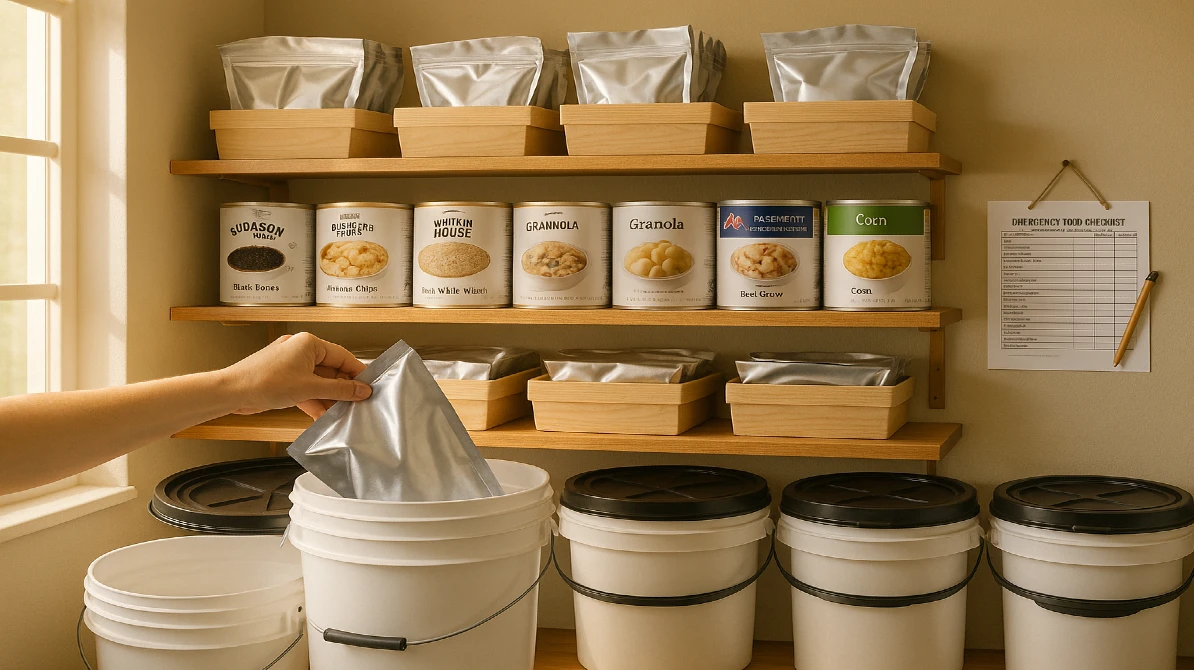
- Vacuum-sealed bags reduce bulk and extend shelf life.
- Plastic or foil pouches are common, as they resist moisture.
- Some kits come in sturdy backpacks or containers for easy carrying.
Think about how much space you can realistically dedicate to food in your pack. Would you prefer smaller, lightweight packages or something more substantial?
Survival Essentials In Food Kits
Survival essentials in emergency camping food kits are more than just snacks thrown together. They are carefully chosen to keep you energized, healthy, and ready for whatever comes your way. The right food kit balances taste, nutrition, and practicality to support you through tough conditions.
High-calorie Options
Energy is your currency in a survival situation. High-calorie foods like nuts, chocolate, and energy bars provide quick fuel for your body. These items are lightweight and easy to carry, making them perfect for camping emergencies.
Think about the last time you felt drained during a hike. A small pack of trail mix or peanut butter can restore your energy fast. Would you want to carry heavy meals or grab something that packs a punch in calories without the bulk?
Nutritional Balance
Calories alone won’t keep you going. Your body needs protein, fats, and carbohydrates in the right mix to stay strong. Survival food kits often include dried meats, legumes, and grains to cover these bases.
Don’t overlook vitamins and minerals. Dehydrated vegetables and fortified bars can help prevent deficiencies. Have you checked if your food kit includes these vital nutrients?
Shelf Life Considerations
Emergency food must last. Long shelf life means you can store kits without worrying about spoilage. Freeze-dried meals and vacuum-sealed packages often last for years, maintaining taste and nutrition.
Remember, a food kit that expires quickly could leave you stranded without reliable fuel. How often do you check the expiration dates on your emergency supplies? Keeping this in mind ensures your kit stays ready when you need it most.
Choosing The Right Food Kit
Choosing the right emergency camping food kit is crucial for a successful outdoor adventure. The kit you pick can affect your energy, comfort, and overall experience. Think about what suits your unique needs before making a decision, so you stay nourished and satisfied during your trip.
Meal Preferences And Dietary Needs
Your food kit should match your taste and dietary restrictions. If you’re vegetarian, vegan, or have allergies, look for kits that accommodate these needs. Some kits offer gluten-free or low-sodium options, which can make a huge difference in how you feel on the trail.
Ask yourself: do you prefer hot meals or ready-to-eat snacks? Freeze-dried meals often need boiling water, while some kits include energy bars and nuts for quick bites. Choosing foods you actually enjoy will keep you motivated and well-fueled.
Weight And Size Factors
Portability matters a lot when packing emergency food. A bulky or heavy kit can slow you down and take up valuable space. Look for lightweight, compact kits that pack enough calories but don’t weigh you down.
Think about your backpack capacity and how long you’ll be out. Compact pouches or vacuum-sealed meals save space and reduce weight. Have you ever struggled to fit your gear into your pack? Choosing the right size food kit can solve that problem.
Budget And Brand Reliability
Emergency food kits vary widely in price, so find one that fits your budget without sacrificing quality. Cheaper kits might save money upfront but could lack taste or nutrients. Reliable brands often test their meals for taste, nutrition, and shelf life.
Check reviews and ask fellow campers about their experiences. A trusted brand can mean the difference between a meal you dread and one you look forward to. How much are you willing to invest in your camping nutrition? That question helps narrow your options effectively.

Credit: www.amazon.ca
Using Emergency Food Kits Effectively
Using emergency camping food kits effectively ensures you stay nourished during unexpected situations. Proper handling and preparation keep the food safe and tasty. Understanding storage, cooking methods, and food use can improve your experience outdoors.
Storage Tips
- Keep kits in a cool, dry place to avoid spoilage.
- Store away from direct sunlight and heat sources.
- Check expiration dates regularly and rotate supplies.
- Seal opened packages tightly to prevent moisture and pests.
- Use airtight containers for opened or repackaged items.
Preparation Methods
Follow instructions on the packaging carefully for best results. Many emergency foods only need hot water to prepare. Some kits include ready-to-eat items requiring no cooking. Carry a portable stove or heating source for warm meals. Pre-measure water to match food requirements for quicker prep.
Maximizing Food Utility
- Combine different items to create balanced meals.
- Add fresh ingredients if available, like herbs or vegetables.
- Use leftovers creatively to reduce waste.
- Pay attention to portion sizes to save food.
- Stay hydrated; water helps digest emergency foods better.
Popular Emergency Food Kit Brands
Popular emergency camping food kit brands offer a variety of options designed to keep you well-nourished during unexpected situations. These brands focus on durability, taste, and nutritional value, making it easier for you to find a kit that fits your needs. Knowing which brands stand out can save you time and frustration when preparing for your next outdoor adventure or emergency.
Top-rated Kits
Brands like Mountain House, Augason Farms, and Wise Company consistently receive high marks for their emergency food kits. Mountain House is praised for its freeze-dried meals that taste close to fresh-cooked food. Augason Farms offers versatile kits with a long shelf life, perfect for extended emergencies.
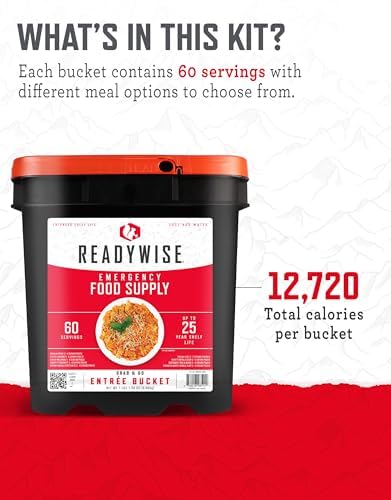
Wise Company is known for its easy-to-prepare meals and variety of options, including gluten-free and vegetarian choices. These kits often include multiple servings and balanced nutrition, making them reliable for both short-term and long-term use.
Customer Reviews
Reading customer reviews can reveal insights beyond what product descriptions offer. Many users highlight the convenience of Mountain House meals during camping trips, noting how the taste exceeded their expectations. Others appreciate Augason Farms for the quantity and quality of ingredients included in their kits.
Some reviews mention Wise Company’s packaging as easy to open and reseal, which is crucial when you’re outdoors. Have you ever struggled with hard-to-open food packages in the wild? These brands address that common frustration.
Where To Buy
You can find these emergency food kits at major retailers like Amazon, Walmart, and REI. Online stores often provide detailed product descriptions and customer feedback to help you choose wisely. Local outdoor gear shops may also stock these kits, allowing you to inspect packaging and contents before buying.
Consider signing up for newsletters or alerts from these brands to catch discounts or new product releases. Would you prefer to shop online or see the kit in person before making a purchase? Both options have their benefits depending on your priorities.

Credit: readywise.com
Additional Survival Food Supplies
Additional survival food supplies enhance the readiness of any emergency camping food kit. These items ensure you stay nourished and hydrated during unexpected situations. They also help maintain energy and warmth in harsh conditions.
Choosing the right supplies can make a big difference in comfort and safety. Simple, reliable options work best for survival scenarios. Each item should be easy to carry and use in the outdoors.
Water Purification Options
Clean water is vital for survival. Water purification tools remove harmful bacteria and viruses. They make natural water sources safe to drink.
- Portable water filters
- Purification tablets
- UV light purifiers
- Boiling equipment
Each option varies in speed and ease of use. Choose one that fits your camping style.
Energy Bars And Supplements
Energy bars provide quick calories and essential nutrients. They are lightweight and last long without refrigeration.
- High-protein bars
- Vitamin and mineral supplements
- Electrolyte powders
These supplies help maintain stamina and focus during tough conditions. Keep a variety to avoid taste fatigue.
Cooking Gear Essentials
Cooking gear is crucial for preparing meals and boiling water. It should be compact and durable.
- Portable stove or burner
- Lightweight pots and pans
- Multi-use utensils
- Windshield for stove
Proper gear ensures you can cook safely and efficiently outdoors. It also helps conserve fuel and time.

Credit: www.mypatriotsupply.com
Frequently Asked Questions
What Is An Emergency Camping Food Kit Called?
An emergency camping food kit is often called a survival food kit or emergency food supply. It contains non-perishable, high-energy meals designed for outdoor emergencies or disasters.
Why Use An Emergency Camping Food Kit?
Emergency camping food kits provide quick, nutritious meals when fresh food isn’t available. They help maintain energy and hydration during outdoor activities or survival situations.
What Foods Are In An Emergency Camping Food Kit?
These kits usually include freeze-dried meals, energy bars, dried fruits, nuts, and instant drinks. All items are lightweight, long-lasting, and easy to prepare in emergencies.
How Long Does Emergency Camping Food Last?
Most emergency camping food kits have a shelf life of 5 to 25 years. Proper storage in a cool, dry place extends their usability for long-term preparedness.
Conclusion
Emergency camping food kits offer quick, easy meals outdoors. They keep you nourished during unexpected situations. These kits are compact and lightweight for easy carrying. They usually include ready-to-eat or simple-to-cook items. Having one can save time and reduce stress.
Always check the contents before your trip. Choose a kit that suits your needs and tastes. Stay prepared and enjoy your camping adventure with peace of mind.