Are you wondering if emergency shelters provide food when you need help the most? When life throws unexpected challenges your way, knowing what support is available can bring peace of mind.
Food is one of the most basic needs, and understanding how shelters handle this can make a big difference for you or someone you care about. Keep reading to discover how emergency shelters meet your nutritional needs and what you can expect when you turn to them for help.
Emergency Shelter Basics
Understanding the basics of emergency shelters can help you make quick decisions during a crisis. These shelters are designed to provide safety and basic needs when your usual living situation is disrupted. Knowing what to expect can reduce stress and prepare you to seek the right help effectively.
Types Of Emergency Shelters
Emergency shelters come in different forms, each serving specific purposes. Some are temporary setups after natural disasters, offering immediate refuge and essential supplies. Others are more permanent, supporting people experiencing homelessness or escaping domestic violence.
- Disaster Relief Shelters:Set up quickly after events like hurricanes or floods.
- Homeless Shelters:Provide longer-term support with beds and meals.
- Domestic Violence Shelters:Offer safety and counseling for survivors.
- Evacuation Centers:Designated by local authorities for mass emergencies.
Each type varies in how they provide food, services, and support, so knowing which one you need helps you access the right resources.
Who Uses Emergency Shelters
Emergency shelters serve a wide range of people facing unexpected crises. They help families displaced by disasters, individuals without a home, and those seeking safety from violence. You might be surprised to learn that shelters also support people who suddenly lose their job or face financial hardship.
Have you ever wondered how shelters decide who gets priority? Usually, those in immediate danger or with no other options are helped first. This system ensures the most vulnerable receive the care they need when every minute counts.

Credit: shelterbox.org
Food Services At Shelters
Emergency shelters play a vital role in providing safety and basic needs. Food services at these shelters are essential for people facing crises. Shelters offer meals to ensure guests have enough nutrition. These meals help maintain health and energy during tough times. Understanding how food services work can show the support shelters provide beyond just shelter.
Meal Provision Models
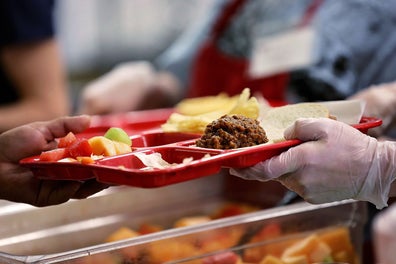
Shelters use different meal models to serve food efficiently. Some offer three meals a day: breakfast, lunch, and dinner. Others provide only one or two meals, depending on resources. Many shelters rely on volunteers and donations for meal preparation. Some partner with local organizations or food banks for supplies. Serving buffet-style or pre-packaged meals depends on shelter size and staff. Flexible meal plans help shelters meet varying guest needs.
Common Food Offerings
Foods served at shelters focus on nutrition and ease of preparation. Common items include:
- Soups and stews
- Sandwiches and wraps
- Fresh fruits and vegetables
- Rice, pasta, or bread
- Milk, juice, or water
- Simple desserts like cookies or pudding
Meals are designed to be warm, filling, and easy to eat. Shelters often consider allergies and dietary restrictions. Offering balanced meals helps guests stay healthy and feel cared for.
Nutrition And Dietary Needs
Emergency shelters play a crucial role in providing food to those in need. Meeting nutrition and dietary needs is a key part of their service. Proper nutrition helps maintain health and energy during tough times. Shelters work hard to offer meals that support well-being and recovery.
Addressing Special Diets
Many people have special dietary needs due to allergies, health conditions, or religious beliefs. Shelters try to accommodate these needs as best as possible. Common special diets include:
- Gluten-free
- Vegetarian or vegan
- Diabetic-friendly
- Low-sodium or heart-healthy
- Halal or kosher
Staff often ask about allergies and preferences during intake. Some shelters partner with nutritionists or dietitians. They plan menus that avoid harmful ingredients and respect cultural practices.
Balancing Nutrition In Crisis
Providing balanced meals in an emergency is challenging. Shelters focus on offering foods rich in key nutrients:
- Proteins for muscle repair
- Carbohydrates for energy
- Vitamins and minerals for immunity
- Fluids to prevent dehydration
Simple meals often include fruits, vegetables, grains, and proteins. Shelf-stable and easy-to-prepare foods are common. Even with limited resources, shelters aim to avoid empty calories and unhealthy fats.
Good nutrition supports physical and mental strength. It helps people stay healthy and recover faster from trauma or illness.

Credit: salvationarmywindsor.ca
Challenges In Food Distribution
Distributing food in emergency shelters is a complex task with many challenges. Ensuring enough food reaches everyone requires careful planning and quick action. Various factors can disrupt the process, affecting the shelter’s ability to provide meals consistently. Understanding these challenges helps highlight the effort behind feeding those in need during crises.
Supply Chain Issues
Food supply chains often face disruptions during emergencies. Transportation delays can slow down deliveries. Limited storage space at shelters restricts the amount of food stored. Perishable food items need quick use to avoid spoilage. Sudden increases in demand can exhaust available supplies fast. These problems make it hard to keep food stocks steady and reliable.
Volunteer And Staff Roles
Volunteers and staff play a vital role in food distribution. They handle receiving, sorting, and serving food. Training is essential to maintain safety and hygiene standards. Sometimes, fewer volunteers are available due to the emergency’s scale. Staff must coordinate schedules and manage resources carefully. Their teamwork ensures food reaches those who need it most.
Funding And Resources
Emergency shelters rely heavily on funding and resources to provide food for those in need. These resources come from several key sources. They help shelters maintain steady food supplies and support daily operations. Understanding where the money and support come from explains how shelters keep running smoothly.
Government Support
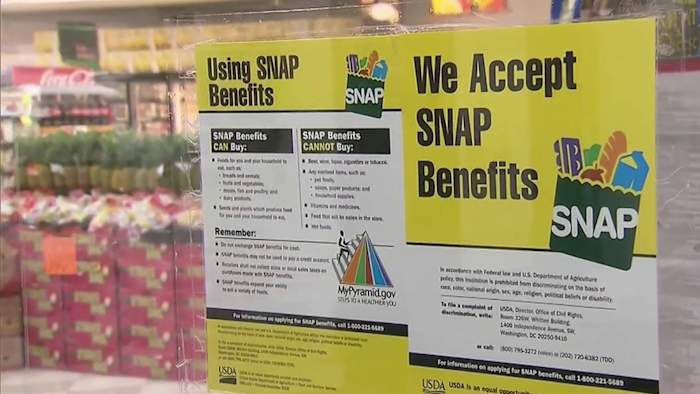
Government funding plays a crucial role in emergency shelter operations. Local, state, and federal agencies allocate budgets for food assistance programs. These funds help shelters buy groceries and prepare meals. Some programs provide direct food donations or vouchers. Government grants often cover staffing and kitchen expenses too.
Emergency shelters may also receive support through disaster relief funds. These funds increase during natural disasters or crises. Government partnerships ensure shelters can meet sudden spikes in demand. Regulations often guide how shelters use these resources to maintain transparency and efficiency.
Community And Ngo Contributions
Community groups and non-governmental organizations (NGOs) offer vital support for emergency shelters. Local food banks and charities donate large quantities of food regularly. Volunteers often help with food sorting, cooking, and distribution. These contributions reduce shelter costs and increase meal variety.
NGOs sometimes run special food programs targeting vulnerable populations. They collaborate with shelters to reach more people. Fundraising events and campaigns boost donations and awareness. Community involvement creates a safety net that complements government aid.
Impact On Shelter Residents
Emergency shelters often provide more than just a roof over your head—they supply food that directly impacts your daily life and well-being. Having access to regular meals in these shelters shapes both your physical health and emotional state. Understanding this impact can help you appreciate how crucial food services are within these safe spaces.
Health Benefits
Reliable access to nutritious meals can improve your overall health significantly. When you don’t have to worry about where your next meal is coming from, your body gets the energy it needs to fight illness and recover from stress.
Many shelters offer balanced meals that include proteins, vegetables, and grains, which help maintain your strength. This can reduce visits to the emergency room and improve your immune system over time.
Think about how skipping meals affects your concentration and energy. Food at shelters provides stability, so you’re better able to focus on finding a job or reconnecting with your family.
Emotional And Social Effects
Food does more than fill your stomach—it affects how you feel and interact with others. Sharing meals in a shelter setting can create moments of connection and reduce feelings of isolation.
Many residents say that eating together helped them build friendships and find support during tough times. Have you noticed how a simple meal with others can lift your spirits?
Regular meals also bring a sense of routine and normalcy to your day. This structure can ease anxiety and give you something positive to look forward to in uncertain times.
Improving Food Services
Emergency shelters work hard to improve food services for those in need. Providing meals is more than just feeding people. It means offering nutrition, comfort, and dignity. Shelters are finding new ways to enhance food quality and variety. These improvements help create a better experience for everyone.
Innovative Approaches
Shelters are adopting creative ideas to improve food services. Some use community gardens to grow fresh vegetables. Others partner with local farmers for fresh produce deliveries. Many shelters now include nutrition education for guests. This helps people make healthier food choices.
Technology also plays a key role. Apps help manage food donations and reduce waste. Mobile kitchens bring meals to hard-to-reach areas. Volunteer chefs create diverse menus that reflect different cultures. These efforts boost both food quality and guest satisfaction.
Success Stories
Many shelters have seen great results from these changes. One shelter increased fresh meal servings by 50% in six months. Another reduced food waste by 40% through better planning. Guests often share how improved meals lift their spirits.
Stories like these show how food services matter deeply. Better food means better health and hope. Shelters continue to learn and grow in their food programs. Their success inspires others to follow and improve too.
Credit: www.salvationarmyusa.org
Frequently Asked Questions
Do Emergency Shelters Provide Meals Daily?
Yes, most emergency shelters offer daily meals to residents. They ensure access to nutritious food during crises. Meal services vary by shelter size and funding but generally cover breakfast, lunch, and dinner.
What Types Of Food Do Shelters Usually Offer?
Shelters typically provide balanced meals with proteins, carbs, and vegetables. Menus often include sandwiches, soups, fruits, and drinks. Food offerings depend on donations, resources, and dietary needs of residents.
Are Food Services At Shelters Free Of Charge?
Yes, food services at emergency shelters are usually free. Shelters aim to support vulnerable individuals without financial barriers. Donations and government funding often cover meal costs to ensure accessibility.
Can People With Dietary Restrictions Get Special Meals?
Many shelters accommodate dietary restrictions like allergies or religious diets. It’s best to inform shelter staff upon arrival. However, availability of special meals depends on resources and shelter policies.
Conclusion
Emergency shelters often provide food to those in need. This helps people stay healthy during tough times. Meals are usually simple but nutritious and filling. Shelters aim to support individuals until they find stability. Food availability may vary by location and resources.
Still, many shelters focus on offering basic meals daily. Remember, shelters play a key role in community care. They offer safety, rest, and food together. Knowing this can ease worries in emergencies. Trust that shelters work hard to help everyone.