Are you worried about how to put food on the table during tough times? You might have heard about emergency food stamps and wondered if the government is issuing them right now.
If you’re facing unexpected financial struggles, knowing the facts about this support can make a big difference for you and your family. Keep reading to find out what’s really happening with emergency food stamps and how you can get the help you need quickly.
Current Status Of Emergency Food Stamps
The current status of emergency food stamps is a key concern for many families. Emergency food stamps help people facing sudden financial hardships. The government often changes policies based on need and budget. Understanding these changes helps people plan better and seek assistance when needed.
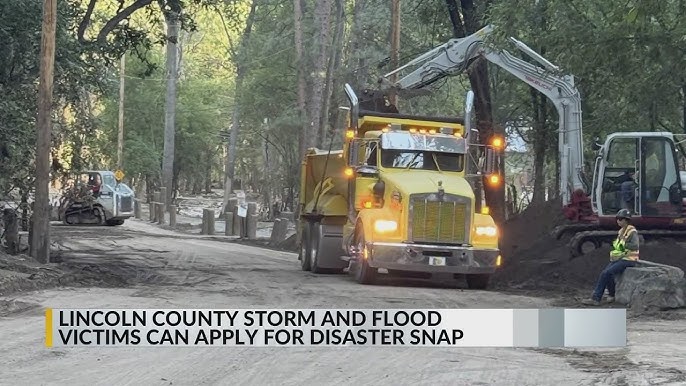
At present, emergency food stamp programs vary by state. Some states offer additional benefits during crises. Others maintain regular food stamp support without extra emergency aid. The federal government may provide extra funds during declared emergencies. This includes natural disasters, pandemics, or economic downturns.
Knowing the latest updates can guide families in applying for aid. It also informs about eligibility and the amount of support available. Staying informed helps avoid missing out on crucial help during tough times.
Current Federal Emergency Food Stamp Programs
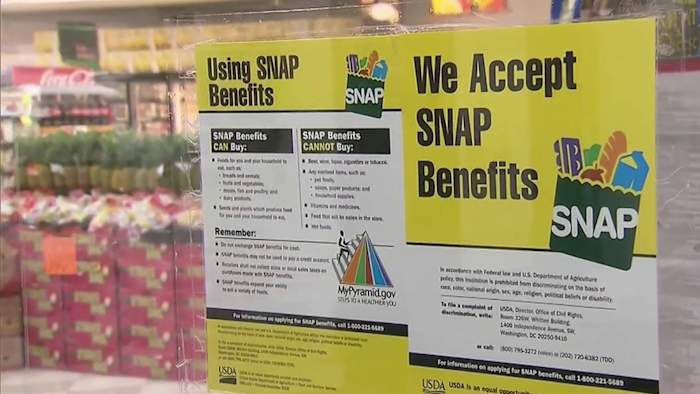
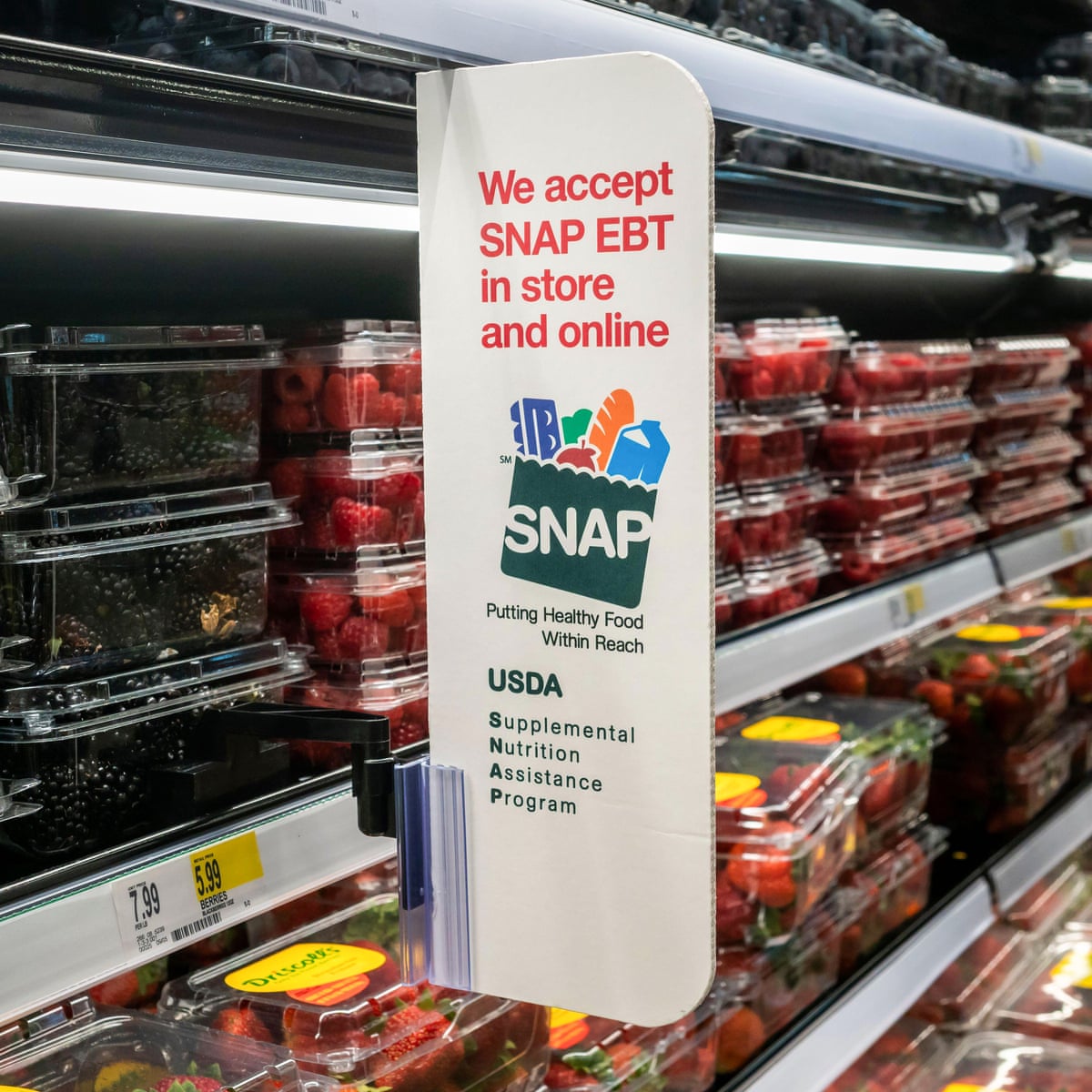
The federal government runs several programs for emergency food aid. The Supplemental Nutrition Assistance Program (SNAP) is the main program. SNAP offers monthly benefits to low-income households. During emergencies, SNAP may increase benefits temporarily.
The government can approve emergency allotments in disaster areas. These extra benefits help families buy more food. Congress must authorize these funds for emergency use. Not all emergencies qualify for federal emergency food stamps.
State-level Emergency Food Stamp Assistance
States have flexibility in managing emergency food stamps. Some states offer extra payments during declared emergencies. Others provide one-time or short-term boosts to regular benefits. States also run food banks and local aid programs.
State rules vary on how quickly emergency benefits are issued. Some states act fast after disasters. Others require more time to process applications. This can affect how soon families receive food aid.
How To Check Emergency Food Stamp Availability
- Visit your state’s official SNAP website
- Contact your local social services office
- Look for announcements on emergency aid programs
- Sign up for alerts from community organizations
- Use official government apps or hotlines
These steps help stay informed about current emergency food stamp status. Early knowledge increases chances of receiving timely help.
Eligibility Criteria For Emergency Benefits
Understanding the eligibility criteria for emergency food stamp benefits is crucial if you find yourself in a sudden financial bind. These benefits aim to provide immediate support to those who face unexpected hardships, but not everyone qualifies. Knowing the specific requirements can save you time and help you get the assistance you need faster.
Income Limits And Financial Hardship
Your income level plays a major role in determining eligibility for emergency food stamps. Typically, your monthly income must fall below a certain threshold, which varies by state and household size.
Many states also consider recent financial hardships, like job loss or medical emergencies, as valid reasons to qualify. Have you recently faced unexpected bills or reduced work hours? That might make you eligible for emergency benefits.
Residency And Citizenship Requirements
Emergency food stamps are usually available only to residents of the state where you apply. You must provide proof of residency through documents like a lease agreement or utility bill.
In addition, applicants generally need to be U.S. citizens or meet specific immigration status requirements. This ensures the program supports those legally eligible to receive government aid.
Household Composition And Size
The number of people living in your household affects your eligibility and the amount of benefits you might receive. Larger households may qualify for more support, but eligibility rules can vary.
Children, elderly family members, or disabled individuals in your home can also influence your qualification. Do you know how your household makeup impacts your chances of receiving emergency assistance?
Application Process And Required Documentation
Applying for emergency food stamps often requires quick submission of documents. These typically include proof of income, identification, and residency.
Some states offer expedited processing for emergency cases, meaning you can receive benefits within days. Preparing these documents ahead of time can speed up your application.
Application Process For Emergency Food Stamps
The application process for emergency food stamps is designed to be simple and quick. It helps people who need food support fast. The government usually offers special programs during emergencies like natural disasters or economic crises. Knowing the steps to apply can save time and reduce stress.
Applicants must provide basic information about their household and income. Documents like ID, proof of address, and income statements are often required. Many states allow online applications, phone requests, or in-person visits. Each method aims to make access easier and faster for those in need.
Gather Required Documents
- Valid photo identification
- Proof of address (utility bill, lease)
- Income documents (pay stubs, benefits letters)
- Social Security numbers for household members
- Emergency situation proof if available
Choose Application Method
- Apply online through official state websites
- Call local food assistance offices
- Visit local social services or community centers
- Use mail-in applications if available
Complete The Application Form
- Fill in personal and household details
- Report income and expenses clearly
- Answer questions about emergency needs honestly
- Review and double-check all information
Submit Application And Follow Up
- Send application via chosen method
- Keep a copy of the application for records
- Prepare for a possible phone interview
- Check application status regularly
- Respond promptly to any requests for more information

Credit: www.yahoo.com
Impact Of Emergency Food Assistance
Emergency food assistance programs, such as emergency food stamps, play a crucial role in stabilizing the lives of those facing unexpected financial hardships. They provide immediate relief, ensuring families don’t have to choose between paying bills and putting food on the table. But how deep does the impact of these programs go?
Improving Immediate Food Security
Emergency food assistance directly addresses hunger by giving you access to groceries when money is tight. This immediate support prevents situations where you or your loved ones might skip meals or eat less nutritious food. It offers a vital safety net, especially during crises like job loss or natural disasters.
Supporting Physical And Mental Health
Having reliable access to food affects more than just your stomach. Proper nutrition helps maintain your energy and immune system, reducing health problems linked to poor diet. Plus, the peace of mind that comes from knowing you can feed your family eases stress and anxiety, which often accompany financial struggles.
Boosting Local Economies
When you use emergency food stamps, the money flows back into local grocery stores and markets. This helps keep small businesses afloat and supports jobs in your community. So, your benefit doesn’t just help your household; it also strengthens the economic fabric around you.
Encouraging Long-term Stability
Access to emergency food assistance can free up your budget to focus on other essential expenses like rent, utilities, or healthcare. This balance can prevent a downward spiral into deeper poverty. Have you noticed how even a small financial cushion can change your outlook and opportunities?
State Vs Federal Roles In Food Stamp Distribution
The distribution of emergency food stamps involves both state and federal governments. Each has a distinct role that ensures the program runs smoothly. Understanding these roles helps clarify how aid reaches those in need.
The federal government sets the rules and provides funding. States manage the day-to-day operations and decide eligibility based on local needs. This balance allows flexibility while maintaining national standards.
Federal Government’s Role In Food Stamp Distribution
The federal government funds the Supplemental Nutrition Assistance Program (SNAP). It creates the guidelines and policies for the program nationwide. The U.S. Department of Agriculture (USDA) oversees this process.
Federal oversight ensures fairness and consistency. It also approves emergency measures during crises, like natural disasters or pandemics. This support helps states handle sudden increases in demand.
State Government’s Role In Food Stamp Distribution
State agencies administer food stamp benefits directly to residents. They process applications, verify eligibility, and issue benefits. States can tailor the program to fit their population’s needs.
States may also set additional rules and provide extra support services. They work with local offices to reach vulnerable communities. Their role is crucial in making the program accessible and effective.
Coordination Between State And Federal Governments
Both governments must work closely for smooth distribution. The federal government provides funding and oversight. States handle implementation and customer service.
This partnership allows quick response to emergencies. During crises, the federal government may increase funding or relax rules. States then adjust their processes to deliver aid faster.

Credit: www.npr.org
Recent Policy Changes Affecting Food Stamps
Recent policy changes have reshaped food stamp programs across many states. These updates aim to address current economic challenges and improve access to food assistance. The government has adjusted eligibility rules and benefit amounts to better support vulnerable families.
These policy shifts reflect the need to respond quickly during emergencies. They affect how people apply, qualify, and receive food stamps. Staying informed helps individuals and families understand their options.
Changes In Eligibility Criteria
The government has expanded income limits for food stamp eligibility. This change allows more low-income households to qualify. Certain work requirements have been temporarily waived to ease access during crises.
Temporary Benefit Increases
Food stamp benefits have been increased in many areas. This boost helps families buy more groceries amid rising prices. These increases often last during declared emergencies or special federal programs.
Streamlined Application Processes
New rules simplify how people apply for food stamps. Online applications and phone interviews are more common now. These steps reduce wait times and lower barriers for applicants.
State-level Adjustments
States have flexibility to adjust programs based on local needs. Some have added emergency benefits or extended eligibility periods. These changes vary widely, reflecting different regional challenges.
Alternative Food Assistance Programs
Alternative food assistance programs provide vital support to individuals and families in need. These programs help bridge the gap when emergency food stamps are unavailable or insufficient. They offer access to nutritious meals and groceries through various community resources.
Many organizations and government initiatives work together to reduce food insecurity. These programs often cater to different groups, including children, seniors, and low-income households. Understanding the options helps people find the right assistance quickly.
Local Food Banks And Pantries
Food banks collect and distribute donated food to those in need. Pantries offer groceries directly to individuals or families. They usually require minimal paperwork and provide fresh and non-perishable items.
These places rely on volunteers and donations. Many operate in churches, community centers, and schools. Visiting a local food bank can be a fast way to get food support.
School Meal Programs
Schools often provide free or reduced-price meals to children from low-income families. These programs include breakfast and lunch during the school year. Some schools offer summer meal programs as well.
School meals help ensure children receive proper nutrition. Parents can inquire at their child’s school about eligibility and how to apply.
Women, Infants, And Children (wic) Program
WIC supports pregnant women, new mothers, and young children. It provides healthy foods, nutrition education, and breastfeeding support. WIC helps improve health outcomes for mothers and babies.
The program has income limits and specific eligibility rules. Local WIC offices can offer guidance on enrollment and benefits.
Senior Nutrition Programs
Older adults may qualify for nutrition assistance through programs like Meals on Wheels. These services deliver meals to seniors who cannot cook or shop easily. Community centers also offer group meals and social activities.
Senior programs promote independence and health. Contacting local aging services can provide more information.
Community Gardens And Food Cooperatives
Community gardens offer fresh produce grown locally. They often welcome volunteers and participants. Food cooperatives provide affordable groceries through member ownership.
These programs encourage healthy eating and community involvement. Joining a garden or co-op can be a practical food source and social outlet.

Credit: www.supermarketperimeter.com
Common Challenges In Receiving Emergency Benefits
Receiving emergency food stamps can be a complex process. Many people face obstacles that delay or block their access to benefits. Understanding these common challenges can help applicants prepare better and avoid frustration.
Some issues arise from paperwork errors, eligibility rules, or system delays. Others stem from lack of clear information or technical difficulties. These problems can make it harder for those in urgent need to get support quickly.
Complicated Application Process
The application forms are often long and confusing. Many sections require detailed information that applicants may not have readily available. Mistakes or missing details can cause delays or denials.
Strict Eligibility Requirements
Rules for emergency food stamps can be strict and vary by state. Some applicants may not meet all the criteria, even if they are struggling. This leads to frustration and uncertainty about next steps.
Technical Issues And System Delays
Online portals sometimes experience crashes or slow loading times. These technical problems can block access during critical application periods. Phone lines may also be busy, making communication difficult.
Limited Awareness And Guidance
Many people do not know about emergency food stamp programs. Lack of clear instructions adds confusion to the process. Without proper guidance, applicants might miss deadlines or submit incomplete forms.
Verification And Documentation Challenges
Providing proof of income, residency, or family size can be hard. Some documents may not be easy to obtain quickly. Verification steps often delay approval and benefit distribution.
Frequently Asked Questions
Is The Government Currently Issuing Emergency Food Stamps?
Yes, the government issues emergency food stamps during crises to support low-income families. Programs vary by state and situation.
Who Qualifies For Emergency Food Stamp Benefits?
Eligibility depends on income, household size, and urgent need. States may have specific criteria for emergency benefits.
How Can I Apply For Emergency Food Stamps?
You can apply online, by phone, or at local social services offices. Check your state’s guidelines for details.
How Quickly Are Emergency Food Stamps Approved?
Approval times vary but are typically faster than regular SNAP benefits, often within days to weeks.
Conclusion
The government sometimes offers emergency food stamps during tough times. These help families buy food when money is tight. Not everyone qualifies, so checking local rules is important. Staying informed can make a big difference. Keep an eye on official announcements for updates.
Food support programs aim to reduce hunger. Remember, asking for help is okay when needed. Taking steps early can ease stress later. Food security matters for everyone’s health and well-being.