When preparing your emergency kit, every item you include matters. But did you know that some foods can actually hurt more than help in a crisis?
Choosing the wrong snacks or meals can weigh you down, spoil quickly, or even cause health issues when you need energy the most. You want your kit to keep you safe and strong, not slow you down. Keep reading to discover the key foods you should never pack in your emergency preparedness kit—and learn how to make smarter choices that protect you and your loved ones when it counts.
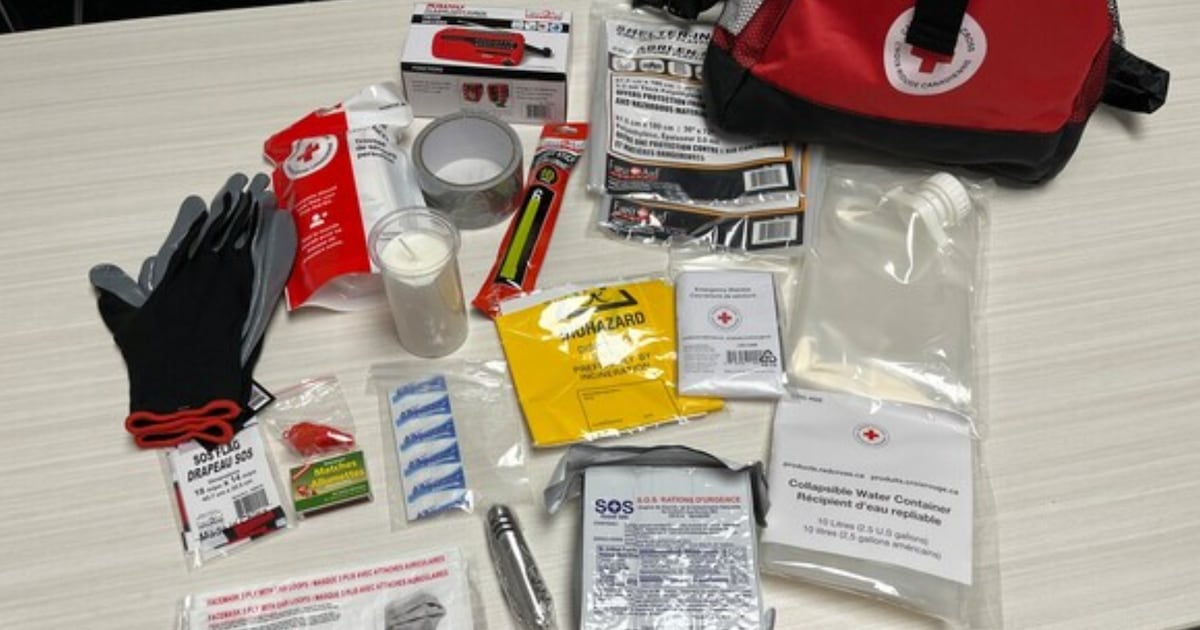
Credit: www.ctvnews.ca
Perishable Foods To Skip
Choosing the right foods for an emergency preparedness kit is vital. Perishable foods often spoil quickly. They can cause health risks and waste valuable space. Avoid these items to keep your kit safe and effective. Focus on foods with long shelf lives and easy storage.
Fresh Fruits And Vegetables
Fresh fruits and vegetables spoil fast without refrigeration. They lose nutrients and become unsafe to eat. Packing these items adds weight and can create messes. Instead, choose dried or canned fruits and vegetables. These options last longer and provide necessary vitamins.
Dairy Products
Dairy products like milk, cheese, and yogurt need cold storage. Without refrigeration, they spoil within hours or days. Spoiled dairy can cause food poisoning. Avoid including fresh dairy in your emergency kit. Powdered or shelf-stable milk is a safer alternative.
Meat And Seafood
Fresh meat and seafood are highly perishable. They require freezing or refrigeration to stay safe. Without cold storage, bacteria grow quickly on these foods. Spoiled meat and seafood cause serious illness. Consider canned or dehydrated protein sources instead.
Foods Requiring Refrigeration
Foods that need refrigeration are not ideal for an emergency kit. They spoil quickly without cold storage. This can cause food poisoning or waste valuable supplies. Always choose items that stay safe at room temperature. Avoid foods that depend on constant cooling.
Cold Cuts And Cheeses
Cold cuts and cheeses require a fridge to stay fresh. Without refrigeration, bacteria grow fast on these foods. They can become unsafe in just a few hours. Bringing these items risks health problems during emergencies. Choose shelf-stable protein and dairy alternatives instead.
Cooked Meals
Cooked meals need to be kept cold or eaten quickly. They spoil faster than raw ingredients. Without a fridge, leftovers are not safe to store. Pack dry meals or canned goods that last long without cooling. They provide better nutrition and safety.
Frozen Items
Frozen foods depend on freezing temperatures to stay good. Once thawed, they spoil rapidly. Freezers often lose power in emergencies. Avoid frozen meats, vegetables, and ready meals. Opt for dried, canned, or sealed foods that do not need freezing.
Items With Short Shelf Life
When preparing an emergency kit, choosing the right food is crucial. Avoid items that spoil quickly or need refrigeration. These can become useless or even unsafe when you need them most.
Fresh Baked Goods
Fresh breads, pastries, and cakes may taste great, but they don’t last long. They can mold or dry out within a day or two without proper storage. Bringing these items might leave you hungry and disappointed during an emergency.
Instead, consider long-lasting alternatives like hardtack or crackers. These keep well and provide energy without the risk of spoilage.
Opened Canned Goods
Once opened, canned foods must be refrigerated and eaten quickly. Without a fridge, these foods can spoil and cause illness. Carrying opened cans defeats the purpose of long-term food storage.
Always pack unopened cans or vacuum-sealed items. These stay safe for months or even years, making them reliable choices for your kit.
Condiments
Items like mayonnaise, ketchup, and salad dressings often require refrigeration after opening. Without it, they spoil fast and lose their flavor. Carrying large bottles that can’t be sealed properly also risks leaks.
If you want to add flavor, pick small, single-use packets. They stay fresh longer and won’t ruin your kit if opened.

Credit: backpackerspantry.com
Foods Needing Special Preparation
Foods that need special preparation are not ideal for emergency kits. They often require extra time, tools, or ingredients. This can make them hard to use during a crisis. Choosing easy-to-eat foods saves time and effort. It also reduces stress during emergencies.
Raw Grains And Legumes
Raw grains and legumes take a long time to cook. They need soaking or boiling for hours. This requires clean water and heat, which might not be available. Carrying raw rice or beans can add weight without quick nutrition.
Dehydrated Meals Requiring Water
Dehydrated meals look convenient but need clean water to prepare. Water may be scarce or unsafe in emergencies. Without enough water, these meals cannot be eaten. Relying on such foods can cause hunger or dehydration.
Foods Needing Cooking Equipment
Some foods need pots, pans, or stoves for cooking. Carrying extra cooking gear is bulky and heavy. Open fires or gas stoves might not be allowed or safe. Avoid items that require cooking equipment for easier meals.
High Allergen Foods To Avoid
Choosing the right foods for your emergency preparedness kit is crucial, especially when it comes to allergies. Including high allergen foods can put you or others at serious risk during an emergency. Avoiding these common allergens helps keep your kit safe and accessible to everyone involved.
Peanuts And Tree Nuts
Peanuts and tree nuts are among the most common and dangerous allergens. Even a small amount can trigger severe reactions in sensitive individuals. Since nuts are often found in snacks and energy bars, check labels carefully before adding any to your kit.
Consider that cross-contamination is frequent in factories processing nuts. If you or someone you care for has a nut allergy, it’s best to skip nuts entirely in your emergency supplies. Instead, look for nut-free protein sources like seeds or legumes.
Shellfish
Shellfish allergies can cause life-threatening symptoms rapidly. Items like canned shrimp or crab might seem like good protein options but pose a high risk. These foods are also prone to spoilage, making them less practical for long-term storage.
Think about the people who might use your kit. Would you want to risk exposing them to shellfish allergens without immediate medical help available? It’s safer to choose hypoallergenic protein options such as canned chicken or beans.
Gluten-containing Items
Gluten intolerance and celiac disease affect many people worldwide. Including gluten-containing foods like regular bread, pasta, or crackers can cause discomfort or severe health problems. It’s wise to opt for gluten-free alternatives to ensure your kit is suitable for everyone.
Gluten-free products have improved greatly in taste and shelf life. They can provide the same energy and comfort during emergencies without the risk of triggering symptoms. Have you checked the gluten content on your packaged foods recently?

Credit: trueprepper.com
Bulky Or Heavy Foods
Bulky or heavy foods can make your emergency kit hard to carry and store. They take up too much space and add unnecessary weight. Choosing lighter and compact food options helps keep your kit practical and easy to manage.
Large Canned Goods
Large canned goods are heavy and bulky. They add weight to your kit and take up a lot of room. Small cans or vacuum-sealed pouches save space and make carrying easier. Also, large cans can be difficult to open without the right tools.
Glass Containers
Glass containers are fragile and heavy. They can break during transport, causing injury and food loss. Opt for plastic or metal packaging instead. These options are lighter, safer, and more durable for emergencies.
Excessive Packaging
Foods with excessive packaging increase weight and waste. Multiple layers add bulk that is not needed. Choose items with minimal, compact packaging to save space. This keeps your kit lighter and more efficient.
Foods With Low Nutritional Value
When packing your emergency preparedness kit, choosing foods with high nutritional value is key. Foods low in nutrients might fill your stomach temporarily but won’t provide the energy or vitamins your body needs during a crisis. Avoiding these empty-calorie options helps you stay stronger and healthier when it matters most.
Sugary Snacks
Items like candy bars, gummy bears, and other sugary treats might seem like a quick energy fix. However, they cause rapid blood sugar spikes followed by crashes, leaving you feeling tired and weak. Instead, focus on snacks that offer lasting energy like nuts or dried fruits.
Salty Chips
Chips and similar salty snacks can make you thirsty and dehydrated faster, which is a serious risk if water is limited. Plus, they usually lack essential nutrients your body needs to stay functional. Save your kit space for more balanced options that support hydration and nutrition.
Sodas And Sugary Drinks
Sugary drinks may taste refreshing but they provide no real nourishment and can worsen dehydration. Drinking them when water is scarce can increase your need for fluids. Stick to water or electrolyte solutions designed to keep you hydrated and energized.
Foods That Attract Pests
Pests can cause serious problems in an emergency kit. They spoil food and create unhygienic conditions. Choosing the right foods helps keep pests away. Avoid foods that attract ants, rodents, and insects. Proper food selection protects your supplies and health.
Open Food Packaging
Food without sealed packaging invites pests. Open bags or containers release scents that attract bugs. Keep all foods in airtight containers. Avoid bringing snacks or ingredients in torn or unsealed packages.
Sweet Liquids
Sugary drinks and syrups are magnets for ants and flies. Even small spills can attract many pests. Avoid packing juice, soda, or syrup unless tightly sealed. Opt for powdered drink mixes instead.
Crumbs And Residues
Crumbs left in the kit draw pests quickly. Food residues on containers or wrappers also cause problems. Clean all food items before packing. Use containers that prevent crumbs from escaping.
Tips For Choosing Emergency Foods
Choosing the right foods for an emergency kit is crucial. The goal is to have items that last long, provide energy, and fit your storage space. Smart choices help you stay prepared and nourished during tough times.
Focus On Shelf-stable Options
Select foods that do not spoil quickly. Canned goods, dried fruits, and nuts work well. These items can last months or even years without refrigeration. Avoid fresh produce and dairy, which go bad fast.
Prioritize Nutrient Density
Pick foods rich in vitamins, minerals, and calories. Energy bars, peanut butter, and canned beans offer good nutrition. Avoid empty-calorie snacks like chips and candy. Your body needs real fuel to stay strong.
Consider Storage Space
Think about how much room you have for food. Choose compact items that stack easily. Bulk packages may save space but can be hard to carry. Plan your kit so it fits your storage area without clutter.
Frequently Asked Questions
What Foods Should I Avoid In An Emergency Kit?
Avoid perishable foods that spoil quickly or need refrigeration. Stay clear of items with short shelf lives and those requiring cooking or water.
Why Avoid Canned Foods With High Sodium?
High sodium canned foods can cause dehydration. In emergencies, it’s best to choose low-sodium options to maintain hydration and health.
Can I Include Fresh Fruits And Vegetables?
Fresh produce spoils fast and lacks shelf stability. Opt for dried fruits or freeze-dried vegetables instead for longer-lasting nutrition.
Is It Bad To Bring Junk Food In Kits?
Junk food offers little nutrition and can reduce energy. Focus on nutrient-dense, long-lasting foods for better emergency preparedness.
Conclusion
Avoid foods that spoil quickly or need refrigeration in your kit. Choose items with a long shelf life and simple preparation. Stay away from heavy, bulky foods that add unnecessary weight. Focus on lightweight, nutritious, and easy-to-eat options instead. This keeps your emergency kit practical and ready for any situation.
Careful food choices help you stay safe and comfortable during emergencies. Remember, smart packing makes all the difference.