When an emergency strikes, having enough food for your family can make all the difference. But how much emergency food should a family of 4 actually have?
You want to be prepared without overstocking or wasting supplies. You’ll discover practical tips to calculate the right amount of food, so you can feel confident and secure no matter what happens. Keep reading to ensure your family is ready to face any unexpected situation with peace of mind.
Calculating Food Needs
Calculating the right amount of emergency food for a family of four requires careful thought. It involves understanding daily needs and planning meals wisely. Each family member’s age, activity, and health affect how much food is needed. Planning well prevents shortages and waste during tough times.
Daily Calorie Requirements
Each person needs calories to stay healthy. Adults usually need between 1,800 and 2,400 calories daily. Children need fewer calories, depending on their age and size. Active family members need more energy than those who are less active. Calculating calories helps ensure enough food for everyone.
| Family Member | Daily Calorie Range |
|---|---|
| Adult Male | 2,200 – 2,400 |
| Adult Female | 1,800 – 2,000 |
| Child (4-8 years) | 1,200 – 1,400 |
| Child (9-13 years) | 1,600 – 2,000 |
Meal Planning Basics
Start by listing simple, balanced meals. Each meal should include carbs, proteins, and fats. Plan three meals and two snacks per day. Use non-perishable foods that store well. Rotate supplies to keep food fresh. Avoid complicated recipes that need many ingredients.
- Rice, pasta, and beans for carbohydrates
- Canned meats and nuts for protein
- Oils and seeds for healthy fats
- Dried fruits and vegetables for vitamins
Special Dietary Considerations
Some family members may have allergies or health needs. Consider gluten-free or low-sodium options if required. Babies need formula or baby food. Older adults might need soft or easy-to-digest foods. Always store extra special foods to meet these needs.

Credit: www.mypatriotsupply.com
Types Of Emergency Food
Choosing the right types of emergency food is crucial for a family of four. Your goal is to balance nutrition, shelf life, and ease of preparation. Knowing the different options helps you build a practical and reliable food supply.
Shelf-stable Staples
Shelf-stable staples are the backbone of any emergency food supply. Items like rice, pasta, beans, and canned vegetables last for years without refrigeration. They provide essential calories and nutrients while being budget-friendly.
These foods usually require cooking, so consider your access to water and heat sources. Adding a variety of grains and legumes ensures you get a good mix of proteins and carbohydrates. Have you checked the expiration dates on your pantry staples lately?
Freeze-dried And Dehydrated Options
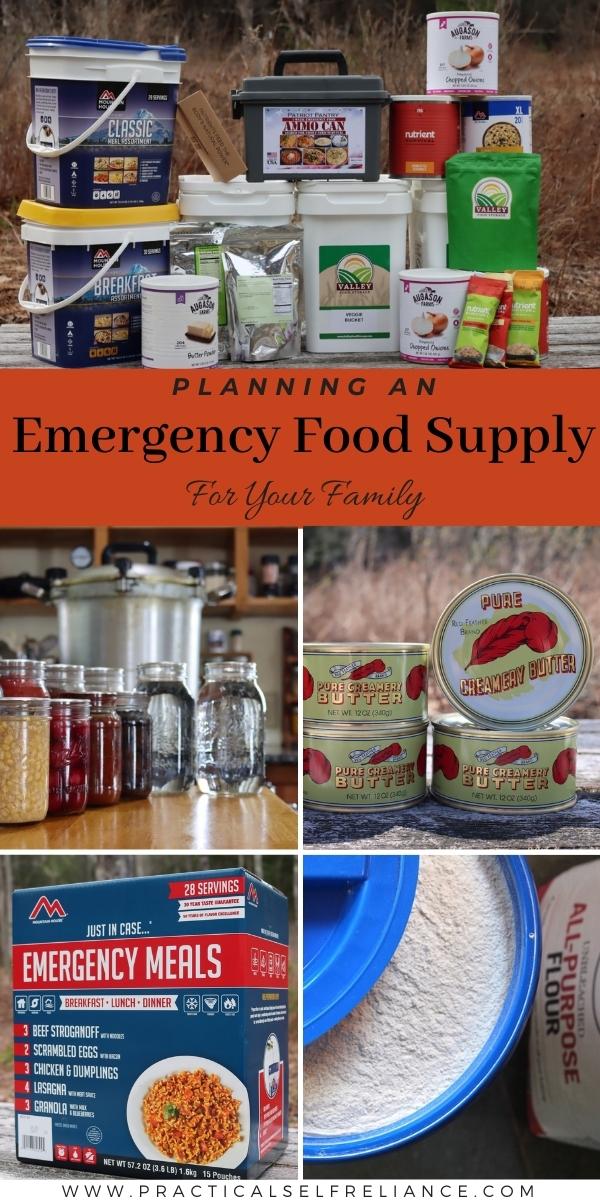
Freeze-dried and dehydrated foods are lightweight and last for decades when stored properly. They retain most of their nutrients and flavor, making them excellent for long-term storage. Meals like dried fruits, powdered eggs, and instant soups fall into this category.
Preparing these foods often means just adding water, which is a huge plus during emergencies. If you’ve ever gone camping, you know how convenient freeze-dried meals can be. What would you add to your emergency pack to keep meals interesting?
Ready-to-eat Meals
Ready-to-eat meals (MREs) offer convenience when time and resources are limited. These pre-packaged meals require no cooking and are designed to provide balanced nutrition. They are great for quick energy and can be lifesavers during power outages or evacuations.
Though they can be more expensive, having a small stockpile of MREs can reduce stress when cooking isn’t an option. Try a few now to see which flavors your family prefers. Could having easy, grab-and-go meals change how you handle emergencies?
Storage Tips
Proper storage of emergency food is just as important as having the right amount. How you store your supplies affects their longevity and safety. Let’s look at practical ways to keep your family’s emergency food fresh and easy to access.
Ideal Storage Conditions
Keep your emergency food in a cool, dark, and dry place. Temperature swings can cause food to spoil faster, so aim for a stable environment around 50-70°F (10-21°C). Avoid areas exposed to sunlight or moisture, like near windows or pipes.
Think about your home’s less-used spaces such as basements or closets that stay dry. You might be surprised how much difference a simple airtight container can make in protecting your food from pests and humidity.
Organizing Your Food Supply
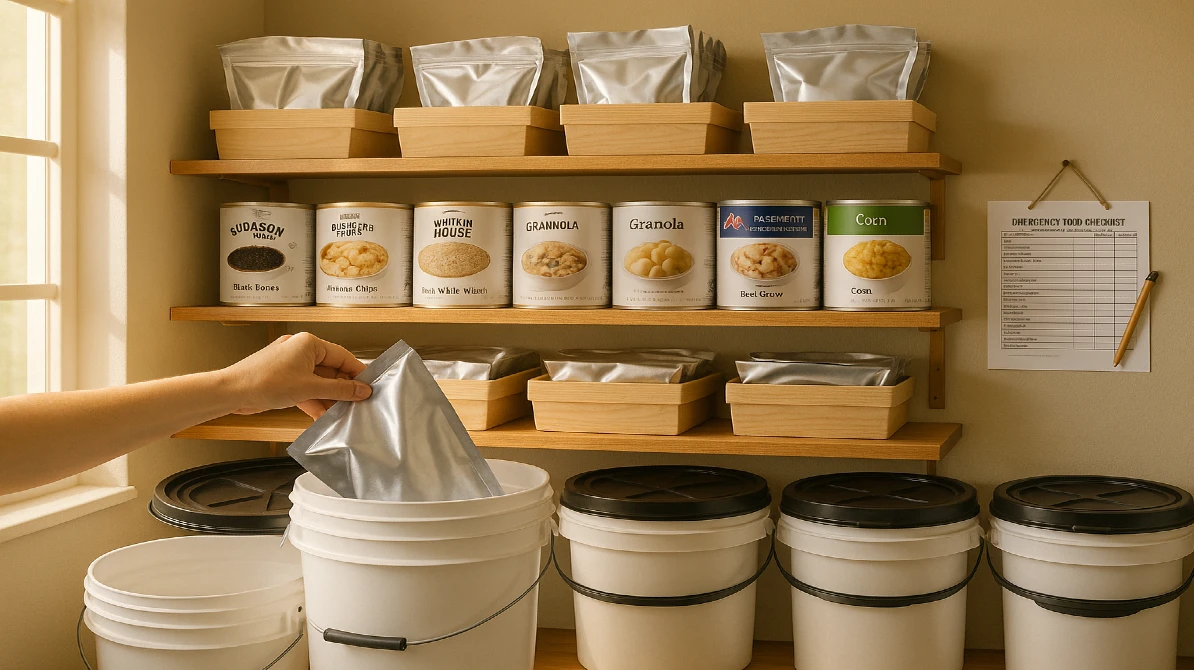
Group your food by type and expiration date. Use clear bins or labeled shelves to keep items visible and accessible. This saves time during an emergency and helps prevent buying duplicates.
Try placing frequently used or soon-to-expire items at the front. This strategy helped me avoid wasting canned goods during last year’s pantry cleanout. What system will work best for your storage space?
Rotation And Expiration Management
Set up a rotation plan to use older food first and replace it with fresh stock. Mark purchase or expiration dates with a permanent marker or use date labels. Regularly check your supplies every 3-6 months to spot anything nearing expiration.
Don’t wait until an emergency to discover expired food. Planning ahead lets you maintain a reliable supply without surprises. How often do you review your emergency food stock?

Credit: trueprepper.com
Water And Other Essentials
Water is the most important item in any emergency kit. A family of four needs enough water to stay hydrated and healthy. Other essentials support survival and comfort during tough times. These include hygiene items, first aid, and tools. Proper planning helps ensure safety and readiness.
Water Storage Guidelines
Each person should have at least one gallon of water per day. This amount covers drinking, cooking, and basic hygiene. Plan for at least three days of water storage. That means a family of four needs 12 gallons minimum. Store water in clean, food-grade containers. Keep containers in a cool, dark place. Replace stored water every six months. Use water purification tablets or filters as backups.
Non-food Supplies To Include
- First aid kit with bandages, antiseptics, and pain relievers
- Flashlights with extra batteries
- Manual can opener
- Sanitation supplies like soap, hand sanitizer, and toilet paper
- Emergency blankets or sleeping bags
- Multi-tool or basic set of tools
- Personal hygiene items such as toothbrushes and feminine products
- Face masks to reduce inhalation of dust or germs
- Battery-powered or hand-crank radio for updates
Adjusting For Different Scenarios
Adjusting your emergency food supply means thinking beyond just stockpiling a fixed amount. Different situations require different amounts and types of food, so your plan should be flexible. You want to be ready whether the emergency lasts a few days or stretches into weeks or months.
Short-term Vs Long-term Supplies
Short-term emergencies, like power outages or storms, usually last a few days. For these, aim for at least three days of food per person. Choose easy-to-prepare meals that need little or no cooking.
Long-term emergencies might last weeks or months. Here, you need a larger supply with more variety to avoid food fatigue. Think about meals that provide balanced nutrition and can be stored for long periods.
Ask yourself: how long could your local emergency services realistically support your family? That will help you decide if you need just a few days’ worth or a month or more.
Seasonal Adjustments
Your emergency food needs change with the seasons. In winter, you might need more calories to stay warm, so add extra high-energy foods. In summer, hydration is key, so stock up on foods with high water content and electrolyte options.
Also, consider how seasonal power outages or natural disasters affect your area. If your region faces hurricanes in the fall, plan to have extra supplies before the season starts. Seasonal planning can prevent last-minute rushes and forgotten items.
Accommodating Growth And Changes
Families grow and change—kids get older, dietary needs shift, and sometimes guests stay longer than expected. Update your emergency food supplies regularly to reflect these changes.
If a child becomes a picky eater or develops allergies, adjust your stock to include safe and appealing options. Don’t forget to factor in any new family members or pets as well.
Think about your family’s evolving tastes and health needs. Are you prepared to adapt your emergency food supply on the fly? Planning for flexibility now saves stress later.
Budgeting Your Food Stockpile
Budgeting your emergency food stockpile is key to ensuring your family of four is well-prepared without overspending. Balancing cost, nutrition, and shelf life can feel tricky, but smart planning helps you build a reliable supply that fits your budget. Think about your daily meals and how much you realistically need to cover at least two weeks or more.
Cost-effective Buying Strategies
Start by buying in bulk. Items like rice, beans, pasta, and canned goods often come cheaper when purchased in larger quantities. Look for sales and stock up on staples during discounts—you can save a lot over time.
Consider generic brands. They usually have the same quality as name brands but cost less. Also, check local farmers’ markets for fresh produce you can freeze or dehydrate yourself, which can be cheaper and healthier.
- Compare unit prices to find the best deals
- Use coupons and cashback apps
- Join warehouse clubs or food co-ops for lower prices
Have you checked your pantry lately to see what’s already there? Using what you have before buying more can prevent waste and save money.
Diy Vs Pre-packaged Meals
Pre-packaged emergency meals are convenient but often come with a higher price tag. Making your own meals from basic ingredients can be much cheaper and lets you control what goes into your food.
DIY meals also allow you to cater to your family’s tastes and dietary needs. You can prepare and freeze meals in portions, then repackage them into vacuum-sealed bags to extend shelf life.
| Aspect | DIY Meals | Pre-Packaged Meals |
|---|---|---|
| Cost | Lower per serving | Higher per serving |
| Preparation Time | Requires time upfront | Ready to eat |
| Customization | High – tailor to preferences | Limited options |
| Storage | Needs proper packaging | Long shelf life |
Ask yourself: are you willing to invest time now to save money later? Your answer will guide whether DIY or pre-packaged meals fit your emergency food budget best.

Credit: www.forbes.com
Frequently Asked Questions
How Many Days Of Emergency Food Should A Family Have?
A family of 4 should store at least a 3-day supply of emergency food. Ideally, a 2-week supply is better for extended emergencies. This ensures everyone has enough nutrition during unexpected situations.
What Types Of Emergency Food Are Best For Families?
Choose non-perishable, nutrient-dense foods like canned goods, dried fruits, nuts, and freeze-dried meals. These foods have long shelf lives and require minimal preparation, making them ideal for emergencies.
How Much Water Is Needed Alongside Emergency Food?
A family of 4 needs one gallon of water per person daily for drinking and sanitation. Store at least a 3-day supply, totaling 12 gallons, to stay hydrated during emergencies.
Should Emergency Food Include Special Dietary Needs?
Yes, include food options for allergies, medical conditions, and preferences. This ensures all family members have safe and suitable nutrition during emergencies.
Conclusion
A family of four should store enough food for at least two weeks. This helps during emergencies or unexpected events. Choose foods that last long and are easy to prepare. Rotate your supplies regularly to keep them fresh. Water is just as important as food.
Plan meals that everyone will eat and enjoy. Staying prepared gives peace of mind and safety. Start small, then build your emergency food stock over time. Simple steps make a big difference when it matters most.