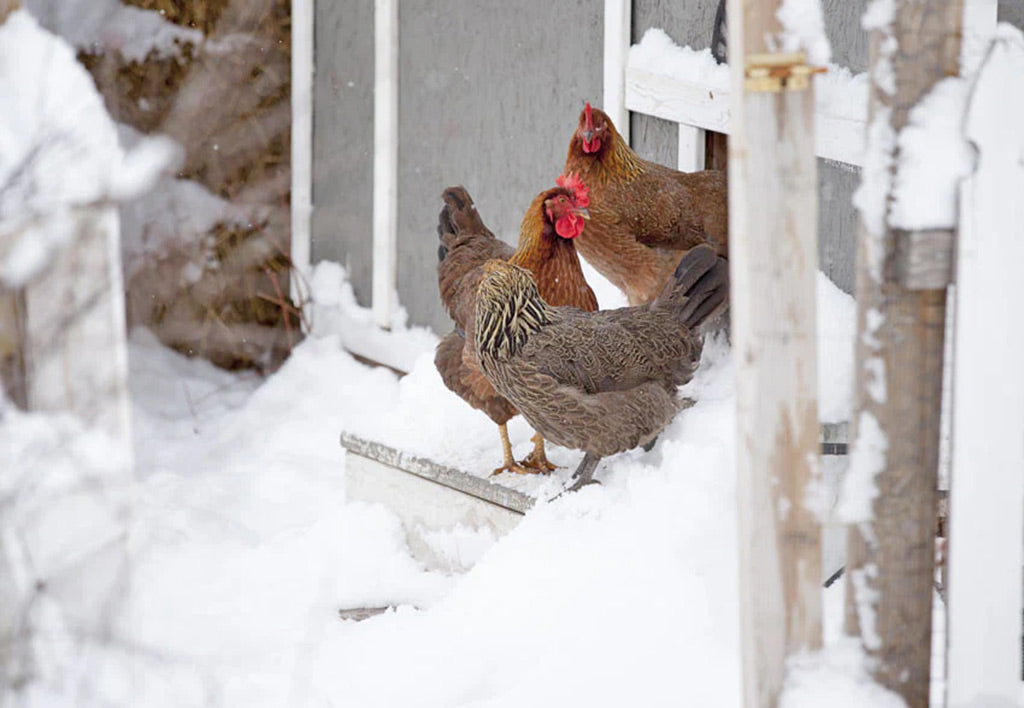
Have you ever wondered if your chickens can handle freezing temperatures? When the mercury drops below zero, it’s natural to worry about your feathered friends.
Can they stay healthy and comfortable, or will the cold put them at risk? Understanding how chickens survive in freezing weather is key to keeping them safe and thriving during winter. Keep reading to discover simple tips and surprising facts that will help you protect your flock when the cold hits hard.
Your chickens’ well-being depends on it!

Credit: www.reddit.com
Chickens And Cold Weather
Chickens face real challenges when temperatures drop below zero, but they aren’t completely defenseless against the cold. Understanding how they naturally cope with cold weather can help you provide the right care. Let’s look at what chickens bring to the table naturally, and where their limits lie.
Natural Cold Adaptations
Chickens have feathers that trap air, creating a layer of insulation to keep their body heat inside. Their combs and wattles shrink in extremely cold weather to reduce heat loss, which is a neat natural trick.
They also fluff up their feathers to add extra warmth. You might notice your chickens looking puffier on colder days—that’s them trying to keep warm. Additionally, chickens tend to huddle together to share body heat.
- Thicker feathers in winter help block the wind.
- Reduced blood flow to extremities cuts down heat loss.
- Behavioral changes like less movement conserve energy.
Limitations In Extreme Cold
Despite these adaptations, chickens can struggle when temperatures fall far below zero. Their feet and combs are vulnerable to frostbite because these parts have less feather protection.
Even with fluffing feathers, extreme cold can overwhelm their natural insulation. If your chickens look lethargic or stop eating, that’s a sign the cold is affecting them badly.
Have you noticed your birds spending more time in the coop during bitter cold snaps? That behavior shows they seek shelter because outside conditions are too harsh.
Providing windbreaks, dry bedding, and fresh water that doesn’t freeze can make a big difference. How do you protect your flock when the thermometer dips below zero?
Signs Of Cold Stress In Chickens
Chickens can face serious risks in below zero weather. Cold stress affects their health and productivity. Recognizing early signs helps protect your flock from harm. Watch closely for changes in behavior and physical condition. Acting fast can save your birds from frostbite or worse.
Behavioral Changes
- Huddling tightly together to share body heat
- Reduced movement or reluctance to leave the coop
- Decreased feeding and drinking habits
- Increased sleeping or lethargy during the day
- Shivering or trembling feathers
Physical Symptoms
- Pale or bluish combs and wattles
- Frostbite signs on feet, comb, or wattles
- Fluffed-up feathers to trap warmth
- Labored or rapid breathing
- Swollen or discolored toes
Preparing Coop For Freezing Temperatures
Preparing your chicken coop for freezing temperatures is crucial to keep your flock healthy and comfortable through harsh winters. Cold weather can stress chickens, making them vulnerable to illness and reducing egg production. Taking the right steps to winterize the coop can make a significant difference in their survival and well-being.
Insulation Techniques
Adding insulation to your coop helps trap heat and protect chickens from bitter cold. Use materials like foam boards or straw bales around the coop walls to reduce heat loss. Avoid using plastic sheeting inside the coop as it can trap moisture and cause dampness, which is harmful to your birds.
Think about sealing any gaps or cracks where cold air might sneak in. Even small drafts can chill chickens quickly. Have you checked your coop for hidden holes lately?
Ventilation Balance
While insulation is important, proper ventilation is just as vital to prevent moisture buildup. Moist air inside the coop can freeze and cause frostbite on your chickens’ combs and feet. You want fresh air circulation without creating strong drafts.
Try installing adjustable vents near the roofline to allow moisture to escape while keeping cold winds out. It’s a delicate balance, but essential for your flock’s health. How often do you monitor the humidity inside your coop?
Bedding Choices
Choosing the right bedding material can provide extra warmth and absorb moisture effectively. Straw and wood shavings are popular options that keep the floor dry and cozy. Avoid using hay as it tends to hold moisture and can become moldy.
Consider adding a deeper layer of bedding during winter to create a warm nest for your chickens. Regularly clean and replace bedding to maintain a healthy environment. What bedding strategy have you found works best to keep your coop dry in freezing weather?

Credit: www.reddit.com
Feeding Strategies In Winter
Feeding chickens in freezing weather requires special care. Cold temperatures make chickens burn more energy to stay warm. Proper feeding helps them survive and stay healthy during winter. Adjusting their diet and water supply is key. These strategies ensure chickens get enough nutrients and hydration.
High-energy Diets
Chickens need more calories in cold weather. High-energy foods help keep their body heat strong. Add grains like cracked corn or wheat to their feed. These provide extra carbohydrates and fats. Protein is also important for maintaining muscle and feather health.
- Increase feed amounts slightly to meet energy needs.
- Offer scratch grains in the afternoon to warm them up.
- Include some vegetable scraps for variety and nutrients.
Feeding small amounts often prevents waste and keeps chickens active. Avoid sudden diet changes to prevent digestive issues.
Water Management
Water is as important as food in winter. Chickens drink more water to help regulate their body temperature. Frozen water sources can cause dehydration and health problems. Use heated waterers or change water frequently. Keep water containers clean to avoid illness.
- Check water supply multiple times daily in freezing weather.
- Place waterers in sunny or sheltered spots to reduce freezing.
- Use insulated or heated water containers if possible.
Hydrated chickens digest food better and stay warm longer. Always ensure fresh, unfrozen water is available.
Protecting Chickens From Frostbite
Chickens face serious risks in freezing weather. Frostbite can harm their combs, wattles, and feet. Protecting chickens from frostbite helps keep them healthy and comfortable. Understanding risk areas and using preventive measures can reduce frostbite chances.
Identifying Risk Areas
Chickens’ combs and wattles are most vulnerable to frostbite. These parts have thin skin and little fat. Their feet and toes also face risk because of cold ground contact. Look for pale, hard, or blackened skin on these areas. Early signs include swelling or blisters. Regular checks during cold days can catch frostbite early.
Preventive Measures
- Provide a dry, draft-free coop with good ventilation.
- Use straw or wood shavings for bedding to keep feet warm.
- Apply petroleum jelly on combs and wattles to protect skin.
- Ensure chickens have access to fresh water that does not freeze.
- Limit outdoor exposure during extremely cold weather.
- Offer extra feed to help chickens produce body heat.
- Use heated pads or lamps safely inside the coop if needed.

Credit: milefour.com
Using Heat Sources Safely
Using heat sources safely is key to keeping chickens warm in freezing temperatures. Chickens can suffer from cold stress and frostbite without proper warmth. Heat sources help maintain a comfortable coop environment. Proper use prevents accidents and protects your flock.
Types Of Heaters
- Heat lamps:Common and easy to install. Use infrared bulbs that emit gentle heat.
- Radiant heaters:Provide steady warmth without drying the air. Good for larger coops.
- Heated pads:Safe for nesting boxes. Help keep eggs warm and prevent cold feet.
- Ceramic heaters:Durable and safe. Do not have exposed bulbs, reducing fire risk.
Safety Precautions
- Keep heaters away from bedding and wood to avoid fires.
- Secure cords to prevent chickens from pecking or chewing them.
- Use heaters with built-in thermostats to control temperature.
- Check heaters daily for damage or overheating signs.
- Never leave heat lamps unattended for long periods.
- Ensure proper ventilation to avoid moisture buildup and respiratory issues.
Special Care For Different Breeds
Different chicken breeds handle cold weather in unique ways. Knowing which breeds need extra care helps keep them safe and healthy. Some breeds naturally resist freezing temperatures. Others require more warmth and protection. This guide explains care tips for each type.
Cold-hardy Breeds
Cold-hardy breeds have thick feathers and strong bodies. They handle below zero weather better than others. Examples include:
- Rhode Island Red
- Buff Orpington
- Wyandotte
- Silkie
- Jersey Giant
These breeds still need shelter from wind and wet conditions. A dry, draft-free coop with good ventilation works best. Provide extra bedding for warmth. Fresh water should never freeze. Use heated waterers or change water often.
Sensitive Breeds
Sensitive breeds have thinner feathers or smaller bodies. They struggle more in cold weather. Examples include:
- Leghorn
- Malay
- Modern Game
- Minorca
Keep these breeds indoors or in heated coops. Add heat lamps or safe heaters during extreme cold. Extra bedding and close coop doors help keep heat in. Check on them often for signs of frostbite or stress. Feeding more energy-rich food supports their body heat.
Common Mistakes To Avoid
Keeping chickens safe in below zero weather can be tricky. Many well-meaning chicken owners make avoidable mistakes that put their flock at risk. Understanding these common errors helps you create a safer environment and keeps your birds comfortable and healthy.
Overheating Risks
You might think that in freezing weather, the bigger danger is your chickens getting too cold. However, chickens can actually overheat if their coop is sealed too tightly or if you use heat lamps without proper ventilation. This can cause stress and respiratory problems.
One time, I covered my coop completely to block wind and added a heat lamp. The next morning, I found some chickens panting and lethargic. It turned out the air inside was too hot and stale. This taught me that ventilation is just as important as warmth.
Make sure your coop has vents that let fresh air in without letting drafts blow directly on your chickens. Avoid using heat sources that could create hot spots. Ask yourself: is my coop warm but breathable?
Ignoring Hydration
Water is essential, even in freezing temperatures. Chickens can stop drinking if their water is iced over, leading to dehydration and health issues. Many owners overlook the importance of keeping water liquid and accessible all day.
I once left a waterer outside during a cold snap. By midday, it was frozen solid, and my chickens refused to drink. I quickly switched to a heated waterer, and the difference was clear—my flock stayed active and healthy.
Regularly check your chickens’ water source throughout the day. Use heated water bowls or change water frequently to prevent freezing. Ask yourself: is my flock drinking enough despite the cold?
Frequently Asked Questions
Can Chickens Survive In Below Zero Temperatures?
Yes, chickens can survive below zero temperatures if properly cared for. Providing insulated coops, dry bedding, and protection from wind is essential. Proper nutrition and access to unfrozen water also help chickens endure extreme cold safely.
How Do Chickens Stay Warm In Freezing Weather?
Chickens fluff their feathers to trap heat and huddle together for warmth. They also seek shelter from wind and moisture. Ensuring a dry, draft-free coop with good ventilation helps maintain their body temperature during freezing weather.
What Coop Features Help Chickens Survive Cold Winters?
A well-insulated, draft-free coop with ventilation is crucial. Use straw or wood shavings for bedding to keep warmth. Adding a safe heat source and ensuring water doesn’t freeze also helps chickens stay healthy in cold winters.
Can Cold Weather Affect Chicken Egg Production?
Yes, cold weather can reduce egg production. Chickens conserve energy to stay warm, which may lower laying frequency. Providing balanced feed, extra calories, and warmth can help maintain egg production during cold spells.
Conclusion
Chickens can indeed survive in below zero weather. Proper care makes it possible. Ensure they have a warm, dry coop. Good insulation is key. Provide fresh water frequently. Frozen water won’t help them. Feed them high-energy grains for warmth. Protect their combs and wattles from frostbite.
Monitor their health closely. Happy chickens are healthy chickens. With these steps, they can thrive in cold weather. Stay vigilant and your flock will remain safe. Remember, preparation is crucial for their survival.