Have you ever wondered if your dog’s feet can handle the heat during hot weather? When temperatures rise, the ground can become scorching, and your furry friend’s paws are the first to feel the burn.
You want to keep your dog safe and comfortable, but it’s not always easy to know what’s too hot or how to protect those sensitive pads. Keep reading to discover how heat affects your dog’s feet and what simple steps you can take to keep them happy and healthy all summer long.
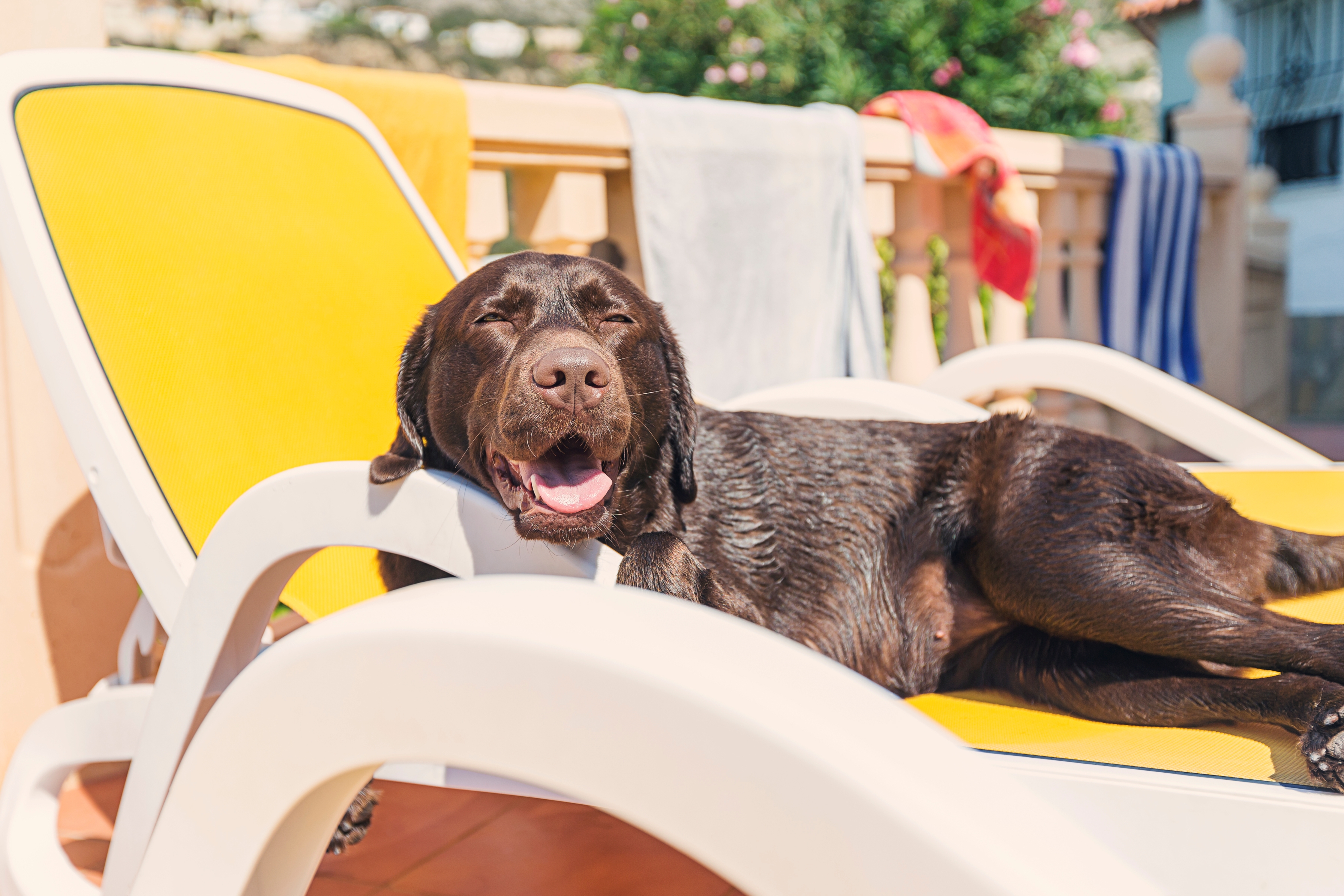
Credit: www.kiplinger.com
Heat Impact On Dog Paws
Hot weather can be tough on your dog’s paws. Unlike humans, dogs don’t wear shoes to protect their feet from scorching sidewalks or sand. Understanding how heat affects their paws can help you keep your furry friend safe and comfortable during those blazing days.
How Hot Surfaces Affect Paws
Surfaces like asphalt, concrete, and sand can reach temperatures much higher than the air. These surfaces can quickly burn your dog’s paw pads, causing pain and injury. Even a quick walk on hot pavement can lead to blistering or cuts.
Think about the last time you stepped barefoot on a hot sidewalk—your dog feels the same but cannot simply take off their feet. Heat damages the sensitive skin on their paws, which can take weeks to heal.
Signs Of Paw Burns
Knowing the signs of paw burns can save your dog from prolonged discomfort. Watch for limping, licking or chewing at their paws, redness, blisters, or swelling. Your dog might also seem reluctant to walk or stand.
If you notice any of these signs, check their paws immediately. Cooling the paws with cold water and contacting your vet can prevent further damage.
Breeds More Sensitive To Heat
Some breeds have thinner paw pads or lighter skin, making them more vulnerable to heat. Breeds like Greyhounds, Whippets, and Bulldogs often have sensitive paws that can burn more easily.
Small dogs and puppies also tend to be more affected because their pads are softer. Knowing your dog’s breed sensitivity helps you plan walks during cooler parts of the day.
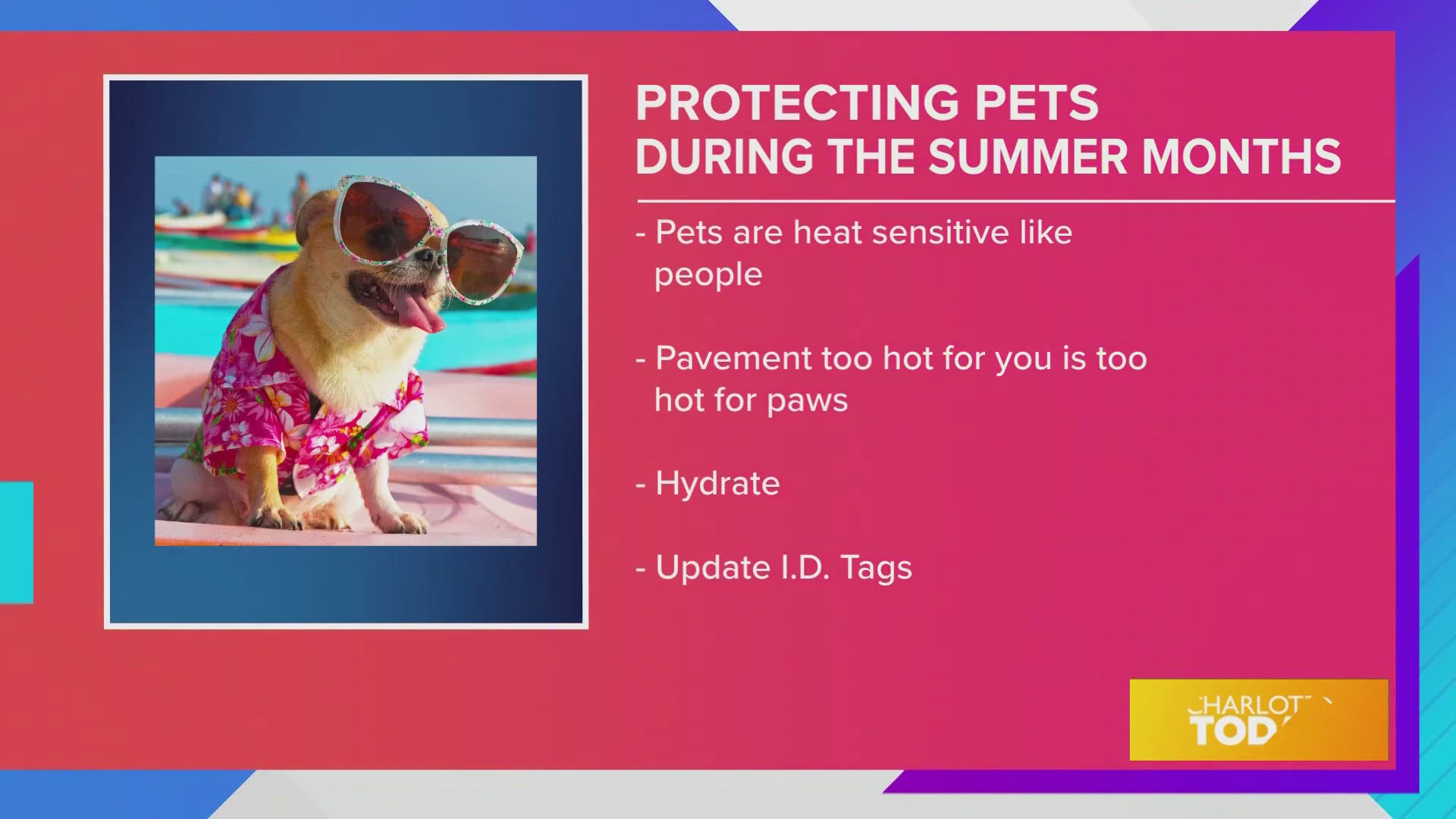
Credit: www.wcnc.com
Preventing Paw Injuries
Hot weather can be harsh on dogs’ paws. Preventing paw injuries is key to keeping your dog happy and healthy. The skin on their feet is delicate. It can crack, burn, or get irritated from hot surfaces. Taking steps to protect their paws helps avoid pain and infections.
Best Times For Walks
Choose early mornings or late evenings for walks. Pavement and sand cool down during these times. Avoid midday heat when surfaces become very hot. Test the ground yourself with your hand. If it feels too hot for you, it is too hot for your dog’s paws.
Using Protective Gear
Boots protect paws from heat and rough surfaces. They also shield against sharp objects and chemicals. Make sure the boots fit well and are comfortable. Let your dog wear them indoors first to get used to the feel. Replace worn-out boots to maintain protection.
Paw Care Products
Use paw balms or waxes to create a barrier. These products keep paws moisturized and prevent cracking. Apply them before and after walks on hot days. Check ingredients to ensure they are safe for dogs. Regular use helps maintain strong, healthy paw pads.
Home Remedies For Paw Care
Hot weather can be tough on a dog’s paws. They may get dry, cracked, or irritated. Using simple home remedies helps protect and heal their feet. These easy treatments keep paws healthy and comfortable during warm days.
Cooling Techniques
- Rinse paws with cool water after walks.
- Place a damp cloth on the paws to cool them down.
- Use a shallow bowl of cool water for your dog to soak their feet.
- Avoid hot pavement by walking your dog early or late in the day.
Moisturizing Paws
- Apply natural oils like coconut or olive oil to soften paw pads.
- Use pet-safe balms designed to hydrate dry skin.
- Massage moisturizers gently to improve absorption and comfort.
- Repeat moisturizing daily for best results.
Soothing Irritations
- Clean paws with mild soap and water to remove dirt.
- Apply aloe vera gel to calm redness and itching.
- Use chamomile tea bags cooled in the fridge as a compress.
- Keep paws dry and avoid harsh chemicals or sprays.
When To See A Vet
Knowing when to see a vet for your dog’s feet after exposure to hot weather is crucial. Paw pads can suffer serious damage, and early treatment can prevent long-term problems. If you notice anything unusual or your dog shows signs of pain, don’t wait to get professional advice.
Severe Burn Symptoms
Look for deep cracks, blisters, or open wounds on your dog’s paws. If your dog limps, whines, or refuses to walk, these could be signs of severe burns. Swelling, intense redness, or blackened skin also indicate serious damage.
It’s easy to miss subtle signs, but if your dog is licking their paws constantly or seems unusually sensitive to touch, consider a vet visit. These symptoms suggest the burns might be deeper than you think.
Infections And Complications
Burned paws can become infected quickly. Watch for pus, foul odor, or increased warmth around the injury site. If your dog’s paw looks swollen or the skin is peeling, infection might have set in.
Infections can spread and cause fever or lethargy. If your pet shows these signs along with paw injuries, it’s time to see your vet. Delaying treatment can lead to more serious health issues.
Emergency Care Tips
- Cool the paw immediately with lukewarm water for 5-10 minutes.
- Avoid ice or very cold water as it can cause more damage.
- Keep your dog from licking or biting the injured paw by using an Elizabethan collar if needed.
- Gently clean the paw with mild soap and water, but don’t apply ointments without vet approval.
- Contact your vet promptly if symptoms worsen or don’t improve within 24 hours.
Have you ever faced a hot day where your dog’s paws seemed too tender to walk? Taking quick action can save your pet from pain and complications. Always trust your instincts—if you feel something is wrong, get professional help.
Long-term Paw Maintenance
Long-term paw maintenance plays a key role in protecting dogs’ feet from hot weather damage. Healthy paws help dogs enjoy outdoor activities without pain or injury. Careful and consistent attention to paws prevents cracks, burns, and infections. Building a routine for paw care boosts their natural resilience over time.
Regular Paw Checks
Check your dog’s paws after every walk or play session. Look for cuts, blisters, or redness on pads and between toes. Remove any stuck debris like small stones or twigs. Watch for signs of swelling or limping. Early detection helps avoid serious problems later.
Trimming And Grooming
Trim hair around the paw pads to stop dirt buildup and overheating. Keep nails short to prevent discomfort and paw damage. Use dog-safe grooming tools for a gentle touch. Regular grooming keeps paws clean and cool during hot days.
Building Paw Toughness Safely
Gradually expose your dog’s paws to different surfaces like grass, gravel, and pavement. Start with short walks on warm surfaces to strengthen pads naturally. Avoid hot asphalt or sand at peak sun hours. Use paw wax or protective booties if needed to shield paws during extreme heat.

Credit: brownsnaturalpetstore.co.uk
Frequently Asked Questions
How Do I Protect My Dog’s Feet In Summer?
Protect your dog’s feet in summer by walking them during cooler hours. Use dog booties or paw wax for added protection. Avoid hot pavements and check their paws regularly for burns or injuries.
Can Hot Pavement Burn A Dog’s Paws?
Yes, hot pavement can burn a dog’s paws. Pavement heats up quickly in the sun. Always test the surface temperature with your hand before walking your dog.
What Are Signs Of Burnt Dog Paws?
Signs of burnt dog paws include limping, licking paws, redness, or blisters. Your dog may also avoid walking. If you notice these, seek veterinary care.
How Can I Cool Down My Dog’s Paws?
You can cool down your dog’s paws using cool water. Apply a wet towel to their paws. Avoid using ice or very cold water to prevent shock.
Conclusion
Dogs’ feet can get hurt by hot surfaces quickly. Always check the ground before walks. Shade and water help keep paws cool and safe. Protective boots offer extra guard in extreme heat. Watch your dog’s behavior for signs of pain or discomfort.
Taking these steps helps protect your dog’s paws. Keep your furry friend happy and healthy during hot days. Small actions make a big difference for paw safety. Stay mindful and enjoy warm weather walks together.