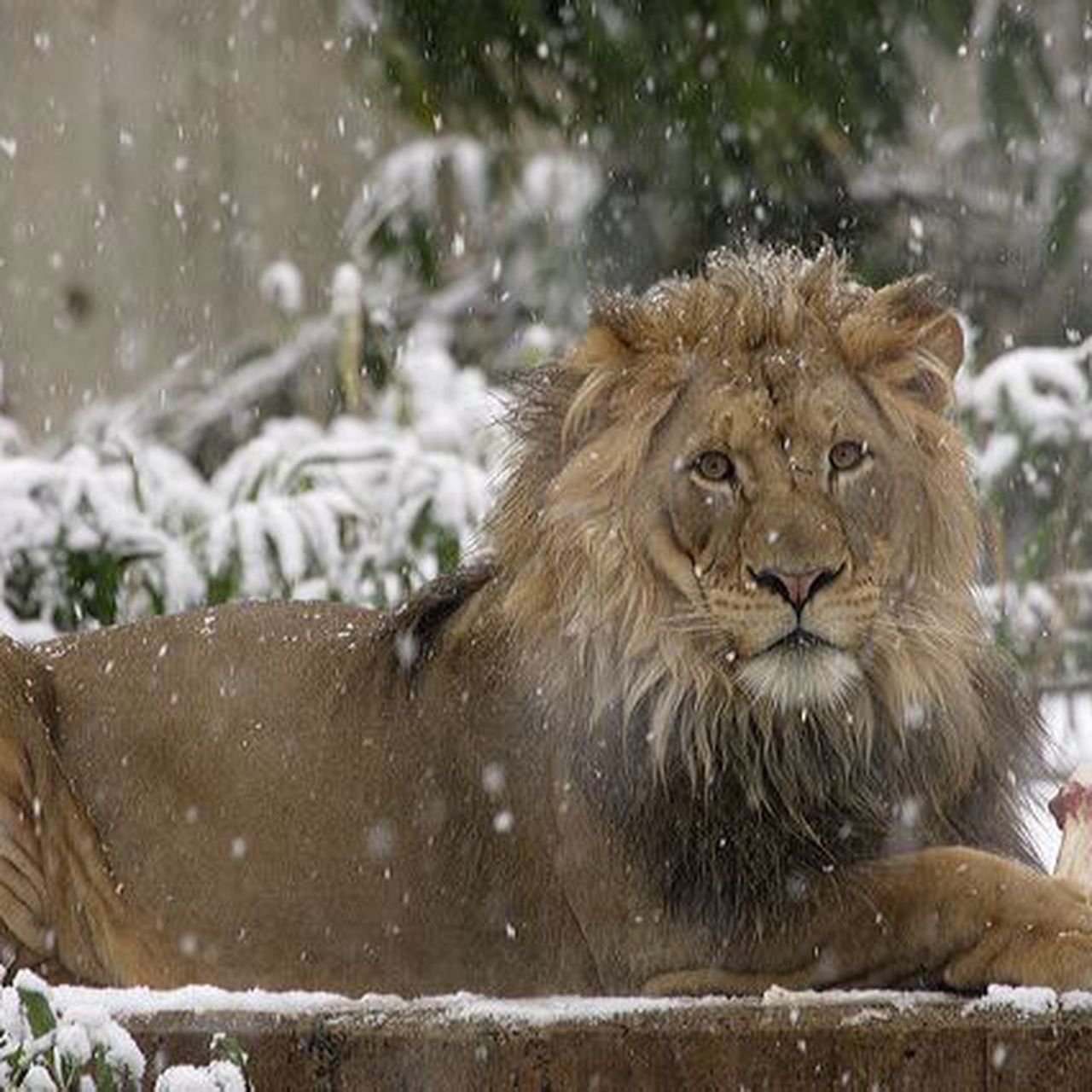
Have you ever wondered if lions, the kings of the savannah, can survive in cold weather? You might picture them basking under the hot sun, but what happens when temperatures drop?
Understanding how these powerful animals cope with cold can surprise you. You’ll discover the secrets behind a lion’s ability to handle chilly climates and what it means for their survival. Keep reading—you’ll be amazed at how lions adapt to the cold in ways you never expected.
Credit: nationalzoo.si.edu
Lions And Their Natural Habitats
Lions are iconic creatures often linked with the vast savannas of Africa. Understanding where they naturally live helps us figure out how well they can handle different climates, especially cold weather. Their habitats shape their behavior, diet, and physical traits, making it clear why lions prefer certain environments over others.
Typical Climate Zones
Lions mainly thrive in warm climates found across sub-Saharan Africa. These areas usually have hot temperatures year-round with seasonal rains. You won’t find lions in extremely cold or snowy regions naturally.
Some lions live in dry savannas, while others roam woodlands or grasslands. Each of these zones offers heat and open space, which lions rely on for hunting and social activities. Have you ever wondered what would happen if lions were introduced to much colder zones?
Adaptations To Warm Environments
Lions have evolved several traits that suit warm climates perfectly. Their short fur helps keep them cool, unlike animals with thick coats designed for cold. They also rest during the hottest parts of the day to avoid overheating.
Another key adaptation is their social hunting style, which works best in open, warm habitats where prey is abundant. Their paw pads are tough but not built for icy or snowy terrain, which can make movement difficult in cold places.
Thinking about these adaptations, it becomes clear that lions are not naturally equipped to survive harsh winters. How would their behavior and survival change if they faced prolonged cold spells?
Credit: www.lionstigersandbears.org
Effects Of Cold Weather On Lions
Lions are iconic creatures often pictured roaming the warm savannas, but how do they cope when temperatures drop? Cold weather presents real challenges to lions, affecting their bodies and behavior in noticeable ways. Understanding these effects helps us see how adaptable—or vulnerable—these big cats really are.
Physical Challenges
Lions have thick fur, but it’s not designed for freezing temperatures. When the cold sets in, they struggle to maintain their body heat. This can lead to slower movements and less energy for hunting.
Muscle stiffness and joint pain may increase in cold weather, making it harder for lions to chase prey. Their paws, which are used to hot ground, can become sensitive or even injured by frost. Have you ever wondered how their claws hold up on icy surfaces?
Additionally, cold weather can weaken their immune system. This makes them more prone to infections and illnesses, which can be dangerous without the right shelter or food supply. It’s clear that cold is more than just uncomfortable for lions—it can affect their survival.
Behavioral Changes
To deal with the cold, lions often change their habits. You might notice them seeking shelter more often, curling up in groups to share body warmth. This social behavior is not just about bonding; it’s a practical way to stay warm.
Hunting patterns can also shift. Lions might hunt during the warmer parts of the day instead of at night when temperatures drop. This change impacts their energy use and success rate in catching prey.
They may reduce their overall activity to conserve energy, spending more time resting. Have you seen footage of lions simply lying still for hours in cold environments? This is a survival tactic, but it also means less exercise and weaker muscles over time.
Understanding these changes can help you appreciate the resilience of lions. It also raises a question: How much colder can lions tolerate before their survival is at serious risk?
Lions In Cooler Regions
Lions usually live in warm places like savannas and grasslands. Yet, some lions and similar big cats survive in cooler areas. These cooler regions test their ability to adapt. Exploring how lions manage in cold helps us understand their survival skills better.
Examples From Mountain Lions
Mountain lions, also called cougars or pumas, live in colder zones. They roam in mountains and forests with snow in winter. These big cats have thick fur that keeps them warm. Their fur color often changes with seasons, blending well with the environment. Mountain lions hunt deer and smaller animals that are active in cold weather. They are strong and fast, which helps them catch food despite tough conditions.
Survival Strategies
- Growing thicker fur during winter to trap body heat
- Finding shelter in caves or dense bushes to avoid wind
- Hunting mostly during dawn or dusk when prey is active
- Using large paws to walk on snow without sinking
- Storing energy by resting more during extreme cold
These strategies help lions and mountain lions survive in cold climates. Their ability to change behavior and body features ensures they stay strong. Cold weather may be harsh, but lions can adjust and thrive in many environments.
Comparing Lions With Other Big Cats
Comparing lions with other big cats reveals how different species have adapted to their environments, especially when it comes to surviving cold weather. Lions, native mostly to warm savannas, face challenges in colder climates that some of their relatives handle with ease. Understanding these differences helps us see why lions struggle in cold weather while others thrive.
Snow Leopards And Cold Adaptations
Snow leopards live high in the mountains where temperatures often drop below freezing. Their thick fur is one of the warmest among big cats, helping them stay comfortable in harsh cold. You’ll notice their wide, furry paws act like natural snowshoes, preventing them from sinking into deep snow.
Unlike lions, snow leopards have shorter limbs and a stockier build, which reduces heat loss. Their long, bushy tails wrap around their bodies for extra warmth during cold nights. If you ever see photos of them in snowy landscapes, you’ll realize how perfectly built they are for cold weather survival.
Tigers In Cold Climates
Tigers, especially Siberian tigers, endure some of the coldest habitats of any big cat. Their dense fur and thick layer of fat help insulate them against freezing temperatures. You might be surprised to learn that their fur is longer and paler in winter, providing both warmth and camouflage in snowy forests.
Siberian tigers also have powerful muscles that allow them to travel long distances in search of prey, even in deep snow. Unlike lions, tigers don’t rely on large prides for warmth or hunting, which means each tiger must be well-adapted individually. This independence is a key factor in their cold-weather survival.
Human Impact And Climate Change
Human activities and climate change are reshaping the environments where lions live, impacting their ability to survive, especially in colder regions. As temperatures shift and habitats change, lions face new challenges that test their adaptability. Understanding these effects helps us see the bigger picture of wildlife survival in a warming world.
Habitat Shifts
Lions are moving to new areas as their traditional habitats become unsuitable. Warmer climates can push them to higher altitudes or regions with cooler temperatures, but this often means unfamiliar terrain and prey.
Human expansion into lion territories adds pressure by reducing available space. Roads, farms, and settlements fragment habitats, making it harder for lions to find food and shelter. Have you ever wondered how these changes affect lion behavior and survival chances?
Conservation Efforts
Conservation groups are stepping up to protect lions in the face of climate change and human impact. They focus on creating wildlife corridors that connect fragmented habitats, allowing lions to move safely between areas.
Efforts also include working with local communities to reduce conflicts and promote coexistence. Supporting these programs can help preserve lion populations and maintain the delicate balance of their ecosystems.
Credit: www.bornwild.rocks
Frequently Asked Questions
Can Lions Adapt To Cold Weather Conditions?
Lions are native to warm climates and have limited adaptation to cold. Their short fur and body structure suit hot environments. While they can survive mild cold, extreme cold affects their health and hunting efficiency.
Do Lions Grow Thicker Fur In Cold Climates?
Lions do not significantly grow thicker fur in cold weather. Their fur remains relatively short year-round. This limits their ability to retain heat in cold climates, making them vulnerable to frostbite and hypothermia.
How Do Lions Keep Warm In Cold Weather?
Lions use group huddling and seek shelter to retain warmth. They rely on body heat from pride members. Staying active also helps maintain their body temperature during colder periods.
Can Lions Survive In Snowy Habitats Naturally?
Lions are not naturally found in snowy habitats. Snow and freezing temperatures are harsh for them. Their physiology and hunting style are adapted to savannas, not snow-covered environments.
Conclusion
Lions face challenges in cold weather. Their natural habitat is warm. Thick fur helps them adapt to cooler climates. Food scarcity becomes a major concern in cold conditions. Lions struggle to find prey. Cold weather affects their hunting success. They need to stay healthy and strong.
Conservation efforts are crucial for their survival. Protecting their habitat ensures a safer future. Awareness helps in understanding these majestic creatures. By learning more, we can support lions. Together, we can make a difference.