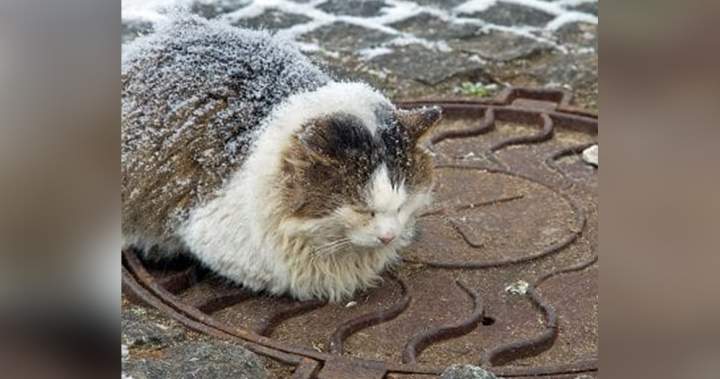
Have you ever wondered how long your cat can stay outside when the cold weather hits? It’s a question every cat owner should ask, especially as temperatures drop.
Your furry friend’s safety depends on understanding the risks and signs of cold stress. You’ll discover how cold affects cats, what dangers they face, and simple steps you can take to protect them. Keep reading to ensure your beloved pet stays warm and healthy all winter long.
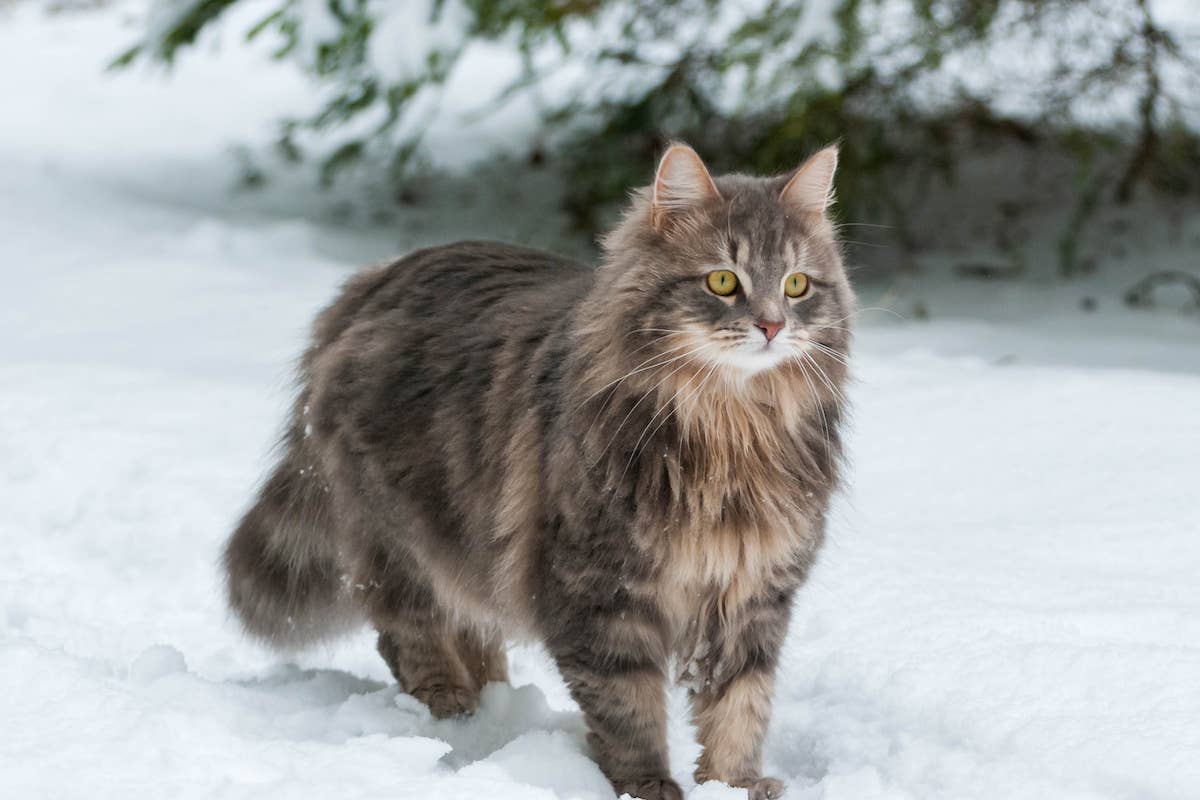
Credit: pethelpful.com
Cat’s Cold Weather Limits
Cats have natural limits to how much cold they can handle outside. Their survival depends on several factors, including temperature, fur thickness, and health. Understanding these limits helps keep cats safe during cold weather.
Temperature Thresholds
Cats start feeling cold when temperatures drop below 45°F (7°C). Below 32°F (0°C), the risk of hypothermia rises sharply. At 20°F (-6°C) or lower, outdoor exposure becomes dangerous quickly.
Frostbite can occur on ears, paws, and tail when the temperature falls below freezing. Prolonged exposure in very cold weather can lead to serious health problems or death.
Factors Influencing Survival Time
- Fur Length:Long-haired cats tolerate cold better than short-haired ones.
- Body Condition:Healthy, well-fed cats survive longer in cold weather.
- Shelter Availability:Access to dry, insulated shelter extends survival time.
- Wind Chill:Wind lowers body temperature faster, increasing risk.
- Age and Health:Young, old, or sick cats have lower cold tolerance.
Without shelter or food, a cat can survive only a few hours in freezing temperatures. With protection and warmth, survival time increases significantly.

Credit: bestfriends.org
Signs Of Cold Stress In Cats
Recognizing the signs of cold stress in cats is crucial if your feline friend spends time outdoors during chilly weather. Cats cannot tell you when they feel cold or uncomfortable, so you need to watch for subtle clues. Early detection can prevent serious health issues and keep your cat safe.
Behavioral Changes
One of the first signs of cold stress is a shift in your cat’s behavior. You might notice your cat seeking out warm spots more often, such as curling up near heaters or under blankets.
If your cat suddenly becomes less active or hides away, it could be trying to conserve body heat. Cats may also shiver or tremble, just like humans, indicating they are feeling cold.
Have you seen your cat meowing more than usual or acting restless? These can be signs they’re uncomfortable and trying to communicate distress.
Physical Symptoms
Physical signs of cold stress include pale or bluish gums and ears, which signal poor blood circulation. Your cat’s paws might appear red or swollen from exposure to cold surfaces.
Watch for stiff joints or difficulty moving; cold can cause muscle stiffness and pain. In extreme cases, frostbite can develop, especially on the ears, tail, and paws.
If your cat looks lethargic, weak, or has trouble breathing, these are serious symptoms requiring immediate attention. You want to act fast before hypothermia sets in.
Risks Of Prolonged Cold Exposure
Cold weather poses serious threats to cats left outside too long. Their small bodies lose heat fast, risking severe health problems. Knowing the dangers helps protect cats from harsh winter conditions.
Hypothermia Dangers
Hypothermia happens when a cat’s body temperature drops below normal. It slows down vital functions and causes weakness. Early signs include shivering and lethargy. Without help, the cat can lose consciousness or even die.
Cold wind and wet fur speed up heat loss. Thin or sick cats face higher risks. Hypothermia affects the heart and brain, leading to dangerous complications. Immediate warming and veterinary care are critical for survival.
Frostbite Effects
Frostbite occurs when skin and tissues freeze. Ears, paws, tail tips are most vulnerable. The skin looks pale or blue and feels hard or numb. It can cause permanent damage or loss of tissue.
Frostbite pain may not be obvious at first. Swelling and blisters appear as it worsens. Severe frostbite needs prompt treatment to prevent infection or amputation. Keeping cats dry and sheltered reduces frostbite risks greatly.
Credit: pethelpful.com
Protecting Cats In Winter
Winter is harsh for cats left outside. Cold weather can harm their health quickly. Protecting cats in winter is essential. Providing warmth and care improves their chances of survival. Small actions can make a big difference in their comfort and safety.
Shelter Options
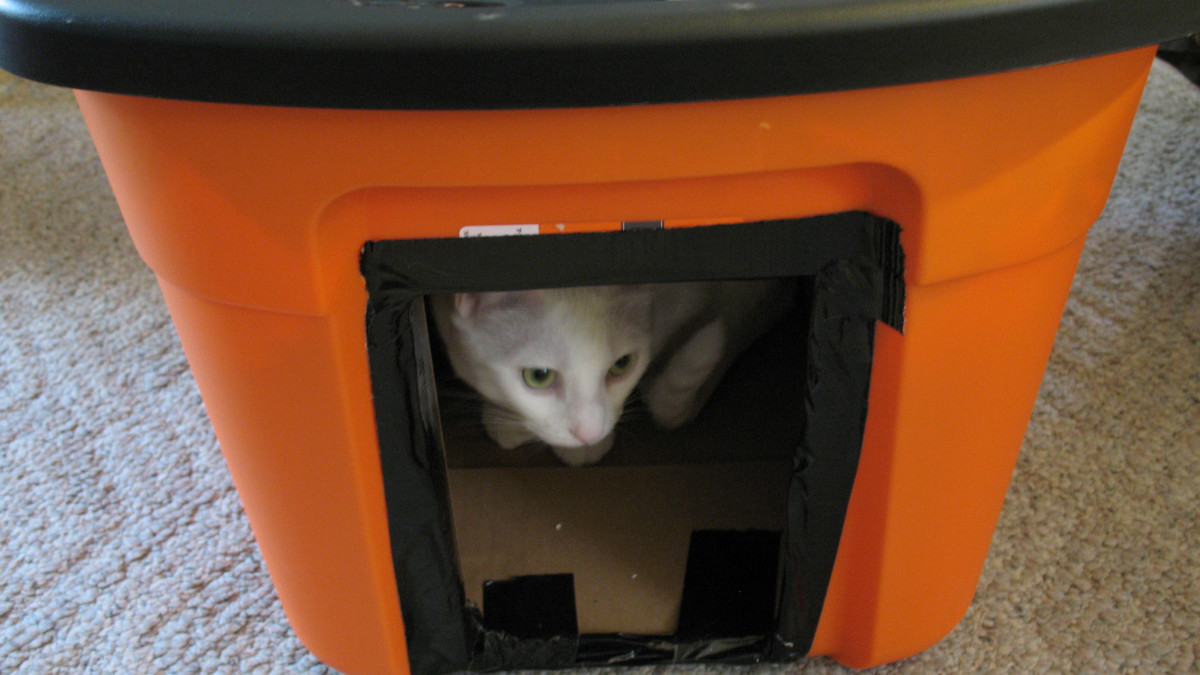
Proper shelter keeps cats safe and warm. It blocks wind, rain, and snow. A good shelter should be dry and insulated. Use materials like straw, blankets, or old towels for warmth. Avoid using hay as it can get wet and cold.
Some shelter ideas include:
- Plastic storage bins with a small entrance cut out
- Wooden boxes raised off the ground
- Commercial outdoor cat shelters designed for cold weather
Place shelters in quiet, sheltered areas. Check them regularly to ensure they stay dry and clean.
Feeding And Hydration Tips
Food provides energy to help cats stay warm. Give high-quality, nutritious food during winter. Wet food can freeze fast, so dry food is better outside.
Water is vital, but it can freeze. Use heated water bowls or change water often. Check water supply multiple times a day to keep it fresh and liquid.
Extra calories help cats maintain body heat. Feed more than usual in cold weather. Feeding at the same time daily builds trust and routine.
When To Seek Veterinary Help
Knowing when to seek veterinary help for your cat exposed to cold weather can make a life-saving difference. Cats are resilient but not invincible against harsh temperatures. Recognizing the signs of distress early can prevent serious health issues.
Emergency Signs
Watch closely for these urgent symptoms that mean your cat needs immediate care:
- Shivering uncontrollably:This shows your cat is struggling to stay warm.
- Weakness or lethargy:If your cat is unusually tired or slow, it could indicate hypothermia.
- Difficulty breathing:Cold stress can affect the lungs and heart.
- Frostbitten skin:Look for pale, hard, or blistered areas on ears, paws, or tail.
- Unresponsiveness or confusion:This is a critical sign of severe cold exposure.
If you notice any of these signs, don’t wait. Take your cat to a vet immediately. Acting fast could save your pet’s life.
Preventative Care
Preventing cold-related emergencies starts before your cat ever steps outside in cold weather. You can protect your cat by:
- Providing warm shelter with insulation and blankets.
- Limiting outdoor time when temperatures drop below freezing.
- Ensuring your cat has access to fresh water and nutritious food to maintain body heat.
- Checking paws regularly for signs of ice or salt irritation.
- Using cat-safe clothing like sweaters if your pet tolerates it.
Have you checked your cat’s outdoor environment recently? Making small adjustments can keep your furry friend safe and warm all winter long.
Frequently Asked Questions
How Cold Is Too Cold For Cats Outside?
Cats are vulnerable to hypothermia and frostbite in temperatures below 32°F (0°C). Prolonged exposure to such cold can be dangerous. Providing a warm shelter and limiting their time outside is crucial. Always monitor your cat’s behavior and health if they spend time outdoors in cold weather.
Can Cats Survive Winter Outside?
Cats can survive outside in winter but need proper shelter and care. Ensuring they have access to a warm, insulated shelter is essential. Regularly check on them and provide fresh water and food. Extreme cold can lead to health issues, so limit their outdoor time.
How Do Cats Keep Warm In Winter?
Cats keep warm by seeking shelter, fluffing up their fur, and curling up. They conserve body heat through these methods. Providing a warm, insulated space can help. Outdoor cats may need extra food for energy to maintain body heat during colder months.
What Are Signs Of A Cold Cat?
Signs of a cold cat include shivering, cold ears, lethargy, and seeking warmth. Cats may also exhibit decreased appetite and reluctance to move. If you notice these signs, bring them indoors immediately. Prolonged exposure to cold can be harmful and requires attention.
Conclusion
Cats do not stay safe outside in cold weather for long. Their small bodies lose heat fast. Frostbite and hypothermia can happen quickly. Always watch your cat and bring it inside. A warm, dry place keeps cats healthy. Outdoor cats need extra care in winter.
Protect your pet from harsh cold days. Keeping them indoors is the safest choice. Cold weather can be dangerous for cats. Take steps now to keep your cat safe.