Imagine facing an emergency with your family and not having the right supplies at hand. How would you keep everyone safe, fed, and calm?
What if you could prepare a simple kit that ensures your family’s survival no matter what happens? You’ll discover exactly what to pack in a family survival kit. You’ll learn how to choose items that protect your loved ones and give you peace of mind.
Keep reading, because being ready starts with knowing what to include—and it’s easier than you think.

Credit: www.amazon.com
Basic Survival Supplies
Basic survival supplies form the foundation of any family survival kit. These essentials ensure that you and your loved ones can stay safe, healthy, and comfortable during unexpected emergencies. Packing these items thoughtfully can make a significant difference when you need them the most.
Water And Hydration
Water is the most critical survival item. You should pack at least one gallon of water per person per day for drinking and sanitation.
Consider including water purification tablets or a portable water filter. These tools help you turn unsafe water into safe drinking water, especially if you run out of stored supplies.
Have you thought about how you will carry and store water if you need to move quickly? Lightweight, durable water bottles or collapsible containers work well for this purpose.
Non-perishable Food
Non-perishable foods provide the energy your family needs to stay strong during an emergency. Choose items that have a long shelf life and require little or no preparation.
- Canned beans, vegetables, and meats
- Energy bars and granola bars
- Dried fruits and nuts
- Instant oatmeal and powdered milk
Don’t forget a manual can opener if your food comes in cans. Think about your family’s dietary preferences and allergies when selecting food items to avoid unwanted surprises.
First Aid Kit
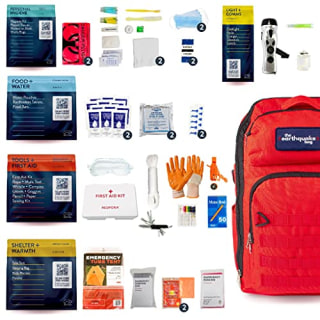
A well-stocked first aid kit can handle minor injuries and prevent infections. Pack bandages, antiseptic wipes, adhesive tape, and antibiotic ointment as basics.
Add pain relievers, tweezers, scissors, and gloves for more comprehensive care. Including any personal medications or allergy treatments is essential.
Have you practiced using your first aid supplies? Familiarity with these items can speed up your response during an emergency and reduce stress.
Credit: www.nbcnews.com
Tools And Equipment
Having the right tools and equipment in your family survival kit can make a huge difference during an emergency. These items help you handle unexpected challenges quickly and efficiently. Think about what you might need to fix, cut, light, or signal for help when every second counts.
Multi-tool And Knife
A solid multi-tool and a sharp knife are essentials you can’t overlook. They serve many purposes—from cutting rope to opening cans and even making small repairs. I once used a multi-tool to fix a broken tent pole during a camping trip, which saved us from spending a cold night outdoors.
Look for a multi-tool with pliers, screwdrivers, and a knife blade. The knife should be sturdy enough to handle tough tasks but light enough to carry comfortably. You want tools that won’t fail you when you need them most.
Flashlights And Batteries
Imagine being caught in the dark without a reliable light source. A good flashlight can provide safety and comfort in those moments. Pack more than one flashlight to cover different needs, such as a headlamp for hands-free use and a handheld one for general lighting.
Don’t forget extra batteries—they’re useless without power. Store them separately to avoid corrosion and regularly check their charge. Have you checked your flashlight batteries lately?
Fire Starting Gear
Fire can mean warmth, cooking, and signaling for rescue. You need dependable fire-starting tools in your kit. Think beyond matches—include waterproof matches, a lighter, and a fire steel for backup.
Practice using these tools before an emergency strikes so you’re confident when it matters. Even damp wood can catch fire with the right technique and tools. What’s your go-to method for starting a fire under tough conditions?
Shelter And Warmth
Keeping your family safe and comfortable in an emergency means focusing on shelter and warmth. Without these essentials, even short-term survival can become difficult. Your family survival kit should include reliable items that protect against harsh weather and provide a safe resting place.
Emergency Blankets
Emergency blankets are lightweight, compact, and incredibly effective. Made from heat-reflective materials, they trap body heat and prevent hypothermia. You can easily stash one in every family member’s pack without adding bulk.
Have you ever experienced sudden cold snaps? These blankets can turn a chilly night into a manageable situation. Keep a few on hand, and teach your family how to wrap themselves properly to maximize warmth.
Tents And Tarps
Portable tents and tarps are your first line of defense against rain, wind, and cold. A small, easy-to-assemble tent offers privacy and shelter, while tarps can create quick protective covers or ground insulation.
Consider a tarp’s versatility: it can be tied between trees as a rain shelter or laid flat as a dry surface. When selecting tents and tarps, look for durable, waterproof materials with strong seams and easy setup features.
Clothing And Rain Gear
Clothing choices make a big difference in staying warm and dry. Pack layered clothing made of moisture-wicking and quick-dry fabrics to adjust to changing conditions. Avoid cotton since it holds moisture and chills the body.
Rain gear is essential, too. Waterproof jackets and pants protect against wet weather and prevent heat loss. Think about including extra socks and hats—small items that have a big impact on comfort and health.
Communication Devices
Keeping communication open during an emergency is crucial for your family’s safety. Communication devices in your survival kit can help you stay informed and signal for help when needed. Choosing the right tools ensures you can connect even when traditional networks fail.
Battery-powered Radio
A battery-powered radio is a lifeline for receiving weather updates and emergency broadcasts. Unlike smartphones, it doesn’t rely on cell towers, which often go down in disasters. Make sure to pack extra batteries and test the radio regularly to keep it functional.
Look for radios with NOAA weather alerts and multiple power options, such as solar or hand crank. This flexibility means you won’t be left in the dark if batteries run out. Have you ever experienced a blackout and wished you had a way to get news? A radio solves that problem effectively.
Whistles And Signal Mirrors
Simple yet powerful, whistles and signal mirrors can help you attract attention without using electricity. Whistles are loud and can be heard over long distances, making them perfect for signaling rescuers. Each family member should have a whistle, so everyone can signal if separated.
Signal mirrors work by reflecting sunlight to catch the eye of rescuers far away. They don’t require batteries and are lightweight enough to carry easily. Have you ever thought about how something as small as a mirror could save lives in an emergency?
Including these communication devices in your family survival kit ensures you have multiple ways to send and receive messages. They’re practical, reliable, and easy to use—qualities you want when every second counts.
Personal Hygiene Items
Personal hygiene items are vital in any family survival kit. They help prevent illness and keep everyone comfortable. Cleanliness supports health and morale during tough times. Pack items that serve multiple family members and last long.
Sanitation Supplies
- Soap bars or liquid soap for handwashing
- Hand sanitizer with at least 60% alcohol
- Toothbrushes and toothpaste for dental care
- Feminine hygiene products for women
- Disposable wet wipes for quick cleaning
- Trash bags for waste disposal
- Toilet paper or tissue packs
- Small towel or washcloths
Face Masks And Gloves
- Disposable face masks to reduce germs spread
- Reusable cloth masks for longer use
- Nitrile or latex gloves for handling waste
- Gloves to protect hands during cleaning
- Extra masks and gloves for all family members
Important Documents And Money
Important documents and money are essential for any family survival kit. These items help prove your identity, access services, and buy necessities during emergencies. Keep them safe and easy to reach. Organize these documents and money properly to avoid stress in difficult moments.
Copies Of Ids And Insurance
Make photocopies of all family members’ IDs. Include driver’s licenses, passports, and birth certificates. Also, copy insurance cards for health, car, and home. Store these copies in a waterproof and fireproof bag. Keep digital scans on a secure USB drive or cloud service. This backup helps if original documents get lost or damaged.
Cash And Coins
Keep a small amount of cash in your survival kit. Include various bills and coins. Cash is useful when electronic payment systems fail. Avoid carrying large sums to reduce risk. Store money in a secure, waterproof pouch. Refresh cash regularly to ensure bills are not expired or damaged.
Special Needs And Comfort
Packing a family survival kit goes beyond just food and water. You must think about special needs and comfort to keep everyone safe and calm during an emergency. Missing essential items for health or well-being can create unnecessary stress when you need stability the most.
Medications And Prescriptions
Do you have family members who rely on daily medications? Never forget to pack a sufficient supply of prescription drugs, along with copies of prescriptions and a list of dosages. This helps if you need to get refills or visit a doctor in an unfamiliar location.
Include basic first aid supplies like pain relievers, allergy medicines, and any special treatments. Keep these items in a waterproof container to protect them from damage. It’s easy to overlook, but having these on hand can make a huge difference in managing health conditions during a crisis.
Baby And Pet Supplies
Babies and pets have unique needs that require special attention in your survival kit. Pack diapers, wipes, formula, baby food, and a change of clothes for your little ones. These items help maintain their routine and comfort when everything around feels uncertain.
Don’t forget your pets—bring enough pet food, water, medications, and familiar toys or blankets. Pets can sense stress, so keeping them comfortable also helps your whole family stay calmer. Have you thought about how you’d manage if your pet’s favorite item was missing?
Packing And Storage Tips
Packing and storing your family survival kit properly ensures quick access during emergencies. It keeps items safe and ready to use. Organizing the kit well can save valuable time and reduce stress. Consider space, weight, and protection when packing supplies.
Choosing The Right Container
Select a container that is strong and waterproof. Plastic bins with secure lids work well. Look for containers that resist impacts and moisture. Size matters—choose one that fits all essentials without being too bulky. Clear containers help identify contents quickly. Consider containers with handles for easy carrying. Label the container clearly to avoid confusion.
Organizing For Quick Access
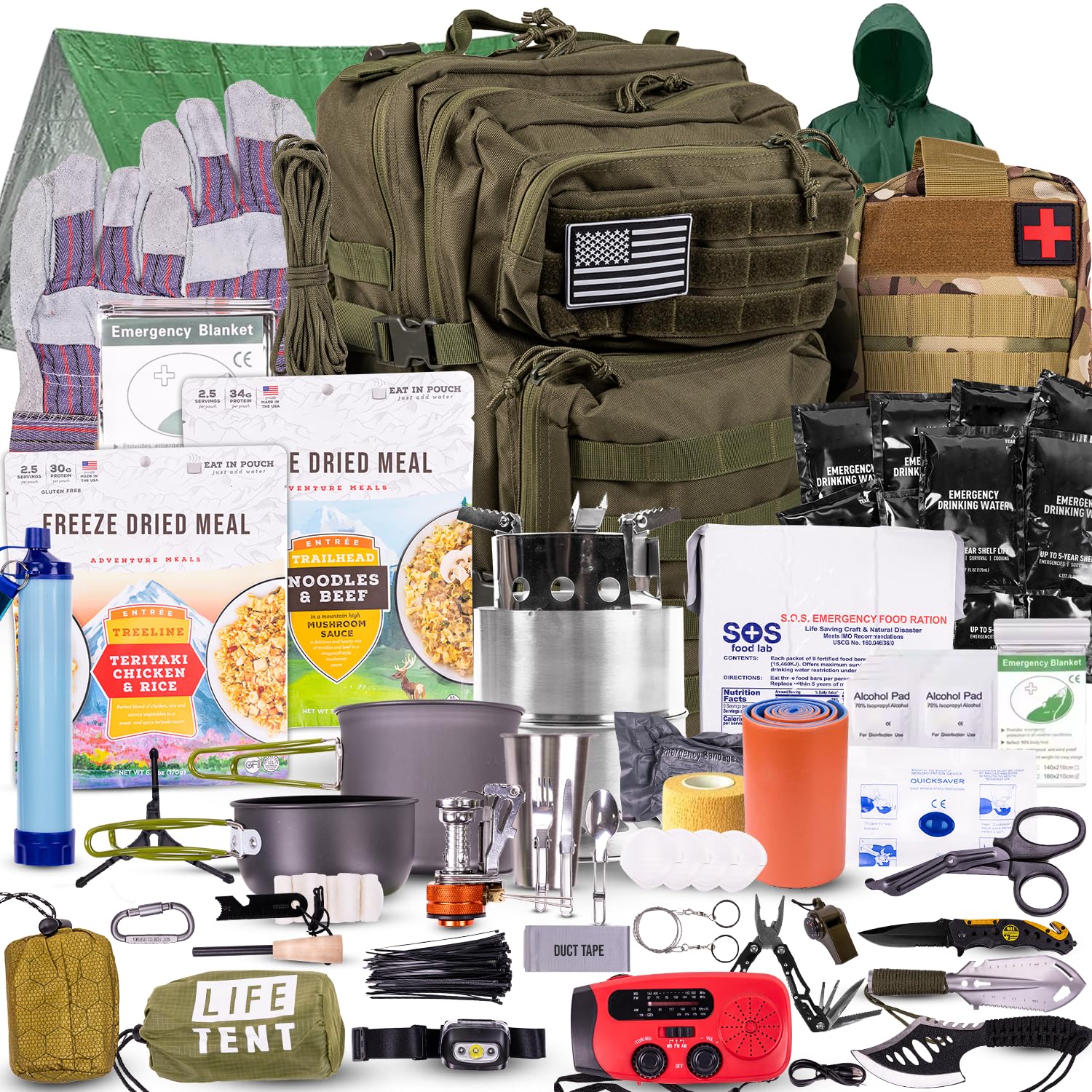
Group items by category for fast retrieval. Use smaller bags or pouches inside the main container. Keep first aid, food, and tools separate but accessible. Place frequently used items near the top. Use color-coded bags or labels for quick identification. Check and update your kit regularly. Make sure all family members know where to find items.
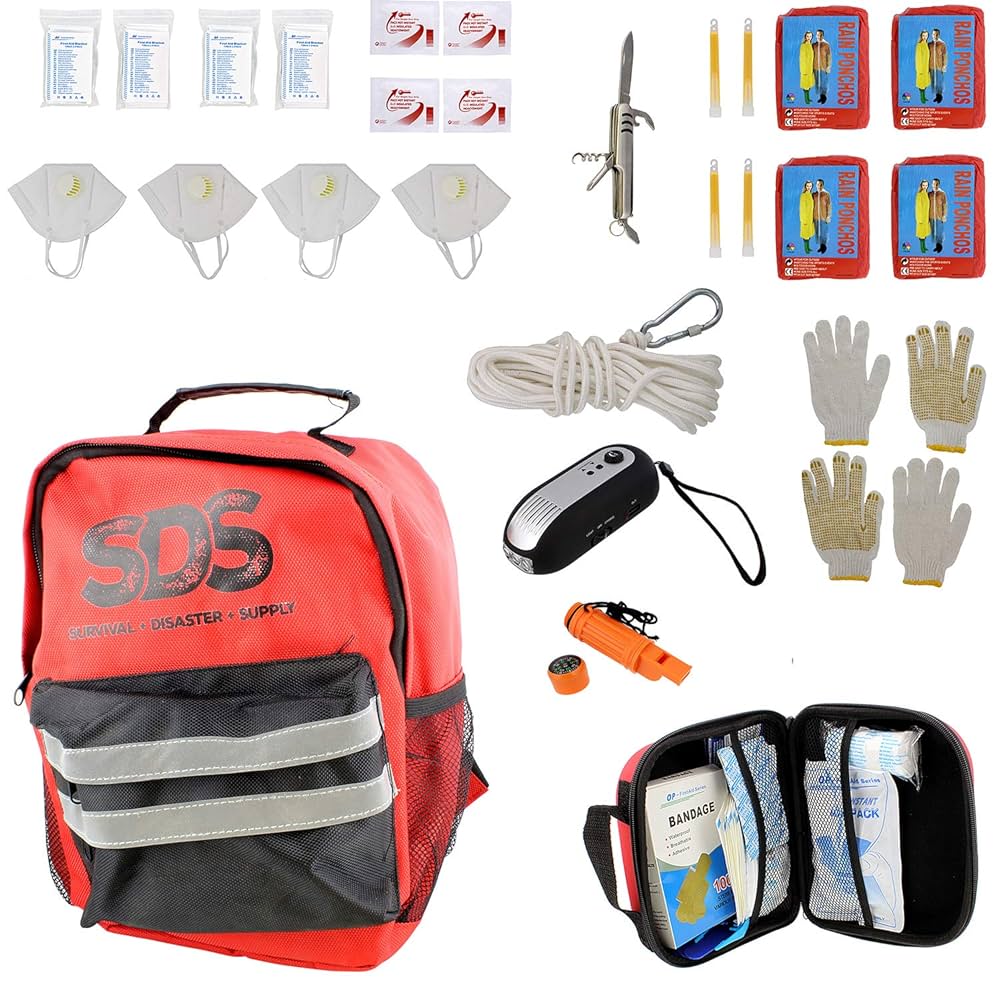
Credit: www.amazon.com
Frequently Asked Questions
What Should Be In A Family Survival Kit?
A family survival kit should include essentials like water, non-perishable food, a first aid kit, flashlights, batteries, and blankets. Don’t forget personal hygiene items, a multi-tool, and important documents. Customize your kit to meet your family’s specific needs and remember to update it regularly.
How Much Water Is Needed Per Person?
Each person needs at least one gallon of water per day. This covers drinking and sanitation needs. It’s advisable to store a three-day supply per person. Regularly check and rotate your water supply to ensure it remains fresh and safe for use.
What Food Is Best For A Survival Kit?
Non-perishable foods are best for a survival kit. Consider canned goods, protein bars, dried fruits, and nuts. Choose items with long shelf lives that your family enjoys. Don’t forget a manual can opener and ensure you have enough food for at least three days.
How Often Should I Update The Kit?
Update your family survival kit every six months. Check expiration dates on food and medications. Replace expired items promptly. Update personal documents and contact information as needed. Regular maintenance ensures your kit is ready when you need it most.
Conclusion
A family survival kit keeps everyone safe during emergencies. Pack essential items like water, food, first aid, and tools. Check the kit regularly to replace expired supplies. Keep it accessible and easy to carry. Preparing now reduces stress later. Every family member should know where the kit is.
Stay ready, stay calm, and protect your loved ones. A well-packed survival kit can make a big difference in tough times. Don’t wait—start building your kit today.