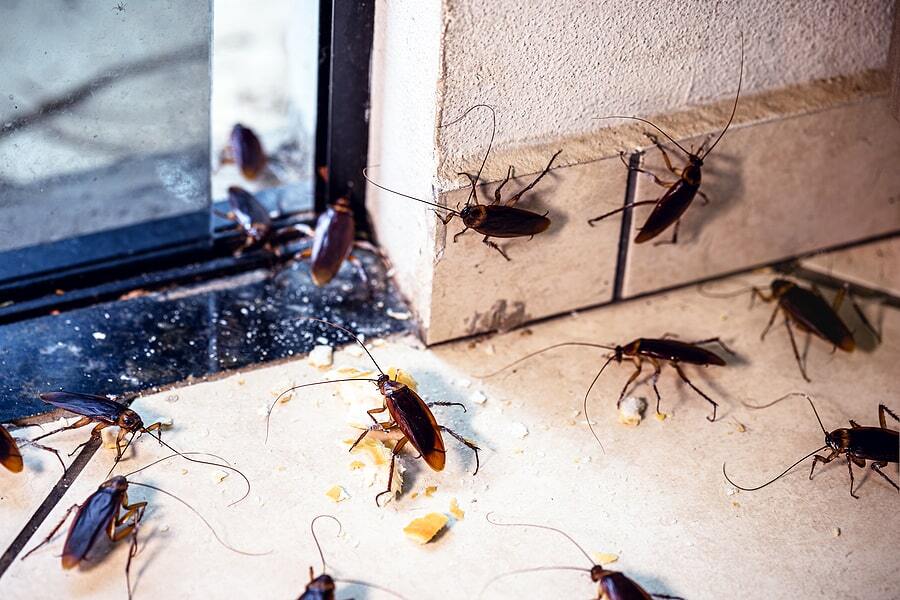
Have you ever wondered if cockroaches can survive when the temperature drops? You might think cold weather would keep these pests away, but the truth could surprise you.
Understanding how cockroaches handle the cold can help you protect your home better. Keep reading to discover what really happens to these resilient creatures when winter arrives—and what it means for you.
Cockroach Biology And Cold Tolerance
Cockroaches are notorious survivors, but their ability to withstand cold weather varies widely. Understanding their biology helps explain why some species manage to endure chilly conditions while others quickly perish. Let’s dive into the details of their body structure and how it impacts temperature regulation, along with the differences among species in cold resistance.
Body Structure And Temperature Regulation
Cockroaches have a tough exoskeleton made of chitin, which provides some insulation against the cold. However, their small size means they lose heat quickly, making it hard to survive freezing temperatures for long.
Unlike warm-blooded animals, cockroaches are cold-blooded, so their body temperature changes with the environment. When it gets cold, their metabolism slows down, reducing activity and energy use.
This slowdown can help them survive short cold spells, but prolonged exposure to freezing temperatures usually proves fatal. You might notice cockroaches hiding in warm, sheltered places indoors during winter because they can’t regulate their body heat effectively.
Species Variation In Cold Resistance
Not all cockroaches react the same to cold. Some species, like the German cockroach, thrive in warm indoor environments and struggle with cold exposure.
Others, such as the wood cockroach, live outdoors and have developed better cold tolerance. They can survive near-freezing temperatures by producing natural antifreeze chemicals in their bodies.
Have you ever wondered why some cockroaches suddenly appear in your home during winter? It’s often because cold-resistant species seek warmth inside to survive. Knowing which species you’re dealing with can help you predict their behavior and manage infestations more effectively.
Credit: reconpestservices.com
Effects Of Cold On Cockroach Behavior
Cold weather affects cockroach behavior in several ways. These insects are cold-blooded, so their body temperature depends on the environment. When temperatures drop, their movements slow down. Their survival depends on adapting to these changes quickly.
Activity Levels During Cold Weather
Cockroaches become less active in cold temperatures. They move slowly and eat less. Their metabolism drops to save energy. Most cockroaches hide in warm places to avoid the cold. Outdoors, they avoid exposure to freezing air. Low activity helps them survive until temperatures rise again.
Hibernation And Dormancy Patterns
Cockroaches do not hibernate like some animals. Instead, they enter a state called dormancy. During dormancy, their bodily functions slow down. They stay hidden in cracks or inside buildings. This state can last through cold spells. Dormancy reduces energy use and helps them survive harsh conditions.
Survival Mechanisms In Low Temperatures
Cockroaches have unique ways to survive cold weather. Their bodies adapt to low temperatures through special mechanisms. These survival tactics help them avoid freezing and keep vital functions working. Understanding these methods reveals how cockroaches endure harsh winters.
Antifreeze Proteins And Cryoprotectants
Cockroaches produce antifreeze proteins to fight ice formation in their bodies. These proteins stop ice crystals from growing inside cells. Without ice damage, cells stay healthy even in freezing conditions.
They also create cryoprotectants, which are natural chemicals like glycerol. Cryoprotectants lower the freezing point of body fluids. This prevents freezing and protects vital organs during cold spells.
Shelter Seeking And Microhabitats
Cockroaches seek warm shelters to avoid cold air. They hide in cracks, under leaves, or inside buildings. These places offer stable temperatures and protection from frost.
Microhabitats provide warmth and moisture. Cockroaches gather in groups to share body heat. Staying close helps them survive longer in low temperatures.
Limits Of Cold Survival
Understanding the limits of cold survival for cockroaches is key if you want to control or prevent infestations during winter. While many assume these pests vanish in cold weather, they actually have a surprising tolerance to low temperatures. However, there is a breaking point where the cold becomes lethal, and knowing this can help you manage your environment better.
Temperature Thresholds For Mortality
Cockroaches can survive temperatures just above freezing, but once it drops below a certain point, their survival rates plummet. Most species begin to die off when exposed to temperatures below 0°C (32°F)for extended periods.
Some cockroaches can withstand brief dips to around -5°C (23°F), but sustained exposure to these temperatures is usually fatal. It’s interesting to note that different species have slightly different thresholds. For example, the German cockroach struggles more with cold than the American cockroach, which can survive in cooler environments.
Impact Of Prolonged Exposure
Short bursts of cold might only slow cockroach activity, but longer exposure can cause permanent damage and death. Even if the temperature isn’t extremely low, staying in cold conditions for days or weeks weakens their metabolism and immune systems.
Have you ever noticed cockroaches hiding in warm spots during winter? This behavior is their natural way to avoid prolonged cold exposure. If your home has cracks or warm pipes, cockroaches will likely find refuge there, allowing them to survive until temperatures rise again.
Do you think simply lowering your thermostat will solve a cockroach problem? Not always. To truly limit their survival, you need to combine cold with sealing entry points and reducing indoor warmth where they hide.
Cockroach Infestations In Cold Climates
Cockroach infestations in cold climates present unique challenges. These pests cannot survive freezing temperatures outdoors. Yet, they often thrive inside heated buildings. Homes and businesses become their refuge during winter months. Understanding their behavior helps control infestations effectively.
Indoor Survival Strategies
Cockroaches seek warmth and food indoors when temperatures drop. They hide in cracks, behind appliances, and inside walls. Moisture sources like leaking pipes attract them. They can survive on tiny crumbs and even glue.
These pests slow down but stay active in warm places. They reproduce year-round inside heated spaces. Their eggs resist cold, allowing new cockroaches to hatch indoors. Regular cleaning and sealing entry points reduce their survival chances.
Seasonal Population Fluctuations
Cockroach numbers often rise in late summer and fall. Warmer seasons boost their breeding and activity. As cold weather arrives, outdoor populations decline sharply.
Indoor populations may increase during winter months. Cockroaches concentrate in warm, sheltered areas inside buildings. Spring brings a gradual rise in outdoor roach activity again. Monitoring and controlling indoor infestations year-round is essential.
Credit: hicare.in
Implications For Pest Control
Cockroaches can survive cold weather by hiding in warm places. This ability affects how pest control works during winter. Pest control must adjust to the pests’ behavior and environment. Understanding this helps keep homes pest-free all year.
Cold Weather Treatment Challenges
Cold weather makes cockroaches move indoors more often. They hide in warm, dark spots like kitchens and basements. Treating these areas is harder because pests stay hidden. Some pest control chemicals work less effectively in cold temperatures. This reduces the success of winter treatments. Pest control experts need to find cockroach nests carefully. Treatment timing also matters to catch pests before they spread.
Effective Winter Pest Management Tips
- Seal cracks and holes to block cockroach entry points.
- Keep indoor areas clean and dry to remove food and water.
- Use baits in hidden spots where cockroaches gather.
- Monitor with sticky traps to detect pest activity early.
- Apply treatments during warmer indoor conditions for better effect.
- Work with professionals for thorough inspections and plans.
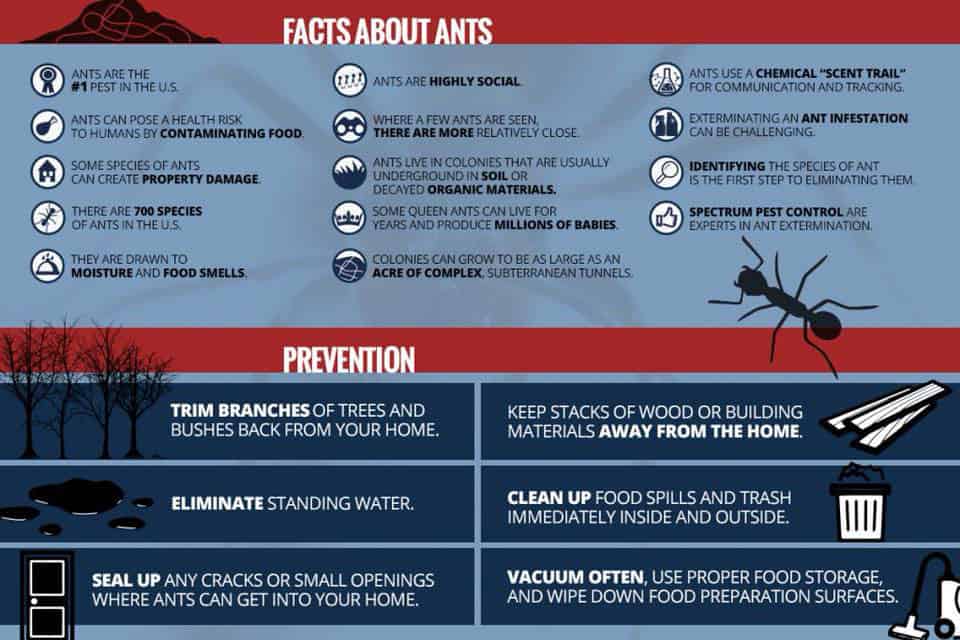
Credit: www.cleanandgreenpest.com.au
Frequently Asked Questions
Can Cockroaches Withstand Freezing Temperatures?
Cockroaches struggle to survive in freezing temperatures. They prefer warmer environments for breeding and activity. When exposed to cold, their metabolic processes slow down significantly. Prolonged exposure to freezing temperatures can lead to their death.
Do Cockroaches Hibernate In Cold Weather?
Cockroaches do not truly hibernate but enter a state of dormancy. During cold weather, their activity decreases, and they seek shelter. They find warmer places to wait until conditions improve.
How Do Cockroaches Survive Winter?
Cockroaches survive winter by seeking warm shelters like homes. They hide in cracks, crevices, and warm appliances. This helps them avoid the cold and continue their life cycle.
Are Cockroaches More Active In Summer?
Yes, cockroaches are more active in summer due to warmer temperatures. Heat accelerates their metabolism, increasing activity and reproduction rates. They thrive in warm, humid conditions.
Conclusion
Cockroaches are tough insects that can survive cold weather. They slow down but don’t die easily. Some find warm places to hide and stay safe. Cold alone does not kill them quickly. Knowing this helps protect your home better. Keep your house clean and seal cracks tight.
This stops cockroaches from coming inside. Stay alert during winter months to avoid surprises. Understanding their habits makes pest control easier. Cold weather is not enough to get rid of them. Stay prepared and keep pests away all year.