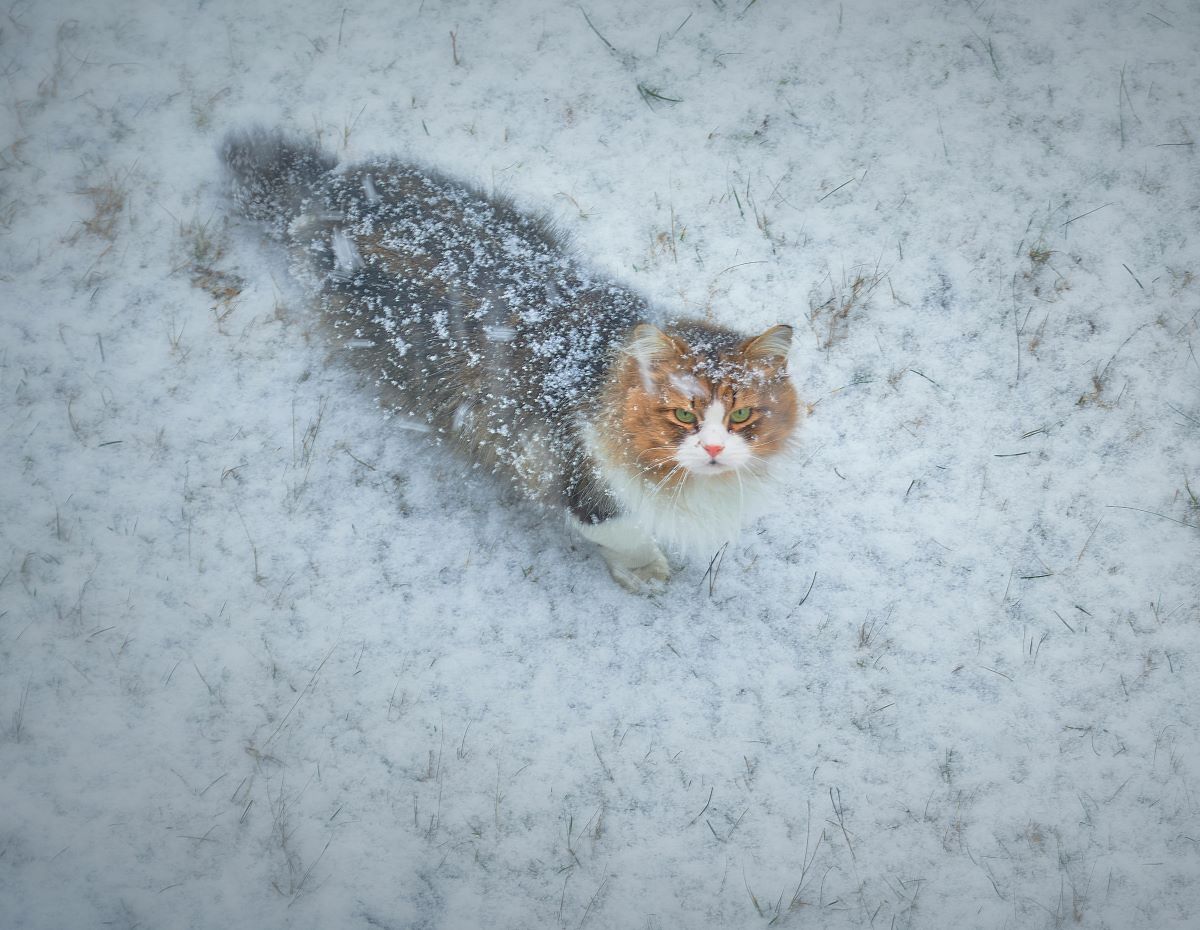
Have you ever wondered if your cat can handle chilly days when the temperature drops to 16 degrees? You might be surprised to learn how these furry friends react to cold weather.
Understanding how your cat copes with the cold is crucial to keeping them safe and comfortable. Keep reading to discover what 16-degree weather really means for your cat’s health and what you can do to protect them when the temperature drops.
Cats And Cold Weather
Cold weather affects cats in different ways, and understanding how your feline friend handles low temperatures is important. Cats, being creatures of comfort, often seek warmth but their ability to survive and stay healthy in cold climates depends on several factors. Let’s look closely at how cats react to chilly weather and why some breeds handle cold better than others.
How Cats React To Cold
When temperatures drop to around 16 degrees Celsius (about 60 degrees Fahrenheit), many cats start feeling uncomfortable. You might notice your cat curling into tight balls or searching for cozy spots in the house. Cats naturally try to conserve body heat by reducing movement and fluffing up their fur to trap warmth.
If your cat spends time outdoors, watch for signs of shivering or lethargy. These can indicate that the cold is affecting them negatively. Some cats may eat more to generate extra body heat, while others might hide or become less active.
Breed Differences In Cold Tolerance
Not all cats handle cold weather the same way. Some breeds have thicker fur and a natural insulation layer that helps them stay warm. For example:
- Maine Coonsand Norwegian Forest Catshave dense, water-resistant coats that protect them in low temperatures.
- Sphynx cats, on the other hand, have little to no fur and feel the cold much more intensely, requiring extra care indoors.
Knowing your cat’s breed can help you decide if they need additional warmth or shelter during colder days. Have you noticed if your cat prefers sunny windows or heated beds when it’s chilly? These small habits reveal a lot about their comfort levels.

Credit: www.reddit.com
Risks Of 16 Degree Weather
Sixteen-degree weather is cold for cats. They are warm-blooded but not built for freezing temperatures. Prolonged exposure to this cold can cause serious health problems. Their body temperature can drop quickly. Without shelter or warmth, cats risk life-threatening conditions.
Cold weather stresses a cat’s body. It tries to keep warm by using more energy. If the cat cannot stay warm, its organs suffer. This can lead to sickness or even death.
Health Issues From Cold Exposure
Cold weather can cause several health problems in cats. These include:
- Frostbite – skin and tissue freeze, especially on ears, paws, and tail
- Hypothermia – dangerous drop in body temperature
- Respiratory infections – cold air irritates lungs and throat
- Weak immune system – harder to fight off diseases
- Joint pain – cold worsens arthritis in older cats
These conditions can develop fast in 16-degree weather without warmth and care.
Signs Of Hypothermia In Cats
Hypothermia is a serious risk in cold weather. Watch for these signs:
- Shivering or trembling
- Slow or weak pulse
- Low body temperature (below 99°F)
- Weakness or lethargy
- Cold, pale, or blue gums
- Stiff muscles or difficulty moving
- Slow breathing or shallow breaths
Recognizing hypothermia early can save a cat’s life. Immediate warming and vet care are crucial.
Creating A Warm Shelter
Keeping cats warm in cold weather is crucial for their health. Creating a warm shelter helps cats stay safe and comfortable. Proper shelter protects them from cold winds and moisture. Cats feel secure in a cozy, dry place. Below are ways to create warm shelters indoors and outdoors.
Indoor Safe Spaces
Indoor spaces provide the best protection against cold weather. Choose a quiet room away from drafts. Add soft bedding like blankets or pet beds. A box lined with towels works well too. Place the shelter near a heat source but keep it safe from hazards.
- Use insulated pet beds or heated pads made for animals.
- Keep the area dry to prevent chills.
- Limit the space to make it easier to keep warm.
- Provide fresh water nearby to keep cats hydrated.
Outdoor Shelter Options
Some cats stay outside, so outdoor shelters must be warm and safe. Use sturdy materials like wood or plastic to build the shelter. Insulate with straw or foam panels to trap heat. Avoid using blankets outside as they get wet and cold.
- Place the shelter in a sheltered spot, away from wind and rain.
- Elevate the shelter off the ground to keep it dry.
- Make a small entrance to keep warmth inside.
- Add a flap door to block cold air.
Feeding And Hydration Tips
Feeding and hydration play a key role in helping cats survive cold weather. At 16 degrees, cats need more energy to keep warm. Their food and water must support this extra effort.
Nutritional Needs In Cold
Cold weather raises a cat’s energy needs. They burn more calories just to stay warm. Feeding high-quality protein helps maintain muscle and body heat.
Offer meals rich in fats. Fat provides long-lasting energy and warmth. Choose foods with balanced vitamins and minerals to support overall health.
- Increase meal frequency to keep energy steady.
- Provide nutrient-dense wet or dry cat food.
- Include treats with healthy fats for extra calories.
Ensuring Fresh Water Access
Hydration is vital, especially in cold weather. Cats may drink less if water is cold or frozen. Always check water bowls to keep water fresh and liquid.
- Use heated water bowls if possible.
- Change water at least twice daily.
- Place bowls in warm, accessible spots.
Proper hydration supports digestion and circulation. It also helps regulate body temperature in chilly conditions.
Clothing And Protective Gear
Cats have natural fur coats, but cold weather can still be tough for them. Clothing and protective gear help keep cats warm and safe in low temperatures. These items provide extra warmth and protect sensitive paws and bodies from cold surfaces and wind. Choosing the right gear can make outdoor time more comfortable for your cat.
Using Cat Sweaters
Cat sweaters give extra warmth without limiting movement. They are soft and fit snugly on a cat’s body. Sweaters help keep body heat close, especially for short-haired or older cats. Choose sweaters made from breathable materials to avoid overheating. Always check that the sweater is not too tight or loose. A good fit helps your cat stay comfortable and warm.
When To Use Booties And Blankets
Booties protect cats’ paws from cold, ice, and salt. Cats that walk outside in winter may benefit from booties. Look for booties with soft, non-slip soles for comfort and safety. Blankets are helpful for indoor cats exposed to drafts or chilly rooms. Provide warm, soft blankets in your cat’s resting areas. Use blankets to wrap your cat gently when needed for extra warmth.
Credit: therescuevets.com
Monitoring And Care
Keeping your cat safe in 16-degree weather means watching them closely and providing the right care. Even if your pet seems okay, cold temperatures can affect their health in subtle ways. Paying attention to their behavior and condition can make a big difference in preventing serious problems.
Regular Health Checks
Check your cat’s body temperature and look for signs of discomfort like shivering or lethargy. Cold weather can slow down their metabolism, so watch for unusual tiredness or lack of appetite. Inspect their paws frequently for cracks or redness caused by cold surfaces or ice.
Make sure your cat has a warm, dry place to rest. You might notice they curl up more tightly or seek out blankets and soft bedding. These small signals tell you they need extra warmth and care.
When To Seek Veterinary Help
Contact your vet if your cat shows persistent shivering, difficulty breathing, or weakness. These could be signs of hypothermia or respiratory infections triggered by the cold. Don’t wait if your cat refuses food or water for more than 24 hours; dehydration and malnutrition can quickly become dangerous.
Also, watch for unusual behavior like confusion or unsteady movements. These symptoms require immediate professional attention to prevent further harm. Could you recognize early warning signs before it’s too late?

Credit: www.reddit.com
Frequently Asked Questions
Can Cats Tolerate 16 Degree Weather?
Cats can tolerate cold weather to some extent, but 16 degrees is quite cold for them. They may survive short exposure, but prolonged exposure can lead to hypothermia. It’s crucial to provide a warm shelter and ensure they have access to food and water to maintain their body temperature.
How Can I Keep My Cat Warm Outside?
To keep your cat warm outside, provide a weatherproof shelter with insulation. Use straw bedding, as it repels moisture and retains heat. Ensure the shelter is elevated to prevent moisture ingress. Check regularly to ensure your cat has access to food and unfrozen water, especially in freezing conditions.
What Are The Signs Of A Cat Being Cold?
Signs of a cold cat include shivering, curling up tightly, and seeking warm places. They may also have cold ears, paws, and tail. If your cat is reluctant to move or seems lethargic, it could be a sign of hypothermia.
Always monitor your cat’s behavior in cold weather.
Can Indoor Cats Adapt To Cold Weather?
Indoor cats are less adapted to cold weather compared to outdoor cats. They may struggle with sudden temperature drops. It’s important to ensure indoor cats have warm, draft-free areas. Consider providing heated beds or blankets, especially if your home’s temperature drops significantly during winter months.
Conclusion
Cats can handle 16-degree weather for short times. They need warm places to rest and shelter from wind. Wet or windy cold can make them very sick. Always watch your cat’s behavior outside in cold weather. Bring them indoors if they shiver or seem weak.
Providing food and water helps keep their energy up. Protecting cats from cold keeps them happy and healthy. Small steps make a big difference for your pet’s safety. Stay aware and care for your cat during chilly days.