You rely on your survival kit to keep you safe when it matters most. But how often do you check if it’s still ready for action?
Knowing the inspection period for your survival kit can make the difference between being prepared and facing unexpected trouble. You’ll discover exactly when and how to inspect your kit to ensure it works perfectly when you need it. Keep reading—your safety depends on it.
Inspection Period Basics
The inspection period for a survival kit ensures the kit remains ready and reliable. It involves checking every item for damage, expiration, or wear. Regular inspections help maintain safety and preparedness. Knowing the basics of inspection periods helps users keep their kits in top shape.
Definition And Purpose
The inspection period is the time between kit checks. It helps identify expired or broken items before use. The purpose is to keep the survival kit functional. It also prevents surprises during emergencies. Inspections protect your safety and increase kit reliability.
Typical Timeframes
Inspection periods vary depending on kit type and contents. Most kits need a check every 6 to 12 months. Some items, like food and medicine, may require more frequent checks. Batteries and water supplies also need regular attention. A good rule is to set reminders for periodic inspections.

Credit: www.cfinotebook.net
Factors Influencing Inspection Frequency
The inspection period for a survival kit depends on several key factors. These factors determine how often you should check and replace items. Regular inspections keep the kit ready and reliable in emergencies.
Kit Contents And Shelf Life
Each item in a survival kit has a different shelf life. Food and water supplies expire faster than tools or blankets. Check expiration dates on consumables like energy bars and water packets. Replace expired or damaged items promptly. Some tools may need maintenance to stay functional. Knowing the shelf life helps set inspection schedules.
Environmental Conditions
Where you store your survival kit affects inspection frequency. Humid or hot places speed up item deterioration. Moisture can damage packaging and cause rust on metal tools. Cold environments might freeze water or batteries. Store kits in cool, dry places. Inspect more often if the kit faces harsh conditions.
Usage And Exposure
How often you use or move the kit matters. Frequent use means faster wear and tear on items. Exposure to sunlight or dust can weaken packaging. After each use, check for missing or broken components. Inspect more often if the kit is carried on trips or outdoor activities. This ensures the kit remains complete and functional.
Key Items To Inspect
Inspecting your survival kit regularly is crucial to ensure every item is ready when you need it most. Focusing on the key items helps you avoid unpleasant surprises during emergencies. Let’s look closely at what you should check and why it matters.
Food And Water Supplies
Check expiration dates on canned or packaged foods and replace anything expired. Look for any signs of damage like bulging cans or torn packaging that could mean contamination. Don’t forget to rotate your water supply every six months to keep it fresh and safe to drink.
Have you ever opened a survival kit only to find spoiled food? That’s why inspecting your food and water regularly saves you from unpleasant and potentially dangerous situations.
Medical Supplies
Examine bandages, antiseptics, and medications for expiration dates and usability. Medicines lose effectiveness over time, so replace expired pills promptly. Make sure your first aid items are complete and clean, so you won’t waste time searching during an emergency.
Think about your last kit check: did you find missing items or dried-out ointments? Keeping your medical supplies up to date could be the difference between quick treatment and a worsening injury.
Tools And Equipment
Inspect tools like knives, multi-tools, and fire starters for rust, damage, or wear. Test your fire starter or lighter to ensure it still works. Tighten any loose screws or parts and oil mechanical tools to keep them functional.
Imagine needing to start a fire in the wild, only to find your lighter dead or your knife dull. Regular checks prevent these frustrating moments and keep your equipment reliable.
Batteries And Electronics
Check batteries for leaks and charge levels, replacing any that are old or damaged. Test flashlights, radios, and other electronics to confirm they power on and function correctly. Store spare batteries separately to avoid corrosion and carry a variety of sizes if possible.
Have you ever grabbed a flashlight only to find dead batteries inside? Keeping your electronics in working order ensures you stay connected and visible when it counts.

Credit: www.safetybuyer.com
Inspection Procedures
Regular inspection of your survival kit is essential to ensure it performs well when you need it most. Inspection procedures help you spot worn-out items, expired supplies, and malfunctioning tools before an emergency arises. Let’s break down the key steps to keep your kit reliable and ready.
Visual Checks
Start by carefully examining every item in your kit. Look for cracks, rust, or damage on tools and containers. Check if packaging is intact and if any items appear swollen, discolored, or leaking.
Don’t overlook the smaller details, like frayed straps or missing caps on bottles. These signs often indicate the item may fail under stress. How often do you take the time to inspect your kit this closely?
Functionality Tests
Next, test the function of critical equipment. Try lighting your fire starter or checking your flashlight batteries. Make sure knives are sharp and tools operate smoothly.
Testing helps you avoid surprises in a real situation. If something doesn’t work, replace or repair it immediately. When was the last time you physically used your survival gear to confirm it still performs?
Expiration Date Tracking
Many survival items have expiration dates, especially food, water, and medical supplies. Keep a list or use labels to track these dates clearly. Remove anything expired and replace it promptly.
Keeping track of expiration is simple but often ignored. Could your survival kit fail due to outdated supplies? Staying on top of this detail ensures your kit stays effective over time.
Record Keeping And Maintenance
Keeping your survival kit in top shape means more than just packing it once and forgetting it. Record keeping and maintenance play a crucial role in ensuring everything inside is ready when you need it most. Without a clear system, expired items or missing essentials can leave you unprepared in an emergency.
Inspection Logs
Maintaining a detailed inspection log helps you track what’s in your survival kit and when each item was last checked. Use a simple notebook or a digital spreadsheet to record dates, item conditions, and any replacements made. This habit lets you spot patterns, like which items tend to expire quickly, so you can plan your future inspections better.
For example, I once neglected to log the expiration dates on my water purification tablets. During an unexpected power outage, I discovered they were no longer effective. If you keep an inspection log, you avoid these surprises and build confidence in your kit’s reliability.
Replacing Expired Or Damaged Items
Regularly replacing expired or damaged items is key to keeping your survival kit functional. Check labels on food, medicine, and batteries, and swap out anything past its expiration date immediately. Don’t overlook small items like bandages or matches—they can degrade over time and fail when needed most.
Ask yourself: How often do you inspect your kit? Quarterly checks can catch problems early. Keep spare items on hand, so replacements are quick and hassle-free. This simple step ensures your kit is always mission-ready.
Storage Best Practices
Where and how you store your survival kit affects its longevity and accessibility. Choose a cool, dry place away from direct sunlight to prevent damage from heat and moisture. Avoid storing it in places prone to flooding or extreme temperature swings.
Use waterproof containers or sealable bags to protect contents from environmental damage. Label your storage clearly so everyone in your household can find it quickly. Have you tested how easy it is to grab your kit in an emergency? Accessibility matters as much as what’s inside.
Tips To Extend Kit Longevity
Extending the life of a survival kit ensures it stays ready for emergencies. Proper care protects supplies from damage and spoilage. Small efforts can keep your kit useful for years. Following simple tips helps maintain the kit’s quality and effectiveness.
Proper Packaging
Use airtight containers to keep moisture out. Seal food and medicine in vacuum bags. Choose durable boxes or waterproof bags for protection. Keep items organized to avoid damage during handling. Clear labeling helps find supplies quickly.
Controlled Environment Storage
Store the kit in a cool, dry place. Avoid direct sunlight and extreme temperatures. Keep the kit away from damp areas to prevent mold. A stable environment slows down material degradation. Check storage spots regularly for any changes.
Regular Updates
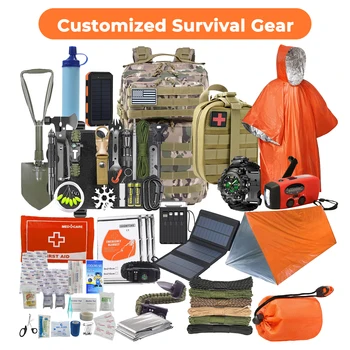
Check expiration dates on food and medicine often. Replace expired or damaged items immediately. Review the kit’s contents every six months. Update supplies based on changing needs or seasons. Keep a checklist to track your inventory easily.
Credit: www.alibaba.com
Frequently Asked Questions
How Often Should You Inspect A Survival Kit?
A survival kit should be inspected every six months. Regular checks ensure all items are functional and not expired. Replace expired or damaged items immediately to maintain safety. Regular inspections ensure your kit is ready for emergencies.
What Should You Check During An Inspection?
During an inspection, check expiration dates and functionality of all items. Ensure food, water, and batteries are usable. Replace any missing or damaged components. Verify that the survival kit is easily accessible and organized.
Why Is Regular Inspection Important For A Survival Kit?
Regular inspections ensure the survival kit is complete and functional. This readiness is crucial during emergencies. Inspections help identify expired items or damages. Keeping the kit updated ensures reliability when needed most.
What Items Expire In A Survival Kit?
Items like food, water, batteries, and medicines expire in a survival kit. Check expiration dates regularly. Replace them as necessary to maintain kit effectiveness. Keeping these items updated ensures they work properly during an emergency.
Conclusion
Regularly checking your survival kit keeps it ready for emergencies. Inspection periods help ensure all items work well and are not expired. Set a schedule to review your kit every few months. Replace any old or damaged supplies quickly. A well-maintained kit can make a big difference in tough situations.
Stay prepared by making inspection a simple habit. Safety starts with small, regular steps.