Have you ever wondered if Chincoteague ponies can handle freezing temperatures? If you’re curious about how these small but sturdy horses survive the cold, you’re in the right place.
Understanding their natural defenses against chilly weather not only surprises many but also reveals lessons about resilience and adaptation. Keep reading to discover how these ponies brave winter’s harsh grip—and what it means for their survival and your fascination with these remarkable animals.
Chincoteague Ponies’ Natural Habitat
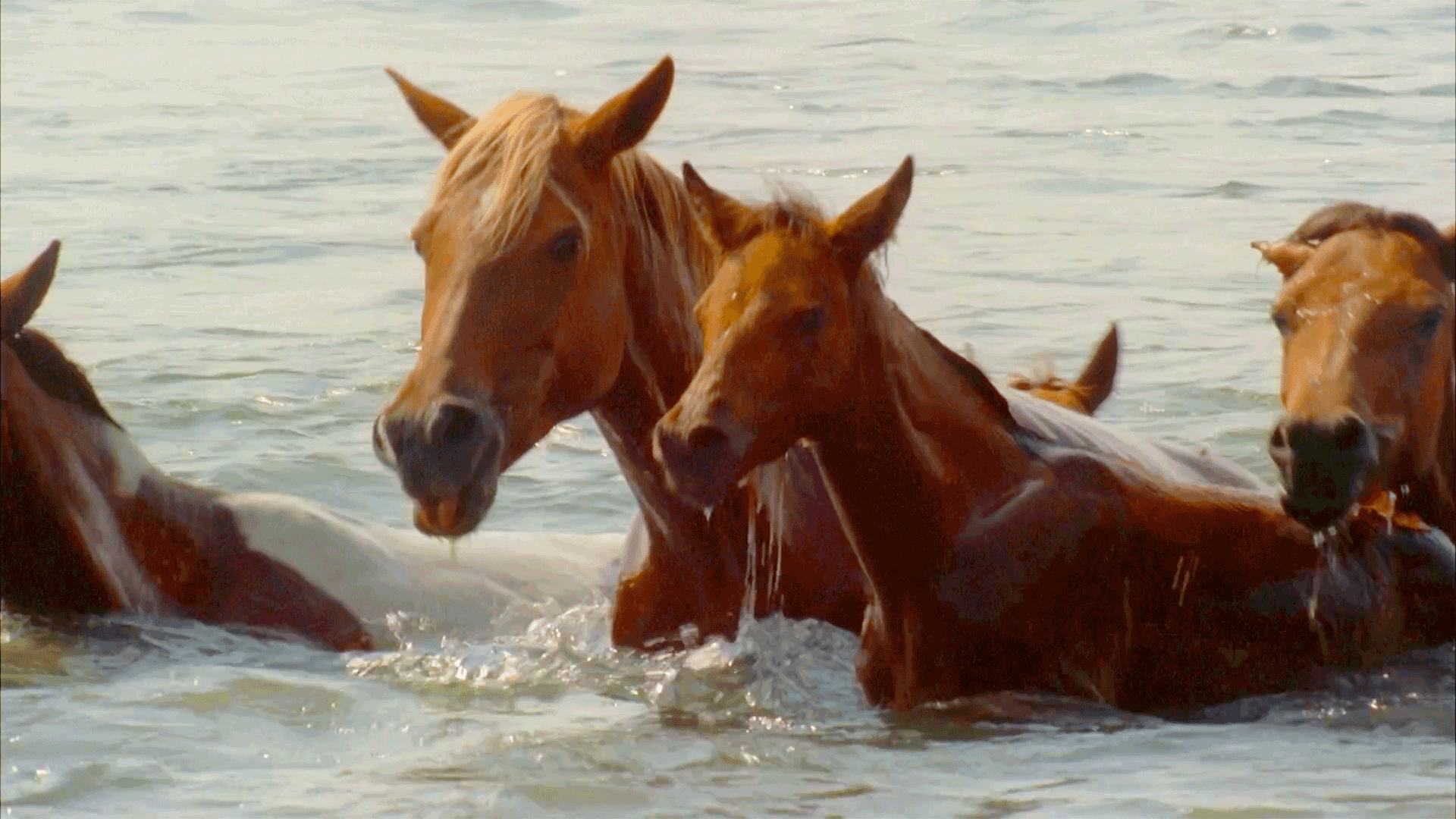
The Chincoteague ponies live on a unique barrier island. This island offers a mix of marshes, sandy beaches, and grasslands. These ponies have adapted to this environment over many years. Their natural habitat shapes their behavior and survival skills. The climate here plays a big role in how they live and thrive. Understanding their habitat helps explain how they handle cold weather.
Geography And Climate
Chincoteague Island is off the coast of Virginia and Maryland. It is a flat, sandy land surrounded by water. The island’s soil is salty and sandy, supporting tough grasses. These plants provide food for the ponies. The climate is coastal, with mild summers and cool winters. The ocean nearby helps keep temperatures from changing too fast. Winds can be strong, especially in winter. This environment is challenging but stable for the ponies.
Seasonal Weather Patterns
Winter on Chincoteague Island brings cold air and occasional snow. Temperatures often drop below freezing at night. Daytime can be warmer due to sunlight and ocean breezes. Storms from the Atlantic can bring heavy rain and strong winds. The ponies face wet and cold conditions but find shelter in grasses and shrubs. They grow thick winter coats to keep warm. Their natural habitat prepares them well for these seasonal changes.
Physical Traits That Aid Survival
Chincoteague ponies have special physical traits that help them survive cold weather. These traits keep them warm and protect them from harsh conditions. Their bodies are naturally built to handle cold temperatures. Understanding these traits shows how they thrive in winter.
Coat And Insulation
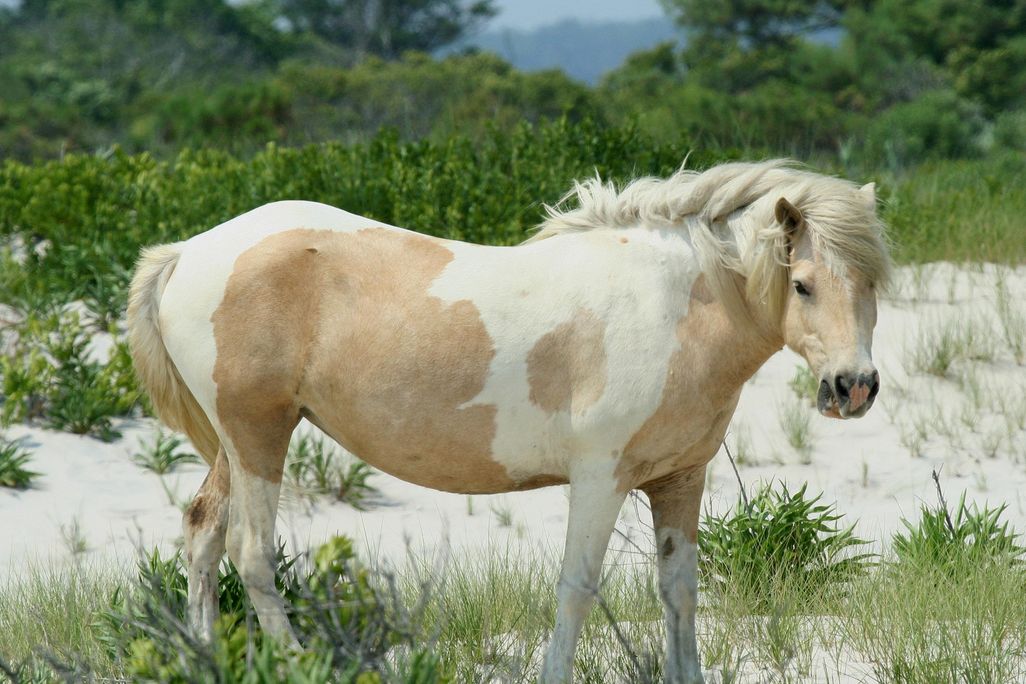
Chincoteague ponies grow a thick winter coat. This coat acts like a warm blanket. It traps heat close to their skin. The hair is long and dense, blocking cold winds and snow. The undercoat is soft and thick, adding extra insulation. This natural layer keeps the ponies warm without extra help.
Body Fat And Muscle
These ponies store fat under their skin. This fat layer works as insulation. It stops body heat from escaping. Their muscles are strong and help generate heat. Muscle activity raises their body temperature during cold days. Together, fat and muscle keep the ponies warm and active.
Behavioral Adaptations In Winter
Chincoteague ponies show smart behavior to survive cold winters. Their actions help them stay warm and find food despite harsh weather. These ponies rely on group living and smart searching for food to face winter challenges.
Herd Dynamics
Chincoteague ponies stay close to each other in winter. They huddle together to share body heat and block cold winds. This group warmth helps them keep their body temperature steady. Ponies also take turns standing on the outside of the group. This way, no single pony stays in the cold for too long. The herd’s strong social bonds help them survive tough winter days.
Foraging Strategies
Finding food in winter is tough for Chincoteague ponies. They change their feeding habits to save energy. Ponies eat tougher plants that still grow under snow or ice. They use their strong teeth to bite through frozen grass and shrubs. Ponies also travel shorter distances to find food, avoiding too much energy use. Their careful foraging keeps them nourished until spring returns.

Credit: www.reddit.com
Challenges Faced During Cold Months
Chincoteague ponies face several challenges during the cold months that test their survival skills. The winter season brings limited resources and harsh environmental conditions. Understanding these difficulties helps you appreciate how resilient these ponies truly are and what measures might be necessary to support them.
Food Scarcity
Finding enough food becomes a serious challenge for Chincoteague ponies in winter. Snow and frozen ground cover the grasses and plants they usually graze on. This scarcity forces them to search harder and travel further for nourishment.
Without adequate food, their energy reserves drop, making it harder to stay warm. You might notice that ponies in colder areas often lose weight during winter. Have you considered how natural food shortages affect the health of wild animals near you?
Exposure To Harsh Elements
Cold winds, ice, and snow can take a heavy toll on these ponies. Their thick coats provide some insulation, but constant exposure to wet and freezing conditions wears them down. The lack of natural shelter on open marshlands increases their vulnerability.
Wind chill can make already low temperatures feel much colder, putting extra stress on their bodies. Observing the ponies’ behavior, you might see them huddling together for warmth or seeking any available shelter. How do you think these animals adapt their habits to survive such relentless weather?
Human Intervention And Care
Chincoteague ponies are tough animals, but harsh winter conditions can push their limits. Human intervention plays a crucial role in helping these ponies survive cold weather. Your care can make a real difference in their health and comfort during freezing temperatures.
Supplemental Feeding
Natural forage often becomes scarce or buried under snow in winter. Providing extra hay or grain helps ponies maintain their energy levels and body heat. You might notice how they perk up immediately when you offer fresh food during cold snaps.
Make sure the feed is easy to digest and rich in nutrients. Adding a salt block nearby encourages them to stay hydrated and supports their electrolyte balance. Have you ever seen a pony eagerly lick a salt block on a chilly morning? That’s a simple sign they need your help.
Shelter And Protection
Though Chincoteague ponies have thick coats, they still need shelter from biting winds and heavy snow. A sturdy windbreak or simple barn structure can shield them from the worst weather. Positioning the shelter to face away from prevailing winds enhances its effectiveness.
Keep the shelter clean and dry to prevent illness. Straw bedding provides insulation and comfort. Think about how you feel stepping into a warm, dry room after being outside in the cold—that’s how your ponies benefit from a well-maintained shelter.
Credit: www.smithsonianmag.com
Comparisons With Other Pony Breeds
Chincoteague ponies face cold weather differently than other pony breeds. Their ability to handle winter depends on their natural traits and environment. Comparing these ponies to other breeds helps us understand their strengths and limits. Each pony breed has unique features that affect how well they survive cold seasons.
Some ponies come from colder regions and have thick coats. Others have adapted to milder climates with thinner fur. These differences show in their cold weather tolerance and survival rates. Knowing this helps owners prepare better for winter care.
Cold Weather Tolerance
Chincoteague ponies grow a thick, dense coat in winter. This helps trap heat close to their bodies. They have strong hooves for icy and snowy ground. Their small size means they need more energy to stay warm.
Other pony breeds like the Icelandic or Shetland ponies have even thicker coats. They live in harsher climates and are naturally more cold-hardy. These breeds can withstand lower temperatures with less shelter.
Chincoteague ponies tolerate cold well but may need extra protection. Blankets and windbreaks help on very cold or wet days. They rely on good nutrition to keep their body heat up.
Survival Rates
| Pony Breed | Typical Cold Weather Habitat | Survival Rate in Harsh Winter (%) |
|---|---|---|
| Chincoteague Pony | Coastal, moderate cold | 85 |
| Shetland Pony | Cold, windy islands | 95 |
| Icelandic Pony | Arctic cold, snowy | 98 |
Chincoteague ponies survive most winters but face challenges in extreme cold. Shetland and Icelandic ponies have higher survival rates due to stronger cold adaptations. Proper care boosts survival chances for all pony breeds.
Signs Of Stress In Cold Weather
Chincoteague ponies are tough animals but cold weather can still affect them. It is important to recognize signs of stress early. Stress can weaken their health and make survival harder. Knowing what to watch for helps protect these ponies during winter.
Physical Symptoms
- Shivering or trembling often signals cold stress.
- Droopy ears and lowered head show discomfort.
- Coat may appear dull or wet, losing its warmth.
- Weight loss can happen if ponies eat less or burn more energy.
- Frostbite may cause pale or darkened skin on ears, tail, or legs.
- Breathing might become rapid or shallow, indicating stress.
Behavioral Changes
- Ponies may huddle tightly together for warmth.
- They could move less to save energy.
- Some might seek shelter more often or hide.
- Loss of appetite is a common stress sign.
- Restlessness, such as pacing, can indicate discomfort.
- Increased vocalizing may happen due to distress.

Credit: www.yahoo.com
Tips For Supporting Ponies In Winter
Supporting Chincoteague ponies during winter requires attention to their unique needs. Cold weather can challenge their health and safety, but with the right care, your ponies can thrive even in harsh conditions. Let’s look at practical ways to help your ponies stay strong and secure throughout the chilly months.
Maintaining Health
Keep a close eye on your pony’s weight during winter. They burn more calories staying warm, so provide extra hay to help them maintain body heat.
Fresh water is essential but often overlooked when temperatures drop. Use heated water buckets to prevent freezing and encourage drinking.
Regular grooming helps spot issues like skin infections or frostbite early. It also improves circulation, which is vital for cold weather health.
Ensuring Safety
Check shelter conditions often. Your ponies need windbreaks and dry bedding to avoid hypothermia and illness.
Ice and snow can create slippery surfaces. Clear paths where your ponies walk to prevent falls and injuries.
Think about your pony’s hooves too. Snow can pack into hooves, causing discomfort or slips. Use hoof boots or regular cleaning to keep them safe.
Frequently Asked Questions
How Do Chincoteague Ponies Cope With Cold Weather?
Chincoteague Ponies are well-adapted to cold weather. Their thick winter coats provide insulation against the chill. They also huddle together for warmth and shelter in wooded areas. Their natural instincts help them find food and water, even when resources are scarce.
These adaptations ensure their survival during harsh winters.
Do Chincoteague Ponies Need Human Help In Winter?
Generally, Chincoteague Ponies survive without human intervention. However, in extremely harsh conditions, supplemental feeding may be necessary. Local organizations monitor their health and intervene if needed. Providing hay or ensuring access to unfrozen water can help. These measures support their natural ability to endure winter.
What Do Chincoteague Ponies Eat During Winter?
During winter, Chincoteague Ponies primarily graze on marsh grasses. These grasses remain available even in colder months. They may also forage for other vegetation and seaweed. In scarce conditions, supplemental hay may be provided by local caretakers. Their diet ensures they receive necessary nutrients during winter.
Can Cold Weather Affect Chincoteague Ponies’ Health?
Extreme cold can impact their health, causing stress or illness. However, their thick coats and natural behaviors minimize risks. They seek shelter and huddle for warmth, reducing exposure. Regular monitoring by organizations helps ensure their well-being. Timely intervention can prevent health issues during severe cold spells.
Conclusion
Chincoteague ponies handle cold weather better than many expect. Their thick coats keep them warm through winter months. They find shelter naturally in marshes and woods nearby. These ponies also eat enough grass and plants to stay healthy. Cold does not stop their strong, hardy nature.
Watching them adapt shows their true resilience. They live well in chilly conditions with little trouble. Their survival skills make them special and unique. This ability helps them thrive year after year. Understanding their strength helps us appreciate these ponies more.