Have you ever wondered which animal can survive the coldest weather on Earth? Imagine facing freezing temperatures that would freeze most creatures instantly—yet some animals not only survive but thrive in these harsh conditions.
You’ll discover the incredible adaptations that help these animals beat the cold and what makes them true champions of survival. Keep reading, because you’ll be amazed at how nature’s toughest creatures conquer the cold like no other.

Credit: www.timesnownews.com
Extreme Cold Environments
Extreme cold environments are some of the harshest places on Earth. These regions challenge animals to survive freezing temperatures and scarce food. Life here demands unique adaptations and resilience. Animals must endure icy winds, frozen grounds, and limited shelter. Understanding these environments helps us see how some creatures thrive against the odds.
Polar Regions And Their Challenges
The polar regions include the Arctic and Antarctica. Both are covered in ice and snow most of the year. These areas face months of darkness and intense cold. Temperatures can drop below -50 degrees Celsius. The landscape offers little protection from storms and wind. Food is often limited to certain seasons. Animals here must cope with long winters and brief summers. They depend on thick fur, fat layers, or special behaviors to survive.
Temperature Extremes And Survival Threats
Extreme cold affects body functions and energy use. Animals risk freezing and starvation. Ice can block access to water and food. Sudden weather changes may cause danger. Survival depends on physical traits and habits. Some animals hibernate to save energy. Others migrate to warmer zones. Many grow thick coats or store fat. These adaptations reduce heat loss and keep them alive. Cold environments test every part of an animal’s life.
Top Cold-weather Survivors
Surviving extreme cold is no small feat, yet some animals thrive where others would perish. These creatures have evolved remarkable traits that help them endure freezing temperatures and scarce resources. Understanding their adaptations can inspire you to appreciate nature’s resilience and maybe even apply some cold-weather survival tips yourself.
Arctic Fox Adaptations
The Arctic fox sports a thick, multi-layered coat that changes color with the seasons, blending into snowy landscapes in winter and tundra in summer. Its compact body shape reduces heat loss, and furry paws act like natural snowshoes, preventing it from sinking into the snow.
What would it be like to have fur that adjusts to your environment automatically? The Arctic fox also stores fat to provide energy during scarce food times, showing how preparation is key when facing harsh conditions.
Emperor Penguin Endurance
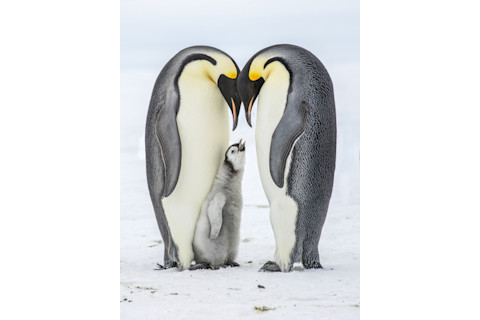
Emperor penguins endure Antarctic winters by huddling together for warmth, sharing body heat in large groups. Their dense feathers and a layer of blubber provide excellent insulation against chilling winds.
Imagine standing outside in freezing weather for hours—these penguins do it to protect their eggs and chicks. Their ability to slow metabolism and reduce oxygen use helps them survive long periods without food.
Musk Ox Resilience
Musk oxen have thick, woolly undercoats called qiviut, one of the warmest natural fibers known. They face cold winds by forming protective circles, shielding calves in the center from icy blasts.
Have you noticed how teamwork can make tough situations easier? Musk oxen demonstrate that cooperation is vital for survival in freezing environments.
Snowy Owl Hunting Strategies
Snowy owls rely on sharp eyesight and silent flight to hunt in snowy terrains where prey is scarce. Their feathers cover even their feet, keeping them warm while they perch and wait patiently.
What can you learn from their patience and precision? By hunting during daylight, these owls maximize limited opportunities when prey is most visible, showing the power of adapting behavior to your environment.
Unique Adaptations For Cold
The animals that survive the coldest weather show incredible adaptations designed to protect them from freezing temperatures. These adaptations go beyond just thick fur or fat; they are finely tuned survival tools shaped by harsh environments. Understanding these unique features can give you a fresh perspective on how life persists against the odds.
Insulating Fur And Feathers
Thick fur and dense feathers trap heat close to the body, creating a natural barrier against the cold. Animals like the Arctic fox have fur that changes color with the seasons, providing camouflage and extra insulation. You might notice how some birds fluff up their feathers to create air pockets, which act as tiny heat insulators—something you can try by puffing up your own jacket to keep warm.
Fat Layers And Energy Storage
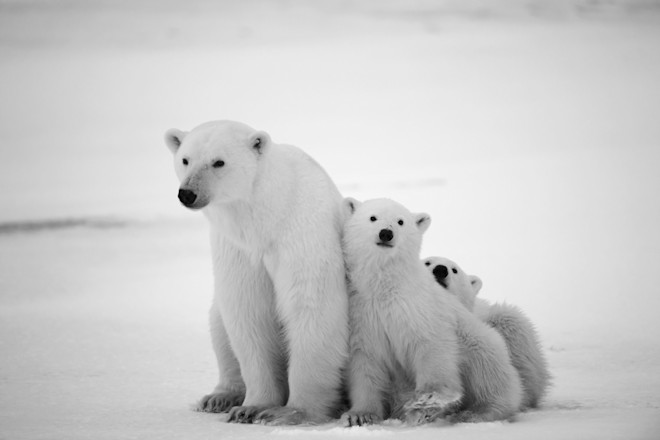
Underneath the skin, many cold-weather animals build thick layers of fat, known as blubber, to insulate their bodies and store energy. Polar bears and seals rely heavily on this fat to survive long periods without food during icy winters. Think about how your body feels warmer after a high-energy meal—these animals store that energy beforehand to stay warm when food is scarce.
Behavioral Survival Tactics
Behavior is just as important as physical traits. Some animals huddle together to share body heat, while others dig deep burrows that protect them from freezing winds. Have you ever noticed how penguins take turns facing the cold while the rest rest inside the group? This teamwork is a smart survival tactic you can apply metaphorically in challenging situations.
Credit: www.discovermagazine.com
Comparing Cold Survival Strategies
Animals living in extreme cold use different strategies to survive. These strategies help them manage harsh winters and freezing temperatures. Some rely on changes inside their bodies, while others change their actions and habits. Understanding these survival methods shows how diverse and creative nature can be.
Physiological Vs. Behavioral Adaptations
Physiological adaptations happen inside an animal’s body. These include thick fur, extra fat, or special blood flow. For example, polar bears have thick blubber and dense fur to keep warm. Some animals also lower their body temperature to save energy.
Behavioral adaptations involve actions animals take to stay safe. They might huddle together to share heat or dig burrows to escape cold winds. Birds fluff their feathers to trap warm air close to their skin. These actions help animals survive without changing their bodies.
Migration And Hibernation Patterns
Many animals avoid cold by moving to warmer places. Birds often migrate south during winter. This helps them find food and better weather. Migration is a smart way to skip harsh conditions.
Hibernation is another survival method. Animals like bears and ground squirrels sleep through winter months. Their heart rate and metabolism slow down to save energy. This helps them live without eating much food.
Lessons From Cold-weather Animals
Animals that live in extreme cold offer important lessons. Their survival tactics show how life adapts to harsh conditions. These lessons inspire humans in many ways. They help improve technology and guide conservation efforts.
Cold-weather animals have unique traits. Thick fur, fat layers, and special blood flow keep them warm. Some hibernate or slow down their metabolism to save energy. Others use their environment smartly to stay safe and warm.
Biomimicry In Technology
Scientists study cold-weather animals to create better technology. Their fur and skin inspire new insulation materials. These materials keep buildings and clothes warm with less energy.
Some animals’ ability to control blood flow helps design medical devices. These devices improve body temperature control for patients. Even robots learn from how animals move on ice and snow.
Conservation Efforts In Harsh Climates
Protecting cold-weather animals is crucial. Their habitats face threats from climate change and human activity. Conservation groups use animal behavior to create better protection plans.
Understanding how animals survive helps maintain the balance of cold ecosystems. Efforts focus on preserving food sources and safe areas. This work supports both animals and humans relying on these environments.
Credit: www.discovermagazine.com
Frequently Asked Questions
What Animals Thrive In Extreme Cold?
Many animals thrive in extreme cold, including Arctic foxes, polar bears, and emperor penguins. These creatures have adapted with thick fur, fat layers, or unique behaviors. Such adaptations help them withstand freezing temperatures and harsh conditions. These animals are marvels of nature, showcasing resilience and adaptability in the coldest environments.
How Do Penguins Survive In Cold Climates?
Penguins survive cold climates with thick feathers and a layer of fat for insulation. They huddle together to conserve warmth. Their unique circulatory system minimizes heat loss. This efficient system allows them to thrive in icy conditions. Emperor penguins, in particular, are well-adapted to the Antarctic cold.
Can Polar Bears Endure The Coldest Temperatures?
Yes, polar bears endure extreme cold with their thick fur and blubber. Their fur is water-repellent, and their skin is black to absorb heat. They are superbly insulated, allowing them to thrive in Arctic temperatures. These adaptations make them formidable survivors in the coldest climates.
Why Do Arctic Foxes Survive Cold Better Than Others?
Arctic foxes survive cold with their dense fur and small body size. They have a compact body shape, reducing heat loss. Their fur changes color with seasons, providing camouflage and additional insulation. These adaptations make them highly efficient at enduring frigid environments.
Conclusion
Cold weather is tough, but some animals thrive there. The Arctic fox, emperor penguin, and musk ox show amazing survival skills. They stay warm with thick fur, fat, and special behaviors. Nature’s design helps them live where few can. These creatures teach us about strength and adaptation.
Their ability to endure harsh cold is truly inspiring. Coldest places on Earth are home to these hardy animals. They prove life can survive even in extreme cold.