Have you ever wondered what you would do if an emergency struck without warning? Having a survival kit can be the difference between staying safe and feeling helpless.
You might think it’s something only adventurers or experts need, but the truth is, everyone can benefit from being prepared. You’ll discover why having a survival kit is not just smart—it could save your life. Keep reading to find out what essentials you need and how to make sure your kit works for you when it matters most.
Why Carry A Survival Kit
Carrying a survival kit isn’t just about prepping for extreme situations; it’s about being ready for the unexpected twists life throws your way. It can turn a potentially dangerous scenario into a manageable one by putting essential tools and supplies right at your fingertips. Have you ever wondered what you would do if your phone died during an emergency or if you had to spend a night outdoors unexpectedly?
Common Emergency Scenarios
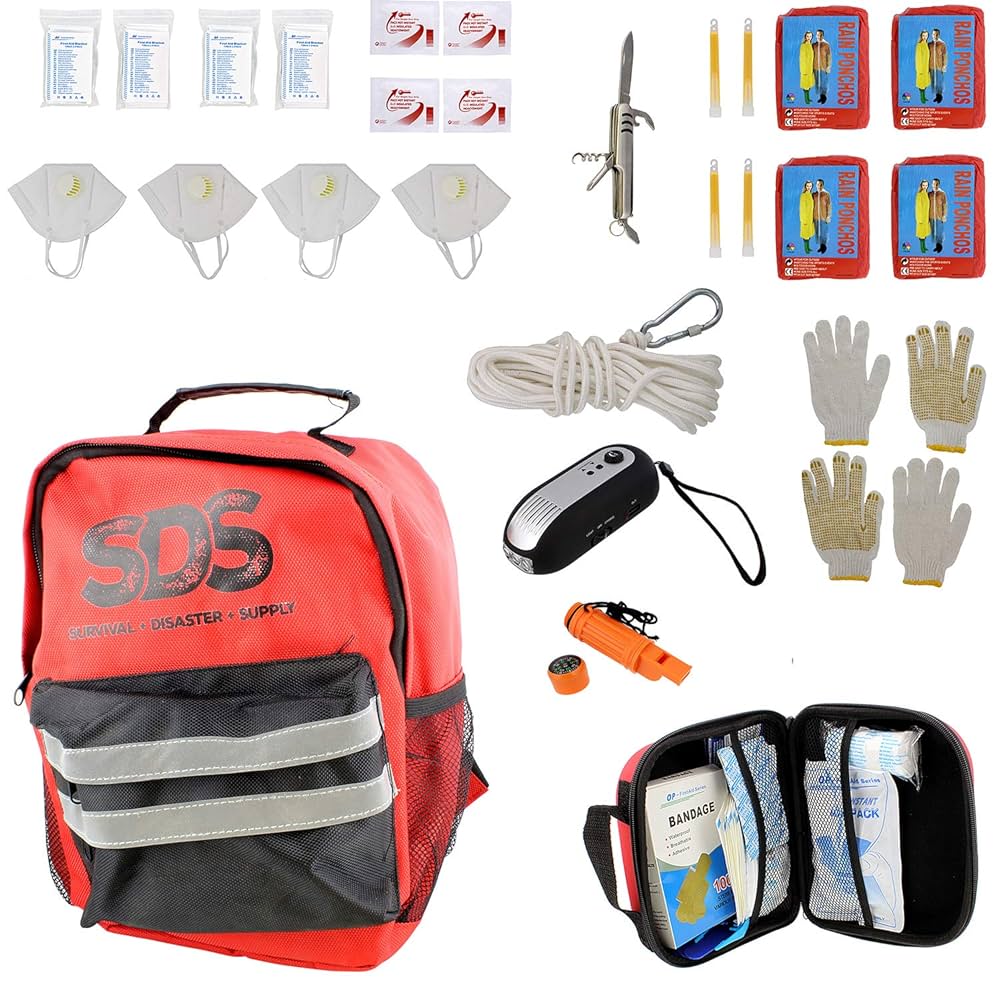
Emergencies come in many forms, and most happen without warning. Imagine being stuck in your car during a winter storm, losing power at home during a heatwave, or facing a sudden natural disaster like an earthquake or flood. A survival kit tailored to these situations can include:
- Flashlights and extra batteries
- Water purification tablets
- Basic first aid supplies
- Non-perishable snacks
- Emergency blankets
These items can be lifesaving and help you stay calm while waiting for help or finding your way to safety.
Benefits Of Being Prepared
Having a survival kit means you have control when chaos strikes. You don’t have to scramble to find items last minute or rely solely on others. Being prepared allows you to act quickly and efficiently, reducing panic and confusion.
It also encourages you to think through what you might really need, making your kit highly personalized and practical. This hands-on readiness can make a huge difference in how you handle difficult situations.
Peace Of Mind Factor
Knowing you have a survival kit ready can reduce anxiety about potential emergencies. It’s a small step that offers a big sense of security, especially if you have loved ones depending on you. This peace of mind lets you focus on staying calm and making smart decisions rather than worrying about what to do next.
How would your confidence change if you knew you were prepared for any emergency? A survival kit is more than just gear; it’s your personal safety net.

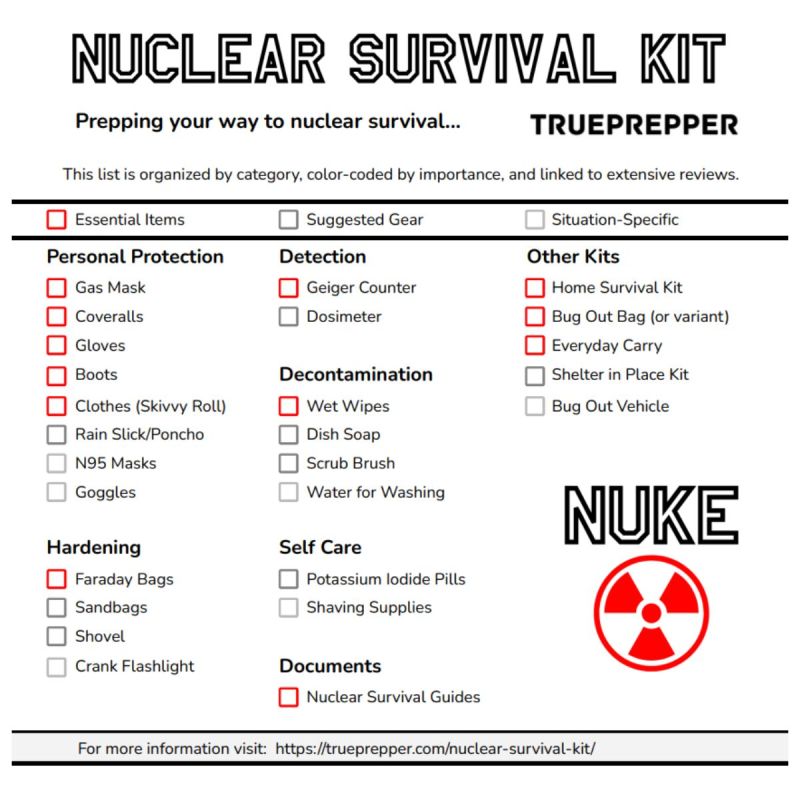
Credit: trueprepper.com
Basic Survival Kit Components
A basic survival kit holds the essential items for staying safe in emergencies. It helps you meet your most urgent needs like water, food, warmth, and safety. Carrying the right tools can make a big difference when help is far away.
Each component plays a vital role. Water and food keep your body working. First aid items treat injuries. Shelter and warmth protect from harsh weather. Tools help you solve problems and stay alive.
Water And Hydration Tools
Water is the top priority in any survival situation. Carry a reliable water bottle or hydration bladder. Include water purification tablets or a filter to make water safe. A small collapsible cup can help drink from natural sources.
Food And Nutrition Supplies
Pack high-energy, non-perishable foods like nuts, energy bars, and dried fruits. Choose items rich in calories and easy to carry. Avoid food that needs cooking or refrigeration. Small packets of salt or sugar can boost energy fast.
First Aid Essentials
A first aid kit should include bandages, antiseptic wipes, and adhesive tape. Add pain relievers and allergy medicine if possible. Tweezers, scissors, and gloves help with wound care. Keep all items in a waterproof pouch.
Shelter And Warmth Items
Include a compact emergency blanket or bivvy sack. A lightweight tarp or poncho can protect from rain and wind. Pack hand warmers and extra socks to keep warm. A small sleeping bag or insulated mat is useful too.
Tools And Multi-purpose Gear
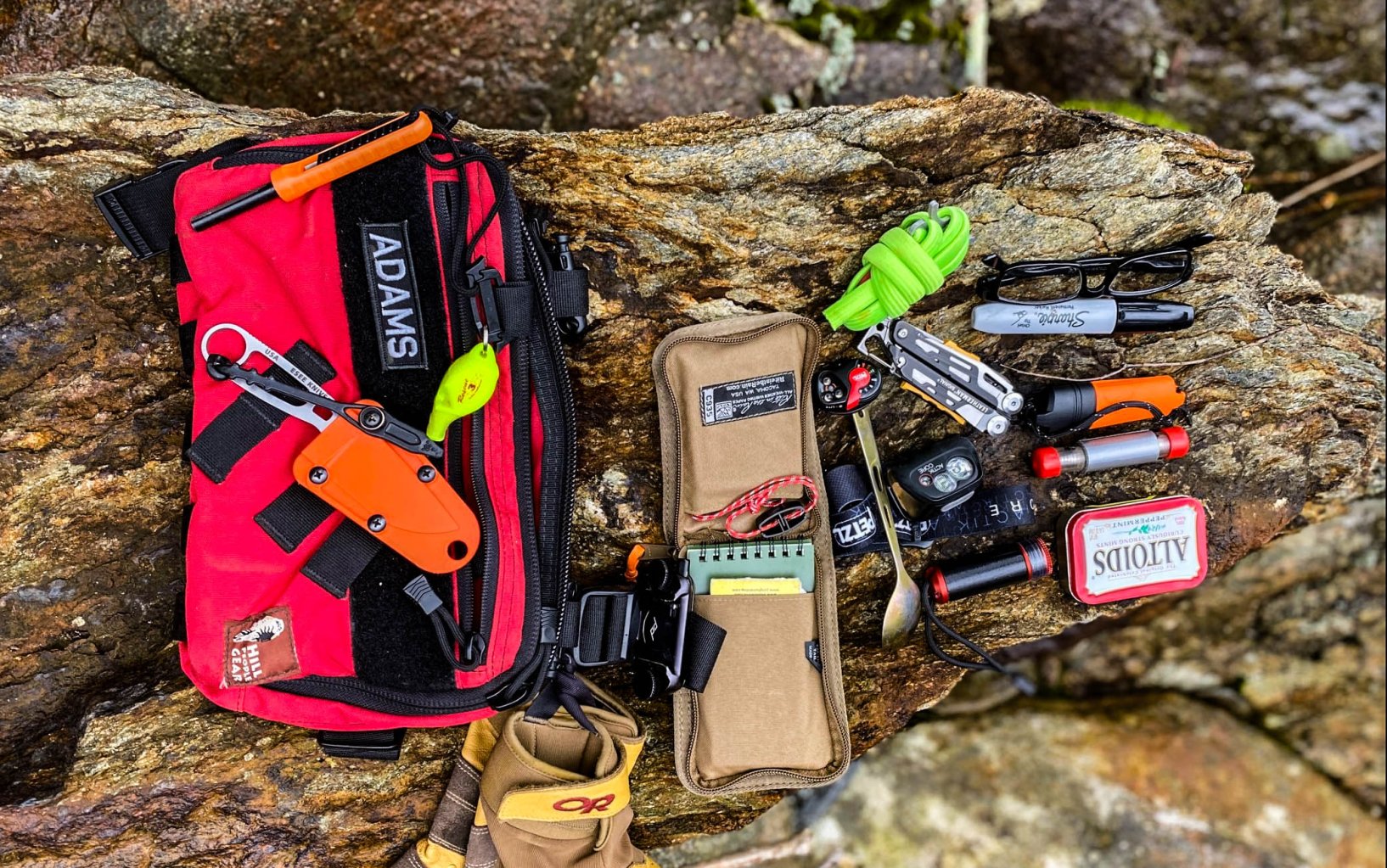
A sturdy knife is a must-have for many tasks. A multi-tool with pliers, screwdrivers, and scissors adds versatility. Carry a reliable flashlight with extra batteries. Fire-starting tools like waterproof matches or a lighter are essential.
Customizing Your Kit
Creating a survival kit tailored to your needs can make all the difference in an emergency. A one-size-fits-all approach rarely works because every situation and person is unique. Customizing your kit ensures you have the right tools and supplies that fit your lifestyle, environment, and health requirements.
Consider Your Environment
Your surroundings will influence what you pack. Living in a cold climate means extra layers and heat sources, while a desert environment requires more water and sun protection. Think about the most likely emergencies you could face where you live. Are you near water, forests, or urban areas?
Adjust your kit to match these conditions. For example, if you live in a flood-prone area, waterproof containers and quick-dry clothing are essential. If earthquakes are common, adding a sturdy helmet and dust masks could save you from injury.
Personal Health Needs
Your health is non-negotiable when assembling your kit. Do you take prescription medication? Include at least a week’s supply and copies of your prescriptions. Don’t forget medical devices like inhalers, glucose monitors, or allergy treatments.
Also, consider any special dietary needs. If you’re allergic to nuts or gluten, pack suitable emergency snacks. A personal first aid kit tailored to your health issues can prevent complications during stressful situations.
Family And Group Considerations
Survival kits are rarely just for one person. If you have family or a group, each member’s needs must be addressed. Kids, elderly relatives, or pets all require different supplies.
Make a checklist for everyone’s essentials. This might include baby formula, extra diapers, or pet food. Planning together can reveal items you might overlook on your own.
Have you thought about how your survival kit reflects your unique situation? Customizing it might just be the key to staying safe and comfortable when it matters most.
Storage And Maintenance Tips
Keeping your survival kit in top shape requires smart storage and regular upkeep. How you store your kit affects how quickly you can access it during an emergency. Plus, maintenance ensures all your supplies are ready when you need them most.
Choosing The Right Container
Pick a container that’s sturdy and waterproof to protect your supplies from damage. Plastic bins with tight-fitting lids or metal cases work well to keep moisture and pests out.
Size matters too—choose one that fits your essentials but is still easy to carry. Consider a container with compartments or dividers to keep items organized and easy to find.
Regular Kit Inspections
Set a reminder to check your kit every 3 to 6 months. Look for signs of wear or damage, like torn packaging or rusted cans, which could make supplies unusable.
Try opening the container and going through each item one by one. This helps you confirm everything is in place and functioning, so you won’t be caught off guard.
Replacing Expired Supplies
Expired food and medical items lose effectiveness and can even be unsafe. Check expiration dates regularly and swap out old items with fresh ones.
Keep a list of what needs replacing and update it as you make changes. This simple step keeps your kit reliable without surprises when you need it most.
Practical Survival Skills
Practical survival skills help you stay safe in emergencies. These skills build confidence and improve your chances of handling tough situations. Learning simple techniques can make a big difference during an unexpected event.
Basic First Aid Training
Knowing basic first aid saves lives. Treat cuts, burns, and sprains quickly to avoid complications. Learn how to stop bleeding and perform CPR. Keep calm and act fast. Having a first aid kit and skills is essential for any survival kit.
Navigation And Signaling
Finding your way is critical in the wild. Use a map and compass to avoid getting lost. Learn to read natural signs like the sun or stars. Signaling helps rescuers find you faster. Use mirrors, whistles, or bright colors to get attention.
Fire Starting Techniques
Fire provides warmth, light, and a way to cook food. Practice starting a fire using matches, lighters, or flint. Know how to gather dry tinder and wood safely. Fire skills keep you warm and help purify water in survival situations.
Credit: www.outdoorlife.com
When To Use Your Survival Kit
Knowing when to use your survival kit can make a big difference in emergencies. A well-packed kit is not just for rare events but for many situations. It helps you stay safe, calm, and prepared.
Natural Disasters
Earthquakes, floods, and storms can strike without warning. A survival kit provides essentials like water, food, and first aid. It helps you handle power outages and damaged roads. Having a kit ready means you can leave quickly or stay safe at home.
Outdoor Adventures
Hiking, camping, and fishing trips can bring unexpected challenges. A survival kit keeps you ready for injuries, bad weather, or getting lost. It includes tools like a flashlight, compass, and fire starter. These items improve your chances of staying safe and finding help.
Unexpected Situations
Car breakdowns, power failures, or getting stuck in traffic can happen anytime. Your survival kit offers supplies like blankets, snacks, and a whistle. These items keep you comfortable and signal for help. Being prepared reduces stress and helps you act fast.
Additional Resources
Building a survival kit is just one part of being ready for emergencies. Knowing where to find extra help and information is key. Additional resources provide guidance, training, and tools to enhance your preparedness.
These resources help you learn more and stay updated. They connect you with experts and communities focused on safety. Using trusted sources makes your survival efforts stronger and more effective.
Emergency Preparedness Organizations
- American Red Cross – Offers training, tips, and disaster updates.
- Federal Emergency Management Agency (FEMA) – Provides guides and alerts for emergencies.
- National Safety Council – Focuses on injury prevention and safety education.
- Community Emergency Response Team (CERT) – Local groups that train volunteers for disaster response.
Recommended Survival Courses
- Basic First Aid and CPR – Learn lifesaving skills for emergencies.
- Wilderness Survival Training – Techniques for staying safe in nature.
- Disaster Preparedness Workshops – Planning and response strategies for various emergencies.
- Self-Defense Classes – Skills to protect yourself in dangerous situations.
Useful Apps And Tools
- Emergency Alert Apps – Receive real-time warnings and updates.
- Offline Survival Guides – Access important info without internet.
- Navigation Tools – GPS and maps for finding safe routes.
- First Aid Apps – Step-by-step instructions for medical emergencies.

Credit: trueprepper.com
Frequently Asked Questions
Why Do I Need A Survival Kit?
A survival kit is essential for emergencies, such as natural disasters or power outages. It provides necessary supplies like food, water, and medical items. Having one ensures you are prepared to handle unexpected situations, keeping you and your family safe.
What Should A Basic Survival Kit Include?
A basic survival kit should contain water, non-perishable food, a flashlight, a first aid kit, and a multi-tool. Include personal items like medications and important documents. Tailor your kit to specific needs and update it regularly to ensure everything is functional and up-to-date.
How Often Should I Update My Survival Kit?
You should update your survival kit every six months. Check expiration dates on food and medicine, and replace expired items. Also, consider any new personal needs or changes in your environment that might require additional supplies or adjustments to your kit.
Can A Survival Kit Save Lives?
Yes, a survival kit can save lives by providing essential supplies during emergencies. It ensures access to food, water, and medical care when regular resources are unavailable. Having a well-prepared kit increases your chances of staying safe and secure in unexpected situations.
Conclusion
Having a survival kit can bring peace of mind. Emergencies happen without warning. Being ready helps you stay safe and calm. A small kit fits easily at home or in your car. It can hold food, water, and first aid supplies.
Preparation takes little time but offers great benefits. Everyone can choose what to include based on needs. Remember, safety starts with simple steps. A survival kit is a smart choice for any situation. Stay prepared, stay confident.